
An aluminum saw tool management proposal is a decision about responsibility, information and replenishment—not just the price of a circular blade. One shop may prefer to buy blades outright and coordinate identification, stock, inspection and sharpening itself. Another may ask a specialist to manage some or all of those tasks. Neither label tells you what is included. Before comparing prices, describe the actual saws, jobs, tool states and handoffs that the arrangement must cover.
This guide is for a buyer reviewing an ongoing tooling arrangement for an industrial aluminum cutting operation. It is not a claim that JiurunCut provides a managed-tooling program, a consignment service, or a blade-life guarantee. Ask each prospective provider to confirm its own scope and assess compatibility against your real equipment and work.
Aluminum saw tool management starts with the real job
List each saw that would enter the agreement, including its maker, model, current blade identification, available machine documentation, material forms and the range of work it cuts. Separate an existing approved tool from a proposed substitute. A blade that fits a nominal diameter description may still be inappropriate for a particular machine, guard, clamping arrangement or job. The buyer and the responsible supplier should check the complete fit and permitted operating conditions before use; this article does not prescribe a blade specification or a cutting setting.
Next group the real jobs: profile section and wall condition, solid or hollow stock, cut orientation, batch pattern, finish or downstream inspection requirement, and the consequence of an unavailable tool. This inventory identifies whether the proposed contract is for one frequently used blade family, multiple saws, or a changing tool portfolio. Without it, a supplier may quote a narrow replacement schedule while the buyer assumes that job changes and exceptional tools are included.
Compare two complete operating models
Under an outright-purchase model, the buyer orders approved blades and normally retains responsibility for the tool register, stock levels, issue and return, inspection decisions, reconditioning coordination, exception orders and invoice reconciliation unless a separate service covers a task. A managed arrangement can move specified duties to a provider, but the contract must say which duties move, which remain with the plant, and what data each party must supply. A name such as “tool management” is not a service-level definition.
| Decision item | Buyer-coordinated purchase | Provider-managed proposal to define |
|---|---|---|
| Approved tool list | Buyer controls and updates it | Who assesses, approves and records a new tool? |
| Physical stock | Buyer orders and counts it | Who owns stock, where is it held and when is it billed? |
| Issue and return | Plant records each movement | Which system records machine, job, serial or batch identity? |
| Inspection and reconditioning | Buyer arranges defined work | Who decides disposition and reports what changed? |
| Shortage or urgent job | Buyer finds a suitable route | What response is actually committed, subject to approval? |
Use the table to compare complete responsibilities, not to assume that either model is cheaper. A provider may offer logistics support, tool-history tracking or a broader supply program as different services. For example, Leitz describes distinct tool-management concepts, including stock-flow accounting and other billing bases. Those are examples of possible commercial structures; they do not describe a JiurunCut offer or establish that any arrangement is available for your plant.
Make tool state and custody visible
A usable tool register follows each approved blade through receipt, available stock, issue, use, return, inspection, reconditioning, quarantine and retirement. Agree which events need a serial number or other unique identity, which measurements or observations are recorded, and who can change status. If a blade comes back from service, the receiving team needs an unambiguous identity and disposition, not only a count of pieces delivered.
Ownership and physical custody are separate questions. The supplier might own consigned stock while the buyer holds it; the buyer might own a tool that the supplier has taken away for work. Record who bears responsibility at each handoff, where tools are stored, what happens to damaged or missing items, and how the parties reconcile the register. Ask for a sample issue/return record and a sample exception report before accepting a polished dashboard as proof of traceability.
Specify replenishment without inventing a guarantee
Define the trigger for a routine reorder: a verified stock balance, a planned job, a consumption record or a minimum quantity agreed for a particular tool. Include the information a provider needs to act: approved identity, delivery point, expected demand window and authorized contact. Then define what happens if the requested tool is unavailable, a blade is quarantined, a new profile changes the requirement, or a planned service return misses its agreed date.
A backup arrangement is useful only when its route is explicit. Can the plant use an already approved alternate tool? Can another qualified saw or outside service take the job? Who approves a substitution and communicates its effect on the order? These questions should be tested with a representative scenario. They are not a promise of uninterrupted production. Our separate saw backup checklist addresses the wider recovery route when a cutting resource is unavailable.
Compare billing units and exceptions on the same basis
Ask every bidder to state what is invoiced and when: purchase at receipt, stock inflow, stock outflow, an agreed period, a tool-service event, or an agreed production measure. Define the calculation base and evidence for any usage-linked charge. Also list what the base price excludes—emergency freight, unusual blade types, breakage, reconditioning, rejected service work, retained stock on termination and changes to the approved portfolio. A low headline unit price can hide buyer labor and exception costs; a service fee can be reasonable if it transfers a well-defined burden. Neither can be ranked responsibly without the same boundary.
For an internal comparison, take a real recent period and record actual blade purchases, service charges, stock handling and administration time. Separately estimate the future job changes that are known but not yet ordered. Mark assumptions rather than presenting a forecast as a contractual quantity. Request a like-for-like supplier response against that dataset. Keep performance, uptime and savings claims out of the decision unless a provider supplies verifiable, job-specific evidence and a clear commitment.
Use cut evidence to review the service, not to infer it from a photo
The tool program should support the plant’s accepted cutting outcome, but a blade invoice or register alone cannot prove it. For a representative job, agree how the buyer will record tool identity, material and section, machine, setup authorization, sampled output and disposition. The plant’s own acceptance criteria determine whether a cut is acceptable. If a result changes after tool service or substitution, the records should allow the teams to investigate the specific event without claiming that the tool alone caused it.
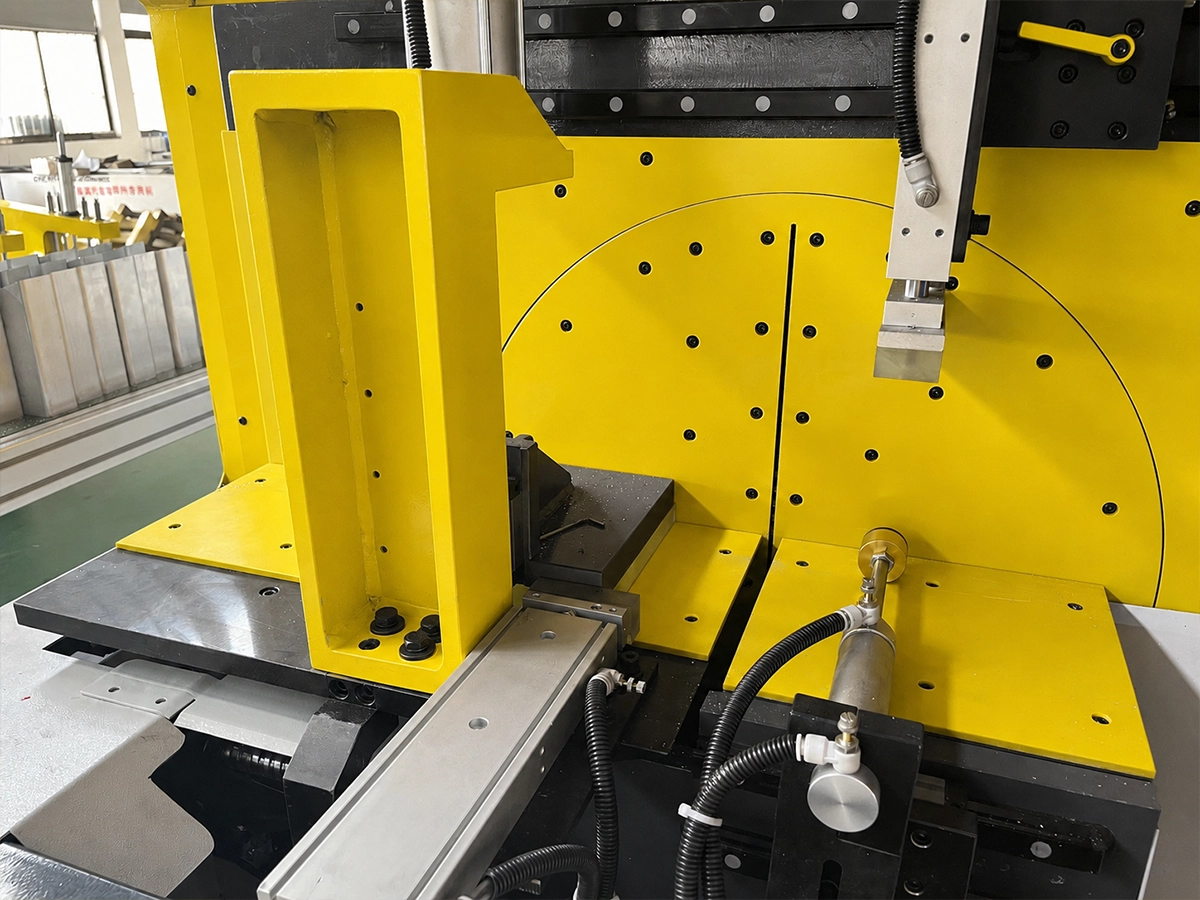
For a separate equipment example, the video below shows general JiurunCut saw footage from the company’s own YouTube channel. It does not demonstrate the tool-management service discussed here, the configuration of a buyer’s machine, a customer’s job, blade life, cut quality or a performance result. Check the actual tooling and any proposed service against your own equipment and requirements.
Request a handover and exit plan before signing
Onboarding should include an agreed baseline count, an approved-tool list, identification of any tools awaiting inspection, access to historical records, account roles and a trial of the first issue/return cycle. Set a date when each party will verify that the register and physical stock match. If a provider proposes automatic replenishment, test how the system handles a rejected tool, a changed job and a temporary stop before relying on it.
Exit terms matter because tools and records remain necessary after the service ends. Ask who owns each physical tool, how remaining stock is counted and valued, who receives the register and service history in a usable format, how open reconditioning work is returned, and how ongoing production is covered during the transition. Resolve these matters while comparing offers, not after a dispute.
Seven questions for a comparable RFQ
- Which saws, approved tool identities, material forms and job families are in scope?
- Which party owns, stores, issues, inspects, reconditions and retires each tool?
- What records track custody, tool state, use and service, and who can change them?
- What triggers replenishment, and how are shortages and urgent changes approved?
- What exact billing unit, timing and exception charges apply?
- What representative cutting evidence and acceptance records will be reviewed?
- How will onboarding, an annual stock reconciliation and eventual exit work?
Send the same inventory and sample jobs to each bidder. Ask them to mark every question answered, excluded or conditional, then compare the complete responsibilities and evidence. Contact JiurunCut with your actual aluminum profile, cut requirements and saw-purchase question if you are also evaluating a new cutting machine. Managed tooling, blade compatibility and service terms must be confirmed with the relevant provider separately.
Source context: Leitz, Tool Management & logistics, describes differing service and accounting concepts; Leitz, Aluminium, gives context for tooling used with non-ferrous materials. These external examples support the categories to ask about, not a promise by JiurunCut.