
A supplier machine breakdown can turn an apparently confirmed outsourced aluminum cut-part order into several different promises: finished pieces already inspected, work in process that needs another operation, untouched raw stock, and future output that has no qualified cutting slot. A buyer should not accept one revised delivery date for all four. The recovery decision is which quantity can ship from a traceable, approved route, when, and on what evidence.
This guide is for a buyer of outsourced saw-cut aluminum components whose supplier reports an equipment outage after an order has been released. It is a purchasing and quality-control framework, not an emergency repair instruction. The drawing, purchase order, supplier agreement and applicable safety procedures govern the actual job. Jiurun equipment images below illustrate decision points; they do not show the affected supplier, failure or recovery trial.
Ask for an outage notice that identifies the affected work
Request the affected equipment or process step, time the fault was detected, last known conforming production point, part numbers and revisions, open purchase-order lines, batches in process, and the person controlling the supplier’s recovery plan. The buyer does not need a speculative repair diagnosis to start containment. It does need to know whether the outage has stopped cutting, inspection, deburring, packing, or another operation that determines accepted output.
Separate a firm statement from a forecast. “The machine is down” does not establish that every piece is unusable, and “we can restart tomorrow” is not an approved delivery commitment. Ask what has already been made, what has passed the agreed acceptance method, what remains uninspected, and what material is still raw. Preserve the last accepted inspection and lot records so an outage does not erase the boundary between conforming stock and unfinished work.
Reconcile four quantities before discussing a new delivery date
Build one order-line ledger with ordered quantity, previously shipped quantity, physically finished quantity, accepted finished quantity, identifiable work in process, raw stock available, and the open balance. Record scrap or suspected pieces separately. A part cannot be counted simultaneously as accepted finished stock and as recoverable work in process. If the supplier proposes a partial shipment, identify the lot, accepted count, packing unit and balance that will remain open.
Ask who owns or controls the raw stock, cut blanks and any dedicated fixture at the moment of the outage. Buyer-owned material at a subcontractor may have a different release path from supplier-purchased stock. A promised replacement batch based on stock that is not allocated, is the wrong revision, or is still in transit is only a possibility. Photographing racks can help identify material and stages, but use the supplier’s actual inventory records, material certificates where required, and lot labels to make the commercial decision.
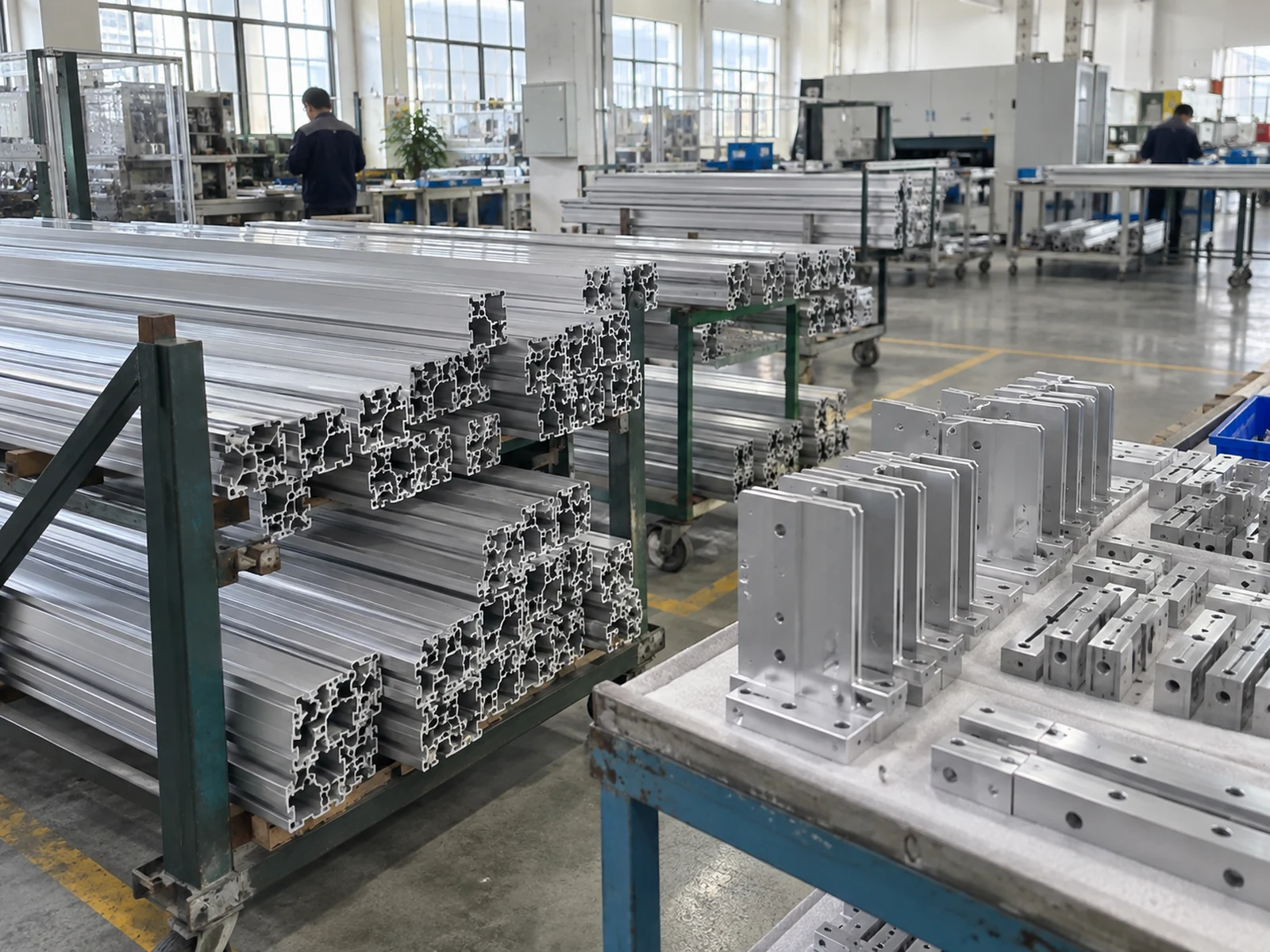
Supplier machine breakdown: compare recovery routes as separate approvals
There are several potential routes: restore the original cutting station, use a different machine at the same site, move the job to another facility, or qualify another supplier. They are not interchangeable just because each can make a saw cut. For each proposed route, ask for the exact stock form, part drawing and revision, cutting angle or end features, fixture and datum, tool, remaining downstream operations, inspection method, capacity slot and realistic shipping handoff.
A second machine at the same plant may need a new program, clamping method, support arrangement or first-article check. A transfer to another site also changes custody, equipment, personnel and traceability; our cutting-site change guide covers that approval separately. A second supplier requires qualification, drawing control, commercial terms and an accepted sample plan; see the dual-source cutting guide. Do not quietly substitute a machine, site or supplier merely to preserve the original quoted date.

Requalify the route before releasing replacement output
Define what evidence is needed for the actual part when the cutting route changes. The buyer and supplier should agree on a controlled drawing, raw stock or profile orientation, cut length and angle features, burr and surface requirements, sample identifiers, measurement method and acceptance authority. A first accepted piece from the original process does not automatically qualify a different tool, support or clamping arrangement. Where downstream machining, coating or assembly establishes final dimensions, state which stage the temporary approval covers.
Use traceable first pieces from the proposed route and keep their readings and inspection disposition. Record any special concessions separately from the standard drawing. If the first pieces fail, contain that route’s output and revise the plan; do not mix trial pieces into accepted inventory. An alternate route is released by an authorized decision against the agreed requirements, not by a supplier’s claim that the equipment is similar. The same discipline also applies after a repaired machine restarts if its setup or process state has changed.

Authorize a revised delivery promise from accepted capacity
For each recovery route, ask for a dated capacity plan that starts with available material and ends with inspected, packed parts ready for dispatch. Include setup, first-piece approval, remaining cutting, downstream operations, inspection, packing and transport. The supplier should name any dependency on repair parts, an outside processor, another customer’s machine slot, or buyer approval. Treat uncertain dependencies as risks, not as completed work.
Set a communication cadence and escalation owner. Agree when the supplier will provide the next factual update, what change triggers immediate notice, and when the buyer may authorize a split shipment or substitute source. If the order is already late, reconcile the revised schedule with the late-delivery recovery plan. Do not relabel a forecast as an accepted delivery date until the required route, quality and commercial approvals are recorded.
Close the event without losing traceability
At closure, record the accepted quantities by lot and route, rejected or reworked quantities, remaining open order balance, revised delivery approvals, actual receipts and any agreed extra charges. Keep the equipment repair record distinct from part acceptance: a repaired saw may be operational while an affected lot still needs inspection. If a buyer accepts a concession, limit it to the named lot and authorized use; the future drawing remains unchanged unless formally revised.
Review whether the supplier’s contingency worked: time to notify, accuracy of inventory, qualification of an alternate route, and first accepted receipt. This is a practical input to future sourcing and capacity agreements, not an invented universal supplier score. NIST MEP’s business-continuity guidance explicitly recognizes equipment and systems failures as hazards to plan for. Its supplier-scouting resource illustrates that finding a capable alternative supplier is a separate task. Neither source certifies this particular supplier or recovery plan.
Questions to send the supplier now
- Which order lines, revisions and lots were on the affected route at the last known conforming point?
- How many pieces are accepted, uninspected, in process, raw, scrap or already shipped?
- Which exact machine, site or supplier will complete the open balance, and who must approve that change?
- What first-piece and lot evidence will qualify the route before shipment?
- What is the earliest credible accepted and packed quantity, and what dependencies could move that date?
- Who will update the buyer, approve partial shipments and close the remaining order balance?
General equipment video: The following footage is from Jiurun Machinery’s own YouTube channel and shows an aluminum saw operating in a general equipment example. It does not show the affected supplier, breakdown, this material or drawing, a recovery cut, a customer, a specific approved configuration, or any accepted performance result.
Discuss your actual aluminum cutting requirement
If your team is comparing an in-house aluminum saw with outsourced cut-part capacity, send Jiurun the profile drawing, alloy and temper, stock form, sizes, cut features, batch pattern, downstream steps and acceptance method. We can discuss a suitable saw proposal and what should be demonstrated in a job-specific trial. A photograph or general video cannot establish a dimensional, throughput or recovery guarantee for your order. Contact JiurunCut with your RFQ.