
Buying an aluminum saw for refrigerated display case frames starts with a supply decision, not a machine model. Will your factory receive long aluminum profiles and cut door and cabinet members, buy a pre-cut frame kit, or buy assembled doors and cases? Each route leaves a different job at the saw. A blade can prepare a member end; it cannot establish a gasket seal, validate thermal behavior, install glazing, or approve a refrigerated cabinet. Separate those responsibilities before requesting a quotation.
This guide is for a manufacturer or integrator evaluating a repeatable aluminum-member cutting station. It does not assume that every refrigerated case uses the same frame design or that Jiurun supplies a refrigeration system. Use the released drawing, bill of materials and acceptance plan for your own case family.
Decide what your factory actually delivers
| Supply route | Work retained in your factory | Saw purchase implication |
|---|---|---|
| Finished case or complete door purchased | Installation, inspection and service interfaces | Do not size a new saw around frame members you will never cut. |
| Pre-cut or preassembled frame kit purchased | Fit, glazing, gasket, hardware and final case integration as contracted | A saw may cover only rework or development; quantify that demand separately. |
| Long profiles purchased | Member identification, cutting, protection, downstream machining, assembly and inspection | Quote the saw against the released member family and actual batch schedule. |
The key distinction is between a cut aluminum member and an accepted door or cabinet. A length list alone cannot show whether the profile is a structural upright, a glazing channel, a trim piece or a gasket carrier. Ask purchasing, design and production to agree on which line items remain as raw stock at the start of the shift.
Specify an aluminum saw for refrigerated display case frames against released members
Create a part-family sheet for every retained member: profile drawing and revision, alloy and temper specified by the owner, stock delivery length, cross-section envelope, wall and cavity features, finished cut length definition, cut-end angle, visible face, expected batch quantity and downstream destination. Identify both left- and right-hand variants. A profile that looks symmetric in a photograph may have a different glazing or gasket interface on one side.
The Aluminum Extruders Council’s extrusion design resources distinguish profile design, tolerances, finishing and later fabrication. The Aluminum Association’s tolerance explanations also separate dimensions such as straightness and twist from local section dimensions. These are reasons to check incoming stock and drawing datums separately from the saw’s cut-length result. Do not turn a quoted feed repeatability value into a guaranteed assembled-case dimension.
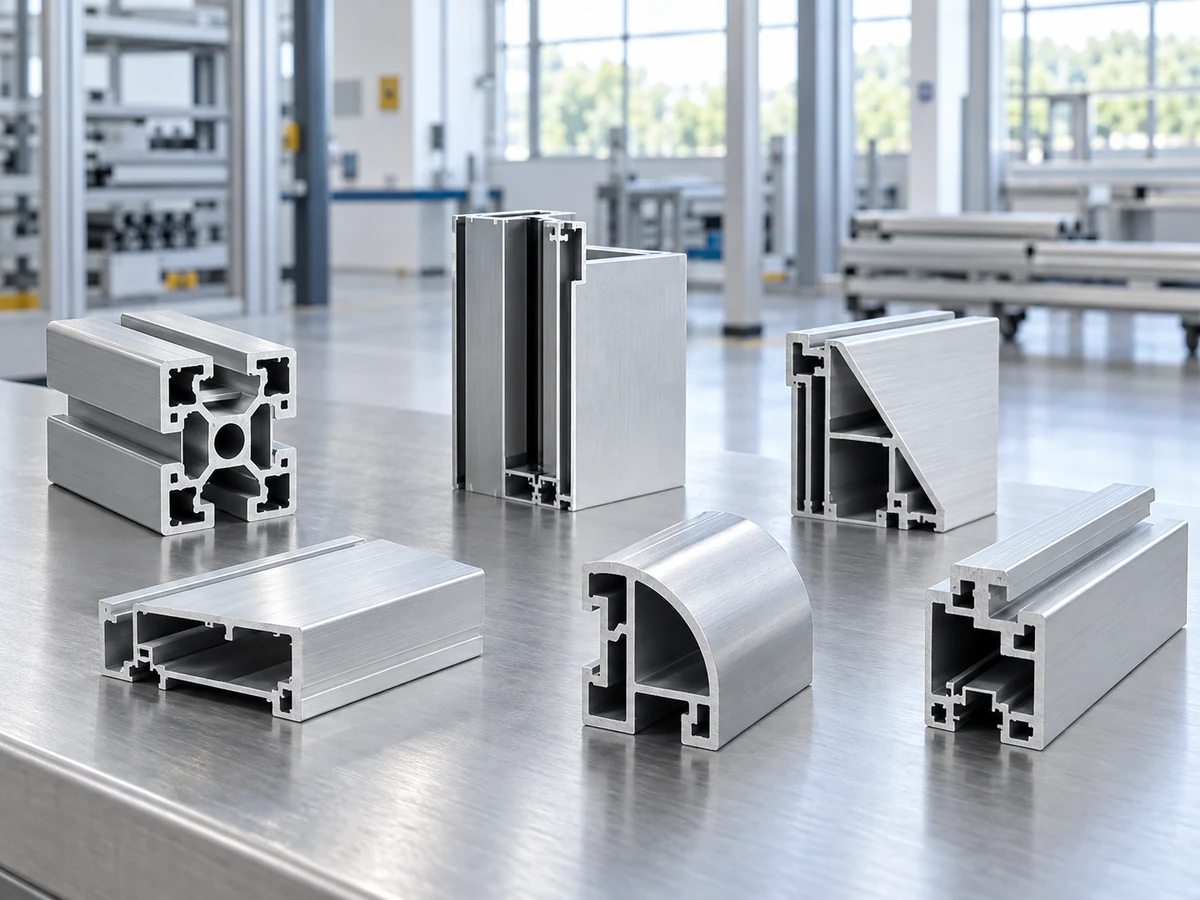
For each section, mark the faces that may be clamped without damaging a visible surface or closing a channel. Confirm whether the stock arrives straight enough for your cut-list and whether a hollow or thin wall needs different support. Those questions are specific to the part and fixture. A generic machine-capacity number does not answer them.
Keep the door, gasket and glazing boundary explicit
A refrigerated display case adds interfaces outside a saw station: glazing, door movement, seals, hardware, cabinet structure and refrigeration performance. The U.S. Department of Energy’s guide to door retrofits explains that frame fit, mounting and gasketing depend on the selected case and door system. That guide concerns retrofits rather than this article’s new-production route, so use it to identify interface questions, not to infer a universal frame specification.
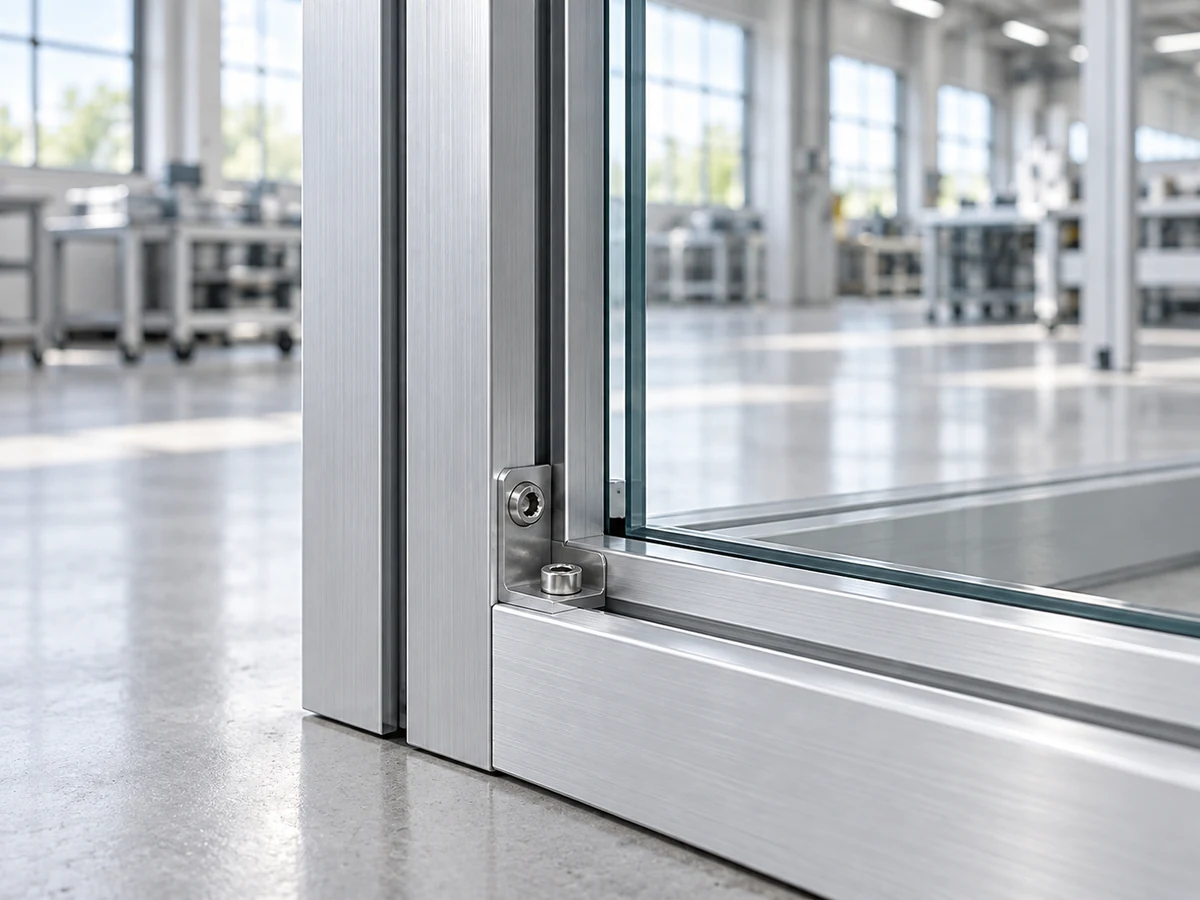
When a door or cabinet supplier owns these interfaces, ask whether your scope ends at labelled cut members or at a verified assembled frame. If you own assembly, request approved interface drawings, gasket and glazing locations, hinge and handle mounting references, and an acceptance method from the system designer. Cutting an accurate bar does not prove the frame closes, seals or avoids condensation in service.
Build the cut list from an accepted assembly
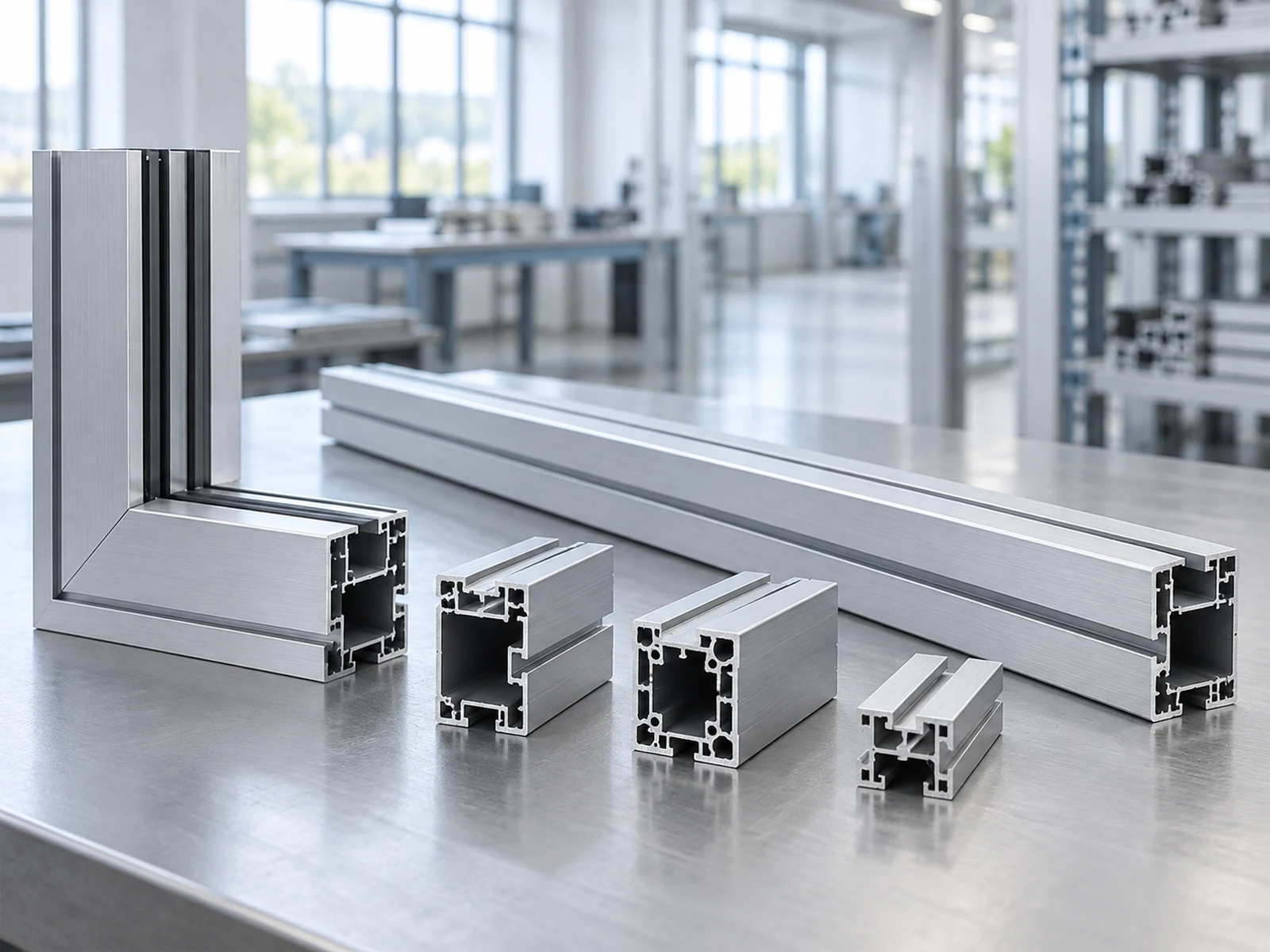
Start with one released door or cabinet variant and trace every member from the assembly drawing into a cut-list row. Record the finished dimension reference: overall outside, opening, shoulder, long point, short point or another named datum. For miters, name the angle and the end orientation; a single nominal length can be ambiguous when opposite hands or unequal profiles meet. Mark holes, slots, glazing features and post-cut machining as separate operations unless the proposed equipment and contracted tooling specifically include them.
Compare the cut list to physical member samples and an assembly trial. A first acceptable miter in isolation is weaker evidence than a labelled kit whose four sides and hardware interfaces are checked together. Include sample quantities, inspection tools, allowed rework and the authority who approves the result. Keep the measured cut-member result distinct from the finished frame’s fit and the refrigerated case’s functional test.
Compare the actual buying routes
Keep complete frame supply when the specialist supplier controls a low-volume or frequently changing door system and the factory has little repeat cutting work. Confirm lead time, revision control and who pays for field changes. Buy pre-cut kits when you retain assembly but prefer the supplier to absorb cut setup, scrap and labelling. Confirm the kit’s part identity and whether a replacement member can be ordered alone. Bring cutting in-house when released profiles, recurring volume and change control justify a dedicated station and your team can own stock, setup, inspection and protection.
For the in-house route, compare offers against the same representative part family and shift pattern. Ask the seller to show how each cross-section locates and clamps, how stock enters and finished pieces leave, what happens to short parts and remnants, and which guarding and access arrangements are included. Record blade and fixture items separately from the base machine. If different case families require different supports or cut angles, price and time those changes rather than assuming one setup covers everything.
The aluminum saw for refrigerated display case frames should be linked to the downstream build. A cut station that is faster on a single straight member may create no benefit if kits arrive incomplete or assemblies wait for a different component. For an equipment comparison, specify the receiving state of material, the labelled output unit, inspection handover and who reconciles the cut list to the case bill of materials. See the related machine-enclosure member-versus-panel decision and factory versus site acceptance plan for further boundary checks.
Ask for a sample that tests the purchase decision
Select a small but representative matrix: the broadest and most awkward section, a visible finished face, the shortest required part, the longest supported stock route, and one left/right or miter pair if used. Supply current drawings and real stock specifications. Before the demonstration, agree on the dimensions and visual conditions to check, the instrument and datum, the number of pieces and the response if a sample fails. Do not invent an accuracy target from a catalogue headline.
Ask for two outputs: measured cut-member records and a separate assembly or fit record from the party that owns the frame. If the sample cannot be assembled because glazing, gasket or hardware is not available, record that limit explicitly. A saw trial cannot certify refrigeration performance, condensation control or energy consumption.
What the Jiurun video shows
The video below is general Jiurun machinery footage from the official Jiurun Machinery YouTube channel. It illustrates equipment and a cutting-workflow context only. It does not show the refrigerated-case material, the configuration quoted for your project, a customer installation, a trial of the members in this guide, or any performance proof.
RFQ checklist for the retained frame work
- List every case and door variant, drawing revision and annual or batch demand.
- Identify whether you buy finished cases, frame kits or long profiles, and who owns each assembly interface.
- Provide profile sections, alloy and temper requirements, incoming stock condition, visible faces and sample material.
- Define length datums, cut angles, handedness, minimum and maximum piece lengths and downstream operations.
- Describe infeed, outfeed, short-part collection, labelling, remnant handling, guarding and operator access.
- Agree on a representative cutting sample, member measurements and a separate frame-fit review.
- Separate base machine, fixtures, blades, installation, training and spare items in the commercial offer.
Next step: send Jiurun the released member drawings, a cut-list extract, representative stock photos or samples and the exact boundary between cut parts and accepted frames. Ask for a quotation and sample plan for that defined cutting job. Keep the door and refrigeration-system acceptance with the party responsible for those systems.