
Aluminum saw financing should be evaluated against one defined machine purchase, not an equipment price in one document and a payment schedule in another. A low periodic payment can look attractive while the financed asset, installation scope, service obligations, acceptance milestone or end-of-term option remains unclear. Procurement, production and finance teams should compare the machine quotation and funding agreement side by side before either is approved.
This is a buyer’s review framework, not a financing offer or a recommendation of a lease, loan or lender. Availability, legal treatment, taxes and the meaning of specific clauses depend on the signed documents and the buyer’s jurisdiction. Ask qualified finance and legal advisers to review the actual terms.
Aluminum saw financing starts with an approved equipment scope
First describe the work the saw must perform: stock forms and section sizes, incoming lengths, the cut geometry, expected batch mix, handling arrangement, shift pattern and downstream acceptance criteria. Identify which production steps remain outside the saw. A financing comparison is meaningful only after the same technical package is used in every alternative.
Attach the current quotation revision and a scope schedule to the funding discussion. Name the base machine, selected automation, blade and consumable assumptions, material handling, guarding, commissioning, training, freight and any local installation work. Mark every item as included, separately priced, buyer-supplied or undecided. The lender may describe the asset more briefly than the manufacturer does; that difference needs reconciliation, not a silent assumption that every quoted option is funded.
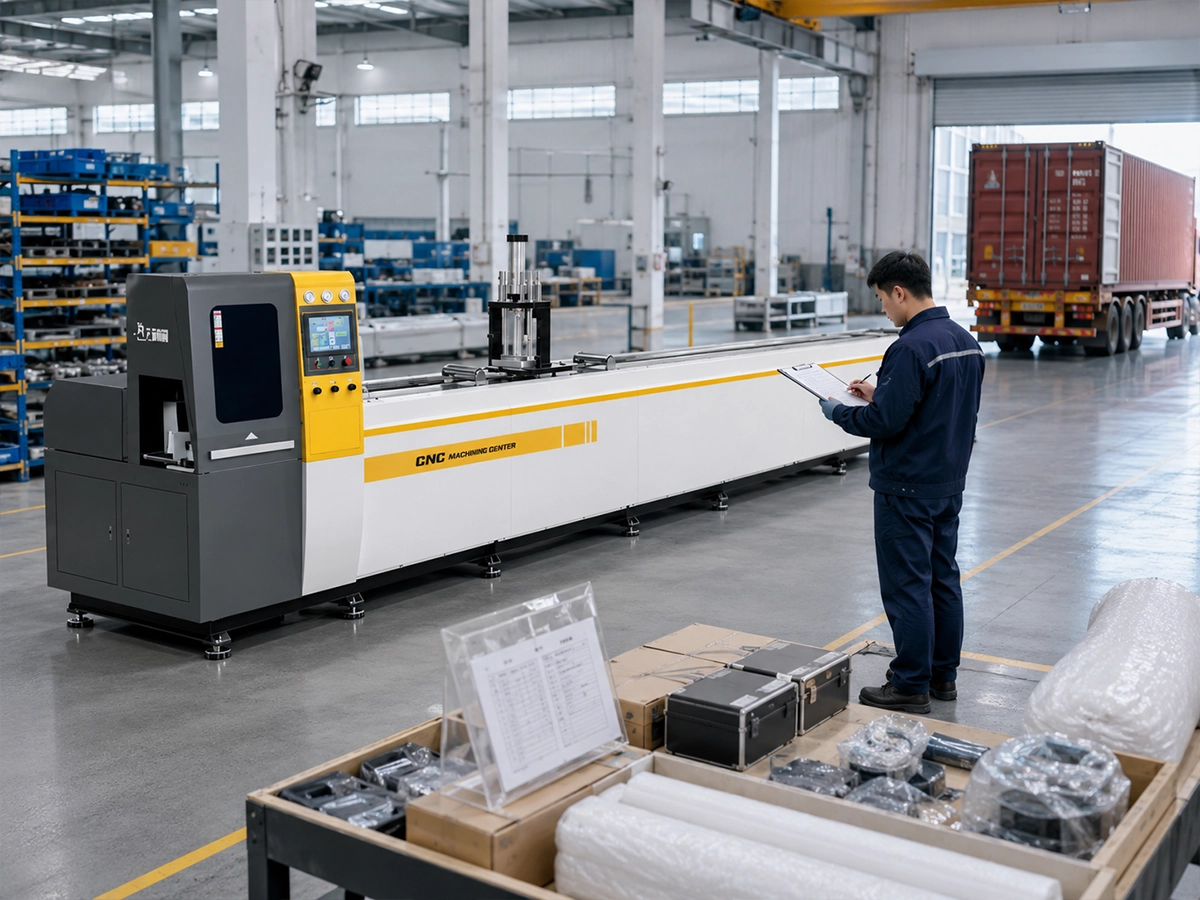
The photo below shows a machine and delivery preparation as a general illustration. It is not a financed machine, a specific contracted configuration or proof of any customer’s transaction.
Compare funding structures by rights and obligations
Asset finance can take different forms. The British Business Bank’s UK overview of asset finance distinguishes use of an asset under a lease from a hire-purchase route that may lead to ownership. The US Small Business Administration’s business guidance also frames a buy-versus-lease decision around upfront cash, maintenance, length of use and exit terms. These are examples of questions to ask, not universal definitions for a buyer in another country or substitutes for an actual agreement.
For each proposal, identify the legal owner during the term, who may use or move the saw, who must insure it, and who bears maintenance, damage and downtime risk. Check whether upgrades, relocation, a change in operating site or a sale of the business require consent. If there is a purchase option, record the trigger, price-setting method and deadline; do not assume an end-of-term transfer because a salesperson calls the arrangement “finance.” If the machine will be returned, determine who removes it, restores the site and pays transport or condition charges.
Request an itemized schedule of initial payment, deposits, periodic payments, fees, taxes where applicable, late charges, optional service and end payments. Compare the same payment dates and contract term. A smaller monthly figure may result from a longer term, an excluded accessory, a larger final payment or a different service boundary. The label on the agreement alone does not settle the total obligation.
Put cash timing beside real production timing
A saw may require a deposit well before productive use. Delivery, installation, utility readiness, operator training, trial production and the buyer’s own process approval can occur on different dates. Map the funding drawdown and first repayment to these milestones. Ask what happens if delivery moves, a site is not ready or the quoted technical package changes after finance approval. Record who authorizes each disbursement and what evidence is required.
Then build a conservative internal cash view using the buyer’s own approved orders and cost records. Include stock, blades, handling, energy, labor, scrap and maintenance where they actually change. Compare cash outflow under each financing structure against the same production scenario. Do not convert an untested vendor claim about speed, yield or accuracy into projected savings. A saw’s quoted feeding precision, where specified, is not proof of finished-part accuracy.
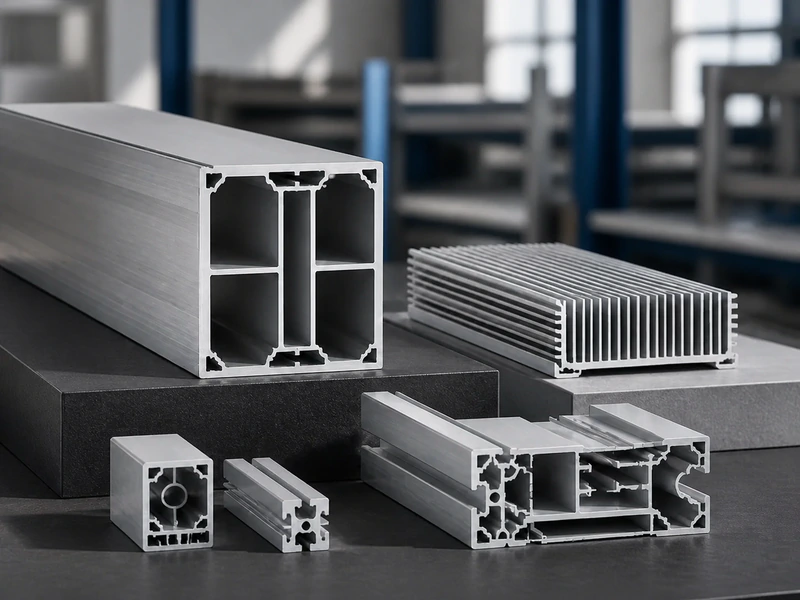
The material photo illustrates that the economics depend on the buyer’s actual stock and mix. It does not establish material savings, payback or suitability for a particular finance plan.
For an equipment-cost comparison independent of payment method, use a consistent total cost of ownership view. For the purchase amount at a common delivery point, reconcile the landed-cost basis before comparing funding quotes.
Separate disbursement from technical acceptance
Financial acceptance and technical acceptance are different events unless the actual agreements explicitly connect them. A lender may fund the supplier against shipment documents while the buyer still needs to verify the delivered configuration, installation and agreed sample-cut procedure. Write the milestones in a simple matrix: evidence, responsible party, approval authority and consequence of a failed or delayed check. Do not assume that withholding a technical sign-off automatically suspends repayment.
The technical protocol should name representative material and cut conditions, what is measured, who provides samples and measuring tools, how issues are documented, and what retest or correction process applies. It should distinguish the saw’s deliverables from downstream machining, surface treatment and assembly. Have the technical team approve the test plan before the funder treats a generic delivery note as proof of satisfactory production.
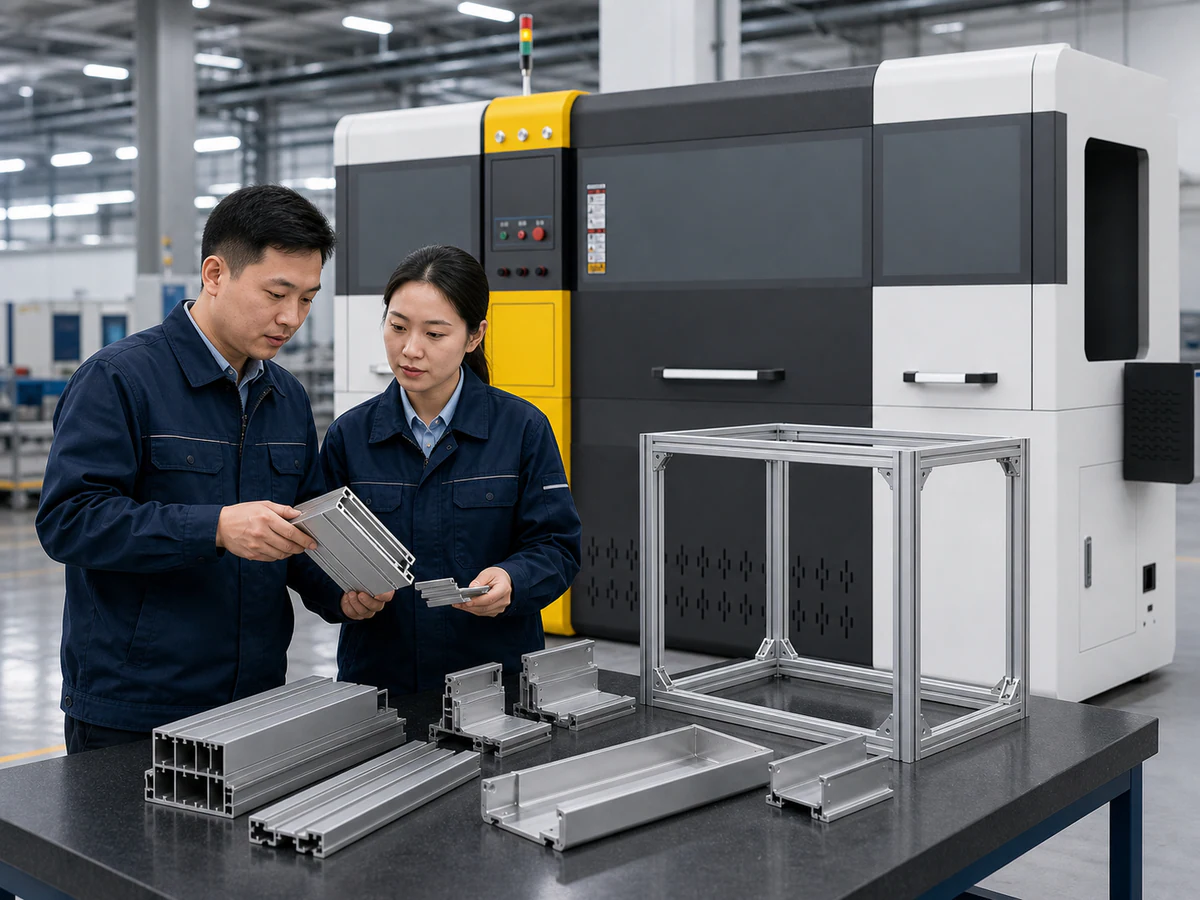
The image below illustrates people examining cut members near equipment. It is not a record of a financed transaction, an actual customer acceptance or any guaranteed cutting result.
Test changes, service and early exit before signature
A machine quotation can change when the buyer clarifies stock size, automation, layout or local utilities. Ask whether the funding approval covers the revised scope, whether the payment schedule resets and who pays any difference. Establish one version register linking the accepted quotation, purchase order, drawings, finance asset description and change orders. If two documents disagree, obtain a written correction before signing rather than relying on an email summary.
List service responsibilities for the full term. Who buys blades and other consumables? Who performs routine maintenance, responds to faults and pays travel or replacement parts? Is a service package included, optional or required by the lender? What records must the buyer retain to avoid a return-condition dispute? Separate warranty promises from maintenance obligations and from production-output assumptions.
Also model a downside case: slower order intake, delayed installation, a second-shift plan that does not happen, or a machine that no longer fits the product mix. Read the early termination, default, transfer, sale and end-of-term provisions with an adviser. Record the amount payable and the practical steps for each route. The purpose is not to predict failure; it is to understand the obligations that survive a change in the production plan.
Use a single comparison sheet for approval
For each finance proposal, create one row for the approved machine revision and record: asset description, all supplier and buyer-supplied items, term, initial cash, payment calendar, total contractual payments, end option, ownership and use restrictions, insurance, service boundary, disbursement trigger, acceptance evidence, change mechanism and exit terms. Leave blanks visible until the counterparties resolve them. Obtain comparable written quotations rather than comparing one detailed agreement with another provider’s headline monthly figure.
The procurement decision can then ask three separate questions: Does the technical package fit the released cutting work? Can the business carry the actual payment schedule under a conservative production case? Do the contract rights and duties match its operating plan? A finance package that answers only one is not ready for approval. A short-term cutting requirement may warrant a separate rental comparison; a replacement plan should also reconcile the outgoing asset and trade-in terms.
General equipment footage
The following video is from Jiurun Machinery’s own YouTube channel and shows general equipment footage. It is not evidence of a financing product, lender approval, a specific material or machine configuration, a customer transaction, a trial cut or any performance result described in this article.
Request the machine scope before comparing finance
Send JiurunCut a technical inquiry with the stock profile or plate details, cut list, batch mix, layout constraints and expected delivery destination. Ask for a written equipment scope and the sample-cut evidence you need. Take that same scope to the financing providers and your own professional advisers. JiurunCut does not state a financing rate, approval, tax outcome or payment commitment in this guide.