
An aluminum saw trade-in offer can make a replacement look inexpensive, but the quoted credit is only one part of the buying decision. The buyer must know exactly what new equipment is supplied, which old asset and accessories leave the site, when the credit becomes firm, and how production continues between removal and acceptance. A low net price can conceal an incomplete replacement scope or an early collection date.
This is a decision guide for a buyer considering a trade-in proposal from a supplier or dealer that actually offers one. It does not state that Jiurun offers trade-ins, values used equipment, or will take a particular machine. Ask the counterparty to confirm its own program and written terms before relying on any credit.
Compare the complete replacement job first
Define the production requirement independently of the outgoing saw. List the profiles, alloys, section sizes, cut-length and angle ranges, batch patterns, operator tasks, measurement method and accepted part criteria. Then specify the replacement machine, tooling, feeding and discharge equipment, controls, guarding, utility connections, training, documents, spare parts, shipment and installation responsibilities. A trade-in credit should not decide whether the new machine is suitable for the future work.
Ask for a gross new-package price before the trade-in adjustment and compare it with a separate non-trade-in offer on the same scope. Show freight, removal, rigging, commissioning, training and any taxes or fees as separate lines where relevant. This makes the real benefit visible and prevents a high stated credit from being offset by a different machine specification or omitted service. The aluminum saw replacement buyer guide covers the underlying machine choice.
Identify the outgoing asset without assumptions
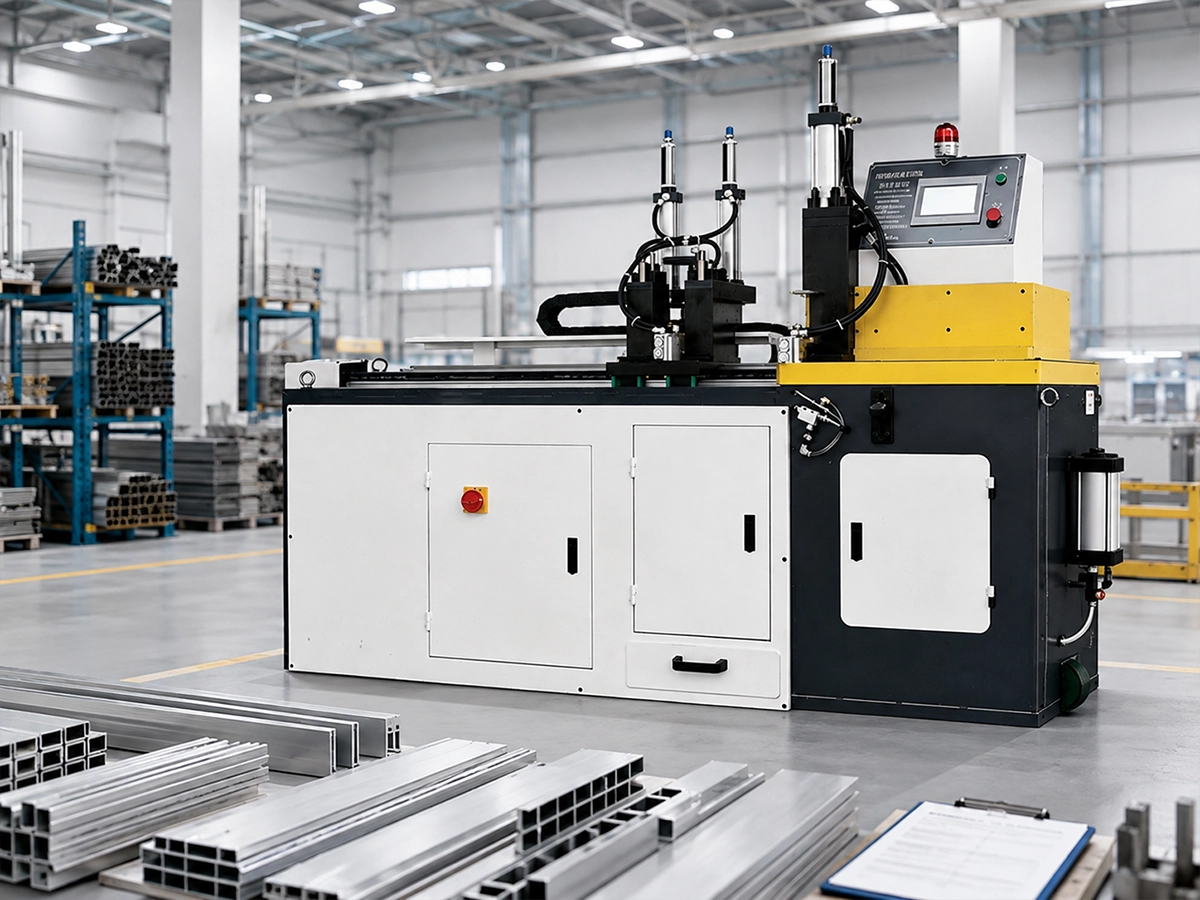
Record the machine maker and model as actually marked, serial number, ownership entity, location, year or service history if documented, and which accessories belong to the package. Photograph the complete machine and any removable feeder, roller table, dust system, blade stock, tooling, controls and documentation. List each item as included, retained by the buyer, or requiring a separate decision. A seller may value the saw head but assume the supporting equipment is included; the buyer may expect to keep it. Resolve that boundary before either party calculates a net deal.
Check legal title, any financing or lien release, data or program ownership, and local requirements for disposal or transport with the appropriate business advisers. Those are transaction-specific questions, not universal rules supplied by this article. If the old machine belongs to another company entity or a leasing party, an internal project approval cannot alone authorize transfer. Do not send control backups or customer programs with the machine until access and confidentiality are addressed.
The asset condition report should distinguish what was actually observed from what was reported by an operator. Note whether the machine can be inspected under power, what functions were demonstrated, visible wear, missing guards or components, maintenance records, and any known faults. A photograph of a clean exterior is not a functional acceptance test. Caterpillar’s public description of its used-equipment process is one example of why equipment condition and inspection matter when machines originate as trade-ins; it is not a valuation rule for aluminum saws or a description of a Jiurun program.
Separate provisional credit from confirmed consideration
Ask whether the allowance is fixed or provisional. If provisional, state the evidence used for the estimate, inspection location, permissible condition differences, who pays for inspection and transport, and the date and method for confirming the final credit. Record what happens if the machine differs from the disclosed condition or cannot be collected when planned. Do not treat a verbal estimate as a guaranteed deduction from the purchase price.
For a fair comparison, write the transaction as gross new-package price plus buyer-side transition costs minus confirmed old-asset consideration. Compare that result with keeping the old machine as backup, selling it separately, or retiring it without credit, if those options are actually available. The separate sale route may create extra work and timing risk; retaining it may consume floor space and maintenance effort. State assumptions rather than inventing an expected resale value. Obtain accounting and tax treatment for the buyer’s jurisdiction from qualified advisers before choosing a route.
Request an itemized written quotation: new equipment and services, old asset identification, provisional or final credit, inspection conditions, collection responsibility, payment milestones, and validity. If a credit is contingent on buying an upgraded package, record that dependency. Keep the transaction transparent enough that a procurement reviewer can reconstruct the net comparison from the documents.
Protect the production handover
Build a dated sequence for final orders on the old saw, stock or work in process, outgoing-machine disconnection, replacement delivery, installation, operator training, trial cuts and acceptance. The old machine may still be needed to protect customer commitments while the new one is installed. If collection must occur before the replacement is ready, identify temporary capacity through qualified internal equipment, approved inventory or a confirmed outside cutting route. Do not assume that a replacement’s quoted arrival date equals accepted production readiness.
Assign responsibility for each transition step. Who backs up programs and approved cut lists? Who isolates utilities and moves the old saw? Who prepares the floor and lifts the new machine? Who supplies material, drawings and measurement tools for the acceptance run? Who clears a failed trial? Put these in the project schedule with owner and evidence, not in an informal promise. The replacement transfer plan addresses order handover in more detail.
If the old saw’s accessories are retained to serve the new machine, check physical, electrical and safety compatibility on the actual configuration before pricing reuse. A roller table that fits a nominal width may still need changes to height, guarding or line control. If the outgoing machine must be complete for the credit, retaining an accessory may change the allowance. The trade-in and replacement scopes therefore need a single reconciliation sheet.
Inspect consumables and records without implying performance
Blade inventory, fixtures and software licenses can have different ownership or transfer rules from the saw itself. List them explicitly. A spare blade shown with an old machine is not proof of usable life or compatibility with the replacement. Ask for blade dimensions and application suitability from the chosen new-machine specification, and review tooling condition if it is part of the outgoing package. Preserve maintenance and fault records that the buyer needs, while agreeing what copies the recipient may receive.
Accept the new saw on its own criteria
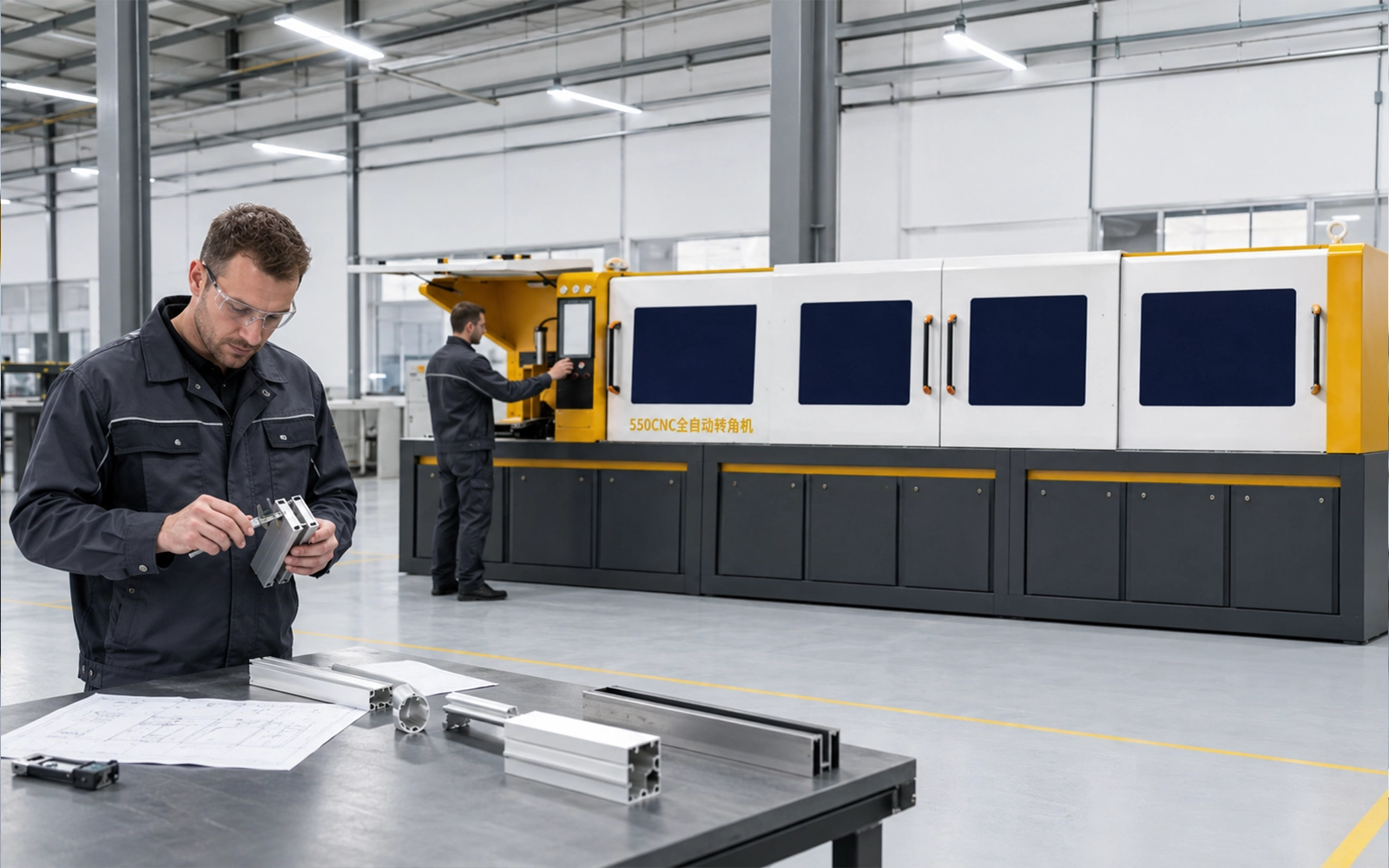
The outgoing asset credit and the new machine’s acceptance should have distinct evidence. A dealer’s collection of the old saw does not establish that the replacement can cut the buyer’s profiles, and a successful new-machine test does not determine the old-machine credit unless the written offer says so. Define representative parts, setups, measurement method, cycle or handling requirements where relevant, documentation and training deliverables, and a method for resolving deviations. Distinguish factory checks from site acceptance when utilities and upstream or downstream equipment affect the result.
Do not transfer a finished-part tolerance from a feed-positioning specification. Verify the part at the defined setup and measurement conditions. Any quoted output rate or scrap benefit should be supported by a test scope, or labeled as an estimate. If the trade-in is used to fund an upgrade rather than a like-for-like replacement, see the retrofit or replacement comparison for the future-job boundary.
General equipment footage
The following video from the Jiurun Machinery YouTube channel shows general saw equipment. It is a visual example only. It does not show an outgoing trade-in asset, a specific replacement configuration, a customer, a valuation, a trial cut for this purchase, or guaranteed performance.
A practical offer decision sheet
Before approving a combined offer, obtain written answers to six questions:
- Does the new equipment and service package satisfy the production requirement without relying on the credit?
- Which serial-numbered old machine and listed accessories are included or excluded?
- Is the credit fixed or subject to inspection, and who controls the final decision?
- What gross price, transition costs and net consideration apply under the same scope?
- When can the old machine leave without exposing customer orders to an unqualified gap?
- What independent evidence will close the new-machine acceptance and the old-asset transfer?
Hold the offer if either machine’s scope, asset ownership, inspection rule, price or collection timing is unclear. Accept only when the supplier’s written terms, buyer approvals and production transition line up. If no suitable trade-in route is available, compare the replacement purchase on its own merits rather than treating a hypothetical credit as funding.
To discuss a new aluminum saw package, contact Jiurun with your profile drawings, part requirements, target schedule and current equipment interfaces. If you also want to explore an outgoing-machine arrangement, ask explicitly whether the relevant seller offers one and request its written terms. Do not assume a program exists from this general guide.
Sources and scope
- Caterpillar: Know Your Sources — an example showing that used-equipment and trade-in condition can require inspection; not a Jiurun policy or saw valuation formula.
- NIST MEP: A Manufacturer’s Pre-Purchase Guide for Equipment — general equipment-purchase planning context.
The decision questions are general purchasing guidance. The actual quotation, accepted terms, local law and qualified technical or financial advice govern the transaction.