
Aluminum forging describes a manufacturing route. An order still needs to say what the supplier will deliver: starting stock, a forged blank or a component with the specified machining completed. Those stages belong on separate lines in a purchasing file.
Start by naming the delivered item in plain language. “Aluminum component” is too broad if one supplier prices a blank and another includes holes, finished faces and inspection. A clear stage description makes the offers easier to read before any price comparison.
This guide follows a fictional bracket project through four order checks. It provides a purchasing structure; the responsible design and manufacturing teams must approve the actual material, process and component.
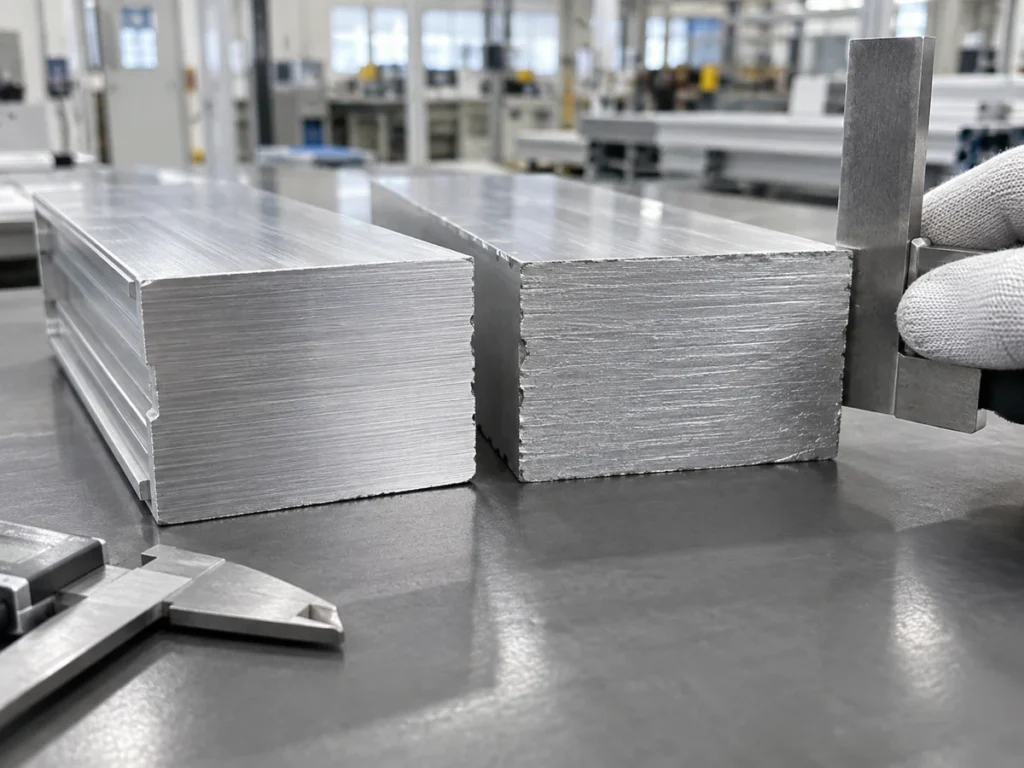
Aluminum forging processes: what does the label tell you?
The Aluminum Association’s Processing 101 describes open-die aluminum forging with flat dies that have no precut component profile. In impression-die, or closed-die, forging, shaped dies restrict metal flow as the stock deforms. Its rolled-ring description starts with a ring preform, which rollers work toward the required wall thickness and height.
These are process descriptions. They do not supply a universal allowable load, forging temperature, part tolerance or minimum order quantity. Request the supplier’s proposed route for your drawing.
| Process named in the offer | Original document question to ask |
|---|---|
| Open-die | Which blank shape and delivery stage are being quoted? |
| Impression-die | Which tool and component drawing revision define the offer? |
| Rolled-ring | Which supplied ring drawing accompanies the final component drawing? |
Check 1: separate the stock order from the forging order
Imagine bracket project F27, revision B. The team needs 40 finished brackets. The number is invented for this example and is not a JiurunCut order or production recommendation.
The purchasing file contains a stock proposal and a forging proposal. A third company has offered to machine the brackets. Put the supplier and delivery stage beside each line so the three quotations can be reviewed as one proposed route.
- Stock line: the identified incoming material and supplied form.
- Forging line: the agreed forged blank drawing and delivered quantity.
- Machining line: the operations required to reach the finished bracket drawing.
Do not assume that 40 pieces at every stage will produce the required 40 accepted brackets. Ask the responsible suppliers to state the quantities they are quoting and the treatment of any trial or approval pieces. Use their project-specific agreement instead of adding a made-up universal allowance.
If a saw operation appears in the stock preparation proposal, give it its own defined blank requirement. State the stock form, required cut dimensions and the receiving supplier’s acceptance reference. Keep that requirement distinct from the final bracket drawing.
The extrusion billet guide concerns a different stock and process context. Similar terminology should not make its order requirements automatically applicable to a forging proposal.
Check 2: connect material documents to the supplied stage
For aluminum forging procurement, keep the specified material designation and condition visible on each relevant order. Ask each supplier to identify the specification it is using and the document it will provide for its delivery.
A stock certificate, a forged-blank delivery record and a finished-component inspection report should have identifiable roles. Label them according to what they actually establish. Do not rename the original stock document as a finished-part acceptance report.
In the fictional F27 file, give the three delivery stages separate document entries. Link the incoming material record to the stock receipt. Link the blank record to the forging shipment. Link the final inspection record to the finished bracket delivery. The responsible team can then review the evidence without guessing its stage.
If a supplier proposes an alternative material or condition, preserve that proposal for design review. Keep the originally requested designation in the comparison sheet until an authorized revision replaces it. A purchasing summary should show the open decision clearly.

Check 3: keep blank and finished drawings together
The fictional bracket’s final drawing shows finished holes and locating faces. The forging supplier’s blank drawing is a separate document. Have the suppliers identify which drawing governs each delivery and which features remain for the next operation.
Make a simple drawing pair: the supplied blank on one side and the required finished component on the other. Mark the relevant revisions, and list the open features below. This avoids using a final render as an informal substitute for the supplier’s blank definition.
Request the proposed stock-removal and locating plan from the responsible manufacturing team where it affects the offer. Ask which faces are supplied, which are finished later and which reference is used to inspect each delivery. This article supplies no universal machining allowance.
If the design changes a hole position after the blank is approved, ask both suppliers what that change affects. Record their replies against the changed feature. Do not assume that an unchanged overall length means the existing blank and tooling are still approved.
The separate machining allowance guide helps organize blank discussions. Keep the actual values and approval responsibility with this project’s drawings.
Check 4: read the completed delivery scope beside the price
Suppose offer A supplies 40 forged blanks. Offer B supplies 40 machined brackets with an agreed inspection record. These fictional offers cannot be compared by unit price alone because the supplied stages differ.
Ask offer A to identify the remaining work and its responsible supplier. Ask offer B to identify the finished drawing, inclusions and exclusions. Then compare the defined final delivery rather than treating both lines as identical brackets.
Keep any tooling charge separate from the recurring part price. Record the supplier’s stated tool ownership or use terms, revision coverage and approval procedure. A general process overview does not establish the commercial terms of a particular forging shop.
Add the agreed packing and identification requirements. Keep the delivered quantity, component identity and document reference readable at receipt. If several stages are shipped between different suppliers, say who receives each shipment and how that receipt is linked to the project file.
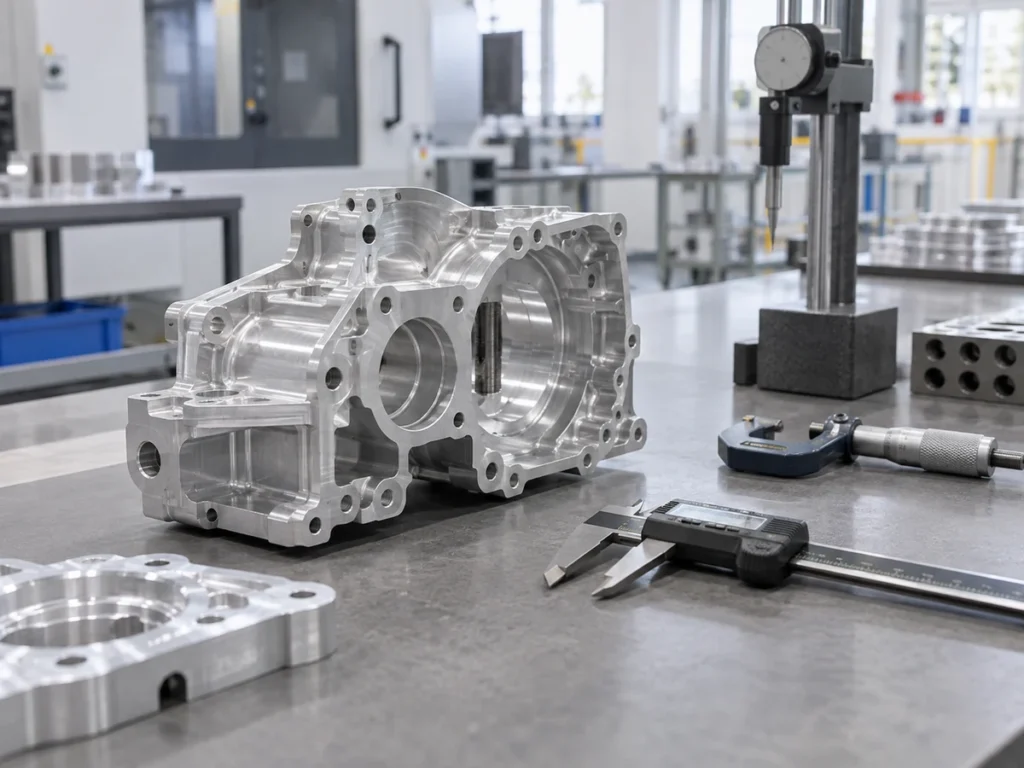
Close the file with a clear handoff
Before ordering, collect the approved route, material requirements, supplied blank drawing, finished drawing and written quotation scope. Each open question should have an owner and a recorded answer. Keep proposed changes identifiable until the relevant team approves them.
If the project includes cutting incoming aluminum stock, send JiurunCut the supplied section or form, its documented condition, the blank dimensions and the quantity pattern. Attach the receiving process’s requirements so the cutting review addresses the right delivery stage.
Discuss the stock-cutting requirement with JiurunCut. Identify the forging and machining suppliers’ open requirements in the inquiry. The cutting-machine discussion can then focus on the defined blank preparation task.