
Climb milling vs conventional milling describes the relationship between cutter rotation and feed at the cut. It does not describe whether the machine head moves vertically. For an aluminum component, use the terms to clarify the proposed machining operation, then assess the actual setup and finished requirements.
A supplier may mention climb milling when explaining a side-wall finish or a machining trial. That is useful process information. It is still only one part of the route, alongside the tool, incoming blank, holding arrangement and inspection.
Climb milling vs conventional milling in plain language
Harvey Performance’s comparison calls climb milling “down milling” and conventional milling “up milling.” It distinguishes feed with the cutter’s rotation from feed against it.
Its explanation describes a chip beginning thicker and becoming thinner in climb milling; the conventional case starts thin and grows thicker. It also identifies machine backlash as a reason the direction choice needs a machine-specific review.
Those names belong to the cutting relationship. If the drawing or screen view is unclear, ask the machinist to show the tool rotation, feed and engaged side together. A lone clockwise arrow does not identify all three.
Check 1: identify the operation being discussed
Start with the feature: a side wall, a mounting face, an opening or another named area. Ask which pass the supplier means. “We use climb milling” can be too broad if the component passes through several tools and setups.
Keep roughing and finishing descriptions attached to their own stages. A statement about an earlier pass should not be treated as a description of every finished surface. The offer should make the required completed features clear.
For a process illustration, request a marked view that shows the cutter and material at the relevant engagement. The reviewer needs to know what the arrows represent: tool motion, workpiece feed or rotation. Do not infer the operation from the orientation of the screenshot alone.
A machining plan can contain different strategies for different features. Ask the specialist to explain the actual choices where they affect the requested trial or delivered condition. The purchasing team does not need to prescribe a toolpath for every edge.
Also separate milling from blank sawing. A circular saw that divides an extrusion and a milling cutter that produces a local face have different tasks. The terms in this guide should not be copied into a saw order as a general cutting instruction.
Check 2: review the proposed machine and holding arrangement
Harvey’s discussion notes that climb milling on a machine that does not counteract backlash can create a breakage concern during engagement. Backlash is play in the machine’s motion arrangement; the proposed method must suit the actual equipment.
Ask the machining team to review the machine condition, tool holding and workpiece support together. A quotation labeled “CNC” does not document that review. Keep any unresolved equipment limitation visible before approving a trial.
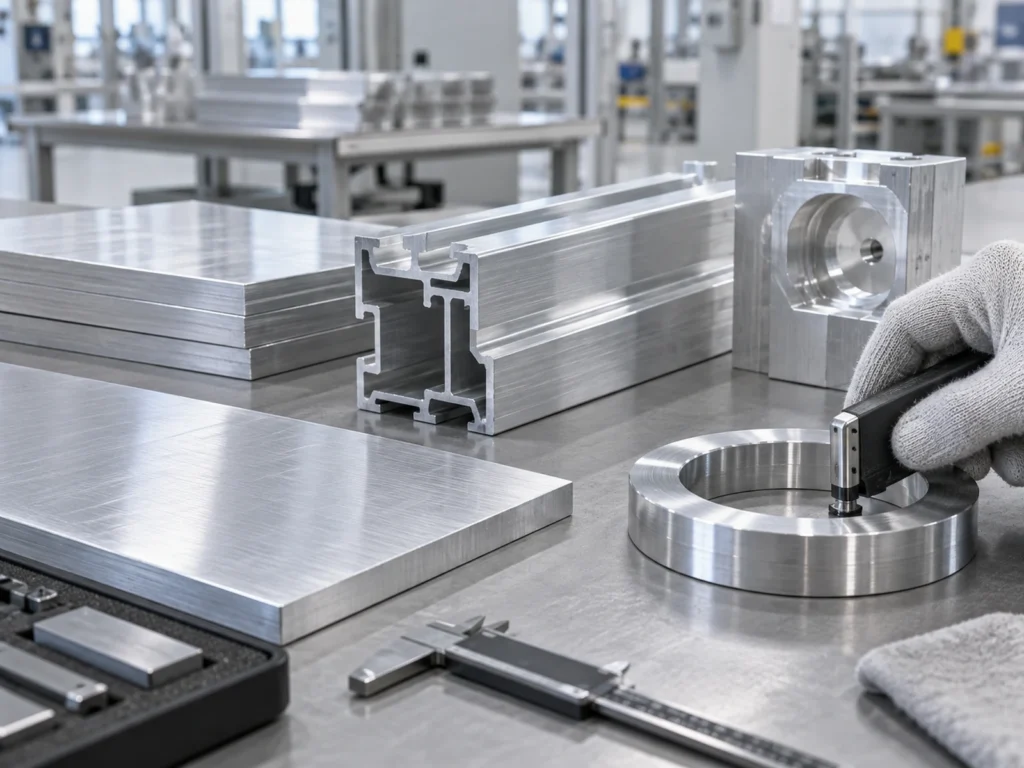
Describe the incoming aluminum shape accurately. A thick block, a thin rib and a hollow extrusion are different starting geometries. Send the section and part drawings so the specialist can assess the actual material around the feature.
Include surfaces that must remain visible or undamaged. Show where clamping marks are restricted and where support is available under the approved setup. Do not turn a generic photograph into a fixture design or an assurance that a thin section is supported.
Keep tool selection and operating parameters with the machining specialist. This comparison supplies no speed, feed, depth, clamping force or machine adjustment. A directional label is not enough information to select those settings.
Check 3: specify what the completed surface must do
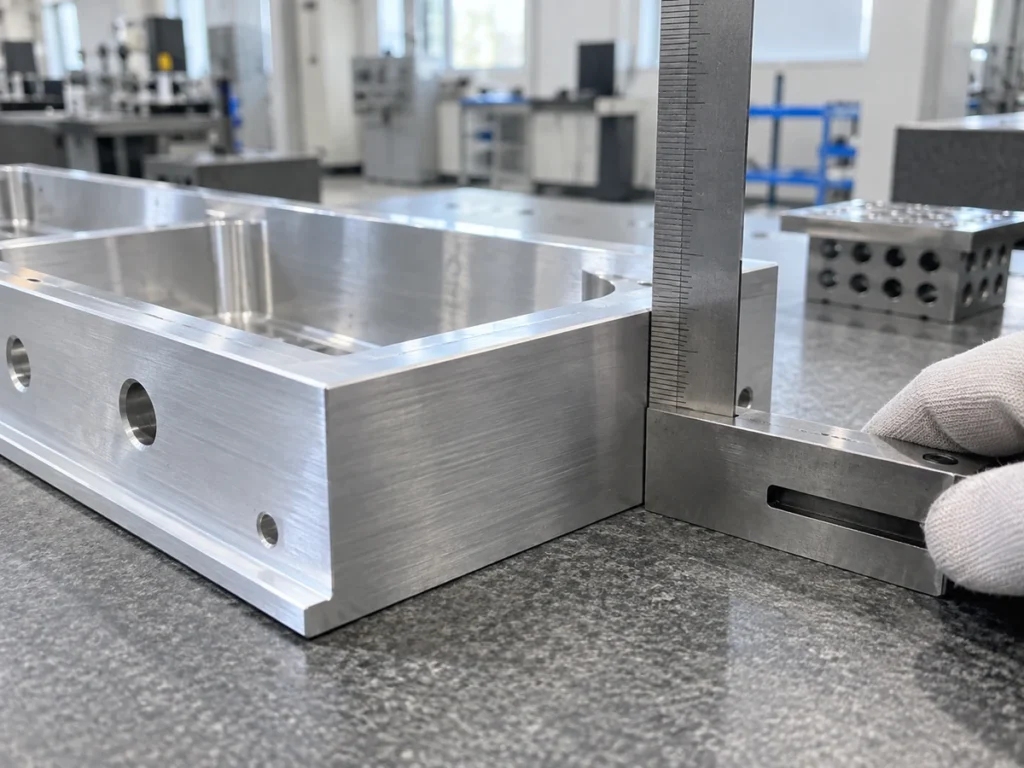
Before a trial, identify the feature’s purpose. A face that locates another component may have a geometric requirement. A sealing surface may have a separately defined finish requirement. An appearance face may have its own agreed visual acceptance.
Send those requirements to the supplier instead of accepting “climb milled” as the finished specification. The process description should explain how the supplier proposes to make the part; the drawing and inspection plan define the required result.
Where roughness matters, use the surface roughness guide to keep the parameter and evaluated surface explicit. A bright photograph or an appealing toolpath preview is not a measured roughness report.
For geometric relationships, keep the relevant references and delivery stage clear. Measuring an incoming blank does not establish the dimensions of a later milled feature. Connect each record to the condition that was actually inspected.
A short quotation conversation
Consider an invented aluminum housing with a controlled mounting face. Offer A says “climb finish milled.” Offer B says “milled to drawing, inspection included.” The two phrases provide different information; neither is a complete scope comparison by itself.
Ask A to identify the finished requirement and included inspection. Ask B to identify the covered features and any unresolved process assumptions. Give both suppliers the same drawing revision and incoming material definition.
Keep the replies attached to the offer. The goal is a comparable delivered part, not a competition over a method name. If a trial is proposed, agree its representative feature and evaluation criteria before it starts.
Keep the blank handoff simple
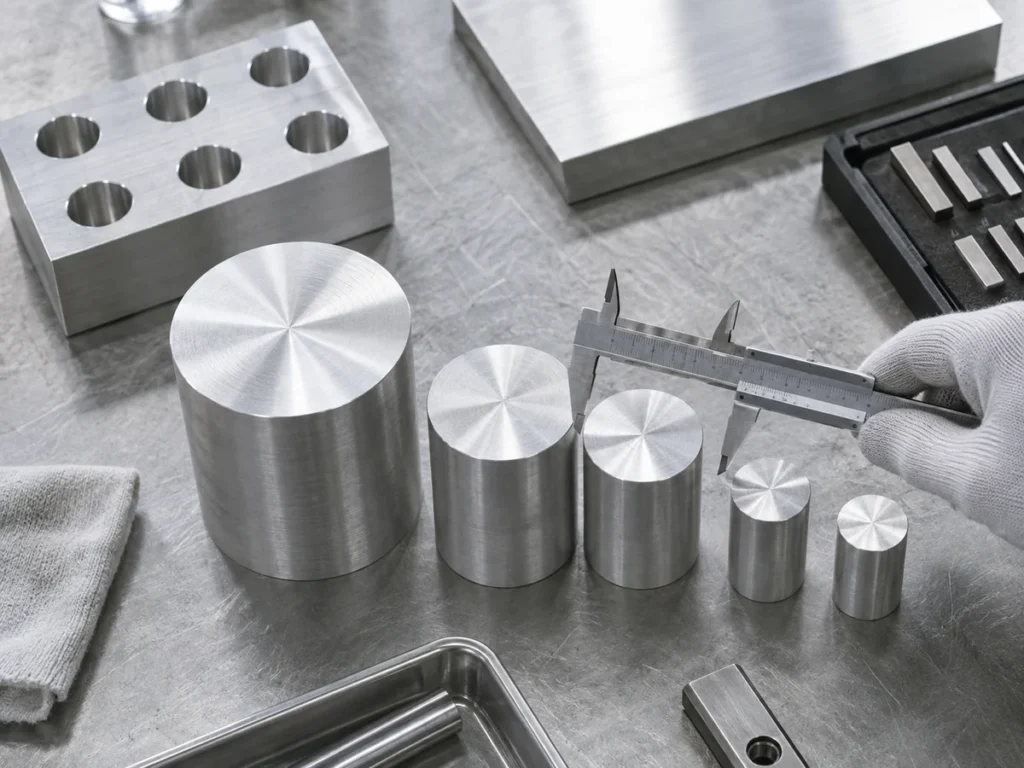
If JiurunCut is reviewing the saw stage, send the blank dimensions, section drawing and quantities. Include any approved material retained for subsequent machining. Our machining allowance guide separates the delivered blank from the final part.
State who owns the later milling operation and its inspection. This keeps the cutting proposal focused on its agreed output while giving the receiving specialist enough context to review the blank.
Questions buyers often ask
Does down milling mean the tool moves downward?
The name refers to the rotation/feed relationship described above. Identify the actual operation rather than interpreting the name as a vertical motion command.
Does a climb-milling statement prove the surface passes inspection?
No. Request the evidence required by the drawing and agreed inspection plan. Keep process description and acceptance result identifiable as separate entries.
Can a buyer choose the direction from this article?
The machining team must review the real machine, material, feature and setup. The climb milling vs conventional milling comparison helps frame that conversation.
Send JiurunCut your cutting-stage drawings with the downstream machining handoff clearly identified.