
Aluminum fatigue strength needs a stated loading condition, material condition and evidence basis. A tensile-strength figure alone does not answer how an aluminum component will behave under repeated loading.
When comparing cut profiles, brackets or frame members for a cyclic application, give the responsible engineer a complete description of the part and its use. Ask suppliers to identify what their supporting data actually represent before treating those data as an acceptance claim.
On this page
Why aluminum fatigue strength needs its own review
TWI’s fatigue-testing explanation says fatigue failure can occur under fluctuating loading below a metal’s yield point and below the allowable static design stress. It also describes local stress increases at changes in section or notches.
TWI explains that testing across different stress ranges can generate an S–N curve, relating stress and cycles to failure. It identifies variations in loading, direction, environment and component shape as factors affecting fatigue life.
The purchasing implication is straightforward: identify the conditions behind a result. Do not replace a component review with an isolated strength number or an unsupported claim of unlimited life.
For the separate meaning of static material properties, read our tensile versus yield strength guide. Keep the requested fatigue evidence explicit in the RFQ.
Five details to include before asking for a quotation
1. The part and drawing revision
Identify the finished component, its orientation in the assembly and the current drawing. Include the locations of holes, joints and section changes that the responsible engineer needs to review.
State whether the quotation concerns stock, cut blanks or an assembled component. Give every supplier the same deliverable definition so their proposed evidence can be compared on a common basis.
2. The material and manufacturing condition
Request identification of the alloy, temper and relevant manufacturing stages. Separate the supplied stock condition from the condition after machining, joining or finishing.
If a report evaluates a different condition, ask the reviewer to explain its relevance. Keep any unresolved difference visible in the quotation review instead of treating the report title as sufficient.
Our material certificate checklist helps keep stock identity traceable. A certificate’s listed material properties still need to be matched to the particular information the project requires.
3. The repeated loading description
Ask the project engineer to describe the intended loading pattern and service requirement. Keep the loading direction, relevant repeated events and assumptions visible in the technical inquiry.
If a supplier proposes a test, ask how that test relates to the described use. Record whether the comparison concerns material characterization or performance of a particular component.
Do not invent a cycle count because a blank spreadsheet field needs a value. An unresolved loading requirement is a technical question to close before acceptance.
4. The specimen or component being evaluated
Ask whether the evidence comes from a prepared material specimen, a representative joint or the actual component arrangement. Identify what the sample includes and what it excludes.
A useful review can connect the specimen identity to the relevant drawing and material records. If the specimen omits a joint or other feature central to the application, ask the responsible reviewer how the evidence will be used.
5. The report and acceptance requirement
Request a report that states the test method, loading conditions, termination or failure criterion and reported outcome. Ask the laboratory or responsible engineer to identify the limits of the evaluation.
Place the buyer’s acceptance requirement beside the report. This allows the purchasing team to see which requirement has been evaluated and which questions remain open.
Keep the engineering disposition separate from the supplier’s general product description. Record who reviewed the evidence and which component revision that review covers.
Compare two evidence packages without guessing
The following examples are hypothetical purchasing cases, not JiurunCut test reports or customer results.
| Evidence offered | Next review question |
|---|---|
| A material sheet with tensile properties | What supports the repeated-loading requirement for this component? |
| A fatigue curve with identified specimen and conditions | How do those conditions represent the offered part and intended use? |
| A component report tied to a drawing revision | Does its loading case and acceptance basis address the current application? |
The package with more pages is not automatically the more relevant one. Ask for a clear relationship between the report, supplied configuration and agreed requirement.
Keep unexplained differences on an open-question list. Resolve them with the responsible technical reviewer before the purchasing record describes the part as approved.
Check the scope of the cited test method
The public abstract for ISO 1099:2017 describes axial, constant-amplitude, force-controlled fatigue testing of metallic specimens at ambient temperature, without deliberately introduced stress concentrations. It concerns fatigue information relating applied stress to cycles to failure for a stated material condition at different stress ratios.
That abstract explicitly excludes component testing and other specialized forms of testing. A reference to this document therefore needs a clear explanation of what was evaluated and how the results relate to the component.
As checked on October 1, 2026, ISO lists the 2017 edition as published with a revision under development. Ask the laboratory to identify the applicable edition and complete method. This guide uses the public scope, not the full paid procedure.
TWI’s fatigue laboratory overview distinguishes constant and variable amplitude testing and describes tailored component testing. This illustrates why the evidence request should identify the type of evaluation needed.
Connect the cutting handoff to the approved drawing
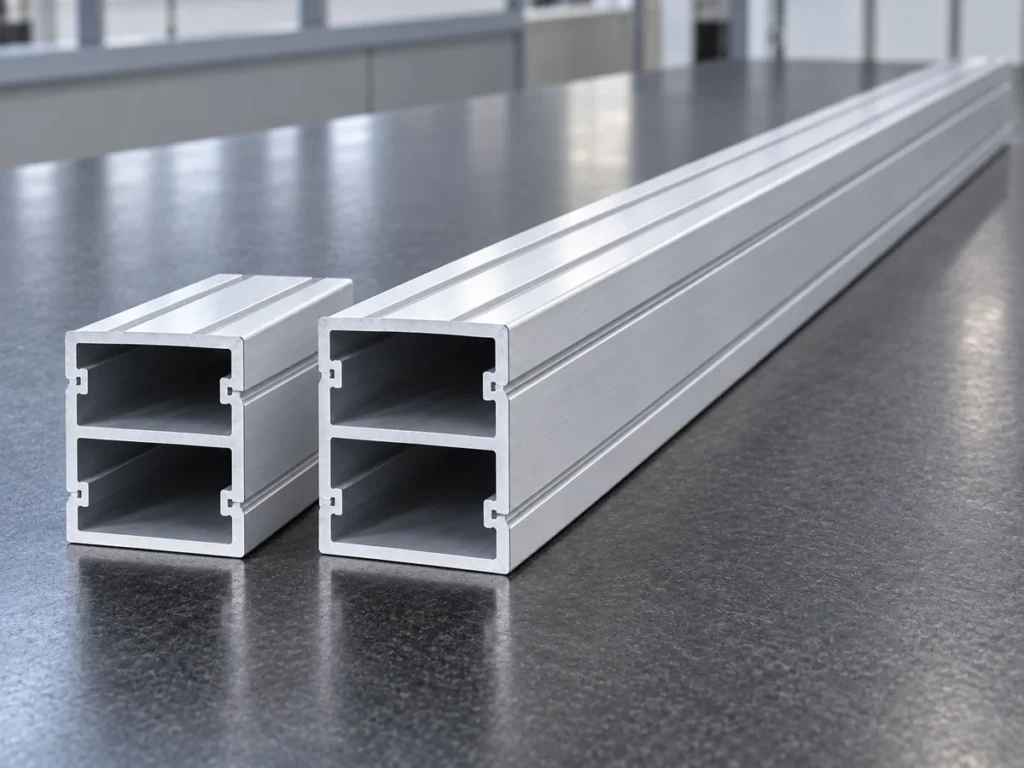
For the cutting inquiry, provide the stock identity, part lengths, orientation, quantities and drawing revision. Include any specified handling and edge requirements so the processed blanks can be checked consistently.
Keep the cutting acceptance record focused on its agreed dimensions and condition. Our first-article inspection guide helps organize that record.
When the next operation includes welding, also identify the applicable joint and process requirements. Our heat affected zone guide explains which material-condition questions belong in that handoff.
Send JiurunCut your profile drawing and cutting requirements to discuss the cutting arrangement. Keep the engineer’s fatigue requirements attached to the project record so the procurement team can coordinate the separate reviews.
Questions buyers ask
Can tensile strength stand in for fatigue evidence?
No. Ask for information addressing repeated loading and the relevant configuration rather than treating a static material property as a life prediction.
Does a material specimen report approve the complete assembly?
It needs a technical review of relevance. Identify which features and loading conditions the report represents before recording assembly acceptance.
Who should define the acceptance requirement?
The project’s responsible technical authority should define the requirement and review the supporting evidence. Purchasing should keep those decisions traceable to the supplied revision.