
A 6060 vs 6063 aluminum comparison starts with the application, then the complete material condition. Both names appear in extrusion sourcing, but a shared profile shape does not make them interchangeable. Compare the specified temper, property requirements, visible finish and delivered documentation before approving a change.
For a cutting project, keep the approved alloy designation attached to the section drawing and sample stock. The material choice and the saw acceptance review are separate decisions.
Start with these distinctions
- General alloy characteristics guide an initial conversation; they do not approve a finished component.
- Temper and wall thickness matter when reading mechanical-property tables.
- A substitution needs a recorded decision from the person responsible for the material specification.
On this page
6060 vs 6063 aluminum: define the selection priority
Hydro’s EN AW-6060 datasheet describes an alloy suited to decorative anodizing and appearance-sensitive extruded products. Its general description places strength below 6063. Listed applications include architectural profiles, furniture and heat sinks.
Hydro’s 6063 overview also discusses architectural and visible profiles. In its comparison, 6063 favors strength while 6060 favors demanding surface-finish requirements. These are broad selection descriptions; they do not establish an acceptable load or finish for your part.
Turn the application name into a specific requirement. For a visible frame, identify the surfaces customers see and the approved appearance reference. For a component that carries load, send the governing design requirement to the responsible engineer. For a machined blank, identify the later work and the required supplied condition.
In a 6060 vs 6063 aluminum review, a supplier cannot resolve those priorities from “window profile” or “furniture rail” alone. A concealed member and an exposed decorative trim can belong to the same assembly while having different acceptance needs. State which requirement governs each part number.
Check 2: compare the complete material condition
Write the alloy and temper together. An offer marked EN AW-6060-T6 and one marked EN AW-6063-T5 differ in both fields. If you compare them only by the four-digit alloy number, you can miss the more immediate question: whether either offer meets the approved material specification.
The 6060 datasheet separates mechanical properties by temper and wall thickness. In its T6 rows, minimum tensile strength is 190 MPa for walls up to 5 mm and 170 MPa for walls above 5 mm through 25 mm. The sheet also explains how a section spanning thickness groups is treated. Read that qualification with the table.
Those figures are manufacturer-datasheet values for the stated extruded-profile conditions. They are not a JiurunCut test result, a component load rating or permission to redesign a part. The cited sheet is revision 4, dated March 2023, and references a particular standard edition; confirm the requirements applicable to the current order with the material supplier.
The practical lesson is simple: “6060-T6 strength” is an incomplete table reference. Record the product form, relevant thickness range, property being compared and source revision. Do the same for the proposed 6063 material before making a side-by-side engineering comparison.
Do not replace a required minimum with a typical figure from another brochure. Ask the supplier to identify whether its number is a specified minimum, a typical value or a test result tied to the delivered lot. Our T5 versus T6 buying guide explains why the suffix needs its own review.
Check 3: review the visible result on the intended part
Define what a customer will inspect. Include the visible faces, the finish process specified by the drawing and the reference used for comparison. A broad statement about anodizing suitability does not establish the accepted shade, gloss or surface condition for a particular delivery.
Keep material identity and appearance evidence together. If a sample was approved in one alloy and the production offer proposes another, ask whether the appearance review needs to be repeated. Make the scope of that review clear rather than treating a photograph as universal finish approval.
A sample label should identify the part or section, supplied material condition, finish reference and approval status. The label connects a physical sample to the purchasing record. It prevents an attractive but unidentified piece from becoming the standard for an unrelated batch.
For stock finished before sawing, identify the visible sides and the expected cut-end condition separately. For stock finished after cutting, state what the saw operation must deliver to the next process. The customer may judge the broad face and the exposed end differently.
Check 4: control a proposed alloy substitution
An offer of an alternative material is useful information. It is not an approved drawing change. Give the proposal a clear status: submitted for review, approved with conditions, or declined. Record who made that decision and which part numbers it covers.
Ask the supplier to state the proposed alloy and temper in full. Include the reason for the proposal and the product it can actually supply. Avoid phrases such as “equivalent aluminum” unless the approving person has defined exactly what equivalence means for this component.
The review should cover the requirements affected by the change. That may include material properties, appearance, later processing and the documents needed for receipt. Do not presume that a familiar extrusion designation clears every requirement at once.
After a 6060 vs 6063 aluminum substitution is approved, update the purchasing record and sample identification together. The quotation, order, supplied lot and cutting brief should point to the same decision. Our material-certificate guide helps organize the delivered evidence without turning an alloy name into a claim of certification.
A quotation example: similar profiles, different approval status
This fictional example shows a purchasing review, not a material recommendation. Drawing V-19 revision C calls for 60 visible rails in EN AW-6060-T6. Two suppliers quote the same nominal section and cut length, but their material fields differ.
| Quotation field | What the buyer records |
|---|---|
| Offer A | EN AW-6060-T6 is stated. Request confirmation of the complete drawing and delivery requirements. |
| Offer B | EN AW-6063-T5 is proposed. Mark the alloy and temper change as pending review. |
| Shared dimensions | Matching nominal section and length do not close the material difference. |
| Release decision | Record the authorized material decision before treating either quotation as an approved production order. |
Offer A repeats the specified designation, but the buyer still needs the supplier’s complete confirmation. Offer B needs an explicit substitution decision. Neither quotation is accepted merely because its description contains a familiar alloy or the same dimensions.
If the alternative is approved, identify whether the existing appearance reference still applies. If it is not approved, keep the original material requirement intact. In either case, the drawing revision and decision record should explain what the cutting sample represents.
Prepare the cutting review after the material decision
Send JiurunCut the approved material designation, section drawing, stock dimensions, finished-part drawing and batch information. Add the visible-face and cut-end requirements. If any material field remains unresolved, identify it as an open item.
Use representative material for the proposed cutting review and keep its identity attached to the samples. A sample cut on one supplied condition should not silently become acceptance of another material condition or a changed section.
Ask how the finished length, end condition and handling marks will be reviewed. Keep the recorded material decision alongside those checks. The cutting-traceability guide explains the links between stock, samples and finished batches.
To start a review, send the drawing and approved material brief to JiurunCut. Describe the cutting task clearly so the equipment discussion begins with an identified job rather than an unresolved alloy choice.
Buyer questions
Are 6060 and 6063 the same alloy?
No. Treat them as different material designations. If a supplier proposes one in place of the other, request a defined substitution review against the component requirements.
Is 6063 always the better choice?
An overall ranking is not a component specification. Define the governing material, appearance and processing requirements, then compare the actual supplied conditions with the responsible designer and material supplier.
Can I identify the alloy from a silver-colored profile?
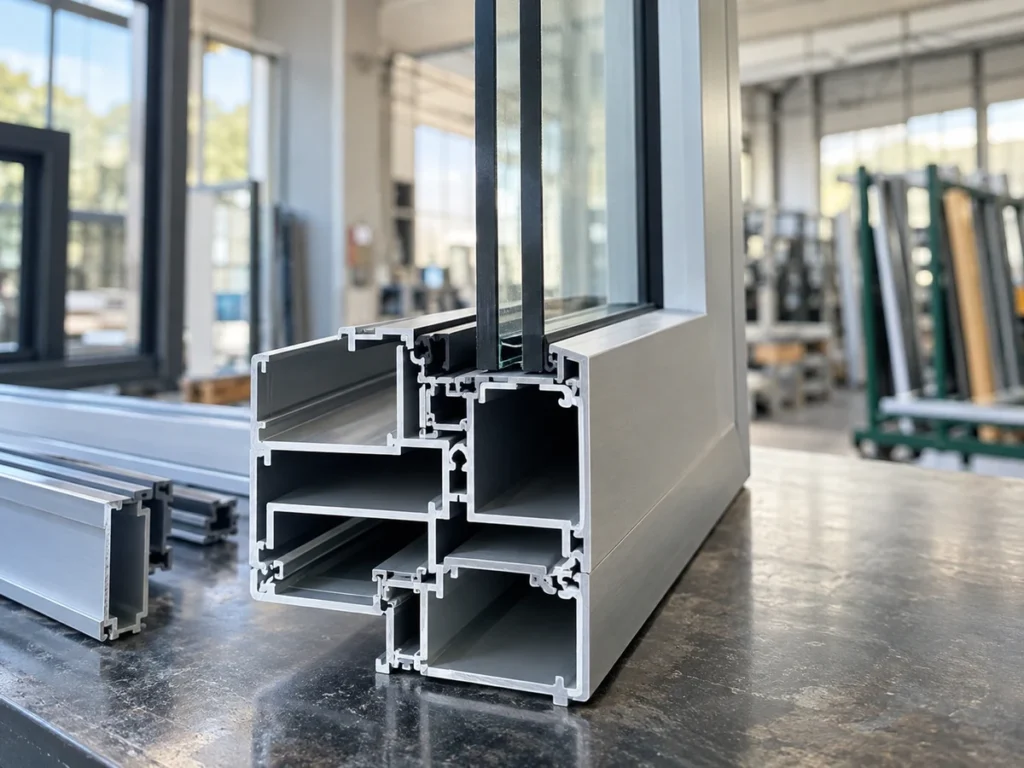
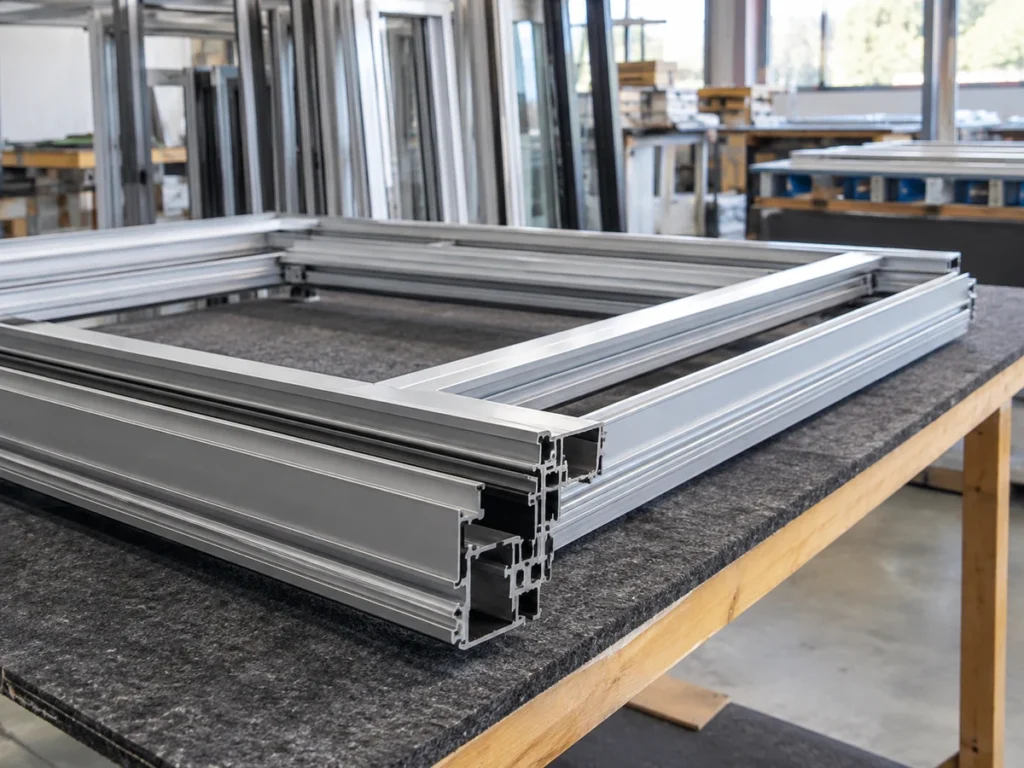
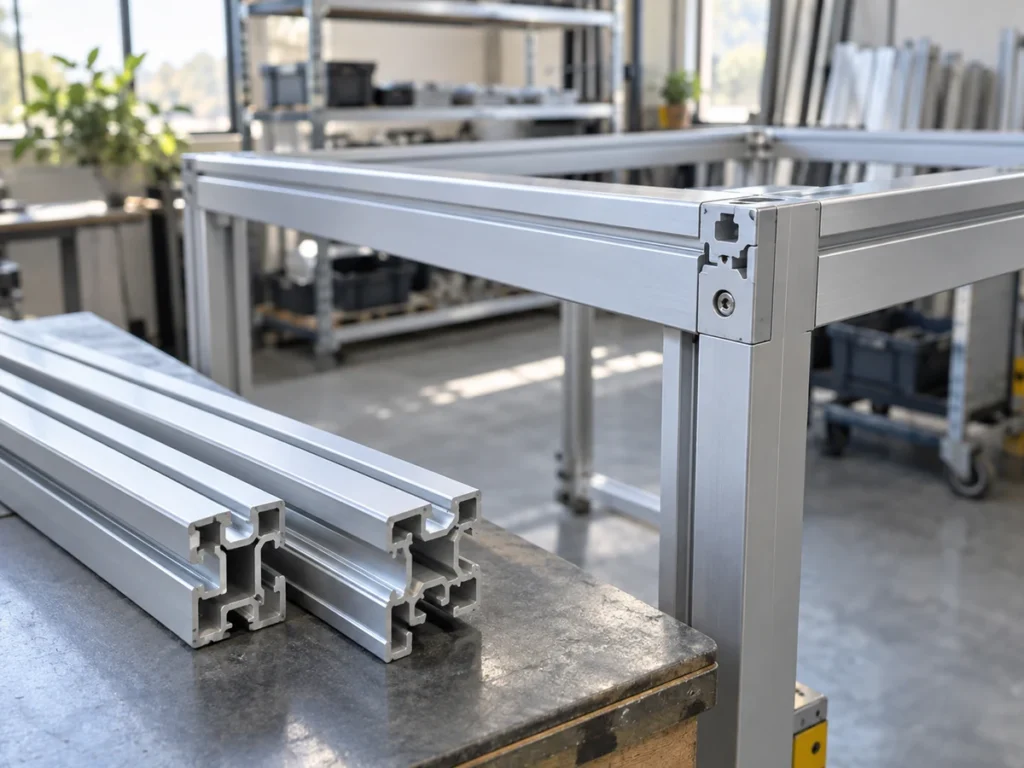
Use the material record and required delivered evidence. The illustrations on this page show geometry and visible faces; they do not establish alloy identity or temper.
Does a good saw cut prove that a substitution is acceptable?
It establishes only the cutting results actually checked under the recorded conditions. Material substitution and component acceptance require their own authorized review.