
Aluminum soft jaw blanks need a clear purchase scope. A piece cut from raw stock, a jaw with its mounting interface prepared and a jaw machined for a particular workpiece are different deliverables. Agree which stage you need before comparing quotations or choosing a cutting process.
This guide covers five buyer checks for preparing the aluminum material used in a proposed jaw project. It helps organize the cutting inquiry and the handover to further machining. The final jaw design and its suitability for a particular workholding system need their own approved engineering review.
Define the stage before comparing the offer
- State whether you need raw cut stock or a prepared jaw component.
- Use the approved material and blank drawing for the project.
- Separate cut-blank acceptance from final interface and application approval.
On this page
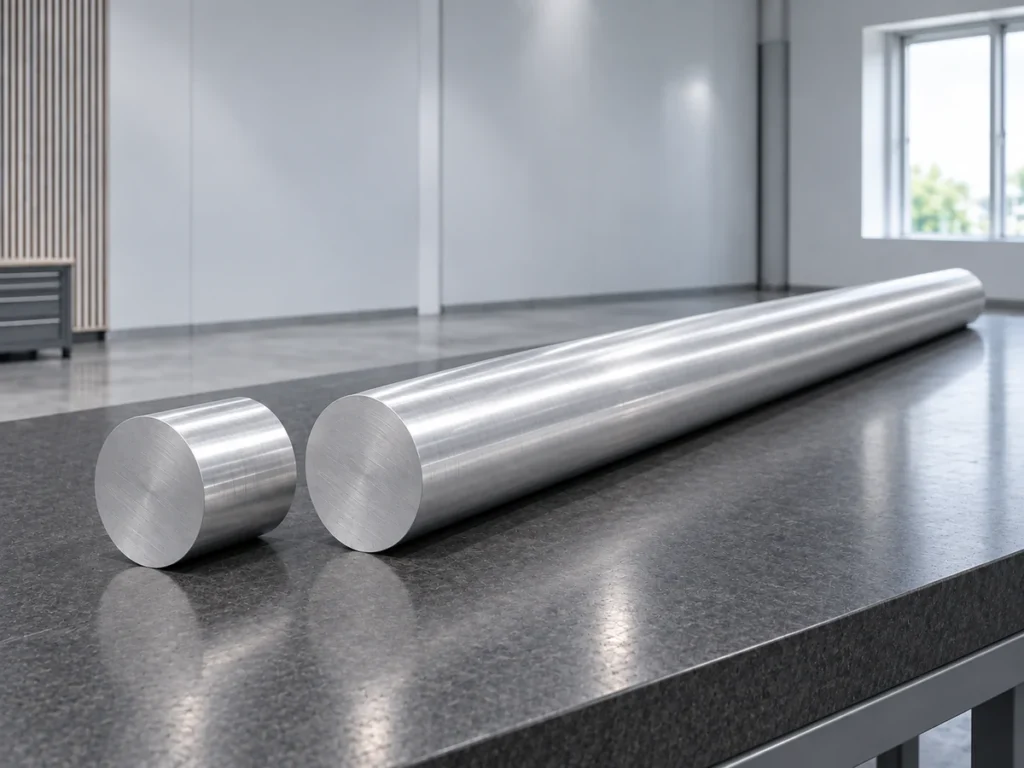
Check 1: define the aluminum soft jaw blanks delivery stage
Write what the receiving team expects to get. Raw material cut to a blank drawing still requires the operations that create the mounting interface and workpiece contact geometry. A prepared component may already include some of those features. List the included features rather than relying on the word “blank.”
As an example of a prepared product, SCHUNK’s straight aluminum soft top-jaw page describes jaws that can be modified and includes a ground serration among its product features. Its delivery description also distinguishes three-piece sets from the four-piece version for a particular four-jaw product. Those are supplier-specific product details, not a universal definition of a raw aluminum blank.
The practical lesson is to ask what has already been manufactured. A price for an aluminum stock piece cannot be treated as a price for a component with a prepared interface. Compare the same delivery stage and document any remaining work.
Check 2: specify material and stock form
Use the material specified by the responsible design and manufacturing review. Record the alloy, condition and supporting documentation required for the project. “Aluminum” alone leaves the material requirement incomplete.
Identify the stock form as well as its nominal dimensions. Round, rectangular and other sections lead to different blank geometries and machining routes. The round stock illustrated here explains the relationship between a bar and a cut piece; it is not a recommendation for a jaw project.
Keep the supplied material identity connected to the pieces after cutting. Where documentation is required, use the material-certificate checklist to discuss how the stock record and delivered pieces are linked. A catalogue description from a different product does not identify the material in your batch.
If a supplier proposes another stock form or material, route that proposal through the appropriate review before purchase. Ask what changes in the blank drawing, machining plan and final component assessment would follow. Do not substitute on the basis of similar appearance.
Check 3: define the cut blank and reference faces
The cutting inquiry needs a blank drawing or an equally clear approved specification. State the cut length, applicable tolerances, cross-section and reference faces. Identify whether the cut ends become finished faces or are intended for subsequent machining.
Where material is left for later operations, define that allowance through the approved route. The machining-allowance guide explains why blank and finished dimensions need separate identities. Avoid calculating an allowance from a photograph or applying the same extra length to every jaw project.
Include cut-end and edge requirements relevant to the next stage. A machinist may need a defined reference for locating the blank, while another route may create that reference later. Clarify which condition the saw-cut blank must provide at the agreed handover.
Discuss the actual section and length range with the cutting-machine supplier. A hollow extrusion demonstration does not establish suitability for a solid jaw blank. The supplier needs to review the proposed material, geometry, configuration and trial scope for that cutting task.
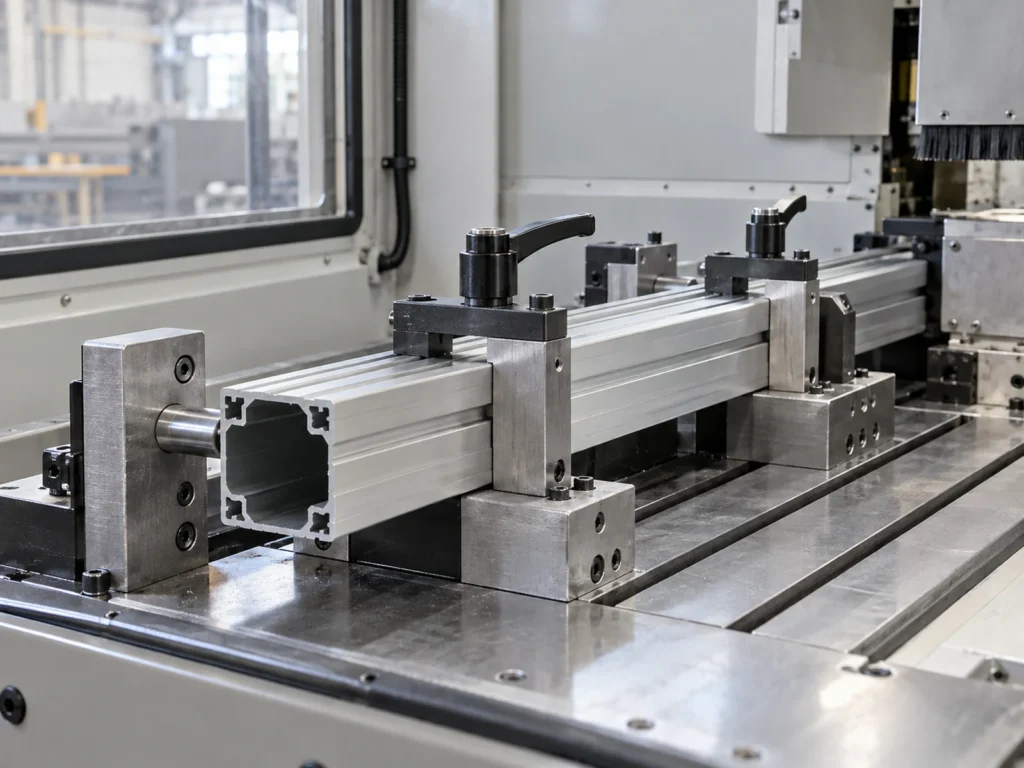
Check 4: identify the intended workholding interface
Give the responsible component supplier or design team the identity of the workholding system and its applicable interface documents. The cut blank’s overall size does not establish that its final mounting features will match a chuck, vise or other system.
Clarify which organization creates and checks the interface. This may involve features such as mounting holes, grooves or serrations depending on the approved design. Do not infer their dimensions or geometry from another supplier’s product image.
Keep the distinction between the saw’s stock-holding arrangement and the final jaw’s workholding application. The first holds raw material for cutting; the second belongs to the finished component’s intended use. Approval at one stage does not automatically approve the other.
For the finished jaw, request the system supplier’s applicable instructions and an engineering review of the intended use. This article does not specify mounting hardware, operating limits or a clamping rating. Those values depend on the actual system and approved component design.
Compare three delivery descriptions
The following is a fictional scope comparison, not a quotation or a claim that JiurunCut supplies finished jaws. All three descriptions might use the word “blank,” but they leave different work for the receiving team.
| Delivery description | What needs clarification |
|---|---|
| Raw stock cut to length | Which blank requirements are checked, and which machining operations remain? |
| Component with interface prepared | Which mounting features are included and how are they verified? |
| Workpiece-specific jaw | Which contact geometry, system review and application assessment are covered? |
Compare costs or delivery commitments only after aligning those descriptions. Include any separate machining, inspection and handling stages in the scope review. Do not assume that one supplier’s set quantity or product name applies to another proposal.
Check 5: agree the handover to further machining
Identify what the downstream team needs with each cut batch: piece identity, material record where required, blank revision, quantities and the agreed cutting checks. Keep accepted blanks separate from pieces waiting for a decision.
Agree which observations belong to cutting and which belong to later component inspection. A cut-length record describes the blank stage. It does not confirm a mounting interface, finished contact geometry or suitability for holding the intended workpiece.
Use representative pieces to discuss the downstream route when that is part of the agreed review. The final component team should determine the relevant feature checks and application assessment. A clean-looking aluminum block is not evidence that those checks have been completed.
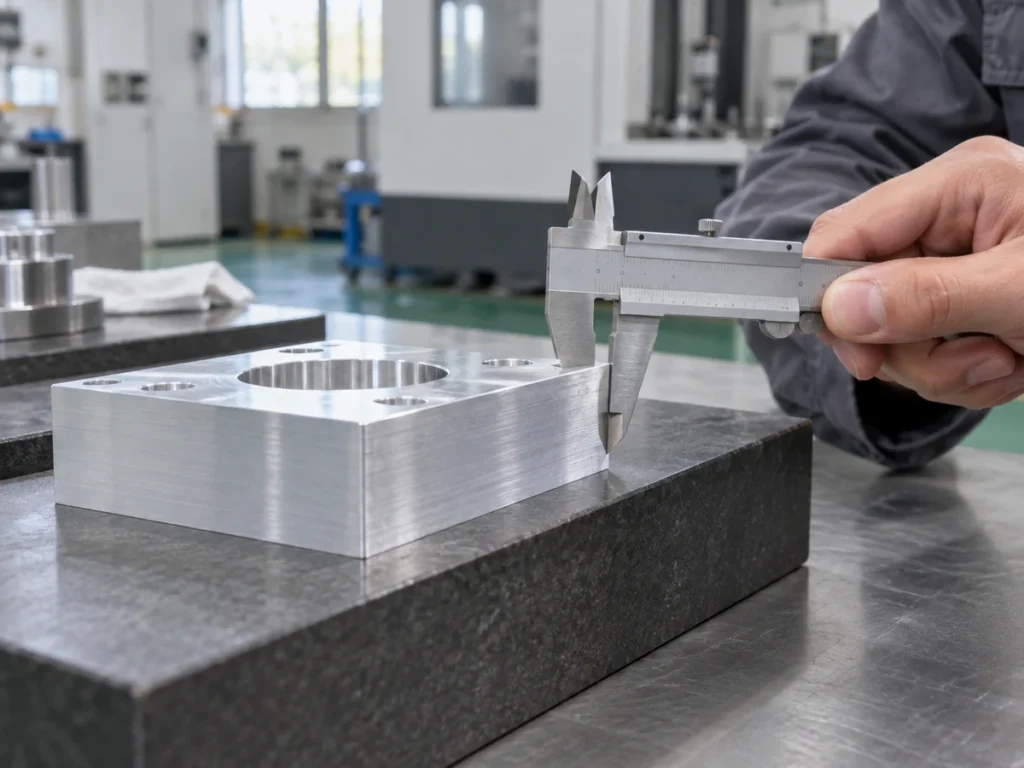
Prepare the cutting-machine inquiry
Send the proposed stock section, approved material information, blank drawing, length range and batch mix. Explain which faces require subsequent machining and which cutting-stage requirements will be inspected. This gives the supplier a defined task to review.
Ask the machine supplier to confirm the scope of its proposal and any representative cutting evaluation. Keep jaw manufacturing and final application review assigned to the appropriate team. Avoid interpreting a saw quotation as an offer to design or approve the finished jaw.
Share your aluminum stock and blank-cutting requirements with JiurunCut for a cutting-machine discussion. Include the actual geometry and downstream needs so the proposed review addresses the blank preparation task.
Buyer questions about jaw blank preparation
Is a raw cut block equivalent to a prepared soft jaw?
No. Check which interfaces and other features are included. A raw piece may still require several operations and the final component review before its intended use.
Can one aluminium grade be assumed for every soft-jaw project?
Use the material approved for the particular design and system. A material listed for one supplier’s product does not establish a universal choice or an approved substitution for another project.
Does a successful cutting trial approve the finished jaw?
It can provide evidence for the agreed blank-cutting requirements. The finished interface, contact geometry and intended application need the checks assigned to those later stages.