
Vibratory finishing aluminum should be evaluated on the features that must survive the finishing step. For small cut or machined parts, a useful trial checks more than a brighter surface: it follows the required edges, dimensions, holes and delivery condition from incoming sample to finished piece.
Start with three questions. Which surfaces may change? Can the proposed process handle the actual geometry? What evidence will release the finished batch? Give the finishing provider those answers before asking for a cycle or machine recommendation.
What vibratory finishing aluminum changes
Rösler’s mass-finishing overview explains that vibration moves the workpieces and grinding or polishing media in a processing bowl. Their rubbing action removes material from the surfaces. Media and compounds are selected for outcomes such as deburring, smoothing or polishing.
That material-removal mechanism makes the drawing central to the trial. The buyer should identify the allowed result and the features that remain controlled, rather than approving a whole part because one face looks attractive.
A general burr-removal instruction is also different from a specified edge geometry. Our deburring and chamfer guide explains that boundary. Retain any defined chamfer, radius or dimensional requirement in the finishing brief.
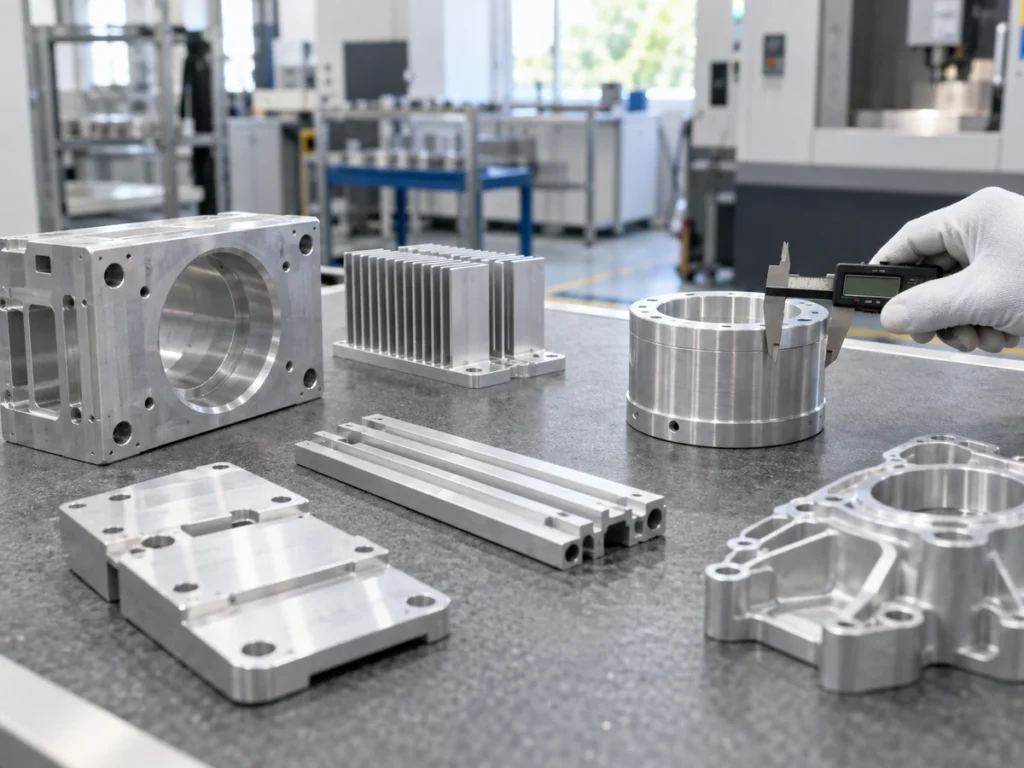
Check 1: mark what may change and what must stay controlled
Use a marked drawing with three categories: the edges needing treatment, the surfaces with an appearance requirement and the functional features needing verification afterward. One face can belong to more than one category.
For a ring, this might mean separate requirements for the outside edge, bore and mating face. For a small housing, identify holes, sealing faces and any visible panel. Have the drawing owner define the actual requirements; these examples do not assign universal limits.
Include the incoming production condition. A trial on a machined sample may not represent a sawn blank with a different edge condition. Tell the finishing provider how the pieces are made and which preparation has already been completed.
Ask which features the proposed route is intended to treat and which need separate attention. Write those boundaries beside the quotation. This prevents “finished all over” from hiding an unanswered requirement inside a slot or at a functional edge.
Keep dimension records linked to the individual sample when a before-and-after comparison is required. A measurement on one incoming piece and another finished piece needs to be described accurately; it is not automatically evidence of the change on a single part.
Check 2: review geometry, contact and separation
Send representative pieces with the actual holes, slots, pockets and wall shapes. Include the smallest openings and the features the assembly uses. An unmachined solid coupon cannot answer every handling question for a hollow or drilled part.
Ask the finishing provider to review media access and separation for that geometry. Which openings need checking after processing? How will the agreed delivery inspection confirm that the required features are clear? These are questions for the actual trial, not assumptions about all media sizes.
Review part contact as well. Rösler distinguishes ordinary batch processing from systems that keep delicate pieces from touching one another. Its overview also identifies tub vibrators for long or bulky workpieces. Ask the provider which arrangement it proposes for your parts.
Keep alternative equipment names clear. Walther Trowal’s barrel overview describes small-part deburring, grinding and polishing applications, including aluminum sleeves. A rotating-barrel proposal is a different equipment choice to identify explicitly when comparing offers.
The purchasing decision should follow the agreed part result. Ask for the proposed equipment, media and handling scope, together with trial evidence for the supplied geometry. Avoid treating a system name as proof that a thin feature or visible surface will be accepted.
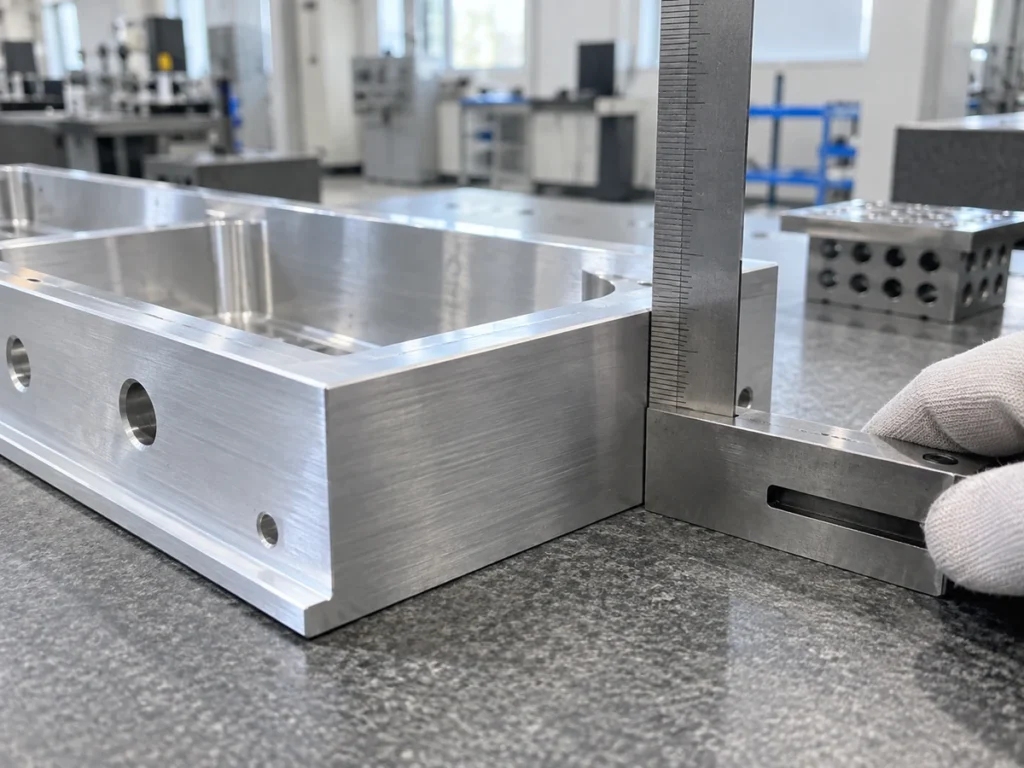
A fictional sample comparison
Imagine two fictional rings from the same drawing revision. Ring A is a simple blank. Ring B has the drawing’s narrow groove and cross-hole. A finishing trial uses only Ring A, and the supplier sends an attractive photograph afterward.
The photo can support a discussion of that sample’s visible condition. It leaves the groove and cross-hole questions open because those features were absent from the trial piece.
The buyer can request a representative Ring B sample and a review of the named features after processing. This is a completeness check on the trial scope. It assumes neither a blocked hole nor a successful finishing result.
Keep both sample records. The second trial may answer the geometry question while the first remains useful background. Label their identities so the simpler piece’s approval is not mistaken for approval of the completed component.
Check 3: approve the complete delivered condition
Agree the required inspection stage after finishing and any specified cleaning, drying or later operation. The delivery record should identify the condition actually reviewed.
Use a short release checklist:
- The sample and batch identity match the drawing revision.
- The specified treated edges have been reviewed against their requirements.
- The named functional dimensions and features have the required evidence.
- The agreed surface appearance and handling condition have been checked.
- Any limitation or remaining operation is visible before release.
If roughness is a drawing requirement, state the parameter, locations and applicable inspection basis. A shiny photograph does not supply that measurement. Our surface roughness guide helps organize those terms.
When the route proceeds to coating or assembly, identify who accepts that handoff. Ask the next provider which incoming condition it requires and make the finishing order consistent with it. Do not let two suppliers assume the other has completed the same preparation step.
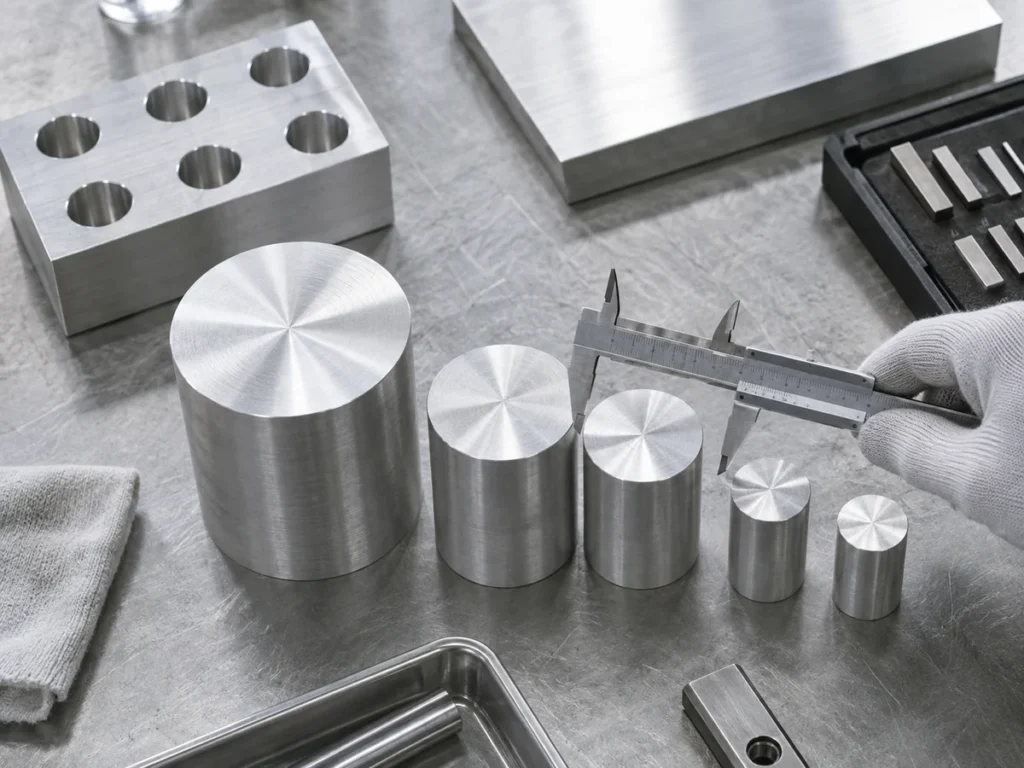
Compare offers using the same trial brief
Give each provider the same sample condition and required outcome. List processing, separation, agreed cleaning or drying, inspection and packing where they are part of the purchase.
Record trial work and repeat-production scope separately. Ask which approved information transfers to later batches and what evidence must accompany them. A sample photograph should remain attached to its own identity and evaluation.
Where the cutting request fits
The cutting order should state whether it supplies as-cut blanks or includes a defined secondary operation. Send the stock description, drawing, quantities and required cut-stage condition together.
Send JiurunCut your aluminum cutting requirements to discuss that scope. Include the finishing provider’s approved incoming requirements so the blank handoff is clear.
Quick buyer questions
Does polishing specify an edge radius?
No. Retain any required edge geometry on the drawing and check it at the agreed stage.
Can a simple coupon approve a part with pockets?
It may support limited surface discussion. Request representative geometry for the features that the trial must evaluate.
Should every finishing proposal use the same equipment?
Compare the required outcome and complete scope. Identify each proposed arrangement and review its evidence for the actual part.