
Thermal conductivity vs thermal diffusivity compares two related material properties. Conductivity describes heat transport under a temperature gradient. Diffusivity describes how quickly a temperature change spreads through a material by conduction.
For an aluminum cooling component, first identify the question the engineer needs to answer. A steady heat-flow calculation and a transient temperature-response calculation may need different inputs. Neither property alone gives the operating temperature of a complete assembly.
On this page
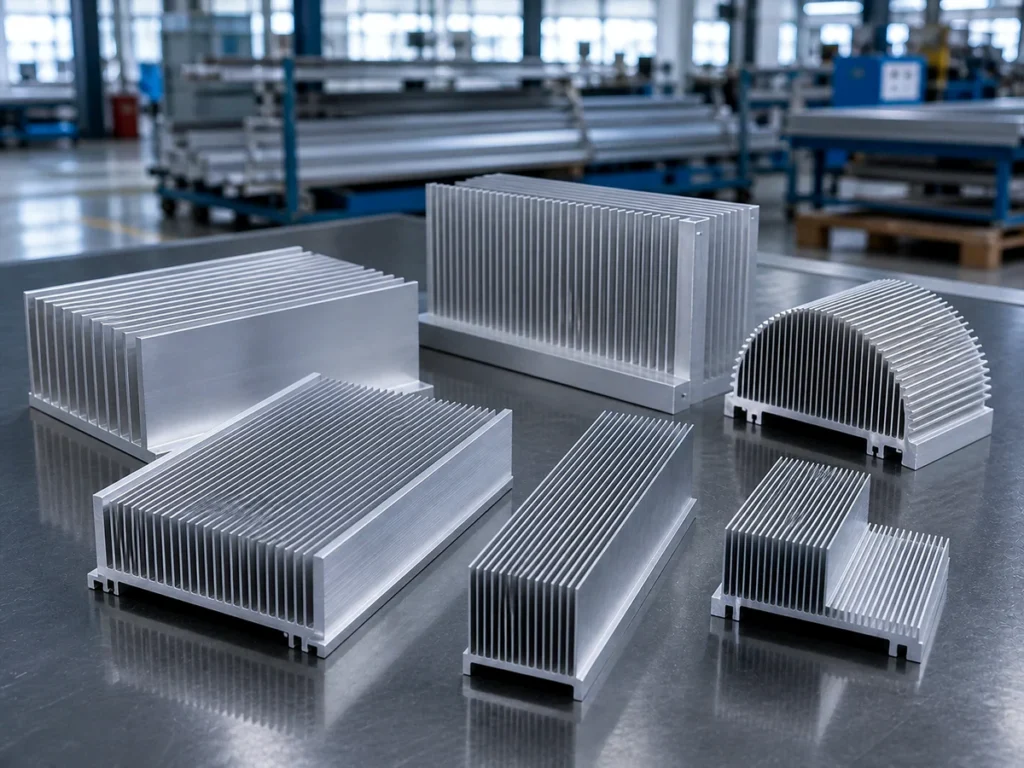
1. Identify the engineering question
NETZSCH distinguishes conductivity as heat transport associated with a temperature gradient and diffusivity as a property of unsteady heat conduction. Its glossary also identifies density and specific heat capacity among the thermophysical inputs used in simulations.
Start your inquiry with the intended analysis. Is the thermal team considering a sustained heat load, a short heating event, or both? Ask that team to specify the required properties and their applicable conditions.
A quotation that says “good heat transfer” does not answer that question. Request the named property rather than accepting a marketing phrase as a model input.
| Property field | What it describes |
|---|---|
| Thermal conductivity | Heat transport through the material under a temperature gradient; retain W/(m·K) or the stated equivalent units. |
| Thermal diffusivity | How quickly a temperature change propagates by conduction; retain mm²/s or the stated equivalent units. |
Use separate fields for these entries in your comparison. Copying both into a column headed “thermal performance” loses the distinction the designer needs.
Ask the reviewer to identify the required temperature or range before requesting data. Keep the reported condition with each entry. A number without its temperature basis leaves part of the engineering question unresolved.
For the broader material-record checks, use our aluminum thermal conductivity guide. This comparison focuses on why two thermal-property headings cannot be used interchangeably.
2. Understand the connection between the properties
TA Instruments explains that thermal diffusivity is related to conductivity through density and specific heat capacity. Converting a diffusivity result into conductivity therefore needs the related material inputs.
This connection is useful when reading a report. Ask which quantities were measured, which came from reference data and which were calculated. Preserve that distinction when you pass the results to the thermal designer.
For a derived value, request the calculation basis and the sources of its supporting inputs. The reviewer should be able to connect them to the reported material and temperature.
Do not rename a diffusivity result as conductivity simply because both concern heat conduction. The units are different, and the additional inputs matter.
Likewise, a report listing both properties does not necessarily represent two independent measurements. Ask the laboratory how each reported field was obtained.
Keep the original report beside the purchasing summary. If the summary shortens a property name or drops a note about calculation, another reader may interpret the result differently.
A clear summary can be brief: “Diffusivity measured; conductivity calculated using the stated density and heat-capacity inputs.” Use that wording only when it matches the actual report.
If the derivation is unclear, record the question for the laboratory. Let the responsible technical reviewer decide whether the result can be used while that question remains open.
3. Identify what the laboratory measured
TA Instruments describes the flash method as applying a short energy pulse to one specimen face and recording the temperature response of the opposite face. The response and specimen thickness are used to determine diffusivity.
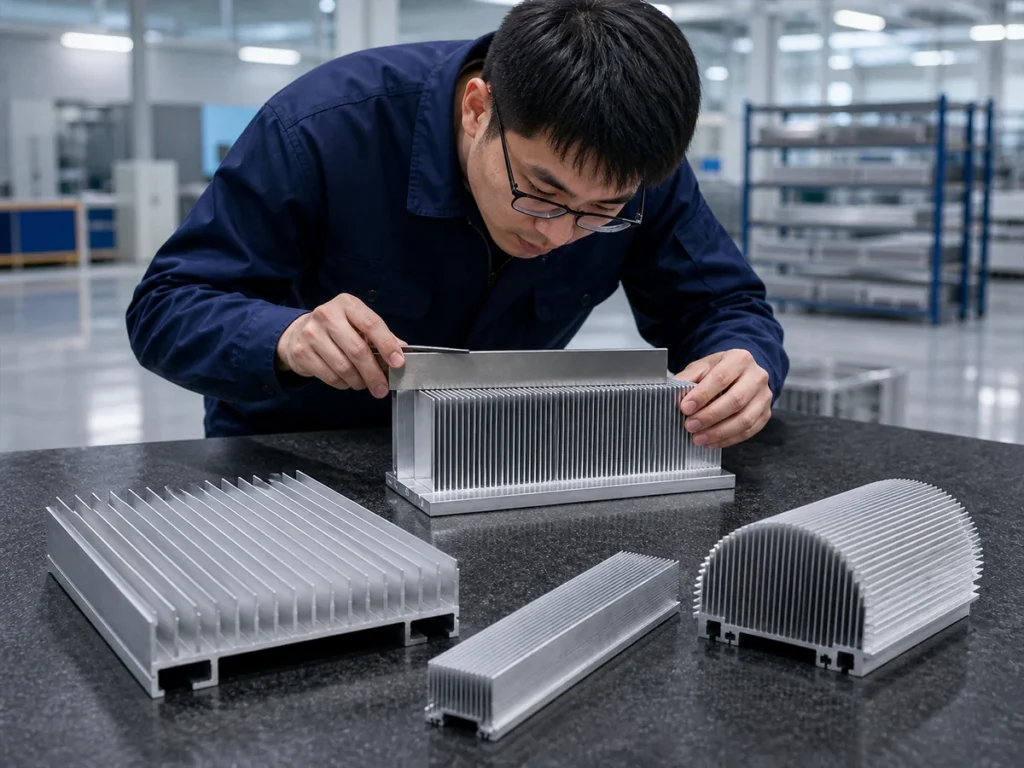
That measurement scope helps explain why a dimensional photograph is insufficient evidence. A picture of a finned section can show its general shape. It cannot replace the identified thermal-property report.
When requesting testing, ask the laboratory to define specimen preparation and reporting requirements. Do not assume the finished extrusion can be submitted in any shape or size.
Agree who will select and identify the specimen. Preserve its connection to the purchased material, including the alloy, condition and relevant order or sample reference.
Ask the laboratory to label the measured property clearly. Request the method, temperature conditions, units and any reported uncertainty needed by your reviewer.
If conductivity is calculated from the measurement, keep the supporting density and specific-heat information in the same review package. Request clarification where those inputs describe a different condition or unidentified material.
Choose the evidence according to the project requirement. A reference table, supplier data sheet and laboratory report have different origins. State which one the proposal includes before accepting a testing commitment.
Have the thermal owner define the acceptance requirement. This article explains the property distinction; it does not supply a test procedure, laboratory qualification or minimum value for a JiurunCut machine or aluminum grade.
A practical handover example
Consider a hypothetical buyer preparing aluminum blanks for a thermal-component evaluation. The following example concerns information flow, not an actual customer project.
The first document
The material supplier offers a conductivity entry with its alloy, condition and temperature basis. The buyer records it as supplier data and asks the thermal designer whether a diffusivity input is also needed.
The second document
A laboratory proposal offers a flash diffusivity measurement. Before ordering the work, the buyer asks whether the deliverable also includes calculated conductivity and which supporting inputs would be used.
The agreed package
The designer identifies the required thermal inputs. Purchasing retains the supplier entry and the laboratory scope as separate records, then agrees the specimen identity and deliverables.
Neither document is treated as an assembled cooling result. For that separate question, define the component and its operating conditions through the heat sink thermal resistance review.
Connect the thermal brief to the cutting order
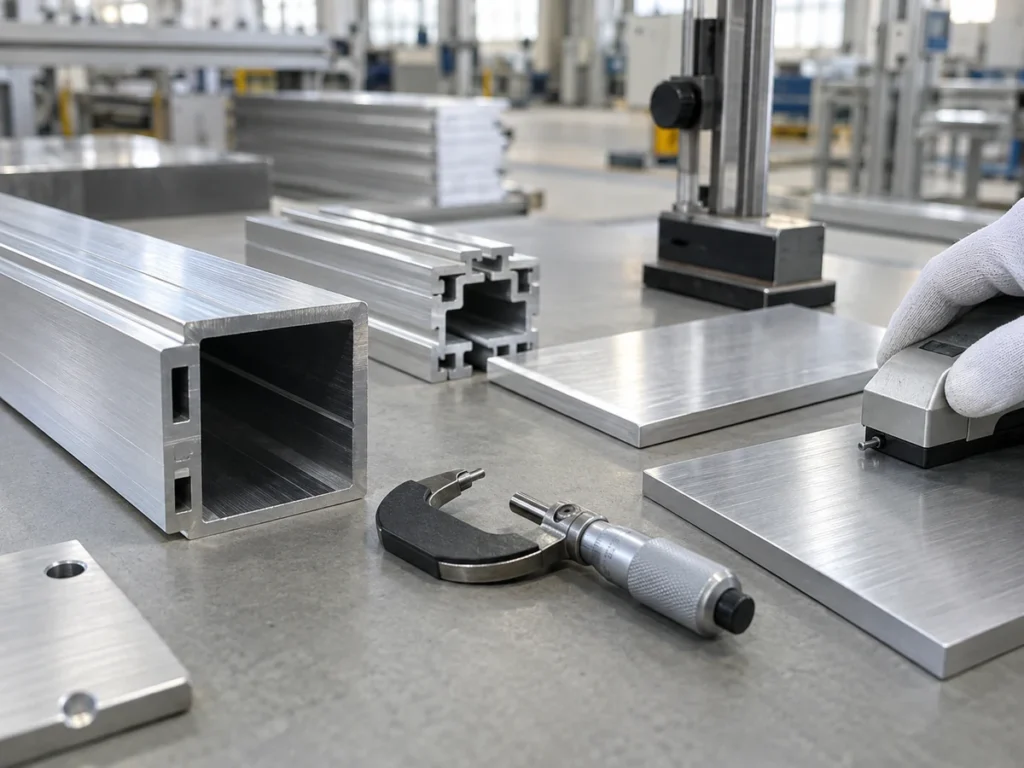
Give the cutting supplier the approved section, finished lengths, quantities and material identity. Identify any blanks reserved for laboratory preparation so they remain traceable.
Ask the laboratory to approve its required starting dimensions and delivered condition. Keep those requirements separate from the finished cooling-part drawing when they differ.
For delicate fins, discuss support and handling using representative sections. Our thin-fin aluminum cutting guide helps organize that manufacturing review.
Send JiurunCut the profile drawing and cutting brief through our contact page. Include the agreed sample-identification needs and downstream operations. Thermal design and laboratory acceptance should remain with the responsible reviewers.
Buyer questions
Is higher conductivity the same as faster temperature response?
They describe different properties. Review the diffusivity information and its related inputs when the engineering question concerns temperature response through the material.
Can a conductivity value replace a diffusivity value?
Ask the thermal reviewer to identify the required input and any approved derivation. Retain the original property and units rather than substituting the heading.
Does flash testing directly measure conductivity?
The fundamental flash measurement described by TA Instruments is diffusivity. Check how conductivity was obtained in the particular report.
Does either property certify the cooling capacity of my heat sink?
Material-property evidence has its own scope. Ask the designer for the component and assembly evaluation required for your application.
Technical references
- NETZSCH: thermophysical property definitions.
- TA Instruments: thermal conductivity and diffusivity brochure, flash-method introduction.