
A supplier saw blade change can alter the cut your buyer receives even when the extrusion, drawing and cutting machine stay the same. A replacement blade may have a different kerf, tooth geometry, edge material or sharpening history. The buyer’s decision is not whether a new blade sounds better on paper. It is whether parts made after the change still meet the agreed length, end condition, appearance and assembly requirements, and whether the first affected lot can be identified.
This guide addresses an established outsourced aluminum cut-part order, not a new machine purchase or a universal blade specification. The approval level depends on the purchase agreement, product risk and actual feature requirements. Ask the supplier to identify the change before cutting the next release, then define the evidence that will allow the changed process to ship. None of the images below documents a customer blade change or an accepted customer lot.
Define the supplier saw blade change before approving output
Record the last accepted blade and proposed replacement in terms that can be checked later: manufacturer or controlled tool ID, diameter and bore compatibility, kerf, tooth count or geometry, edge material, new or reground condition, and the station where it will run. Capture the reason for change: normal wear replacement, a supply substitution, a proposed quality improvement or recovery from a broken tool. The supplier should also state whether feed, speed, clamping, lubrication, deburring or inspection instructions will change with the blade.
A like-for-like replacement under an already approved tool-control plan may need only the agreed first-piece and routine records. A different blade design or revised cutting method can require a buyer review and a limited comparison trial. Do not invent a blanket rule that every tool swap needs a full production approval package. Equally, do not assume a replacement is harmless merely because both tools fit the spindle. Kanefusa’s nonferrous sawing discussion connects blade design, vibration and kerf to cut quality; that is a reason to verify the purchased part, not proof that a particular replacement will pass this order.
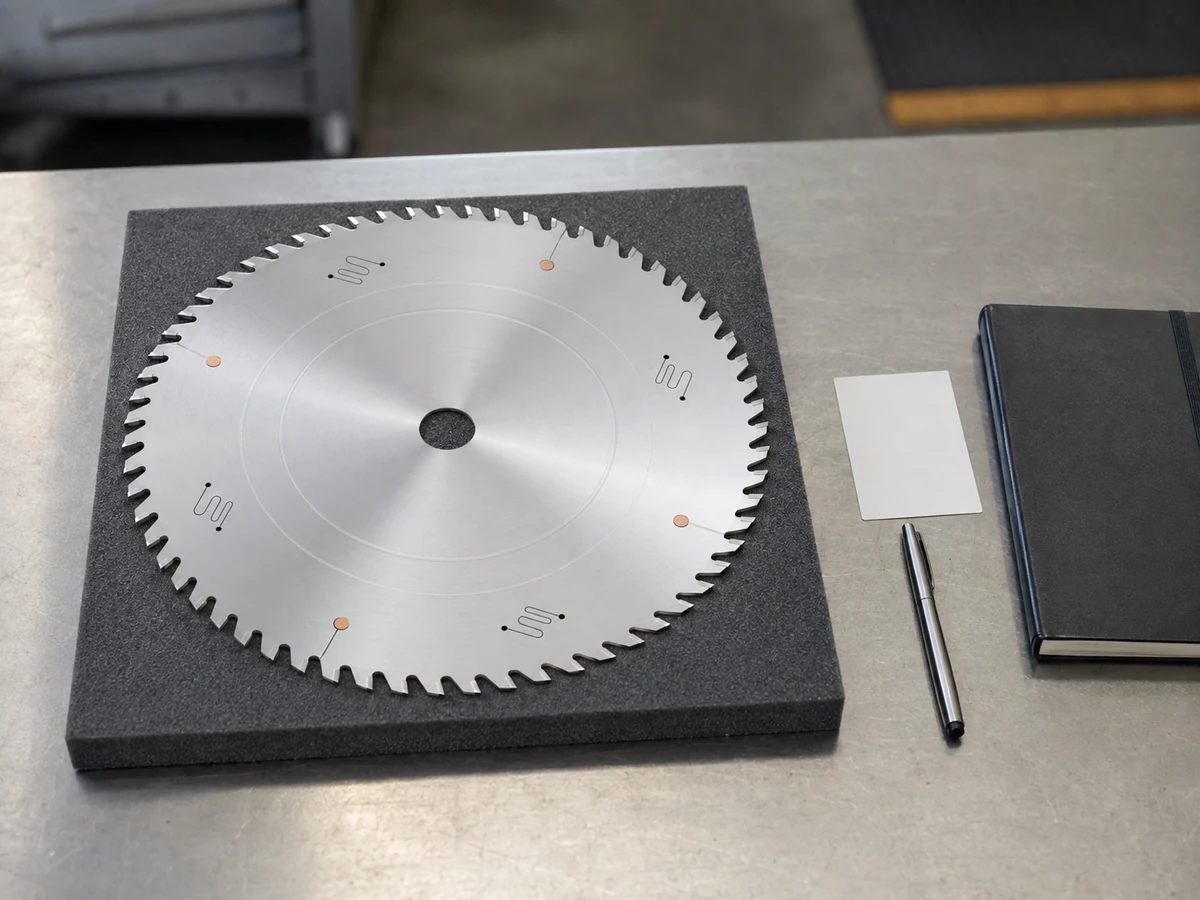
Draw a clean boundary between old-blade and new-blade stock
Before a test cut, request an order-line ledger. It should show accepted finished stock, work in progress, uncut extrusion, rework, rejected pieces and shipments already released. Record the blade change time or first affected batch identifier. If the supplier cannot tell which cut pieces came from which tool state, hold that mixed scope until it can be inspected or dispositioned. A date alone may be too coarse when several lots are cut on one shift.
Keep the drawing revision, material lot and stock condition fixed during the comparison wherever possible. If the supplier changes the blade and extrusion source together, a passing sample cannot isolate which change caused a difference. The extrusion mill change guide treats a changed stock source as its own release decision. A change to the cutting site or subcontractor is also a different route decision. Separate these changes in the record rather than treating them as one vague new-process event.
Agree whether previously accepted old-blade stock may still ship, how it will be labeled and whether the first new-blade lot must be isolated. The point is traceable disposition, not to condemn old output. If the new blade is introduced mid-order, the packing list should not silently combine parts made on both sides of the change when the buyer needs to investigate a later edge or length complaint.
Test the cut features that the buyer actually uses
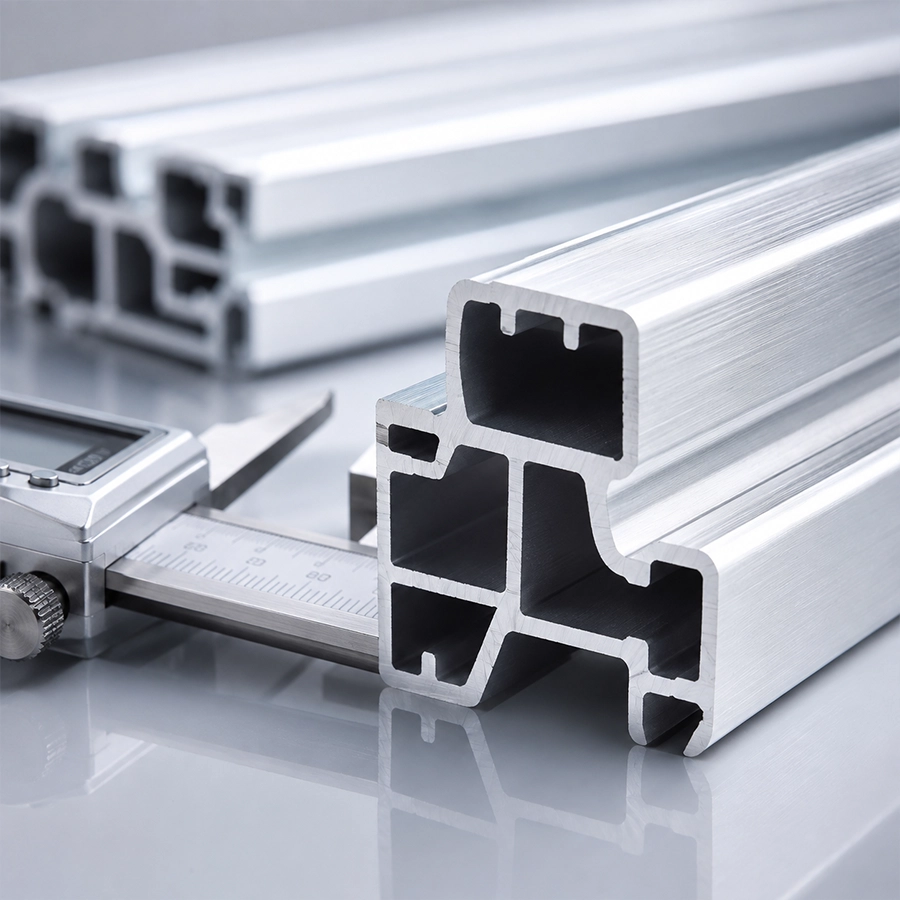
Build a short comparison plan from the current drawing and end use. Include the cut length and measurement datum, squareness or miter where specified, burrs or sharp edges, visible cut face, deformation or clamp marks, and cleanliness where chips could affect downstream work. Inspect more than one piece if the first cut and running cuts could differ. Sampling quantity and frequency should be agreed for this order; a photograph of one attractive end cannot establish stable output.
Ask the supplier to record the profile orientation, clamp setup, blade condition and measurement method for the trial. Compare the old accepted process to the proposed process under conditions that make sense for the actual job. If the buyer’s assembly uses a mating frame, include a fit check on the relevant features. A generic surface-finish claim is not a substitute for the drawing or an agreed visual limit. A burr that is acceptable for a hidden blank may be unacceptable on an exposed frame or a part that will be handled without further finishing.
| Buyer question | Evidence to request | Hold point |
|---|---|---|
| Which parts are affected? | Tool change record, work order, material lot and first changed-piece identifier | Old and new output cannot be separated |
| Does the new cut meet the drawing? | Measured lengths and specified end features with method and sample IDs | A required feature is missing, out of limit or measured from a different datum |
| Will it assemble and handle correctly? | Agreed mating or handling check where the application needs one | Burr, distortion or edge condition blocks the intended next operation |
| Can production continue? | First-piece decision, running-check plan and accountable release owner | Only an unrepeatable display sample is available |
The buyer can adjust this table to the actual contract. The ISO 9001 Auditing Practices Group’s educational guidance on external providers emphasizes checking specified requirements and applying risk-based controls to outsourced work. It is guidance, not a declaration that this supplier or article is certified to any standard.
Check the complete cutting setup, not the blade in isolation
A tool change can prompt a feed-rate or clamp adjustment. Request the actual setup used for the new-blade trial, including material support and the first/last-piece handling method. If a supplier proposes a deburring operation to make the new cut acceptable, include that extra step in the approved route and quoted lead time. If the change raises scrap or requires recutting, reconcile the usable quantity before promising the delivery date.
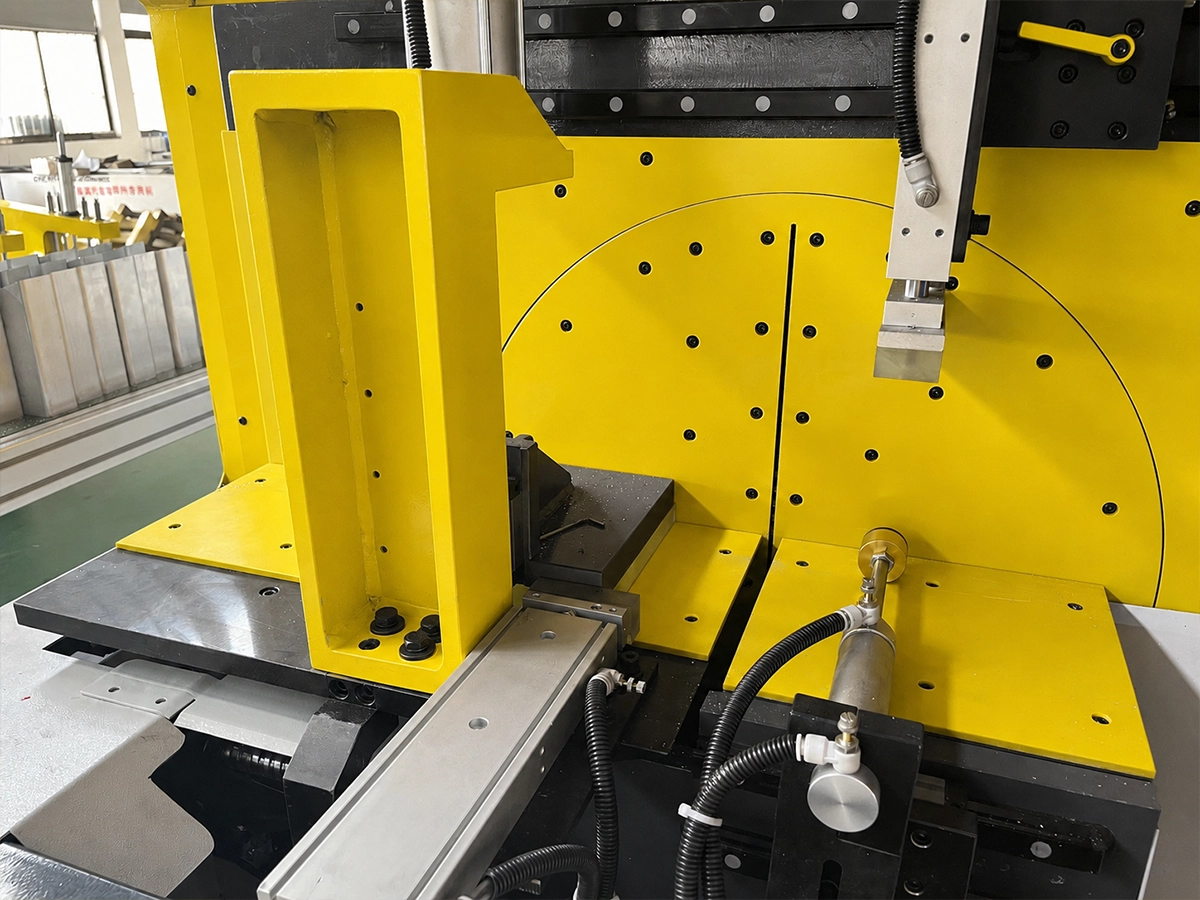
For an angled cut, compare the orientation and datum as well as the face. For a thin-walled or multi-chamber extrusion, check whether the clamping arrangement supports the section without local damage. Do not transfer a pass result from a solid bar to a delicate hollow section without a reason. The image below shows a Jiurun cutting area only to identify the kind of station interface that must be understood; it does not show the outsourced supplier’s equipment or its tool configuration.
Ask who is authorized to change the saw program or inspection record, who signs the first-piece decision and who can release the lot. When a nonconformance appears, keep its original evidence and disposition rather than rewriting the initial result. The outsourced cutting quality agreement guide covers how to assign supplier and buyer responsibilities before disputes arise.
Decide whether to approve, trial, or hold
Approve under existing control: the replacement is within the previously agreed tool specification, the supplier’s documented control covers it, and the required first-piece and running checks pass. Keep the tool identity and affected lot in the normal record.
Approve a limited trial: a blade characteristic or related cutting instruction changes, but the buyer can evaluate a defined sample before releasing production. State which order lines and profile families the trial covers, which old stock may ship, and what evidence is due. The approval applies only to that scope until broader output is demonstrated.
Hold affected stock: the blade history is uncertain, samples fail an agreed characteristic, mixed output cannot be traced, or the supplier has already shipped parts from an unapproved changed route. Quarantine the affected scope, agree inspection or replacement, and communicate any delivery impact. A verbal claim of same quality does not close the hold.
Where the buyer has a formal product-approval procedure, follow its actual notification and submission rules. This article is a purchasing decision framework, not an automatic PPAP mandate. The first production lot may still need separate qualification if the change also moves the job from a prototype process into repeat supply; the first production lot guide addresses that transition.
Put the decision in the next release message
A usable buyer message could read: “Before using the proposed blade on order [number], send its controlled specification and the last accepted blade record. Identify the first new-blade work order and separate any old-blade finished stock. Cut the agreed trial profiles under recorded setup conditions. Return measurements for the specified length and end features, visual cut-face and burr checks, sample IDs and the proposed ongoing inspection plan. Do not combine or ship the trial lot until we confirm its disposition.”
After approval, update the controlled route and purchase or quality record with the effective lot, not only an email saying the sample looked acceptable. When the next shipment arrives, receiving should match the package IDs and changed-process lot to the approved decision. If a later complaint concerns the cut end, the buyer and supplier can then compare the relevant blade states instead of guessing from shipment dates.
If you are buying a saw rather than outsourced cut parts, send JiurunCut the extrusion drawing, target lengths, end-condition requirements and batch mix. We can discuss a machine-side trial plan. The supplier of outsourced parts and the buyer remain responsible for their own process-change approval and lot release.
General equipment video
The video below is from Jiurun Machinery’s YouTube channel. It shows general cutting equipment only. It does not show this supplier, the old or new blade, the named aluminum material, a customer order, a blade comparison trial or any measured performance.