
A supplier packaging change can alter what arrives at your dock even when every aluminum cut part still meets its drawing. A new tote, loose-fill method, layer separator, bundle size or pallet pattern may change edge contact, bending exposure, mix-up risk and the way a receiving team counts a lot. The buyer’s decision is not whether the new pack looks tidy. It is whether the proposed shipping unit protects the agreed part characteristics through the actual route and preserves the order identity needed for acceptance.
Before approving a change, freeze the currently accepted pack description and identify which releases, routes and part families would use the new one. Ask for a side-by-side comparison and a trial that matches the real handling sequence. Keep cutting conformance, transport protection and commercial responsibility as separate decisions. The photographs below illustrate possible part arrangement and packing preparation; they do not document a customer’s approved pack or a successful shipment.
Define the supplier packaging change before the next release
Ask the supplier to describe the old and proposed pack as two complete shipping units: outer container, internal supports, contact surfaces, part orientation, pieces per layer, layers per unit, closure, palletization, gross weight, labels and handling instructions. Record why the change is proposed and its intended effective lot and dispatch date. An apparently small substitution, such as replacing foam separators or increasing pieces per tote, can matter if finished faces or cut ends now touch. A new box of the same nominal size may also change how parts are restrained.
Do not infer that a packing photo alone proves a control. Request the written packing specification or approved drawing and a marked comparison of changed items. If your purchase order or quality agreement requires buyer approval for packaging changes, hold implementation until the named approver responds. Otherwise set a documented release gate now rather than discovering the change after goods are in transit. The outsourced cutting quality agreement can help separate packaging approval from part inspection release.
Map the risk to the actual cut parts and route
Start with the part geometry and acceptance criteria. Long slender members need support against flexing; finished faces and exposed cut ends may need isolation from rubbing or impact; small similar-looking profiles need a reliable way to stay in the correct lot. Check whether the pack can be lifted, stacked, opened for sampling and reclosed without losing that separation. A mixed kit may need component counts as well as an outer unit count. Do not assume that a change suitable for one length or finish is suitable for every drawing revision.

Trace the distribution path: supplier staging, collection, transfer points, carrier mode, storage and buyer unloading. A pack that is opened or broken down during the route needs a different identification and restraint check from an intact pallet. The International Safe Transit Association’s guidance on selecting packaging tests emphasizes knowing the actual distribution environment and tracking changes to package materials and methods when deciding whether retesting is needed. Its procedure overview distinguishes parcel and less-than-truckload distribution tests. These are selection references, not evidence that a particular JiurunCut pack was tested or passed.
Compare old and proposed packs against a buyer acceptance record
Build one change record for the specific part family and shipping route. The table gives the questions to answer before an approval; write the agreed numerical limits in the order or packing specification, not in a generic article. If evidence is missing, mark it open instead of treating a supplier promise as a measured result.
| Decision item | Evidence to request | Buyer release question |
|---|---|---|
| Part contact and support | Old/new layout, separator material, support spacing and closed-pack photos | Can visible faces, holes and cut ends touch or move? |
| Quantity and identity | Pieces per layer and unit, lot label, drawing revision, count method | Can receiving count and trace without mixing releases? |
| Handling route | Carrier mode, lift points, stack rule, transfers and opening/reclosure steps | Does the validation cover actual handling? |
| Damage acceptance | Agreed photos, inspection locations and disposition route | Who decides when rubs, dents or bends are unacceptable? |
| Cost and ownership | Unit price effect, returnable asset rule, freight and disposal responsibility | Is the commercial change approved separately? |
Keep the record tied to a part number, revision and route. Where a customer-supplied pack or returnable asset is involved, confirm who owns it, who cleans or repairs it and what happens when it is missing. Packaging acceptance does not authorize a material substitution or a change to cut-part dimensions. Conversely, a dimensionally conforming part can still be held for packaging damage or lost traceability at receipt.
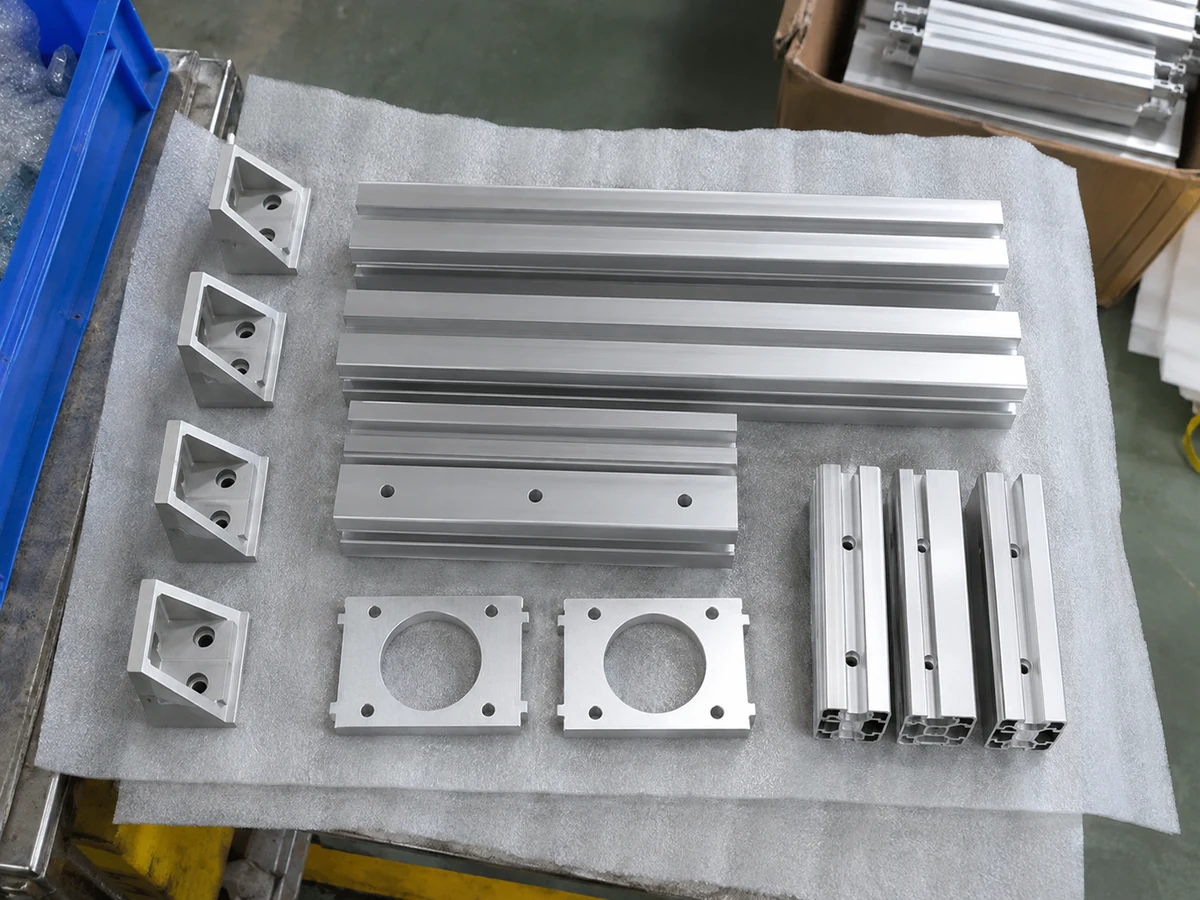
Run a controlled trial before changing the normal dispatch
Agree which representative parts and quantities will be packed under the proposed method. Include the longest or most damage-sensitive variant, the finish and end condition that matter to acceptance, and any mixed kit that is hard to count. Record the actual pack build with photos of internal supports, labels, sealed condition and unit dimensions. If a laboratory distribution test is appropriate, agree the applicable route and procedure with a qualified packaging specialist; do not call an informal shake or drop a certification.
Where feasible, make the first trial a real shipment or a route-representative movement. Capture condition at supplier dispatch, each planned opening and buyer receipt. Compare part count, traceability, visible faces, cut ends and any agreed dimensional checks against the pre-change baseline. Ask the receiving team whether the unit is safe and practical to unload without disturbing evidence. The long extrusion delivery guide addresses handling and damage handoffs; the cut-part receiving guide addresses lot matching before use.
Write down trial exceptions and their cause before requesting a second sample. A scuffed face after a loose stack is different from a manufacturing mark already present before packing. If the parties disagree, preserve both dispatch and receiving images with lot and package IDs. One successful sample is evidence for the sampled route and pack, not a blanket guarantee for every shipment size or carrier.
Approve, reject or restrict the change explicitly
The buyer can accept the proposed pack for named parts and routes, request modifications and another trial, or keep the existing method. A conditional approval should name the limited lot, dispatch window, added inspection or separate identifier and the point at which normal use can begin. If a part is already in transit under an unapproved method, arrange a receiving hold and inspection; do not backdate approval to make the record appear complete.
Update the purchasing and receiving documents together: packing specification version, purchase order note, supplier work instruction, package label format, inspection plan and escalation contact. Confirm who pays for added materials or freight and how returnable assets are reconciled. Tell the supplier which future changes still require approval, including separator substitution, pack count, pallet geometry or carrier-route changes. The supplier should not quietly treat a trial exception as a permanent waiver.

A short release request the buyer can send
“Please hold the proposed packaging change for part numbers and revisions [list] on route [origin to destination]. Send the current and proposed pack specifications, marked differences, unit counts, contact and support layout, labels, cost impact and effective lot. Identify the representative trial and the dispatch/receiving evidence we will review. Do not use the new method for production releases until our named buyer approves its scope in writing.”
If you are purchasing cut aluminum parts or planning the equipment and handling route that produces them, send JiurunCut the drawing, profile, cut length, finish, batch size and delivery format. We can discuss where cutting and part handling meet; final package approval still belongs to the buyer and its supplier under the agreed order.
Equipment video context
The following video comes from Jiurun Machinery’s YouTube channel and shows general aluminum-cutting equipment footage. It is a process illustration only. It does not show the packaging change, materials, model configuration, customer order, trial shipment, damage outcome or performance described in this article.