
Ski storage rack aluminum crossbar cutting is a narrower purchasing decision than buying a complete ski depot rack. The cut shop needs a released aluminum member, a length datum and a clear handoff point. The rack assembler remains responsible for the grip system, mixed-material structure and finished-unit acceptance. Start the RFQ with the bar schedule rather than a brochure dimension.
Why the aluminum crossbar needs a separate RFQ
Two independent product examples show why the bill of materials matters. Reichmann’s Easy Plus rack describes rubber-coated aluminum bars. QBL’s Easy rack describes aluminum upper crossbars with rubber seals alongside a steel frame, hood, columns and lower steel posts. These are examples of different rack architectures, not Jiurun projects, customers, machine trials or approved part designs. Neither product page supplies the cut drawing for your order.
A quotation that says only “aluminum ski rack” can accidentally include steel fabrication, rubber installation and complete rack testing. Ask the buyer to separate those operations before comparing saw suppliers. A saw trial can show how an approved aluminum blank is fed, located, cut and checked; it cannot certify ski retention, rack capacity or installation safety.
Ski storage rack aluminum crossbar cutting: define the handoff
- Released aluminum crossbar blank: give the actual section, incoming condition, cut length, quantity, end condition and buyer-approved drawing revision.
- Rubber seal or coating: say whether the bar arrives bare or protected and identify the contact faces. The assembler separately validates seal installation, adhesion and grip.
- Steel frame, hood and lower posts: exclude these from the aluminum cut-blank RFQ unless a separate approved work package exists.
- Finished storage rack: keep assembly, installation, capacity and retention acceptance with the responsible rack supplier.
For a mixed-material design, quote aluminum and steel as separate routes. Do not infer that every rail in a rack is aluminum merely because one upper bar is.
Six checks to put on the cut-blank schedule
1. Identify the actual crossbar section
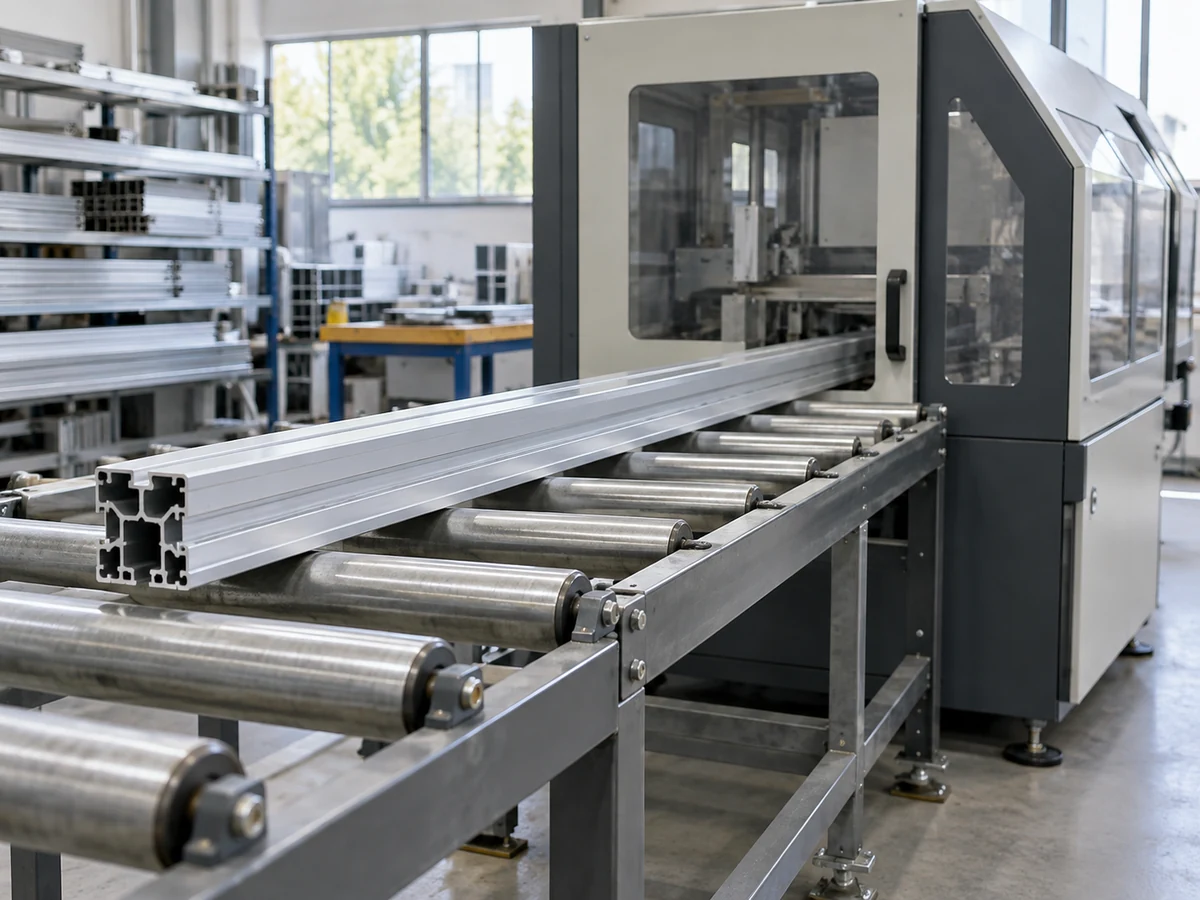
Request the released drawing, alloy and temper, section orientation and permitted incoming stock condition. The slotted extrusion photos on this page illustrate why the profile face matters; they do not represent either referenced manufacturer’s section. If the drawing calls for a seal groove, mark that face as a protected assembly interface. Do not substitute a visually similar profile without approval.
2. Convert rack variants into member lengths
Catalog rack lengths and storage capacities describe finished products. They are not automatically saw cut lengths. For each rack variant, list crossbar part number, blank length, quantity per unit, datum end and revision. If a bracket or end plug occupies length, the assembler must release the resulting blank dimension. Keep the finished rack envelope and the bar cut list in different columns.
3. State when rubber or surface finish is applied
A bare extrusion and a coated bar present different contact surfaces to rollers, stops and clamps. Specify whether the saw receives raw stock or a finished surface. For finished stock, agree on sacrificial contact zones, protective packing and acceptance of visible marks before a trial. For raw stock, identify the later finish or seal operation without claiming that cutting alone proves its quality.
4. Define the end condition without overclaiming fit
Ask for the cut-face requirement, burr limit or approved deburring step, and the inspection datum. If a cap, seal or bracket enters the end, give the approved interface drawing and decide who checks assembly fit. A clean cut face is useful evidence; it is not evidence that the rubber grip or retention geometry works in a finished rack.
5. Keep the kit traceable
Bundle parts by rack size and revision, with piece counts and a label that distinguishes upper aluminum bars from purchased rubber and steel components. If left- and right-hand features differ downstream, do not let a generic “bar” label erase that distinction. Confirm whether the supplier ships loose cut blanks, prepared bar kits or a completed assembly.
6. Approve a representative first-off
Choose actual approved stock that represents the longest handling case and the most sensitive surface state. Record the drawing revision, stock ID, support and locating method, cut-length readings, cut-face observations and pack-out condition. The buyer can then authorize the next batch against defined evidence. The assembler should perform a separate fit check with the real seals, brackets and rack structure.
Use the trial to compare the right saw route
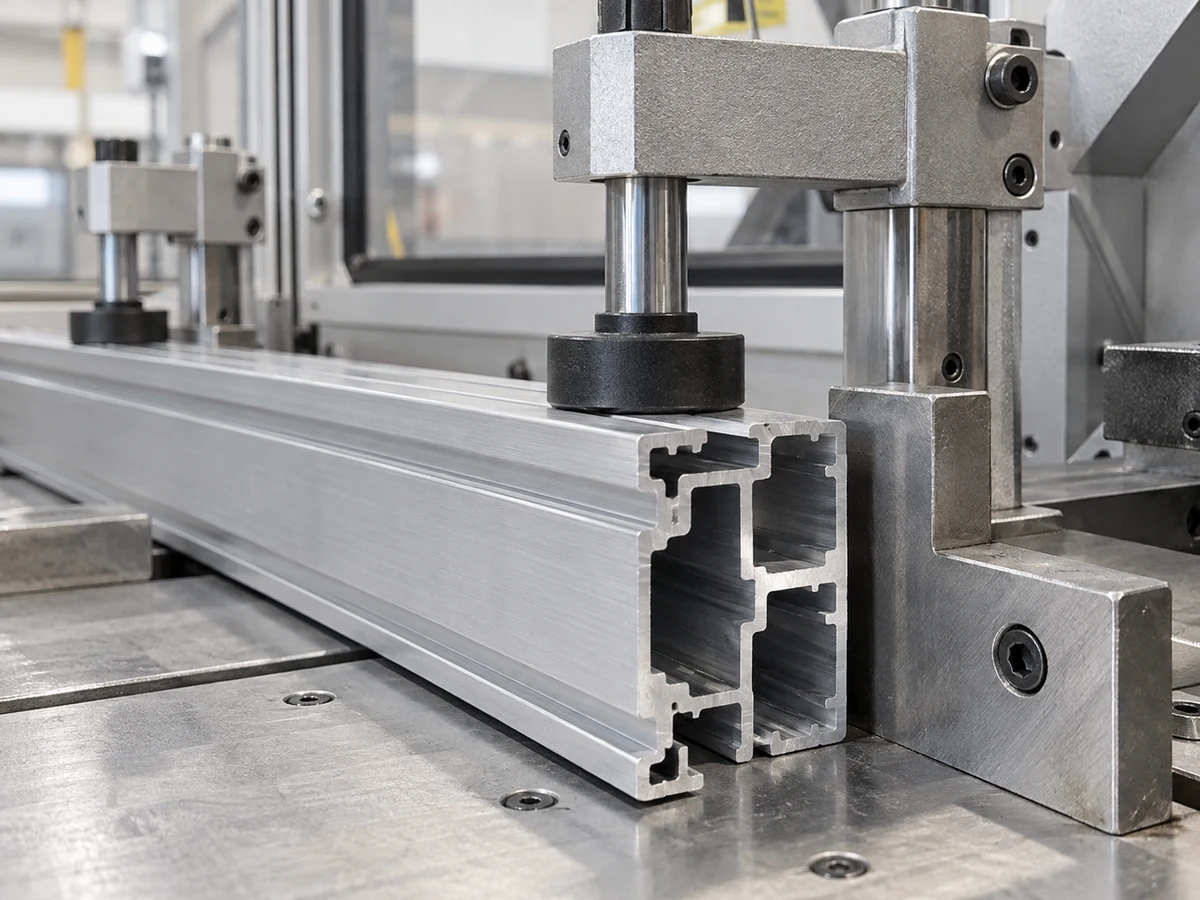
Bring the material’s real section and length range to the machine discussion. Check upstream support, how the approved face contacts guides and clamps, stop repeatability, outfeed handling and a safe way to inspect the first piece. A profile cutting machine page can help frame equipment questions, while a batch record plan helps keep readings tied to the released part. Request a trial on your stock and drawing before treating any machine configuration as suitable.
The following Jiurun channel video is a related equipment view. It does not show a ski rack crossbar, the referenced products, a customer order, a specific configuration for this RFQ or measured performance.
Send a quote package that can be answered
For a practical comparison, send Jiurun the crossbar drawing and revision, stock sample, member schedule by rack size, incoming finish state, protected faces, end condition, trial quantity and first-off acceptance method. State whether rubber parts, steel frame work and assembled-rack checks are outside the cutting scope. Contact Jiurun with that package to discuss a machine trial for the released aluminum blank.