
Retractable belt stanchion aluminum post cutting starts with the actual section drawing. A queue stanchion may look like a simple upright tube, but the purchase order can cover very different scopes: a cut post blank, a prepared post with holes or slots, a knocked-down kit, or a complete belt-and-base assembly. An aluminum-cutting supplier can quote the blank accurately only when the buyer separates those scopes. This guide gives seven checks for an OEM RFQ and for receiving cut posts. It is a purchasing framework, not a tested stanchion design.
Commercial examples show why the section drawing matters. Lavi describes a portable post made from a continuous aluminum extrusion with dovetail grooves, while Visiontron lists utility stanchions with aluminum or PVC posts and separate bases. Those examples establish possible constructions; they do not define your own post, Jiurun machine configuration, or a qualified cutting result.
1. Identify the exact extrusion or tube, not just its diameter
Send the current cross-section drawing, alloy/temper, wall dimensions, finish state, and a physical sample where possible. A round hollow tube and a grooved aluminum extrusion can share an outside envelope yet need different contact surfaces and downstream interfaces. Mark which side is the visible face and which grooves, seams, or internal features must stay undamaged. Do not substitute a plain tube for a keyed post because the finished assembly appears round from a distance. For retractable belt stanchion aluminum post cutting, the actual section controls the fixture discussion.
2. Define what the cut length measures
Give a nominal length, tolerance, datum, and measurement method. State whether length runs from raw cut end to raw cut end, from a cap seat to a base interface, or to a finished assembly datum. A post cut to the correct blank length can still produce the wrong overall stanchion height when the head, belt cassette, feet, or base hardware are added. Put any machining allowance and finish allowance on the revision-controlled drawing.
3. Specify support and clamp contact
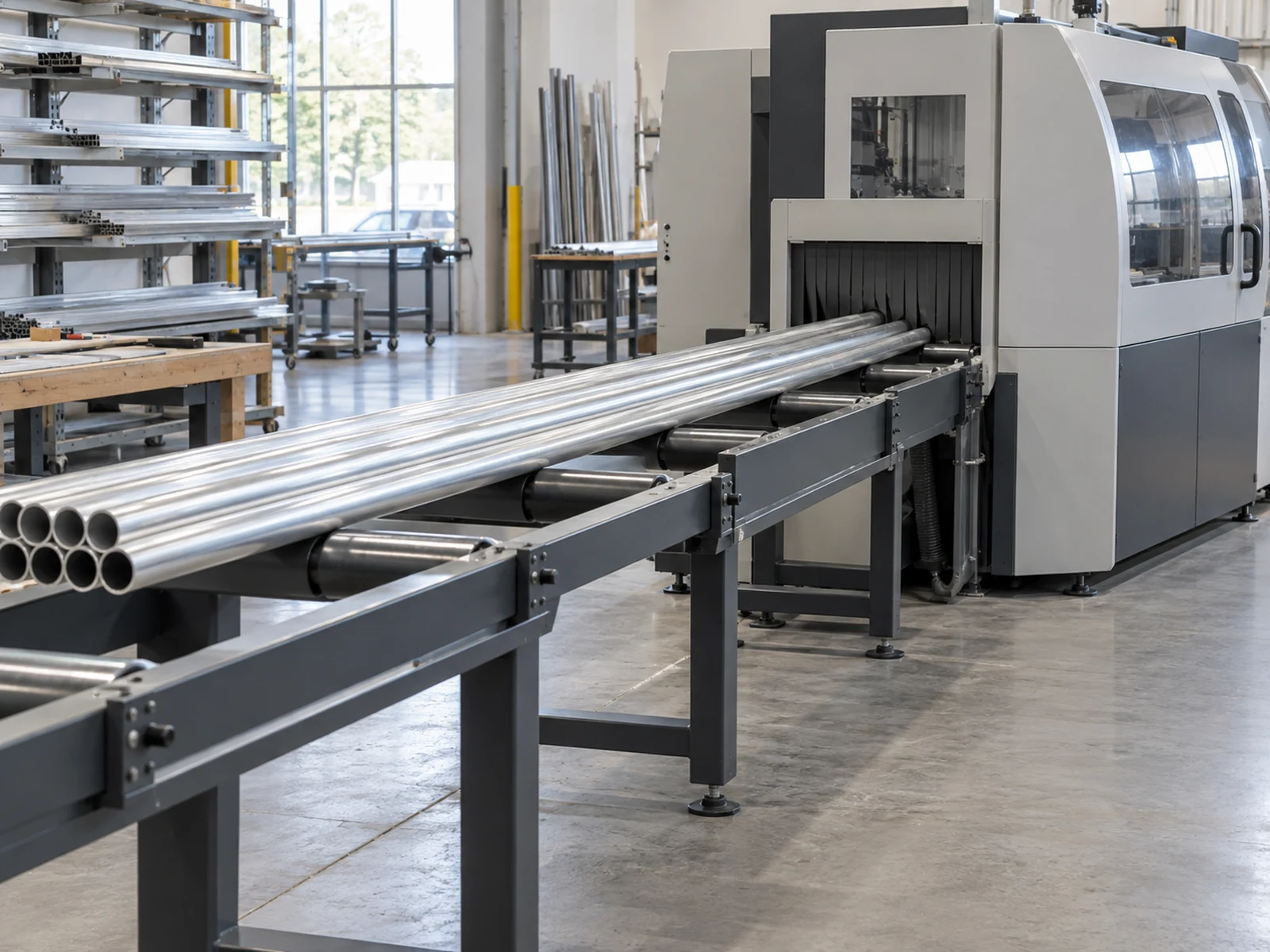
Long, slender stock can move or mark at the saw if support and clamping are poorly matched to its section. Ask the supplier to show the proposed infeed support, local clamp contact, and outfeed handling for the actual sample. For a grooved extrusion, identify approved contact lands; for a round tube, identify how rotation will be controlled. A photo of generic round-stock feeding cannot prove the fixture works on a different grooved post.
4. Write an end-quality acceptance rule
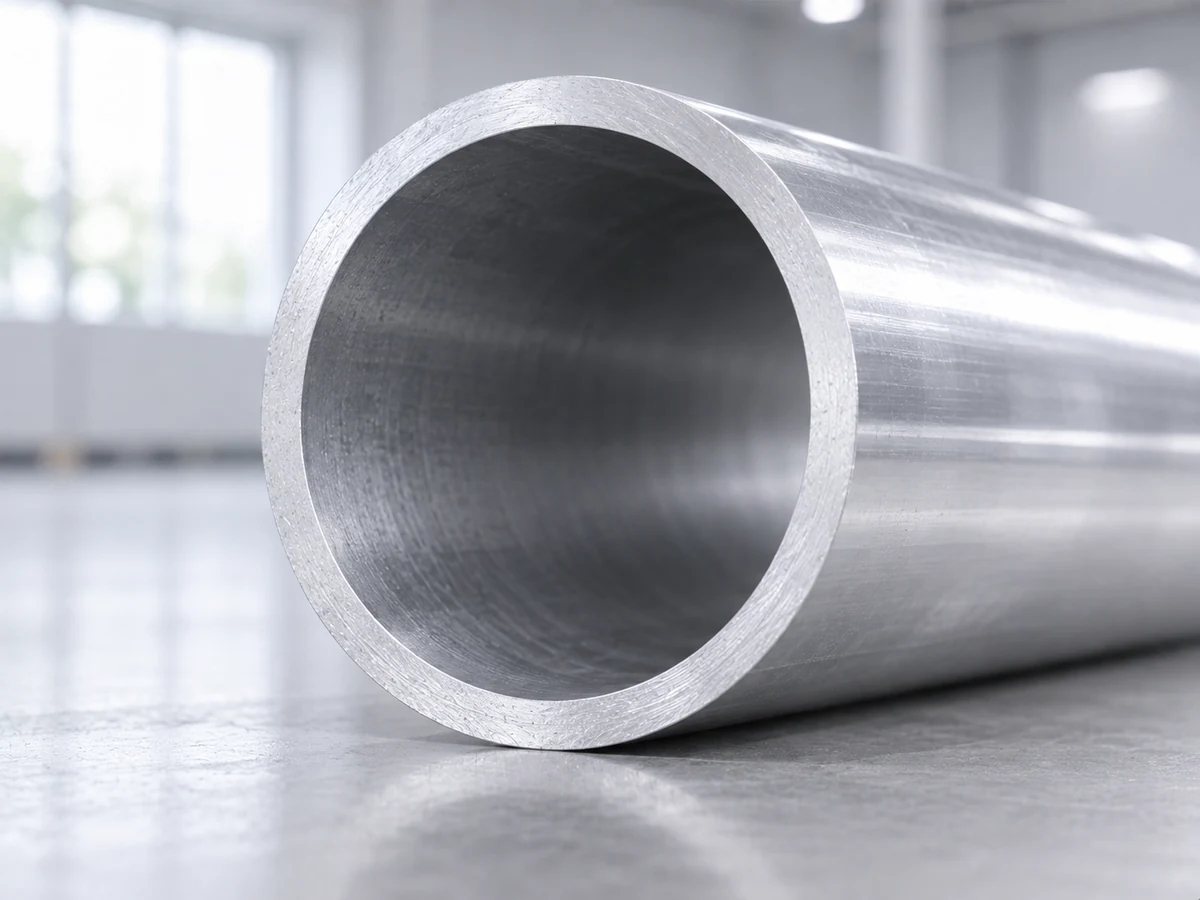
Define allowable burrs, visible scratches, deformation, squareness, and edge treatment in terms the receiving team can inspect. Consider whether a cap or cassette covers the end, whether a connector enters the bore, and whether the cut edge remains touchable. Request first-off samples and agree the gauge or reference piece before full production. A clean-looking photograph does not establish a measured tolerance or safe edge.
5. Separate cut blank work from post preparation
List every operation after sawing: deburring, drilling or slotting for the belt head, tapping or inserting a base fastener, cleaning, finishing, and assembly. If the cutting vendor only supplies blanks, the RFQ should say so. If the vendor must prepare the post, provide hole and slot drawings with position datums and acceptance criteria. Never assume an aluminum saw performs those secondary processes merely because a finished stanchion needs them.
6. Define packaging and lot identity
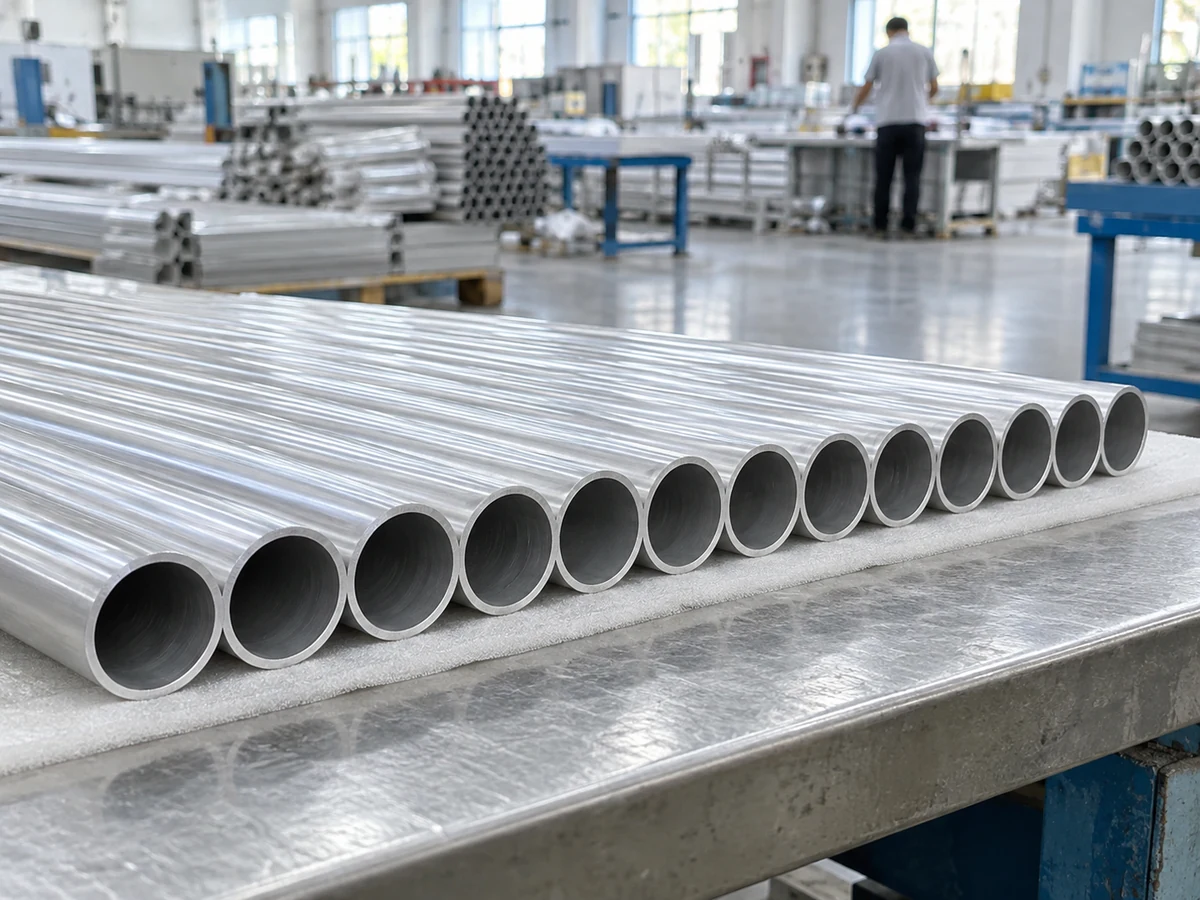
Give the target batch size, permissible mixed revisions, protection for visible surfaces, end-cap or separator requirements, and label fields. A receiving team should be able to match each bundle to its part number, drawing revision, quantity, and lot. State how to handle short pieces and setup samples so they cannot be mixed with accepted blanks. Transport scratches and swapped lengths are purchasing risks even when the initial cut is accurate.
7. Keep finished-product tests with the assembly owner
Ask who supplies and validates the belt cassette, head, base, fasteners, and any stability or durability test. Visiontron’s premium line describes multiple post materials and assembly options; this reinforces the need to freeze the exact bill of materials. Saw-cut acceptance covers the agreed post blank. It cannot, by itself, certify belt retraction, crowd-control suitability, tip resistance, or the finished product’s compliance.
Retractable belt stanchion aluminum post cutting: first RFQ
For retractable belt stanchion aluminum post cutting, send one package with the post drawing and revision, material certificate requirement, raw section or sample, order quantity, blank length and tolerance, finish condition, end-quality criteria, secondary-operation boundary, sample approval plan, and packaging/label requirements. Ask the supplier to state exclusions in the quotation. The same scope discipline applies to other upright tube assemblies; our bicycle repair stand tube-cutting RFQ guide explains how blank and complete-assembly responsibilities diverge.
Equipment example: what the video shows
The following video from Jiurun Machinery’s own YouTube channel shows an industrial aluminum angle-saw demonstration. It helps illustrate a related cutting process, but it does not show a verified stanchion post, this article’s section or fixture, a customer run, or a performance test.
Need to quote a post blank? Send Jiurun your drawing, revision, real section photo or sample, cut length/tolerance, and monthly volume through the contact form. For retractable belt stanchion aluminum post cutting, ask for a fixture and first-off review of your actual section before treating any machine example as a production promise.