
A remote aluminum saw trial can help a buyer decide whether to proceed with a quotation, visit, or shipment, but a live call only answers the questions that were agreed before the camera turns on. A smooth cut on an unidentified profile does not establish that the quoted configuration will process your drawing, hold an agreed finished-part requirement, or work at your site. Treat the call as a witnessed evidence session with a written decision record, not as a general machine demonstration.
Decide what the remote trial must prove
Start with the purchase decision. Are you comparing two machine concepts, confirming a fixture proposal, or deciding whether a specific build can move to factory acceptance? Write one question for each decision and name the evidence that would answer it. If the buyer has not supplied its stock and part requirements, the seller can still show general equipment, but the result must stay at that general level.
Send the drawing revision, alloy and temper if relevant, profile cross-section, stock length, intended cut orientation, finished length datum, angle, surface concerns, and expected production mix. Mark any customer-specific information confidential before sharing it. Identify which profile faces may contact the support and clamps, which end is measured, and whether the sample is representative of the difficult jobs rather than the easiest one. Agree which items are demonstration conditions and which are contractual acceptance criteria.
A practical trial brief has four columns: requirement, agreed method, recorded evidence, and decision owner. For example, “finished length from datum A” needs a drawing revision, measuring method and result table; “safe loading” needs a view of the normal guarded sequence and the buyer’s own safety review. Do not substitute a machine display value for a measured finished part. A quoted feeding specification is not a guarantee of finished-part accuracy.
Prepare identities and camera views before the call
Ask the supplier to identify the machine being shown, its build or serial reference when available, the installed blade and fixture configuration, the stock being cut, and the drawing or trial sheet in use. Match this information to the quotation. If a camera cannot clearly show an identifier, use a dated pre-call photo or document in the evidence pack and say what remains unverified. A similar production machine may be useful for process discussion, but it is not evidence that your ordered unit has the same options.
Plan a wide view that keeps the guarded machine, operator station, infeed and outfeed visible. Add a closer view of the support and clamp interfaces while the machine is stopped and safe to inspect. A separate bench view can show labelled parts and measurement. Ask the operator to state when a scene changes, especially when moving from a demonstration cut to a measurement. If the call drops, record the gap rather than presenting clips before and after it as one uninterrupted cycle.
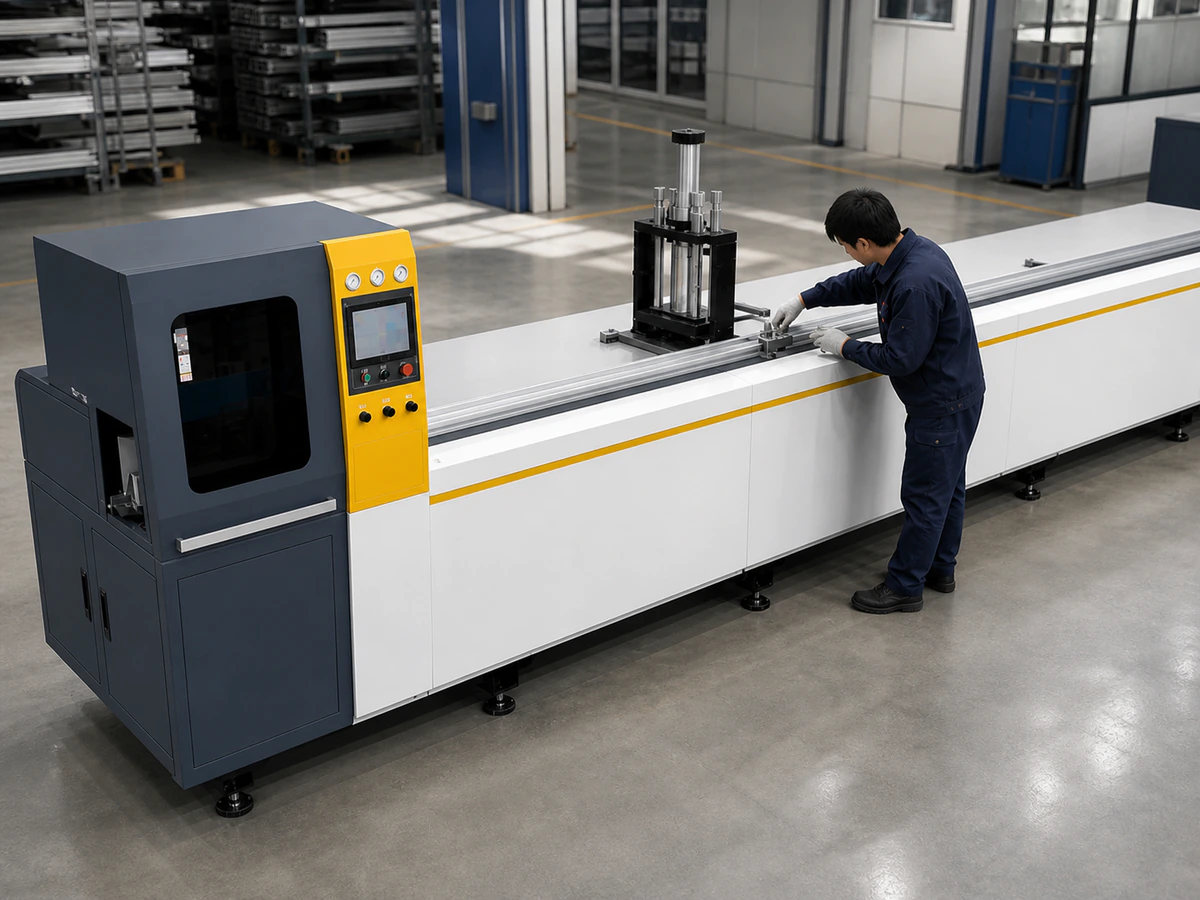
Keep safety ahead of the shot list. No one should bypass a guard, lean into a moving cutting zone, or expose a hazard to obtain a clearer video. If an important contact point is hidden during operation, stop the machine and inspect it under the site’s safe procedure. The OSHA machine-guarding eTool describes general guarding principles; applicable local rules and the machine’s instructions govern the actual demonstration.
Witness a sequence, not a highlight
At the start of the live remote aluminum saw trial, show the labelled incoming stock and the written trial sheet. Observe ordinary loading, positioning, clamping, cutting, discharge and part collection. Ask for at least one continuous wide-view sequence of the agreed job. If a setting must change, record the reason and the before/after condition. A close-up of a neat cut face can support visual review, but it cannot replace a full view of the operating sequence.
Choose sample points before the run. The brief may call for an early part, a later part, and a part after a planned changeover or restart if those events matter to the intended use. The number and selection method should reflect the actual purchase question; do not announce a statistical capability conclusion from a few remotely observed parts. When the buyer cannot control part selection, have the supplier state who selected each piece and mark that limitation in the record.
For each retained piece, give it an identifier that links it to stock, drawing revision, machine setup, cut sequence and measurement row. Photograph the label with the part. If samples will be shipped, agree packaging and a receipt check so the pieces received are the ones discussed on the call. A video file without this link can be difficult to compare with later inspection or repeat orders.
Make the measurement record reviewable
Before any result is read aloud, agree which feature is measured, its datum, the instrument and its condition, the measuring method, and who records the value. Ask to see the zero or reference check where appropriate. Record units, individual values and the drawing limit instead of a single “pass” statement. Include any uncertainty or method limitation that matters near a decision boundary. A camera pointed at a caliper display can show an observation, but it does not by itself establish calibration, traceability or that the jaws contacted the intended feature.
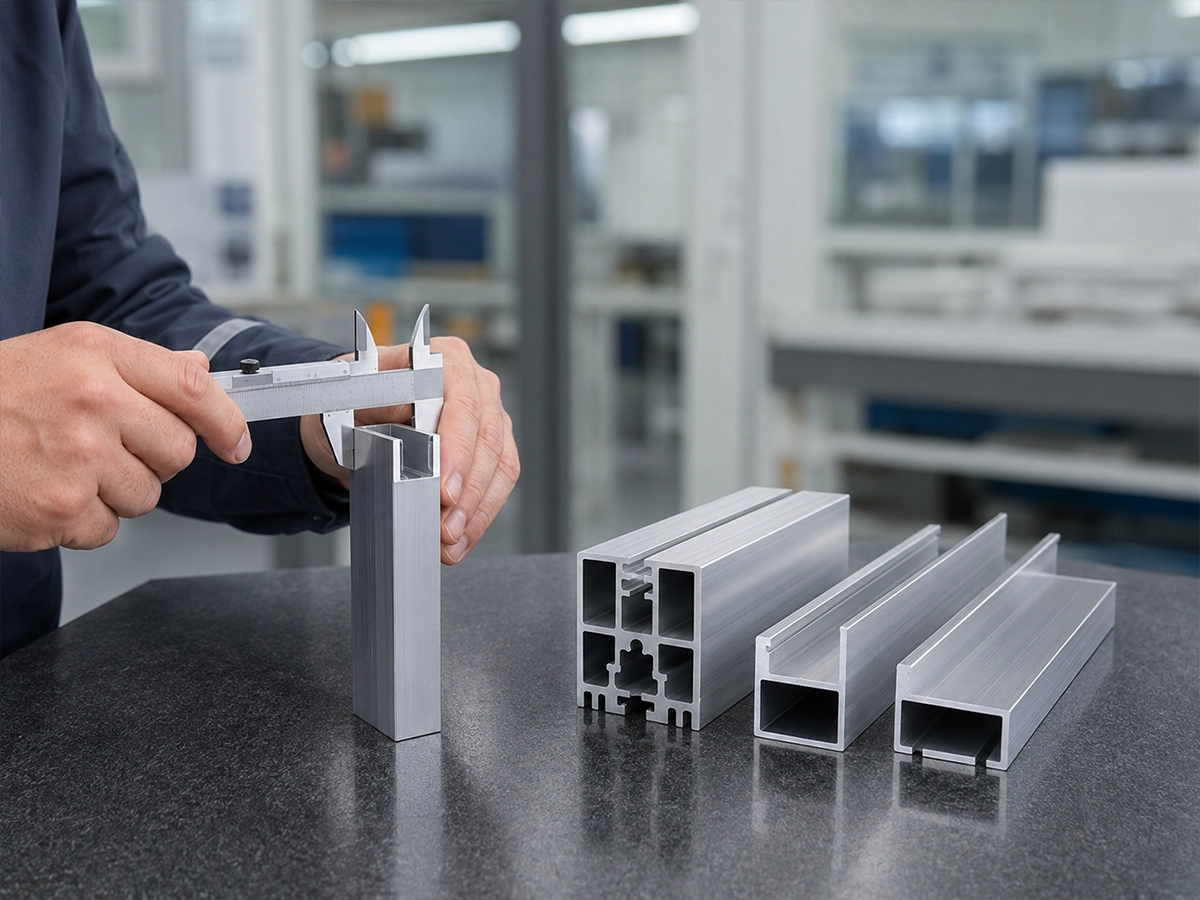
NIST’s explanation of metrological traceability is useful background for this distinction: the claim attaches to a measurement result and a documented chain of references, not simply to the presence of an instrument in a video. Ask for the supplier’s actual measurement record and the information needed to assess it. If a critical dimension cannot be verified remotely, state that it remains open for sample inspection, a witnessed factory test or site acceptance.
Separate what was seen from what was inferred
Use an evidence log with three labels: directly observed, supplied afterward, and not verified. “Observed” might include a continuous guarded cut and the part label shown on camera. “Supplied afterward” might include an instrument record or additional measurement sheet. “Not verified” could include the customer’s exact alloy, a hidden fixture feature, long-run stability, or production performance at the destination site. This separation prevents a polished video from becoming a broader claim than the evidence supports.
The ISO auditing practices group’s discussion of remote methods offers an analogous planning lesson about access, technology and evidence limits. It is not a saw acceptance standard. For a machine purchase, the buyer and supplier still need their own agreed trial and acceptance criteria.
Close with a decision and the next physical check
End the call by comparing every requirement with its evidence and assigning a disposition: supported for the stated condition, conditionally open, or not demonstrated. Name the person who will close each open item and the document or sample required. A promising remote session can justify the next purchasing step, but it should not silently replace factory or site acceptance. Factory and site checks answer different questions, and the final installed process still depends on the buyer’s stock, utilities, handling and operators.
If the trial exposes a fixture or measurement issue, revise the specification and run the relevant check again rather than simply adding a verbal promise to the quote. If the evidence is incomplete because of poor camera coverage or connection loss, schedule a focused follow-up. Preserve the original footage, trial sheet, part labels and result table together so later reviewers can see what changed.
Request a useful remote trial
For a remote aluminum saw trial, send JiurunCut your drawing revision, aluminum profile and stock details, proposed cut list, required finished-part checks, and the decision you want the trial to support. Ask which machine and configuration can be shown, how the sample will be identified, and which measurements can be recorded. We can then discuss a practical evidence plan and clearly mark any condition that requires a physical sample or on-site verification. Send your drawing and trial requirements.
General equipment footage: The JiurunCut channel video below shows an aluminum cutting machine in operation as a process example. It does not prove the specific material, quoted model or configuration, customer, witnessed trial, measured result or performance discussed in this article.