
Portable massage table aluminum frame cutting should be quoted against released metal parts, not against the size printed on a finished table listing. Overall table length, width, and adjustable height describe the usable product. They do not identify a saw-cut member, a stock section, or the length of an inner or outer leg. Before choosing a saw or pricing cut blanks, the buyer needs a part register, drawings, material form, and an agreed receiving stage.
Actual portable tables use different constructions. Earthlite’s Luna product sheet describes an aluminum frame alongside bracing, cabling, cushioning, and upholstery. A separate Earthlite Versalite Pro sheet lists a lightweight aluminum frame and telescoping legs. These are examples of finished product architectures, not drawings of the raw stock, proof of a Jiurun setup, or evidence that the two models share parts. The frame owner must release the relevant section and part schedule for each design.
Decide which stage you are actually buying
A complete table includes a supported top, pads, upholstery, hinges or joints, legs, braces, cable or other support hardware, headrest components, and a carrying package according to its design. A supplier of cut aluminum pieces is responsible for a much narrower stage. Do not place finished-table stability, adjustment, or user safety claims into a saw-cut quotation.
- Complete table: the supplier delivers an accepted finished product. There may be no in-house metal cut to procure.
- Prepared frame or leg assembly: the buyer receives joined, drilled, finished, or fitted components. Confirm which cut operations are already included.
- Cut-member kit: the buyer receives separately identified aluminum members to a drawing and inspection plan. Assembly and functional qualification remain downstream.
- Long stock: the buyer retains section review, cutting, part identification, and subsequent operations.
Compare proposals at the same accepted stage. A price for long stock cannot be compared directly with a price for finished legs or an assembled table. Include every remaining operation and its inspection responsibility when making a make-or-buy decision.
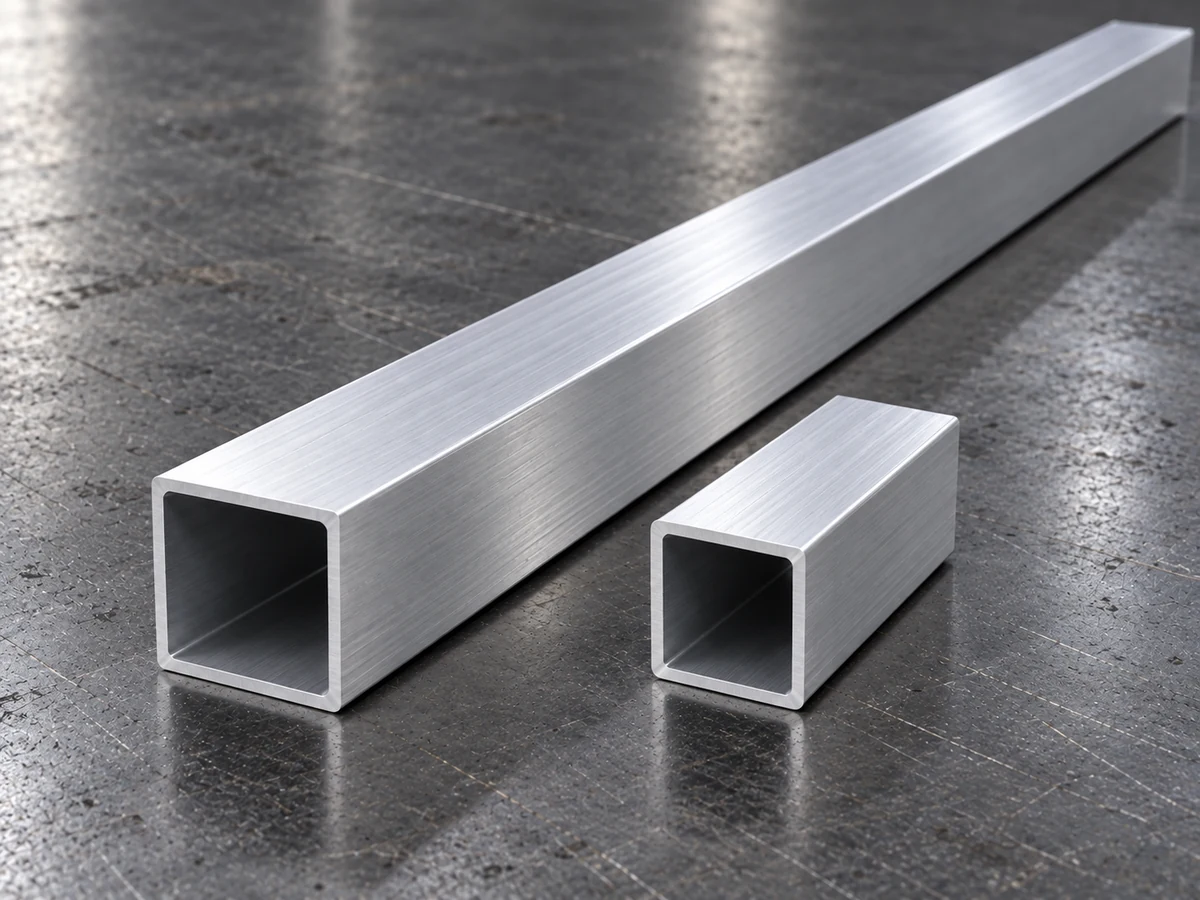
Portable massage table aluminum frame cutting needs a member register
For a design that actually uses saw-cut aluminum, list each eligible component by part number and revision. Possible families include perimeter members, leg tubes, brace pieces, or rails, but the finished product photograph cannot establish which are extrusion, tube, formed sheet, casting, or bought hardware. Mark any non-aluminum and non-saw operations separately. If a telescoping leg is part of the released design, identify its inner and outer members independently rather than calling both a “leg.”
For every member, record section shape and dimensions, alloy and temper when specified, surface state, input length, cut quantity per table, hand or orientation, end style, and downstream receiver. A frame may have left and right parts that look similar but differ at joints or later holes. Put that distinction in the cut list and labels. The table’s shipping, deployed, and adjustable dimensions belong in product information; the cut length belongs in the component drawing.
Keep adjustable height separate from the blank length
An adjustable table height is the result of the assembled support system. It can involve overlapping members, stops, locks, braces, and the table top. It is not a number that can be sent to a saw as a cut length. For an inner and outer leg pair, the buyer should define the physical length datum and end condition of each blank and identify any stock allowance controlled by later drilling, facing, finishing, or assembly. Do not derive overlap or clearance from a catalog height range.
If a hinge, brace, or leg interface needs an angled end, specify the angle, long and short sides, datum face, and left/right orientation on a drawing. If the actual part is square cut, say so. Let the frame designer determine geometry and tolerances; the saw supplier should demonstrate whether the released member can be held and cut as specified.

Assess holding and surface protection on the real stock
Hollow members and finished faces change how a piece should be located, clamped, supported, and collected. The quotation should name the face used as a datum and the faces that must remain free of marks. A short, thin-walled cut-off may need control at the blade exit; a long incoming member needs stable support before it reaches the saw. If the section can deform under contact, the trial must check that risk on the proposed material rather than relying on a catalog capacity statement.
Ask the supplier to show the exact physical input and fixture contact in a trial. Keep the stock finish, protective film, and any permitted clamp impressions in the sample record. Discuss burrs and cut-face condition at locations that later join, telescope, or receive hardware, but do not call a visually clean end an accepted assembly fit until the buyer has measured and tested it.
Use first-off parts to separate saw acceptance from product approval
A first-off should include representative section families and relevant length extremes. Measure the cut member against the released part drawing, not the finished table size. Confirm the stated datum, length, angle if applicable, end condition, visible-face damage, part identity, and batch traceability. If a leg pair is meant to telescope, the design owner should check the downstream prepared or assembled pair after all required processing. A saw-cut sample alone does not prove final adjustment, stability, or carrying performance.
Document both an accepted sample and any disputed or rejected features. Keep the stock lot, setup, tool, measuring method, and drawing revision with the record. A change in section supplier, finish, wall condition, or part revision may require another first-off. This is especially important when one table family uses several leg or brace variants that look alike on a bench.
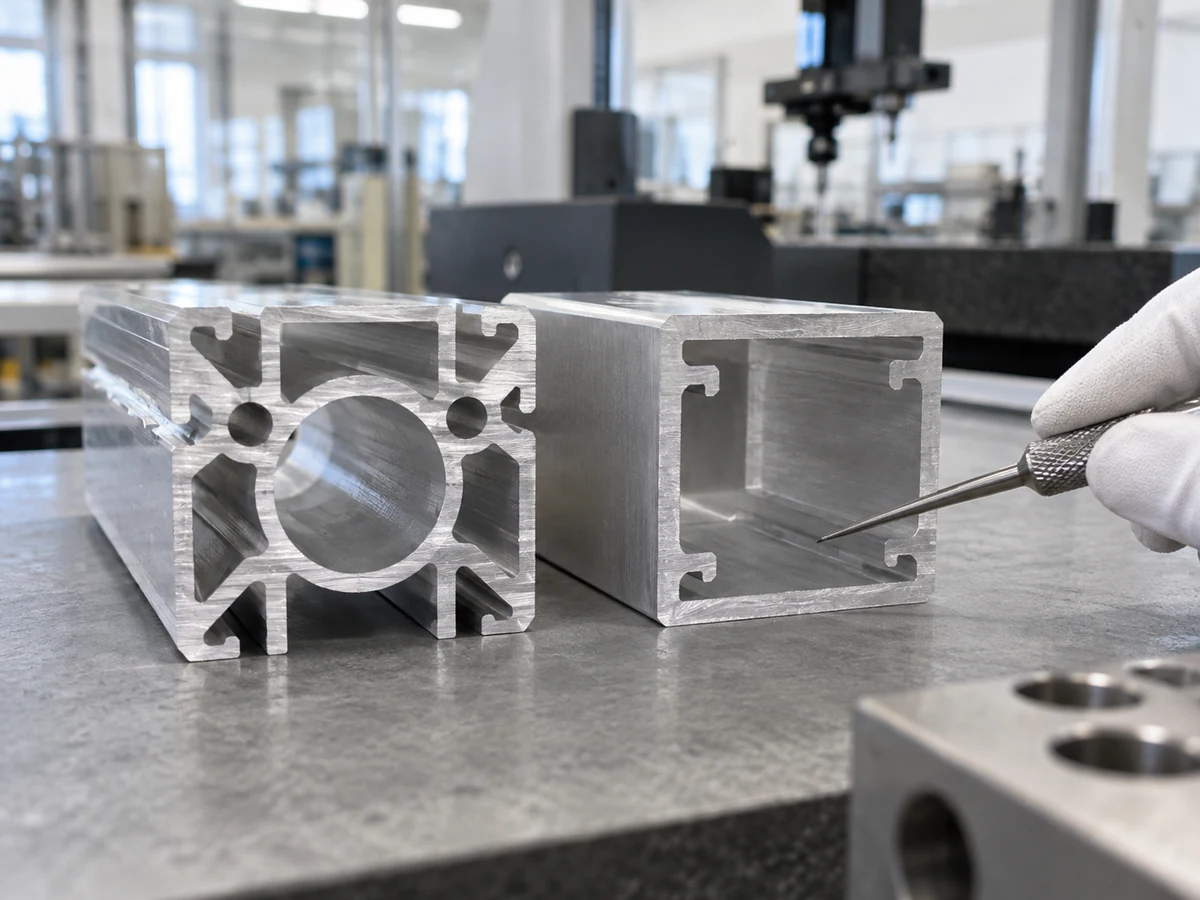
Compare a retained cut route with prepared-component supply
If the factory is considering a saw purchase, forecast the number of released aluminum members that will actually be cut in-house. Separate those from bought frames, legs, upholstery, cables, fittings, and complete tables. For each route, choose the same time period, product mix, accepted receiving stage, and quality definition. Include stock and minimum order costs, saw setup and tooling, fixture and support work, cutting labor, sample approval, production inspection, scrap, finishing, storage, packaging, outside operations, and any rework needed before the frame is ready for assembly.
Then compare the retained route with prepared parts at the point where both meet the same buyer acceptance criteria. If a supplier delivers an assembled leg set, its price includes tasks not present in a bare blank. If the factory cuts only a rough member, later hole making, joining, finishing, and product verification still need owners and budgets. Present uncertain numbers as assumptions to validate, not measured savings.
Eight items for the RFQ packet
- State whether the quote is for cut blanks, prepared frame parts, an assembly, or a complete table.
- Supply the released drawing and revision for each eligible aluminum section and member.
- Separate inner and outer telescoping pieces, left and right parts, and different brace families.
- Define cut-length datum, end geometry, orientation, and drawing-owned tolerances.
- Identify visible surfaces, finish state, allowed clamp contacts, and packaging protection.
- Give input stock lengths, batches, annual mix, changeover pattern, and accepted output unit.
- Specify a first-off sample plan, measuring method, reject rule, and assembly handoff owner.
- List later drilling, joining, finishing, upholstery, hardware, and functional qualification outside the saw scope.
These details let a supplier discuss the proposed machine and sample setup in terms of real stock. They also prevent the error of converting a finished-table listing into an unsupported blank dimension. For a related example of keeping frame members separate from assembled geometry, see our aluminum bed-frame cutting guide; use its scope logic, not its part sizes.
General equipment example
The video below comes from Jiurun Machinery’s own channel and shows general aluminum saw equipment. It does not show a massage-table leg, the sections in this article, a verified fixture for them, a customer job, or a measured product result. A suitable model and trial method must be assessed against the buyer’s actual stock and drawing.
Send the actual member package
To discuss a cutting proposal, provide the section drawings or samples, cut list, finish and contact rules, sample acceptance plan, and the intended receiving stage. Distinguish table-wide dimensions from each aluminum blank and identify which parts will arrive already prepared. Contact JiurunCut with the member drawings and batch requirements for a review based on real parts.