
Camping shower aluminum frame cutting starts with the product architecture: a folding annex, roof-rack awning or freestanding tripod can each use different straight members. Those products do not share one universal pole schedule. If an RFQ says only “cut the aluminum shower frame,” a saw supplier cannot tell which straight members are included, where length is measured or which joints and accessories belong to the assembly supplier.
This guide covers sawn aluminum pole and arm blanks made to a released drawing. It does not qualify fabric, plumbing, waterproofing, anchoring, wind resistance or the finished shelter. Use the seven checks below to turn a concept into a cut-part quotation that can be inspected and handed to the next operation.
1. Name the frame architecture and the cutting boundary
Start with the actual assembly drawing. Northpaw’s Retreat annex describes an aluminum-alloy frame and poles; C-Camp’s shower awning uses roof-rack-mounted aluminum arms; and Boundarytec’s shower tripod is a third, freestanding arrangement. These are examples of different product architectures, not specifications for a Jiurun project. State whether the quote is for straight legs, awning arms, cross-members or only replacement blanks. List fabric, brackets, hinges, telescoping locks and hose hardware as separate scope.
2. Release a line-by-line pole and arm schedule
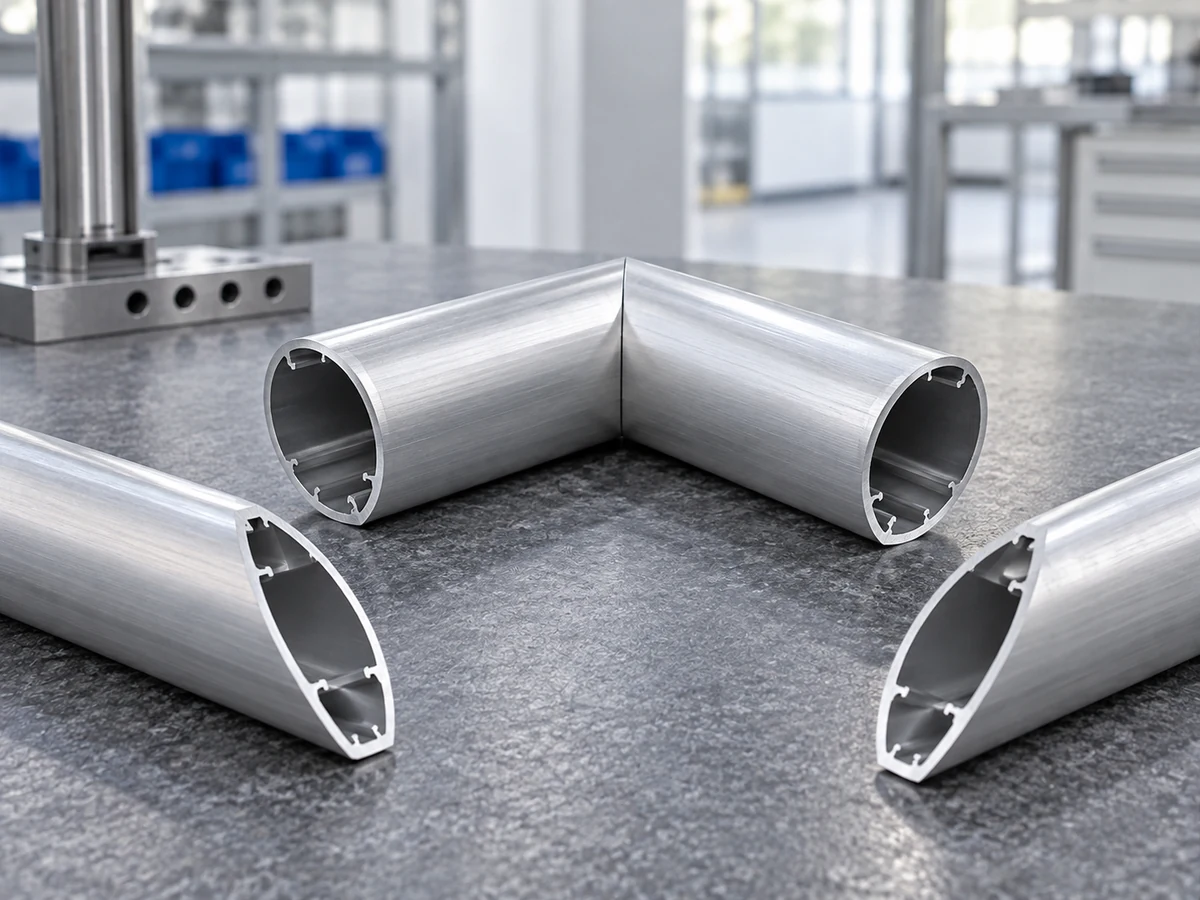
Give every blank a part number, quantity per kit, profile designation, alloy and temper from the approved design, outside dimensions, wall thickness and required finish state. Note whether the stock is round tube, another hollow extrusion or a shaped arm; do not let the supplier substitute one because a photo looks similar. Include the intended purchase quantity and any spare-part mix so batch handling can be quoted honestly. If a telescoping member is involved, identify its inner and outer parts separately; cutting length alone does not establish sliding fit.
3. Define the length datum and end geometry
For each part, specify finished cut length and tolerance from a named datum. A square-cut pole measured end-to-end is different from an angled arm measured to its long point, short point or centerline intersection. Add a drawing of the end orientation relative to any holes, slots or visible face, and label left-hand and right-hand parts. Identify deburring and cut-face condition separately from a later drilled, swaged or joined end. If the design needs mitered corners, supply the angle and handedness rather than asking a shop to infer them from a shelter photograph.
4. Confirm the stock support and clamping plan
Thin-wall hollow poles can move under a clamp or leave a burr at the end. Ask the cutting supplier to identify the contact points, the stock support before and after the blade, and the way a repeat stop references each section. The fixture must suit the released profile without crushing, marking or allowing rotation; a practical setup may differ between a round pole and an extruded awning arm. This is a quotation question, not a claim that one machine setup works for every shower frame.

5. Separate assembly and exposure requirements from the saw cut
A shower enclosure may be carried outdoors, splashed or packed while damp. Those conditions affect product design and finish choices, but a clean saw cut does not prove corrosion resistance, waterproofing, wind stability or safe installation. The buyer should own the joint design, material/finish approval and any validation plan. Tell the cutter which cut edges will remain exposed, receive caps, enter a sleeve or go to a downstream finishing step. If a powder-coated or anodized part is supplied as finished stock, state whether the cut edge needs a separate treatment and who performs it.
6. Agree on a first-off sample and inspection record
Before full quantity, request one first-off piece for each distinct profile, length and end condition. Record the drawing revision, actual measurement datum, cut-face condition, burr condition and any visible clamp marks. For mating members, the assembly owner should check fit against the intended connector or hinge; the saw supplier should not certify the complete shower shelter from a cut-part measurement. Establish acceptance and rework rules before the first-off is approved.
7. Quote the delivered kit, not an unidentified pile of lengths
Ask how parts will be labeled and separated by part number, handedness, kit and revision. Specify protective handling for visible surfaces and a count check at packing. A carton of mixed poles may meet individual cut lengths but still create a costly sorting problem at assembly. If the supplier is quoting only saw-cut blanks, keep bagging, connector installation and final product packing out of the scope unless explicitly listed.
Camping shower aluminum frame cutting: what to send in the RFQ
For camping shower aluminum frame cutting, send the released assembly and part drawings, a line-item schedule, approved stock specification, length and angle datums, tolerance and cut-edge requirements, quantities, first-off inspection points and delivery labels. Flag downstream drilling, finish treatment and joint validation as separate work. For a related example of part-number discipline in a different portable frame, see our portable hammock stand strut RFQ guide; for another tube-kit comparison, see the golf practice net frame guide. Neither product establishes a specification for a camping shower.
Need a cutting quotation? Share the released pole or arm drawings and the seven items above through JiurunCut’s contact page. State exactly which blanks you want quoted so the discussion can focus on the cut scope and the information still needed from your frame designer.
Related equipment video
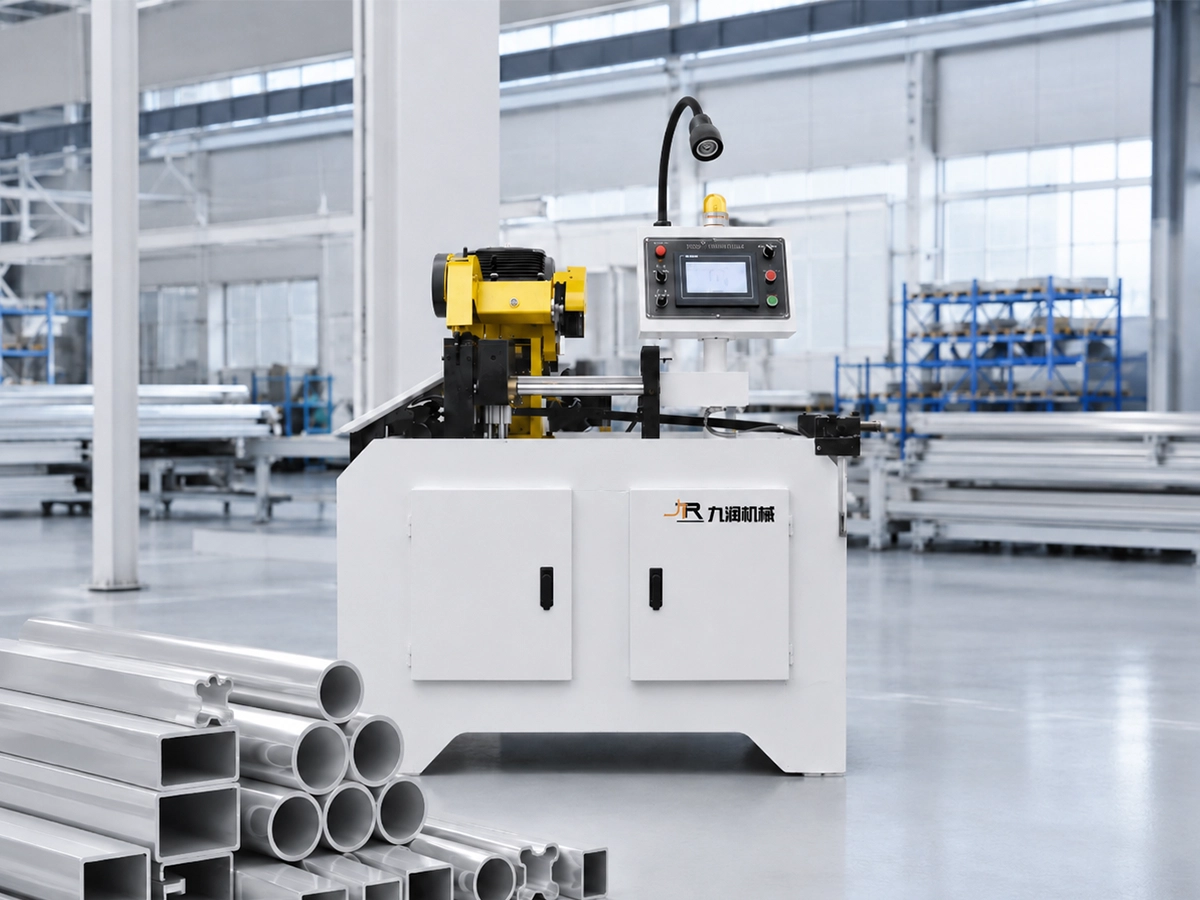
The following video is from Jiurun Machinery’s own channel and shows related aluminum cutting equipment. It is an equipment illustration only; it does not demonstrate this camping shower material, model configuration, customer order or performance.