
Portable hammock stand aluminum strut cutting begins with the stand manufacturer’s released member list, not the advertised span or packed size. A stand that suspends a hammock has its own joints, feet, attachment points and assembly sequence. A saw can prepare approved straight aluminum blanks, but cutting a length does not qualify the assembled stand. This guide helps an OEM or authorized fabricator prepare a useful cut-member RFQ and compare blank supply with a prepared strut kit or a finished stand.
Product examples show why one universal cut list would be misleading. Thunder-Domes lists twelve aluminum struts and seven polyurethane hubs for its Hang Solo frame-only package. Anymaka describes a folding aluminum-frame stand. Tensa Solo describes a segmented telescoping aluminum pole with suspension and anchoring components. These are separate designs, not a Jiurun customer drawing, stock specification or machine trial. Obtain the actual product owner’s approval before proposing a substitute strut.
1. Identify the stand architecture and delivery stage
Start with the exact product family, revision and intended delivery stage. Is the buyer supplying saw-cut blanks to its own assembly plant, buying prepared struts with holes or inserts, or sourcing a complete stand? Is the product a free-standing frame, a folding arm system, or a pole-and-anchor arrangement? Those architectures place different demands on the member ends and on parts outside the saw operation. Do not group them as interchangeable because they all hold a hammock.
Define the quoted unit: one physical blank, one matched strut set, one stand frame without fabric, or one complete retail package. Include connecting hubs, feet, suspension loops, pins, sleeves, straps and packaging only when the relevant supplier actually provides them. The hammock fabric itself may be sold separately. A price per cut length cannot be compared directly with a complete-stand price until the remaining parts, processing and validation work are included.
2. Release a member-by-member cut list
Assign a part number and revision to every straight aluminum member. List stock section and drawing, alloy and finish at the saw, blank length, datum, quantity per stand, annual or batch volume, cut-end requirement and protected surfaces. Separate mirrored left and right parts, long and short struts, telescoping stages and any member with a different connector. If a strut is formed or curved, state whether the supplier receives straight stock, a prepared formed member, or a finished component. Saw-cut data for a straight blank cannot be inferred from a curved outline.
Mark which end enters a hub, sleeve or foot and which receives an attachment feature. Record end orientation when a profile has a seam, slot, groove, keyed cross-section or cosmetic face. If a hole, locking button, pin seat or loop anchor is made later, assign that operation to its owner and preserve a named datum from the cut. The cutting vendor should not silently include an unapproved drilling or insertion operation in its quote.
3. Keep the blank length separate from hammock dimensions
A manufacturer’s advertised stand span, hanging distance or packed length is a finished-product reference. It includes geometry outside one bare strut: hubs, overlaps, hinge positions, telescoping engagement, feet and suspension fittings. The RFQ needs the cut length of each physical blank measured from defined surfaces before the mating parts are installed. On a telescoping system, list every stage separately and specify which stage receives an end stop or locking feature.
Ask the design owner to identify the dimension chain used by assembly. A frame can have several blanks that all meet their individual length limits while the assembled attachment spacing is wrong because a hub insertion or hinge offset was omitted. Conversely, an assembly measurement alone may hide an incorrectly cut member. Keep member inspection and final assembly inspection as separate records.
4. Review stock support, clamping and feed path
For portable hammock stand aluminum strut cutting, the proposed machine must support the actual incoming stock and locate its section without crushing a thin wall or marking a visible finish. Review the longest and shortest member, cross-section envelope, stock straightness, cut angle and clearance for any pre-existing feature. The clamp contact that works on a rectangular extrusion may be unsuitable for a round, oval or keyed strut. Ask for a setup drawing or sample trial on the approved material rather than assuming a catalog jaw is sufficient.
Check infeed and outfeed support, especially when long stock projects beyond the saw or a short finished blank needs a safe exit route. Record whether the cut creates a loose short part and how it will be captured and identified. An unsupported part can move at the cut and affect the end condition. The chosen support, guard, blade and workholding arrangement must be reviewed as a complete setup for the real stock and task.
5. Make connector and suspension interfaces explicit
The cut end may enter a molded hub, a telescoping sleeve, a folding joint or a foot. A burr, local collapse, angled face or damaged coating can interfere with those interfaces even when the overall length is correct. The design owner should specify acceptable end squareness or angle, burr condition, deformation, coating protection and physical fit method for each part family. Do not substitute a generic finish adjective for measurable acceptance criteria.
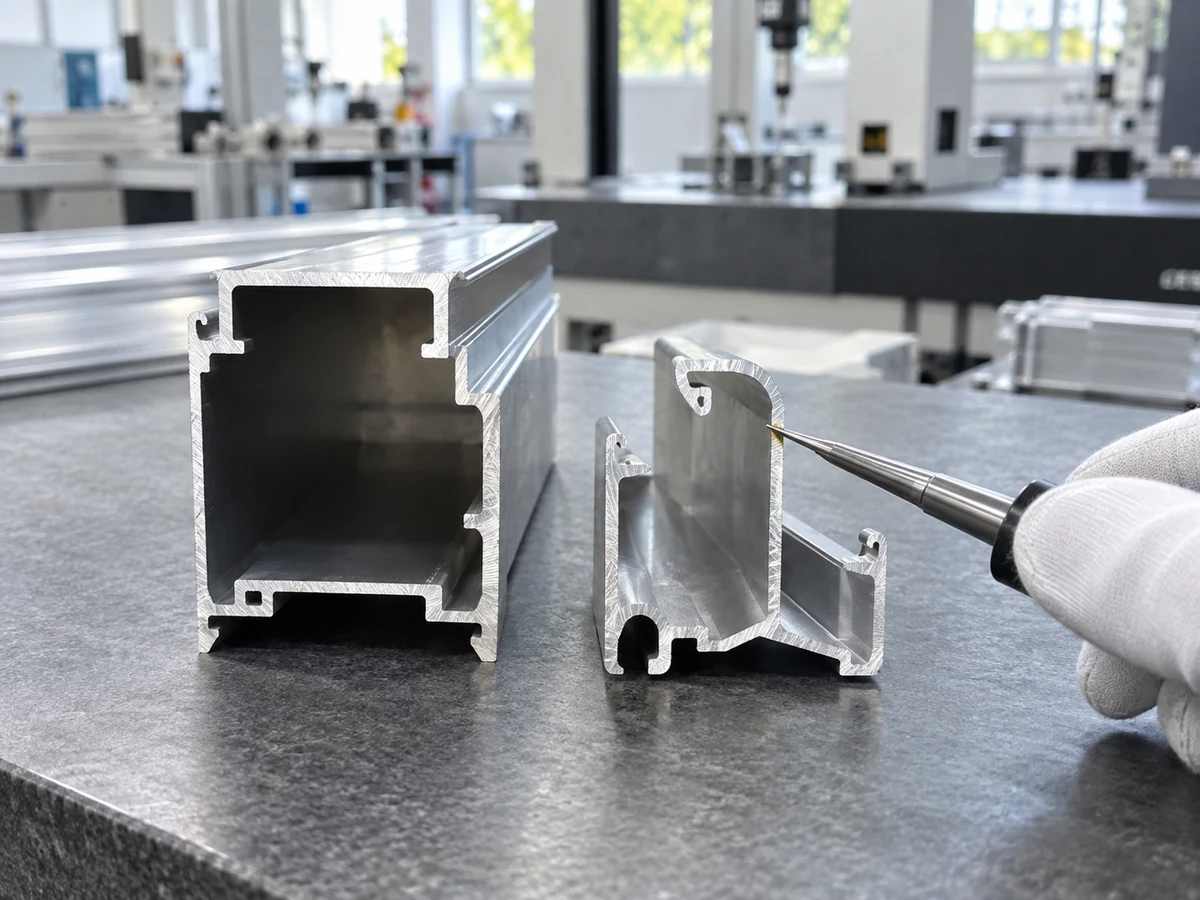
Provide the real mating hub or gauge for a controlled first article when fit matters. Record what the trial can establish: that a particular saw setup cut the supplied stock to agreed blank criteria. It cannot establish a safe suspension load, frame stability, ground-anchor capacity, structural fatigue life or compatibility with an arbitrary hammock. Those judgments require the stand owner’s product design and separate validation.
6. Quote a traceable member kit, not anonymous lengths
Similar-looking struts may have different positions or finish requirements. Ask how the supplier will label each member after cutting, count one complete set and protect ends during shipping. A kit record should carry the stand family, drawing revision, part number, quantity, batch and inspection status. If a frame-only package and a complete package share some struts but differ in accessories, keep their bills of materials separate. The purchased delivery stage determines who checks that hubs, clips and suspension parts are present.
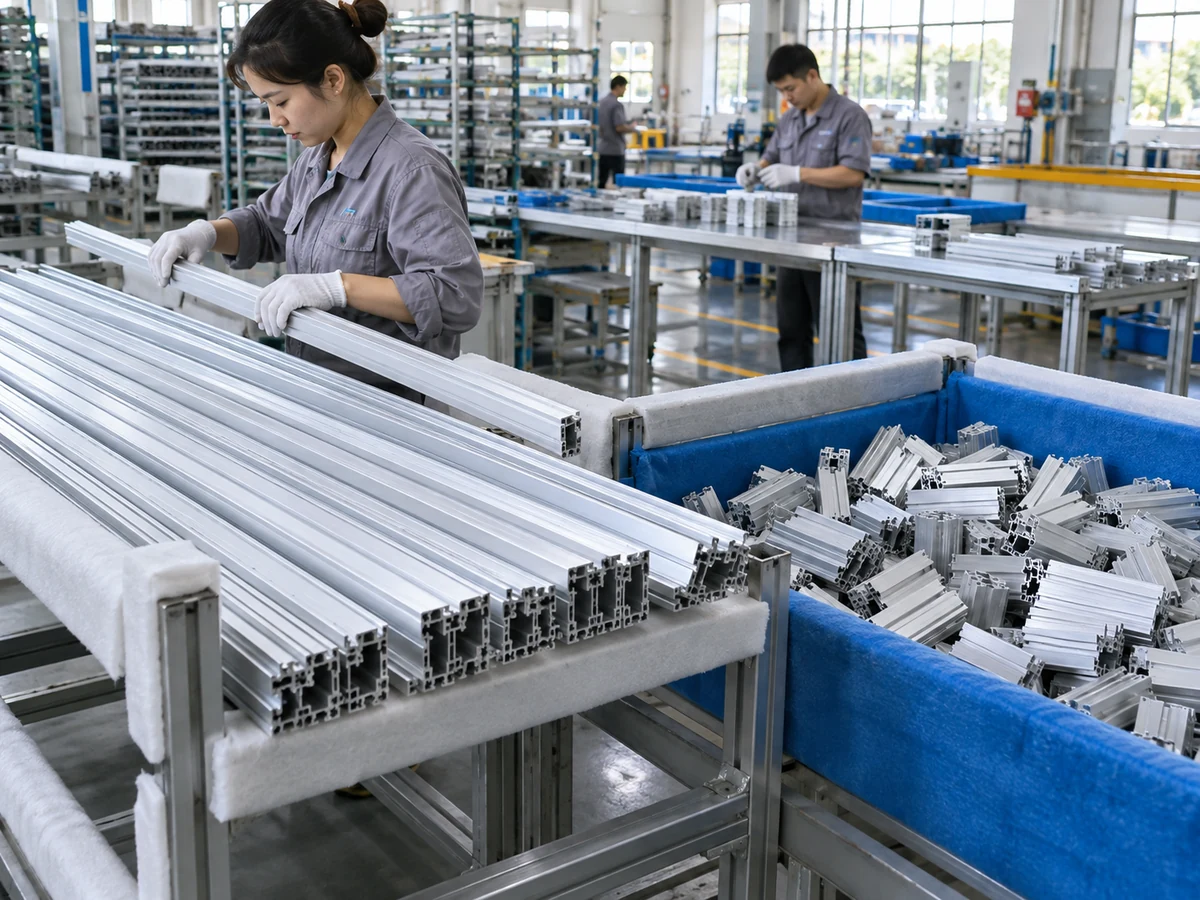
Agree whether the supplier delivers loose blanks, deburred and marked struts, fitted connectors, or a packed stand assembly. A quote for blank cutting should name downstream operations still required, including forming, drilling, coating, assembly, packaging and final stand testing. For replacement parts, use the design owner’s approved part identity; a visually similar blank should not be treated as a qualified replacement.
7. Run a first-off trial against the released drawing
Use representative stock from the intended source and finish condition. Include the smallest and largest blank, any sensitive wall or slot, and each materially different end interface. Record stock identity, setup, blade and support arrangement, sample count, measured cut dimensions, end-face observations, cosmetic condition and fit with the approved mating part where required. Identify who approves the sample and what material, fixture or revision change triggers another review.
Compare machine proposals on the same accepted blank and production mix. Request the actual feed and support arrangement, workholding contact, guard scope, changeover plan, consumables, inspection responsibility and expected trial output. Jiurun’s aluminum-profile cutting machine range can be evaluated against a buyer’s approved strut stock. This article does not claim that a specific Jiurun model has cut a hammock part or met a stand manufacturer’s performance requirement.
Send a quote-ready portable hammock stand RFQ
Send the released stand architecture and revision; part-by-part straight-blank list; approved stock sections and finish; batch quantity; length and angle datums; hub, sleeve, hinge and suspension interface drawings; protected faces; representative samples and gauges; required first-off checks; downstream operation owners; and the exact delivery stage. If the design is proprietary, obtain authorization to source or replace its struts. Contact Jiurun with those details to discuss a responsible saw trial and the limits of what its results will prove.
Related cutting-equipment video
The following clip is from Jiurun Machinery’s own YouTube channel and shows a related saw operating. It does not show a hammock stand strut, approved material, selected setup, customer project, load test or measured result for this article.
Frequently asked questions
Can I use the stand’s advertised span as a cut length?
No. Ask for the bare member’s controlled blank dimension and inspection datum. The assembled span includes joints and suspension geometry.
Does a saw-cut sample qualify the hammock stand?
No. It can verify agreed blank characteristics on specified stock under a documented setup. The complete stand and its suspension system require separate owner-controlled validation.
What if the stand uses formed or telescoping members?
List each accepted input and delivery stage. A straight blank, a formed or telescoping prepared member, and a finished stand are different purchasing units.