
Pneumatic cylinder force needs a clear label in an aluminum saw quotation. Ask which cylinder, working direction and pressure the number describes. Then establish whether it is a theoretical component value or evidence from the complete proposed holding arrangement.
A force figure can help explain a proposal, but it does not stand alone as a finished-part result. Three checks make the figure easier to read without turning the purchasing review into an unapproved machine adjustment.
Pneumatic cylinder force: the basic calculation
SMC’s air-cylinder selection technical data calls pressure multiplied by pressure-receiving area the theoretical output, assuming no cylinder resistance. Its selection discussion distinguishes extension and retraction and considers forces opposing motion.
For that simplified theoretical calculation:
F = P × A
- F is theoretical force in newtons.
- P is the stated operating pressure in MPa.
- A is the pressure-receiving area in mm².
SMC notes that a single-rod, double-acting cylinder has a smaller pressure-receiving area on retraction because of the rod’s section. It also discusses seal and bearing resistance and exhaust-pressure effects in selection.
Keep those component definitions with the stated value. The technical guide is not an instruction to change an installed saw’s settings, select a universal load factor or infer its clamping performance.

1. Put the pressure and direction beside the output
A quotation entry should name the exact cylinder or assembly and the movement to which its force applies. Ask the supplier to label extension, retraction or another defined condition explicitly. Keep the applicable component reference with the entry.
Similarly, retain the pressure used for the stated calculation or result. If the offer lists several pressure values, ask which one belongs to this force entry. Do not silently borrow a compressor figure or a pressure from another machine’s data sheet.
Make the units visible beside every number. An unexplained value in a spreadsheet is difficult to compare and easy to carry into a later order incorrectly. The supplier should provide a labeled response rather than leave the buyer to infer the units from magnitude.
A fictional arithmetic example
Assume an invented double-acting teaching example uses a pressure of 0.4 MPa, an extension area of 1,000 mm² and a retraction area of 800 mm². Ignore resistance only for this simplified calculation.
- Extension: 0.4 × 1,000 = 400 N.
- Retraction: 0.4 × 800 = 320 N.
The example shows why the direction label matters. It identifies no actual product, saw configuration or approved operating pressure. It is neither a cylinder selection nor a measured machine result.
2. Find the physical location behind the claim
Ask whether the quoted value concerns the cylinder itself, a clamp assembly or a stated contact point on the workpiece. Have the supplier identify that location on an agreed layout or description. Keep each value attached to the component it actually describes.
For example, an offer may contain separate references to top holding, side holding and material positioning. Identify which function the force statement addresses. Avoid treating one component number as the output of every movement in the machine.
If more than one clamp is included, ask the supplier how the proposal reports their values. Do not add several unlabeled numbers and present the sum as a demonstrated force on the profile. Request the complete arrangement and its review basis.
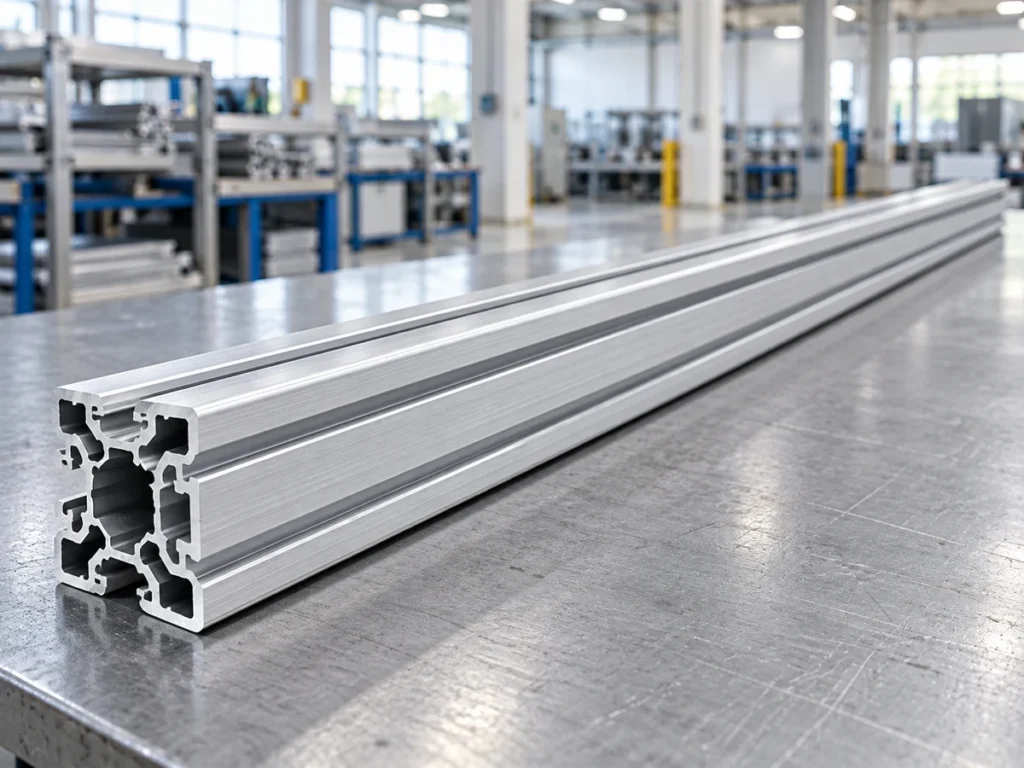
Give the supplier the section and intended orientation. Mark the faces that may be contacted and the surfaces that need protection. A proposal for one hollow shape should not silently become the approval basis for another profile with different contact requirements.
The positioning-axis comparison deals with how stock reaches its required position. Use that guide for the movement question; keep the force statement and its particular holding function separately identified.
One practical clarification
A short request can say: “Please identify the cylinder and direction associated with this output. State the pressure and whether the value is theoretical or measured. Show where it applies in the proposed clamp arrangement for the attached section.”
That request gives the supplier a specific gap to close. It also leaves the engineering decision with the party responsible for the proposed arrangement, rather than asking purchasing to redesign it from incomplete component data.
3. Separate a calculation from acceptance evidence
Agree what evidence will answer the buyer’s actual concern. If the requirement concerns a finished cut and protected visible surfaces, define the relevant part checks and representative material before the demonstration.
A component force calculation and a cut-part inspection record answer different questions. Label them separately in the proposal. If the supplier provides a measured force result, ask it to identify the location, arrangement and conditions actually assessed.
Keep the tested arrangement connected to the machine version offered. Note any difference in the stock, orientation, support or holding hardware. Resolve the difference before presenting the demonstration as evidence for the quoted configuration.
Record the agreed cut length, angle and surface requirements through the applicable drawing and inspection plan. A report should show which requirements were checked and which remain pending. Do not allow an attractive component number to replace an unresolved finished-part requirement.

Read two offers on the same basis
Before comparing the force column, compare the labels. Are both offers discussing the same function, direction, pressure and type of value? If one entry is theoretical and the other is a reported assembly result, request a clarified comparison.
Keep missing information marked as pending. An empty field is better than a purchasing assumption that later appears to be a supplier commitment. Retain the supplier’s clarified response with the proposal revision.
Buyer questions about pneumatic cylinder force
Does a force number approve a clamp setup?
Ask what the number describes and retain the arrangement-specific review and agreed part evidence. A component value alone leaves those questions open.
Should the buyer increase pressure to obtain a larger number?
Use the machine’s approved operating instructions and the responsible supplier’s review. This purchasing explanation specifies no adjustment or permissible pressure for an installed system.
What should be sent with the inquiry?
Provide the actual section, orientation, cutting requirements and surfaces to protect. Add the particular force claim or unclear quotation entry you want the supplier to explain.
Send JiurunCut your aluminum section and holding requirements. Ask for a clear explanation of the proposed function and the evidence for your parts. Keep pneumatic cylinder force linked to its stated component and conditions.