
Electric vs pneumatic positioning is a useful saw-selection question when the buyer defines the stock movement first. Specify where the material must stop, how the next length is selected and what evidence will demonstrate an acceptable cut.
A material-positioning axis is one function within the machine. The clamps and the blade feed may use different technologies. Compare the proposed positioning arrangement through the three job scenarios below.
On this page
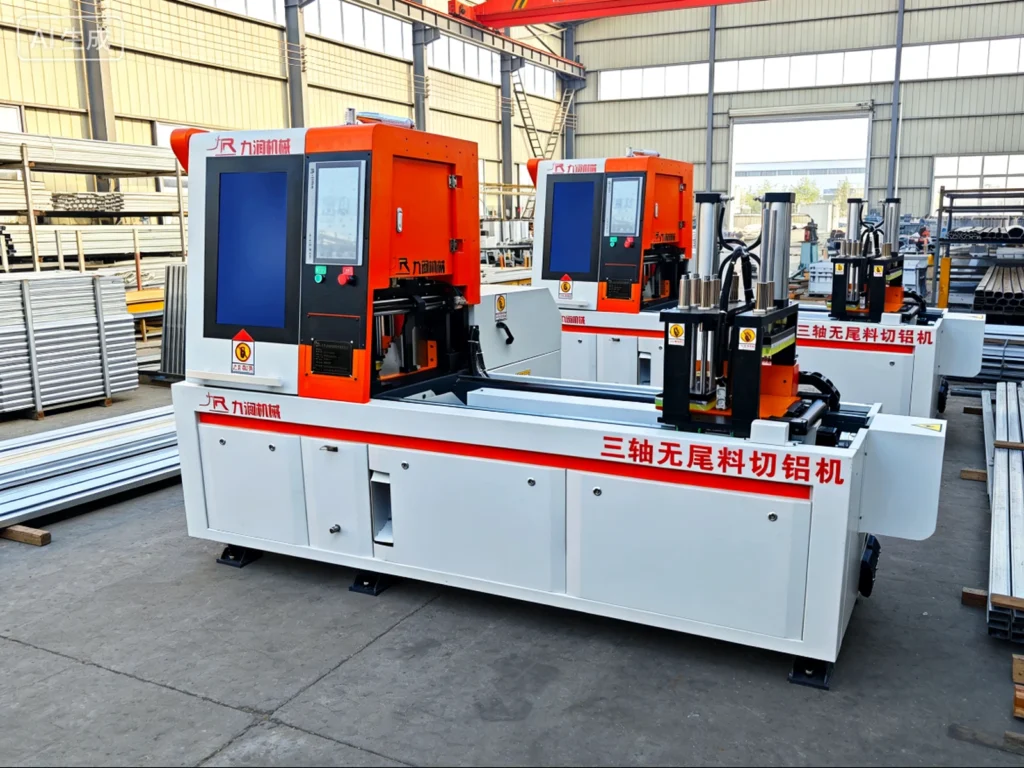
Electric vs pneumatic positioning: what is being compared?
Tolomatic’s technical comparison of pneumatic cylinders and electric rod actuators describes standard pneumatic systems as suited to basic end-to-end movement. Intermediate positions require additional hardware; servo-pneumatic solutions also exist.
The same comparison describes electric actuators with servo drives as offering programmable position, speed and acceleration control. It also discusses feedback and data collection. These are actuator-system capabilities, not a specification for every aluminum saw.
Ask the machine supplier to explain the actual arrangement. Does the offered feeder move material against a stop, to commanded positions or through another defined sequence? Which motion is controlled, and where is its position reference?
Keep this question separate from the pneumatic versus hydraulic cutting-function comparison. A machine can combine different drive technologies for different actions.
Scenario 1: one repeated part length
A batch with one finished length needs a clear method for returning the material to the same required position. Give the supplier the stock section, initial stock length, quantity and finished-length datum.
Ask it to describe the full cycle: establish the reference, position the material, hold it, cut, release the piece and prepare for the next cut. Identify where the operator intervenes and what the automatic sequence actually includes.
For an arrangement that relies on a physical stop, ask how the stop is set and confirmed for the job. For a commanded axis, ask how the job position is entered and checked. Keep the inspection requirement the same when comparing the resulting parts.
The useful purchasing evidence is a representative cut sequence and its recorded results. An actuator reaching its own endpoint does not, by itself, document the finished length of a part after cutting.
State the material orientation and support arrangement in the trial request. Record any difference between the tested setup and the machine version offered. Resolve those differences before treating the demonstration as evidence for the order.
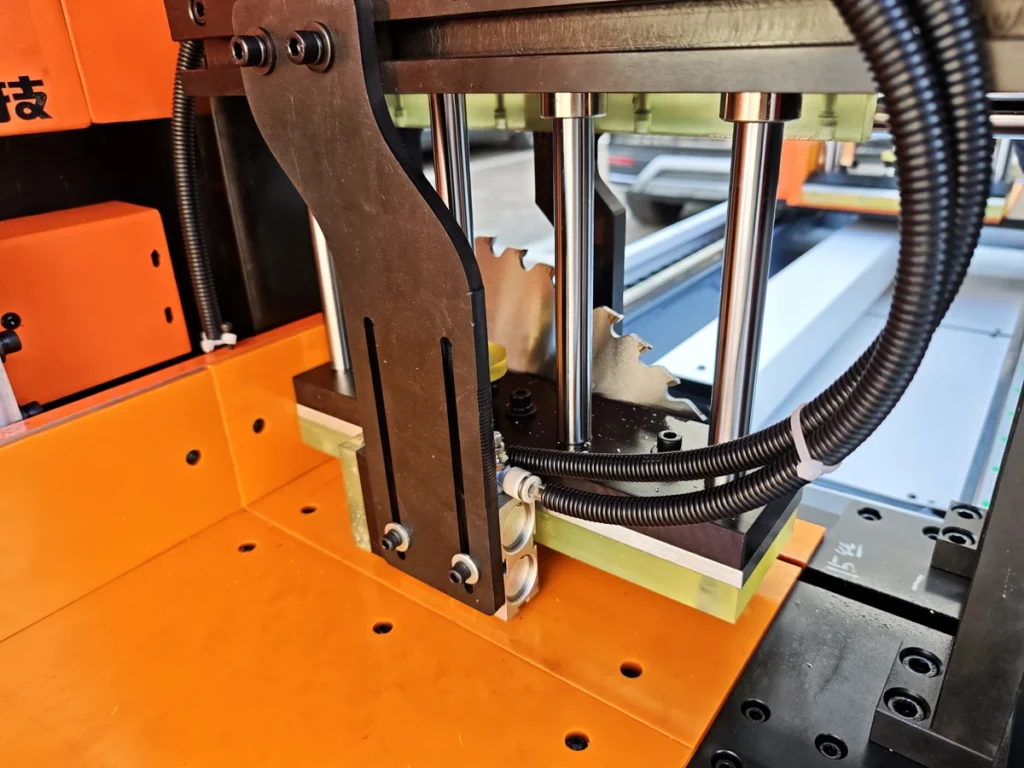
Scenario 2: several lengths within one batch
A mixed cut list adds a different question: how does the required position change from one part to the next? Send a representative sequence, rather than asking only for the longest movement.
Ask whether each change uses an operator adjustment, a stored recipe, an imported list or another supported method. Confirm the units, quantity handling and part identification in the offered control system.
Request a demonstration that includes a length change and the return to a previous length. Observe how the operator identifies the active job and how the team confirms that the correct instruction reached the machine.
Do not assume that the word “servo” means a particular file format is supported. Likewise, do not assume that every pneumatic arrangement has only two usable positions. Obtain the configuration-specific explanation and documentation.
Our cut-list revision guide covers the document identity. Here, focus on how the approved instruction is converted into the required stock movement.
Scenario 3: recipes and position records matter
Some buyers need more than a repeatable operator routine. They want a record of the selected recipe, commanded length or other available machine information for each job.
Tolomatic explains that motor feedback can report position and motion information in electric systems. It also notes that pneumatic-system monitoring depends on the sensors and feedback provided. The information available to the user still depends on the complete installed system.
Ask which values appear on the interface, which can be exported and how they are identified in the record. Separate a commanded value from a measured value, and distinguish an actuator position from the finished-part inspection result.
Have the supplier show one complete example from job selection to the retained record. A controller screen listing a number is not enough to establish what that number represents or how it relates to the physical part.
Agree what the receiving team needs for acceptance. Keep the part measurement, drawing revision and tested configuration traceable alongside any machine data used in the review.
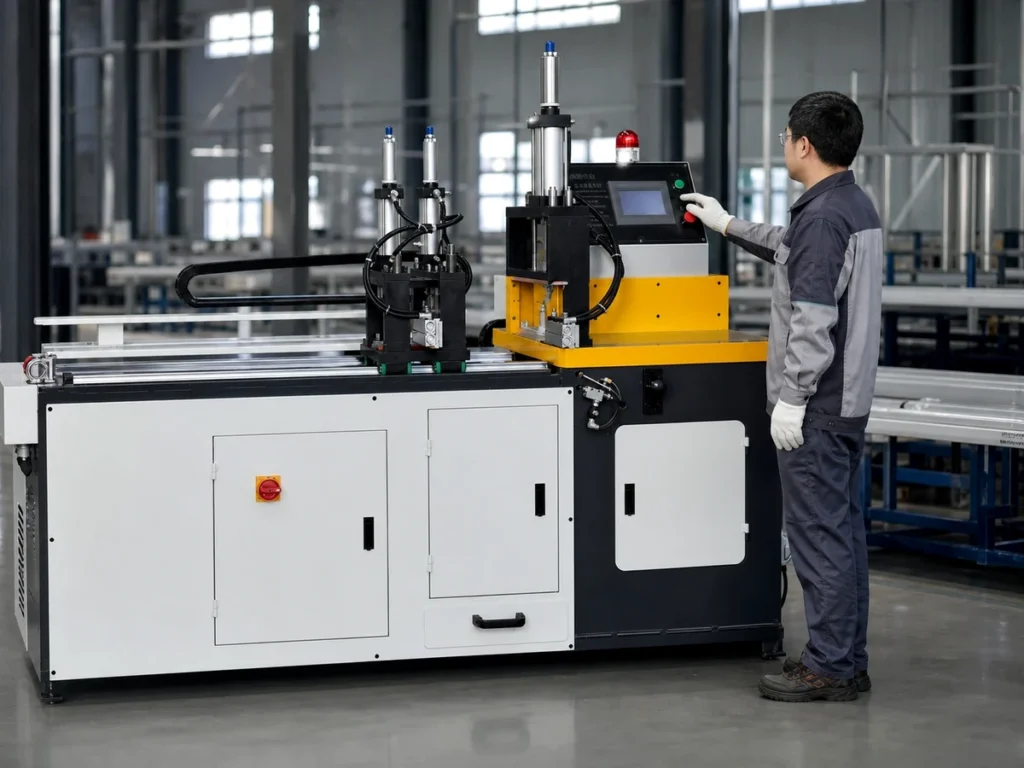
Use a job-specific trial to compare the offers
Choose the scenario that matches your work, then request evidence for that scenario. The following table is an editorial purchasing checklist, not an actuator rating or a JiurunCut test result.
| Your job pattern | Useful demonstration |
|---|---|
| One repeated length | Repeated cuts with the agreed stock, reference and finished-length inspection. |
| Several lengths | A documented change sequence, including the return to an earlier job length. |
| Recipe records | A sample record that identifies the actual values, job and relevant inspection evidence. |
Include the loading and unloading assumptions. Compare the full task if output matters; a rapid empty positioning movement is not a production result for your material.
Request the installation and maintenance requirements for the complete offered machine. An electric positioning axis does not establish that the other functions require no compressed air.
Send JiurunCut your profile drawing and representative cut list to discuss a machine arrangement. Identify the scenario, required finished-part checks and any record you need from the demonstration.
Questions buyers ask
Does an electric feeder guarantee accurate cut lengths?
No. Assess the complete cutting arrangement with representative material and the agreed finished-part inspection.
Can a saw use electric positioning and pneumatic clamps?
Different functions can use different technologies. Ask the supplier to identify each function in the quoted configuration.
Is pneumatic positioning always limited to two positions?
No. Additional hardware and servo-pneumatic arrangements exist. Confirm the actual controls and supported movements in the offer.
Is a position record the same as a part inspection?
No. Identify what the machine value represents and preserve the finished-part result against the drawing separately.