
A cut list for an illuminated handrail arrives with one number: the finished rail length. The saw can make the aluminum member, but that number cannot automatically become the length of the cover, mounting insert, lens, or LED strip. Each part follows the approved handrail system, and the wire entry and end fittings may take space that the metal-only drawing does not show. LED handrail profile cutting starts by separating those deliverables before a saw trial or purchase order.
This is a purchasing and cut-blank guide, not an installation instruction for any named handrail. The system designer and lighting supplier own the final dimensions, electrical design, structural approval, and installation method. JiurunCut can assess only the specified aluminum cutting operation on identified stock.
One rail, three length decisions
Ask for three separate lines on the released drawing or bill of materials. First, state the aluminum member: exact section, datum, finished cut length, end geometry, finish and whether local openings are already machined. Second, identify each mechanical insert or cover, including a lens or closer, and say whether it is shop cut or field fitted. Third, give the LED strip and power-feed arrangement to the lighting trade, including the permitted cut marks and connector space from that system’s own instructions. These lengths need not be equal.
| Item | Length authority | What the saw quote should state |
|---|---|---|
| Aluminum rail or housing | Approved rail drawing and end detail | Named section, cut datum, end angle, quantity and inspection method |
| Lens, closer or mounting insert | Its system-specific installation detail | Included as a separately identified cut item only if the supplier has approved that operation |
| LED strip and cable | Lighting supplier’s cut marks, feed and connector plan | Excluded from the metal saw trial unless a separate approved process is explicitly scoped |
The distinction is practical. Gerflor’s Linea’Touch LED installation procedure calculates aluminum and PVC profile lengths before cutting, then treats the LED band and its end clearance separately. Organic Lighting’s OrgaRail manual describes field-cut mounting inserts with a reserved feed/end-cap gap and lenses cut during installation. Their numbers and methods belong to those products; neither document sets a universal allowance for another rail.
Release the metal profile before choosing a cut setup
Identify whether the piece presented to the saw is bare aluminum, an aluminum and polymer cover assembly, or a prefinished rail with fittings. Do not infer from another maker’s manual that these routes are interchangeable. Gerflor describes a combined aluminum/PVC cutting step for its own product; a different lens, insert or finish may call for a different sequence or a separate supplier. Ask the rail system owner to approve the stock form and cut order.
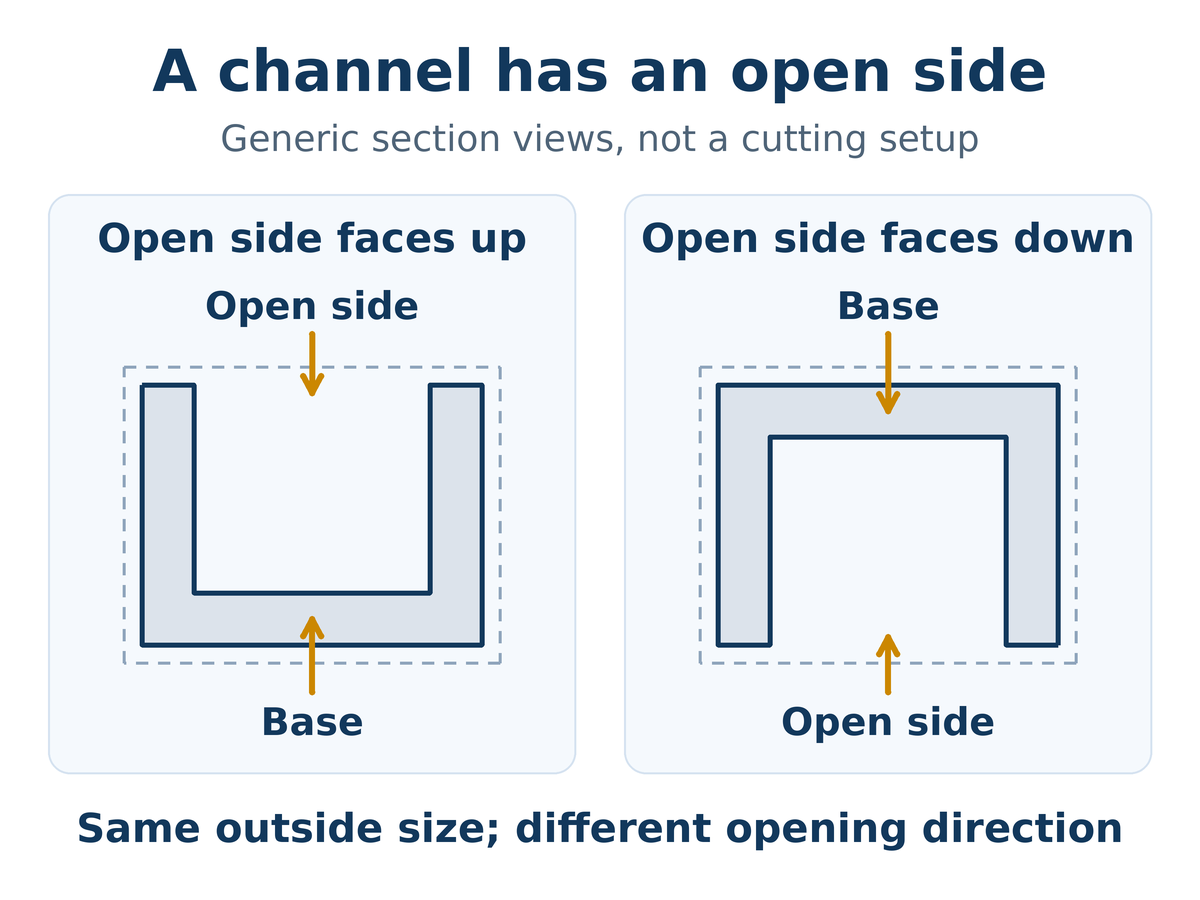
Mark the groove side, visible face, intended feed end and mating end on the drawing. If one end receives a cable feed, wall return, connector or cap, show the detail and identify which operation forms that space. A saw can shorten a straight aluminum member; it does not automatically drill a wire exit, form a pocket, route a connector or certify a completed illuminated railing. Our general aluminum handrail cutting guide covers posts, rails and structural connector interfaces; the lighting component schedule is an additional decision here.
At RFQ stage, include a short piece of the actual extrusion and the approved section drawing. The saw supplier needs the wall shape and supported contact faces to plan a controlled clamp and cut. An unsupported lip or open groove can be marked or distorted even if the overall length is correct. Specify the accepted cut-face condition, permissible burr treatment and finish protection instead of assuming a generic tolerance or promising a clean edge from a catalogue photograph.
Inspect the cut as an interface, not just a dimension
Run a trial only with the agreed stock and an approved guarded setup. Record the machine and blade, profile orientation, clamp contact, cut datum and sample identity. Measure the metal blank by the method on the drawing, then inspect both ends for burrs, deformed channel edges, displaced finish and chips that could obstruct a later insert. Keep the sample and its record linked; the next assembler needs to know which cut it represents.
A separate, unpowered fit check can ask whether the specified insert, lens or closer seats as the system maker intends and whether an end fitting has the required space. That is a mechanical observation, not a lighting test or a structural handrail acceptance. If the part does not seat, identify whether the mismatch is in the rail, the accessory, the supplied revision or the cut. Do not quietly trim an electrical component to make a metal sample look acceptable.
The LED strip is especially easy to mis-scope. Gerflor specifies marked cut positions for its band and warns against cutting it while connected to power. Organic Lighting reserves a connection gap in its own insert sequence. These examples show why the metal saw should not be asked to cut an assembled, energized rail by default. The approved system instructions and qualified electrical personnel govern cable work, power testing and final installation.
What to send with an LED handrail profile cutting inquiry
Send the system maker and revision, aluminum section drawing, finish and supplied stock state; the rail’s straight and angled member schedule; a marked feed end and end-fitting detail; the separate insert, cover and LED schedules; and the required cut and fit inspection method. State explicitly whether JiurunCut is being asked to quote aluminum cut blanks only or a separately approved mechanical cutting package. The buyer should retain the lighting and completed handrail acceptance with the responsible system and installation parties.
Want a saw-side assessment? Send JiurunCut the released metal profile drawing and a sample or clear section photo. We can discuss how to hold, cut and inspect the specified aluminum blank. We cannot infer a complete LED handrail configuration, electrical compliance or structural approval from a general saw image.
Related JiurunCut saw video
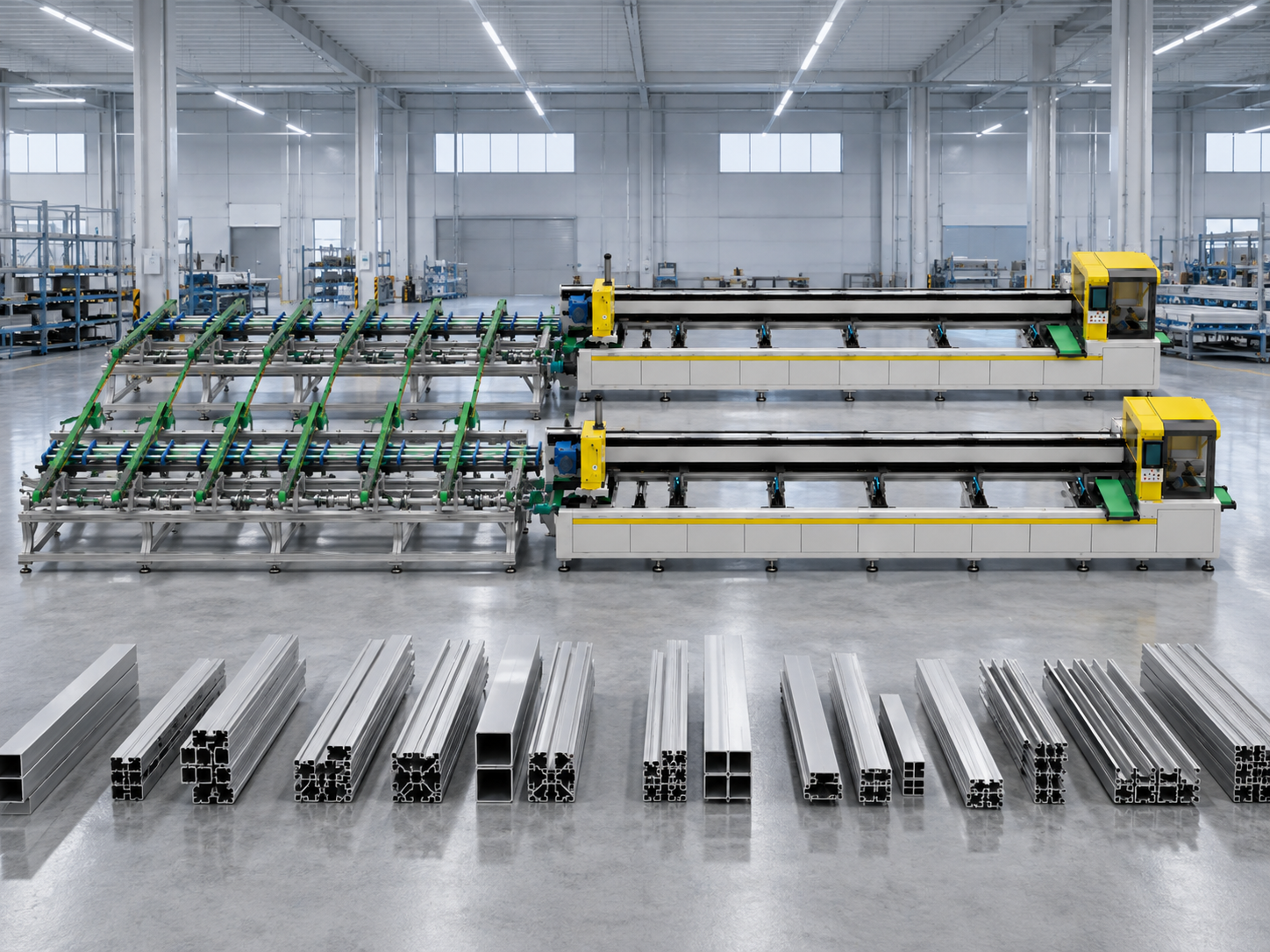
The video shows a JiurunCut automatic aluminum saw and a general cutting-machine view. It does not show an illuminated handrail, the metal/lens/LED length schedule, a customer trial or verified performance for this application.
Common questions
Can the lens and LED strip simply match the aluminum cut length?
Only if the approved system drawings and component instructions say so. Connector space, feed details and permitted LED cut points can make the lengths different.
Does a good cut prove the finished handrail is ready to install?
No. A cut sample can support the agreed blank and fit checks. The completed rail, electrical work and installed handrail require their own responsible acceptance.