
Friction stir welding aluminum joins material in the solid state with a rotating tool. For procurement, the process name is only the starting point. Ask the specialist to review the actual joint path, material, fixture arrangement and acceptance requirements before comparing offers.
Use this guide to organize four RFQ checks. It separates the supplied components from the joining proposal and finished assembly, so a cutting order does not accidentally become an approval of a welding process.
On this page
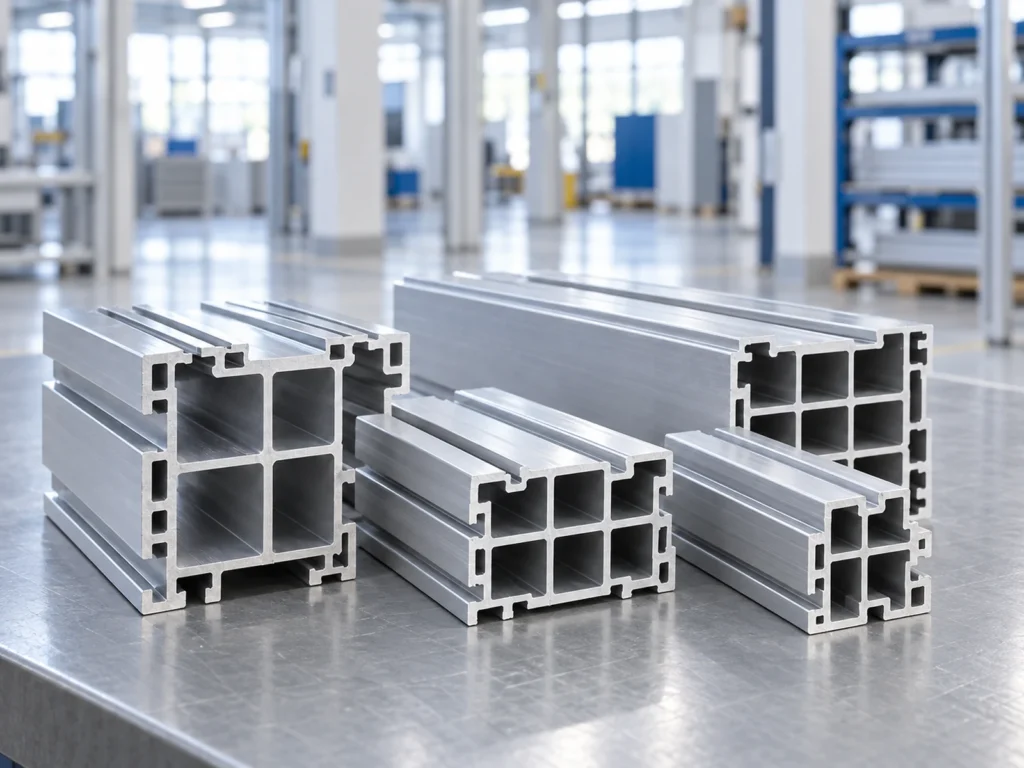
Friction stir welding aluminum: how the process works
TWI’s friction stir welding overview describes a non-consumable rotating tool with a probe and shoulder. The tool moves along the joint, generating heat that softens the material and mechanically mixes it to form a solid-phase weld.
That mechanism differs from a fusion process that melts the parent material at the joint. It still involves heat and changes in the joint region. “Solid state” should not be treated as a promise that the supplied material condition remains unchanged everywhere.
As an industrial example, Hydro’s FSW overview discusses joining aluminum into wide panels and sealing aluminum compartments, including liquid heat sinks. Those are application examples from another supplier, not capabilities established for a JiurunCut machine.
The actual assembly needs its own design and process review. This guide does not specify tool geometry, rotation speed, travel rate or operating forces.
Check 1: define the joint path and delivered shape
Provide a controlled assembly drawing with the intended joint location. Include the component orientation and surfaces needed for later machining, mounting or sealing. Identify the drawing revision in the quote request.
Ask the joining specialist to explain how its proposed method handles the beginning and end of the path. TWI notes that conventional tool withdrawal can leave an exit hole. Have the specialist show how that issue is addressed in the approved design and delivered part.
Do not add an informal sacrificial length to the cut order. If extra material or a later removal operation is proposed, have the approved manufacturing plan define it. State whether the quotation includes that material and operation.
Keep the final delivery definition explicit. A joined panel before trimming is a different item from a finished panel with inspected edges and mounting interfaces. Compare quotes for the same stage and scope.
Check 2: identify the material and supplied components
List each parent component separately. State its material designation, supplied condition, product form and available certificate information. Include parts from other vendors that meet at the joint.
Send complete section drawings for extrusions. For plate-based components, provide the relevant thickness and prepared geometry. Ask the specialist to confirm what it needs to assess the proposed material combination.
If the parts already have holes, pockets, channels or another feature near the joint, show them in the review package. Do not describe a complex machined part as a plain plate solely because the proposed joint appears straight.
Record any unresolved material or configuration issue in the quotation. A general statement about the process’s use with aluminum does not approve every assembly made from aluminum. Keep the engineering decision tied to the actual component set.
Check 3: agree incoming geometry and part support
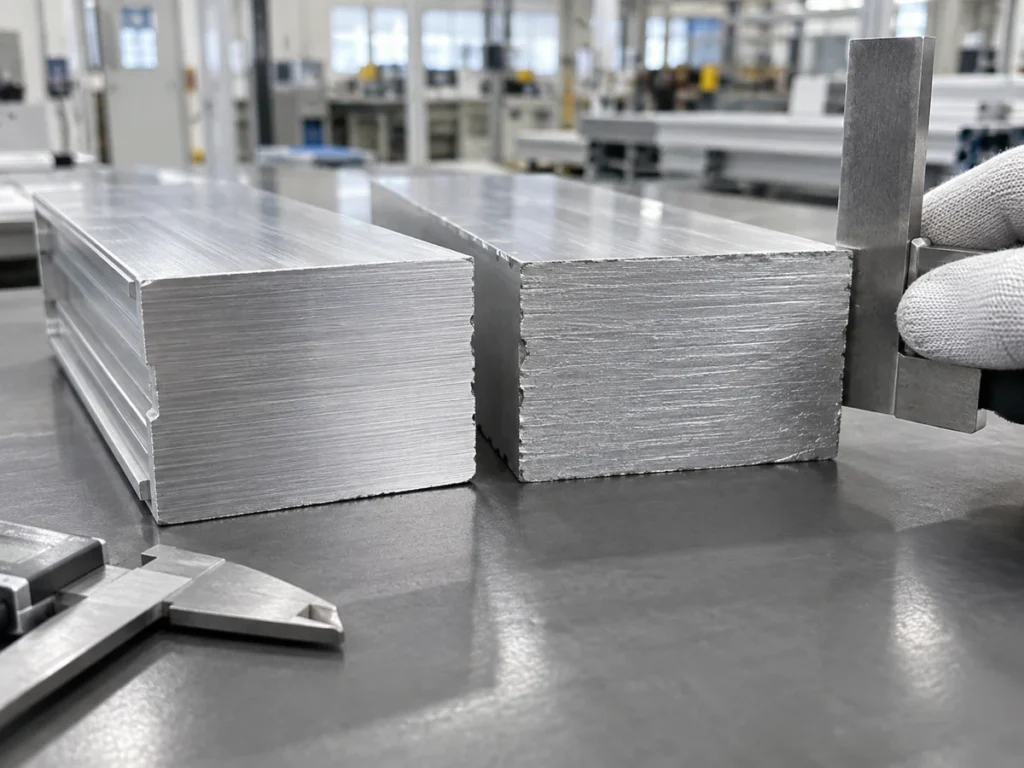
TWI identifies substantial joining forces, the need for suitable clamping and control of gaps between the components as process considerations. Use that information to request a specialist fixture and incoming-part review.
Ask which part dimensions the proposed joining arrangement requires. Have the supplier define the accepted geometry and measurement references in the incoming inspection plan. Keep those requirements visible to the supplier preparing the blanks.
Ask how the actual section is supported during the proposed process. Let the specialist assess the joint area and surrounding features. Do not transfer a fixture sketch from a different panel or assume that every hollow section can be supported in the same way.
Separate fixture approval from sample-part approval. The quotation should identify tooling scope, responsibility and the configuration used for the proposed trial. Keep any exclusions clear enough for the purchasing team to compare.
Check 4: request qualification and acceptance evidence
Start with the finished assembly’s function. Ask the responsible design and quality team which material, geometry, joint and functional requirements apply. Include their approved acceptance scope in the RFQ.
Request the specialist’s proposed qualification and inspection plan for that scope. Keep the trial configuration and sample identity attached to the results. A general process description cannot substitute for evidence on the actual assembly.
| Evidence item | Question for the review |
|---|---|
| Joint proposal | Does it identify the path, ends, material and delivered condition? |
| Trial record | Which parts and configuration produced the reported result? |
| Assembly release | Which approved requirements were checked and who accepted them? |
This is an editorial RFQ checklist. It includes no weld-strength values, leak-rate limits, production capacity or actual test results.
Where a functional test is required, have the responsible team define its method and criteria. Keep dimensional acceptance separate from joint-performance approval. A correct overall panel size does not establish the performance of the joint.
Write a clear cut-part handover
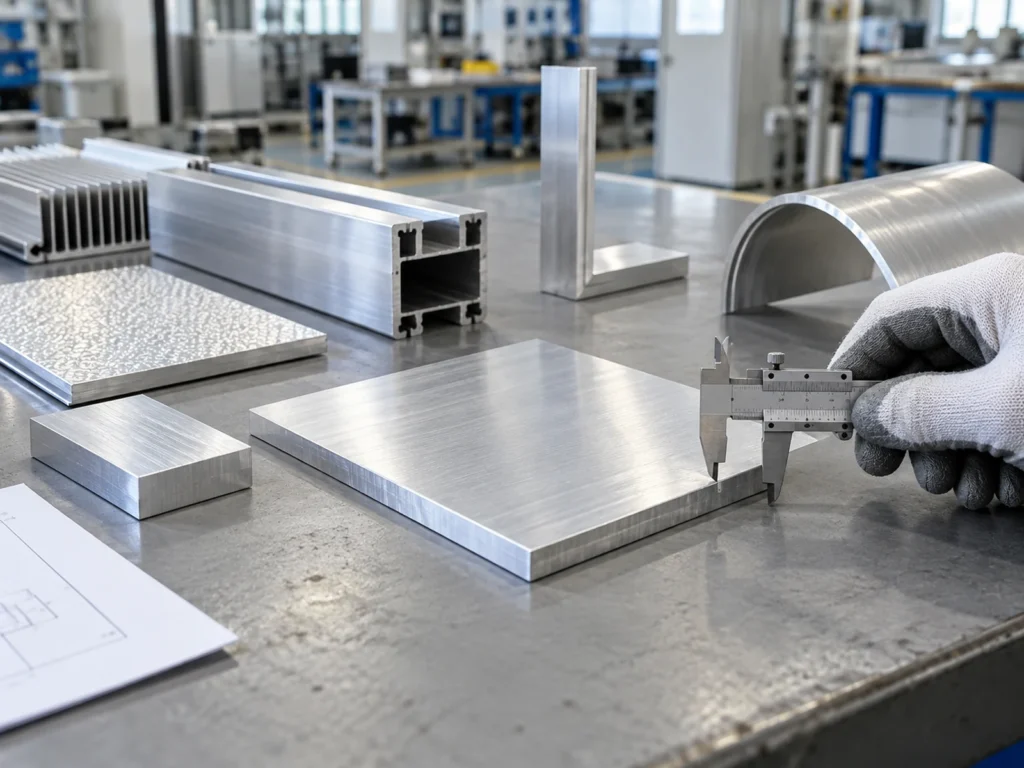
Once the joining proposal is approved, issue the blank requirements with the agreed length references, surfaces and accepted edge condition. Define which preparation is included before delivery to the joining supplier.
The cutting-before-welding guide helps organize this handover. For a thermal assembly, the cold-plate blank guide keeps the cutting scope distinct from the completed liquid assembly.
Send JiurunCut the section drawing and approved cut-part definition to discuss the cutting stage. Have the joining specialist and responsible engineering team approve friction stir welding aluminum for the actual design.
Questions buyers ask
Does FSW melt the aluminum parent material?
It is a solid-state process that heats, softens and mechanically mixes material at the joint.
Can the tool exit be ignored in the drawing?
Ask the specialist to show how its proposed method handles the start and end of the path in the delivered part.
Does a clean-looking joint prove acceptance?
Use the approved inspection and qualification evidence for the actual assembly. Appearance alone is insufficient.
What should a friction stir welding aluminum RFQ include?
Provide the complete joint path, parent-part identities, incoming geometry, tooling scope and agreed assembly acceptance requirements.