
Forming tap vs cutting tap describes two ways to produce an internal thread. A cutting tap removes material; a forming tap displaces material to create the thread. For an aluminum component, ask the machining supplier to confirm which process suits the actual material and feature.
That process choice deserves its own review. A finished-thread requirement tells the supplier what the part must contain. A tool name describes a proposed way to make it. Keep the required result and the proposed production method connected, without treating them as interchangeable.
On this page
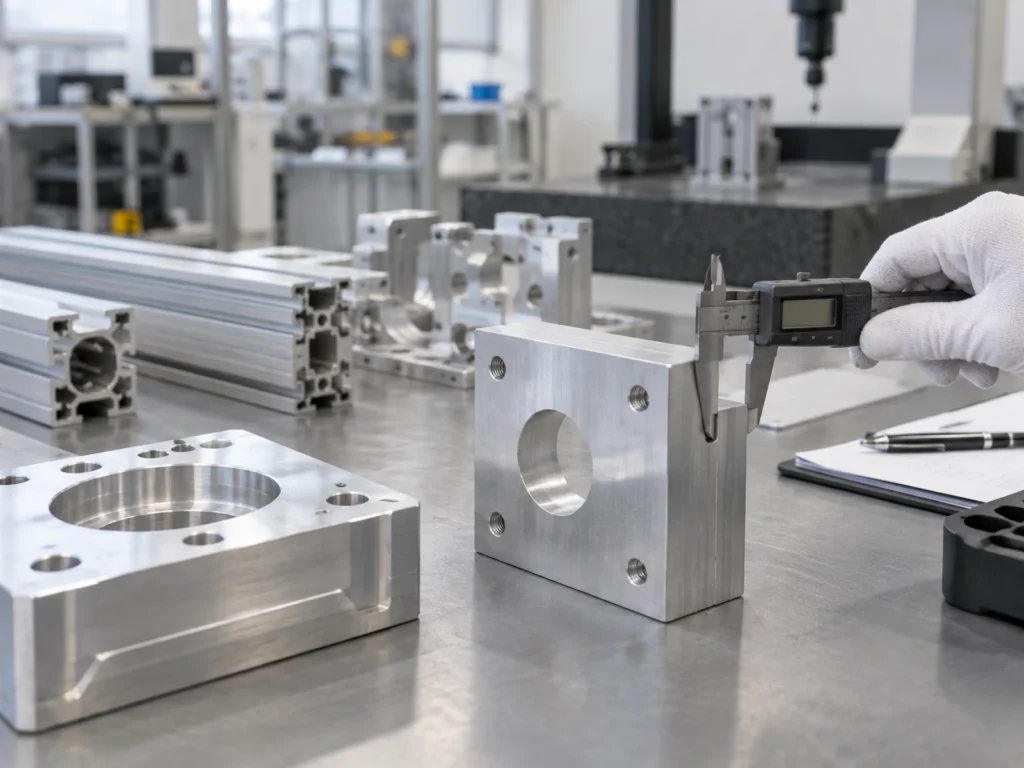
Forming tap vs cutting tap: mechanism and names
UFS’s tap terminology guide explains the distinction: cutting taps create internal threads by material removal, while forming taps use plastic displacement. The forming operation does not generate cutting chips.
“Roll tap,” “form tap” and “cold-forming tap” generally name the forming family. A catalog may also use “fluteless” or “chipless.” Read the actual product description to identify the tool, rather than treating every differently worded name as a separate process.
A cutting tap belongs to the material-removal family. UFS notes that its geometry depends on the material, hole type, thread depth and chip-evacuation direction. The general family name therefore does not select an exact tool for a particular component.
Be precise about the chipless statement. It describes the thread-forming operation. It does not establish that the entire component route contains no chip-producing work, or that the delivered part needs no cleaning or inspection.
Nor does the family name establish an approved joint strength. A purchaser should obtain the finished thread and joint requirements from the responsible design team. A general process description is not a test result for that assembly.
Keep hole preparation linked to the process
Guhring’s thread-forming information, on page 72 of its catalog, describes a larger tapping-size hole for forming than for conventional tapping. It relates preparation to material formability, workpiece geometry and the required thread depth, and emphasizes lubrication.
The practical purchasing question is whether the proposed preparation belongs to the selected tool and material. Ask the supplier for that confirmed process basis. Do not copy a hole dimension from an unrelated cutting-tap table into a forming-tap proposal.
Keep a preparation dimension distinguishable from the finished thread callout. The machining supplier may need controlled intermediate geometry to produce the required feature. The final acceptance record must still refer to the specified completed thread.
When a supplier proposes a process change, ask whether the hole preparation, tool identity or other controlled conditions change with it. Keep the revised plan linked to the same approved component revision, and obtain any required design approval for a changed result.
“Aluminum” alone is an incomplete selection input. Send the actual alloy and material condition with the component definition. Ask the tooling or machining specialist to confirm applicability instead of assuming that one forming tap suits every aluminum part.
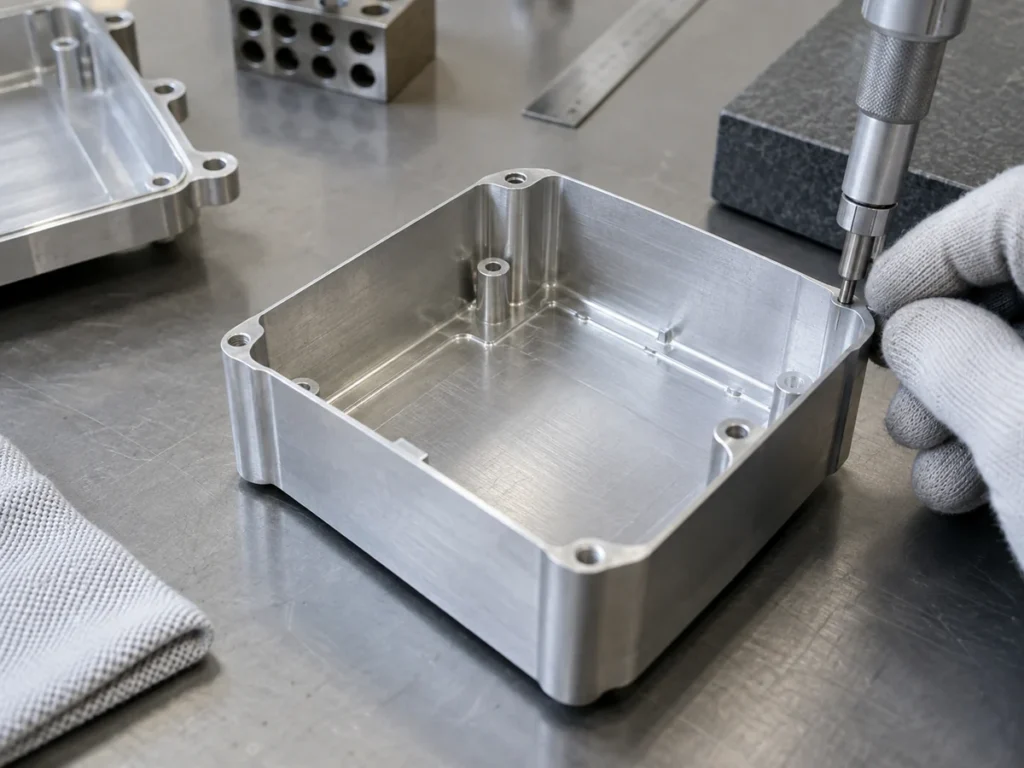
Read a machining proposal without turning it into a recipe
A useful proposal identifies the component revision, thread feature, material, tool reference and proposed method. It also states which finished requirement the supplier is committing to supply. Procurement can check that these identities agree.
Ask for the information needed to evaluate the offered scope. If the supplier simply writes “tapping,” clarify whether it means cutting or forming where that distinction matters to the review. If the drawing mandates a process, have the supplier confirm that requirement explicitly.
Leave actual machine settings with the responsible process specialist. A generic article should not become a feed, speed, lubricant-concentration or tap-drill instruction. The selected tool’s current guidance and the reviewed workpiece determine that process plan.
Also ask what a quoted performance statement refers to. Tool life per tool, cycle time per feature and accepted components per batch are different measures. A general benefit claimed for a tool family does not document any of those values for your job.
For a proposed trial, agree the specific question it is intended to resolve. A review of thread conformity and a study of production performance may require different evidence. Name the scope before treating a sample photograph as an answer.
Two fictional replies to one thread requirement
Imagine an invented aluminum housing inquiry with one controlled internal-thread callout. Reply A proposes a cutting tap and identifies its tool reference. Reply B proposes a forming tap but leaves the preparation basis unconfirmed.
Both replies may describe an intention to supply the same finished thread. Their completeness is different: A identifies a proposed tool; B still has an open process question. Neither reply is a demonstrated conforming part.
| Fictional entry | What the buyer can establish |
|---|---|
| A: cutting tool identified | A specific tool is proposed; applicability and finished evidence still need review. |
| B: forming; preparation open | The method is named, but the supplier must complete its preparation basis. |
| Same thread callout | The intended finished requirement is shared; the production plans are not identical. |
The example ranks information completeness, not tool performance. It does not prove that A is suitable, that B is unsuitable or that either produces a stronger, faster or cheaper feature.
Review the finished result separately
Agree how the specified thread will be checked. Record the part identity, drawing revision, relevant feature and supplied condition. A note saying “form tapped” documents a process description; it does not replace the agreed conformity evidence.
A diameter check alone should not be treated as a complete thread acceptance. Our thread gauge versus caliper guide explains why inspection must address the actual thread requirement. Ask the inspection team to select a suitable method.
Keep usable threaded length separate from total hole depth. The blind tapped-hole guide addresses that finished geometry. Changing the tool family should not make a missing depth requirement disappear from the drawing review.
Where coating or later work affects the specified delivered condition, connect the process sequence to the acceptance stage. Identify the requirement being checked before and after those operations. Keep any unverified result open.
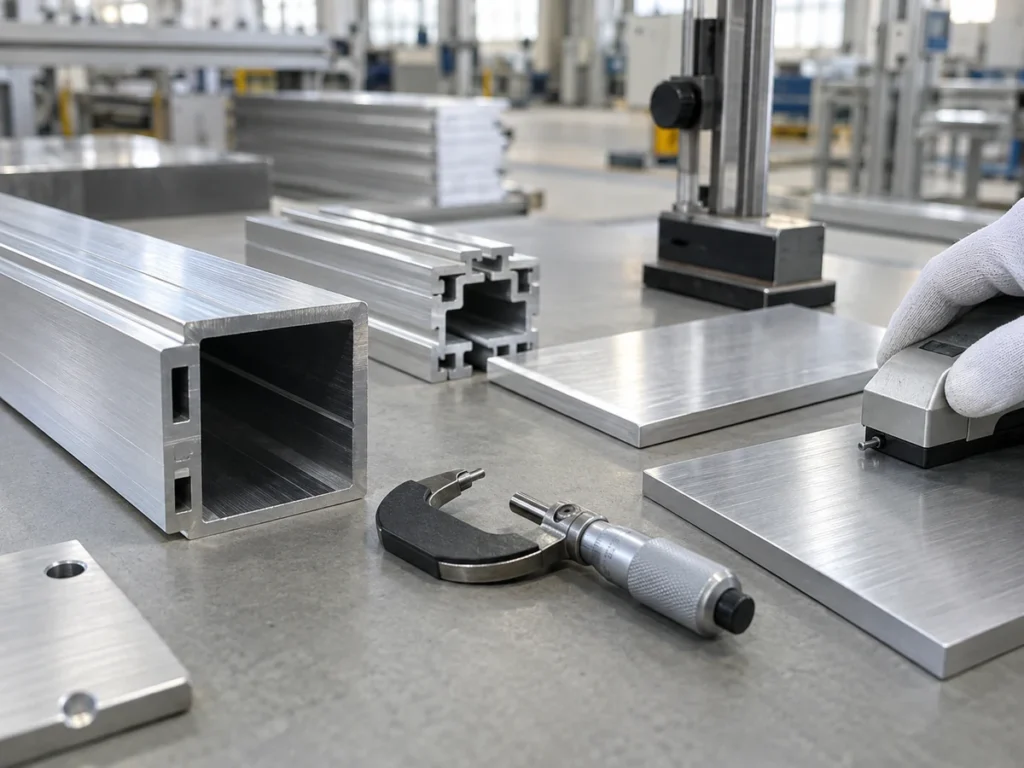
Connect threading to cut-blank supply
State whether the requested delivery is a saw-cut blank or a component with completed threading. Identify who performs the later work and which drawing defines the handoff. One quotation should not silently include operations outside its stated scope.
For an extrusion end feature, retain the selected end and hole identities from the end-tapping order guide. The present comparison helps interpret the method proposed for an identified feature.
For a JiurunCut cutting review, send the section drawing, stock lengths and finished-part list. Include downstream requirements that affect blank preparation. Ask the machining supplier to confirm the actual threading process and acceptance scope.
Buyer questions
Is a roll tap a different family from a forming tap?
The names generally refer to the same forming family. Identify the exact catalog item before choosing a tool.
Can the old hole-preparation dimension be reused after a process change?
Have the supplier confirm the preparation for the selected tool and material. Keep intermediate preparation and final thread requirements separate.
Does chipless tapping mean the complete part is chip-free?
The term describes the forming operation. Confirm the complete processing and cleaning scope for the delivered component.
Which process is best for every aluminum component?
There is no job-specific selection in a family-name comparison. A forming tap vs cutting tap review should lead to a confirmed proposal for the actual material, feature and required result.