
A cleanroom frame access opening is a system change before it is a cutting job. A maintenance team may ask for a larger reach-through, a new removable panel, or a door in an existing aluminum-profile enclosure. The tempting purchase order lists only a few cut members. Yet the opening may change the approved frame load path, panel retention, sealing, cleaning surfaces, airflow or access control. A saw supplier can make released members; it cannot decide whether the altered enclosure remains suitable for the process. This guide helps a buyer choose a no-cut change, a controlled cut-member kit or a complete approved module, and name the owner of each release.
Cleanroom frame access opening: define the function first
Write down what the opening is for: tool change, routine cleaning, product transfer, inspection or emergency service. Record the required clear opening, swing or removal space, nearby equipment, panel material, fixings and the as-built frame identification. Photograph the existing joints and obtain the latest approved assembly drawing. The drawing should distinguish the outer frame, intermediate members, infill, door hardware and any services attached to them. If the installed frame differs from the drawing, stop the replacement-member quote until the responsible designer resolves that difference.
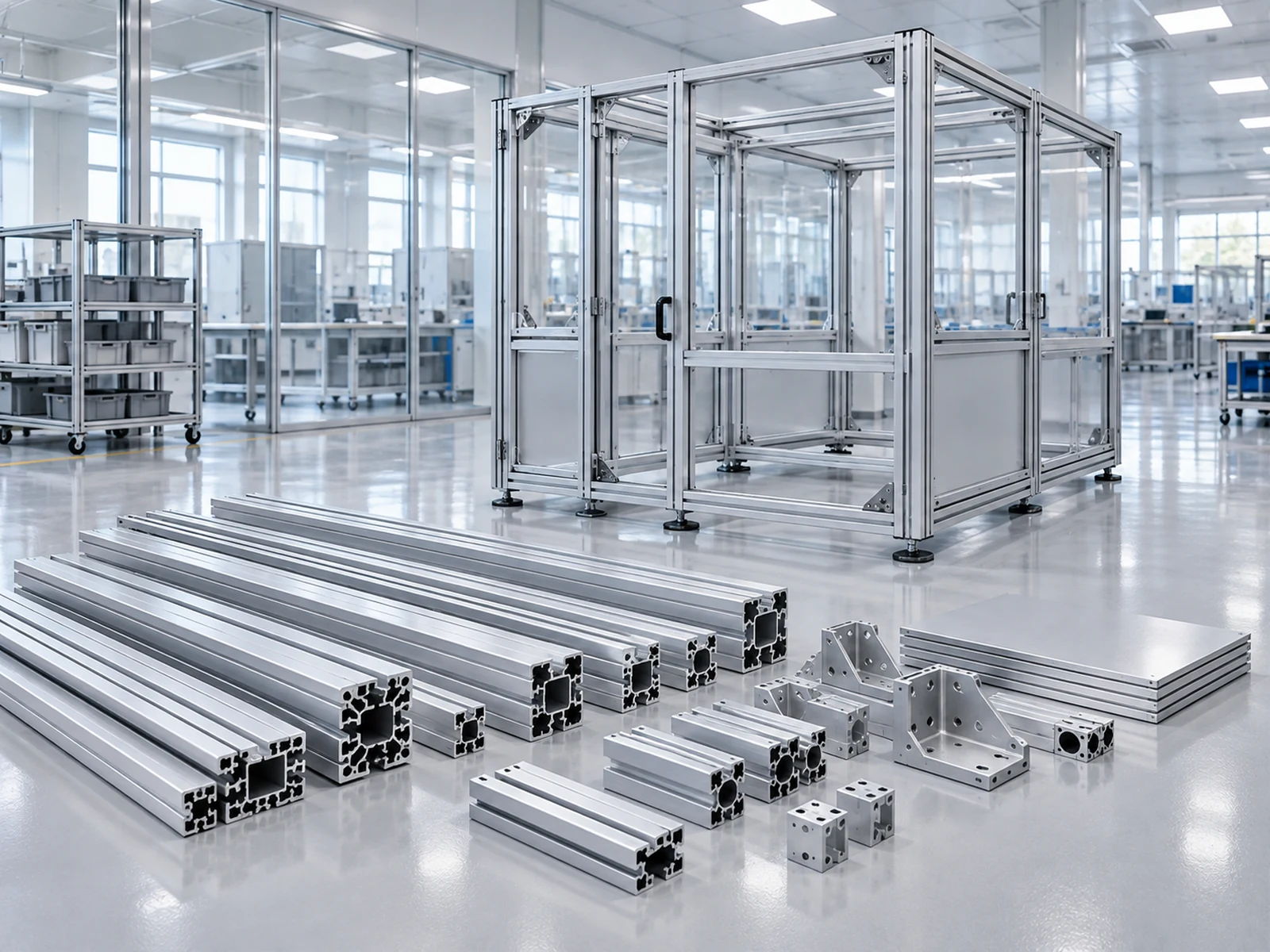
Cleanroom-compatible profile systems can use sealed grooves, flush panels and covered fastener details. The published examples from item show that panels, covers and service sections form part of the clean-production system. The mk profile-system guidance also separates simple saw cutting from the additional drilling, threading or end machining required by particular connectors. These are design examples, not a claim that any pictured JiurunCut assembly has a cleanroom classification.
Choose one of three purchase routes
Route 1: keep the approved frame and change only accessible hardware
If a documented removable panel, service cover or door option already exists for the exact installed system, ask the system owner whether the approved option meets the new access need. Procurement may then need compatible hinges, retainers, seals or a panel rather than new aluminum cut parts. Verify the released part numbers, orientation and service clearance; similar-looking profile slots do not establish compatibility. This route is inappropriate when it quietly changes the opening size, removes a structural member or bypasses an access-control function.
Route 2: order a released cut-member retrofit kit
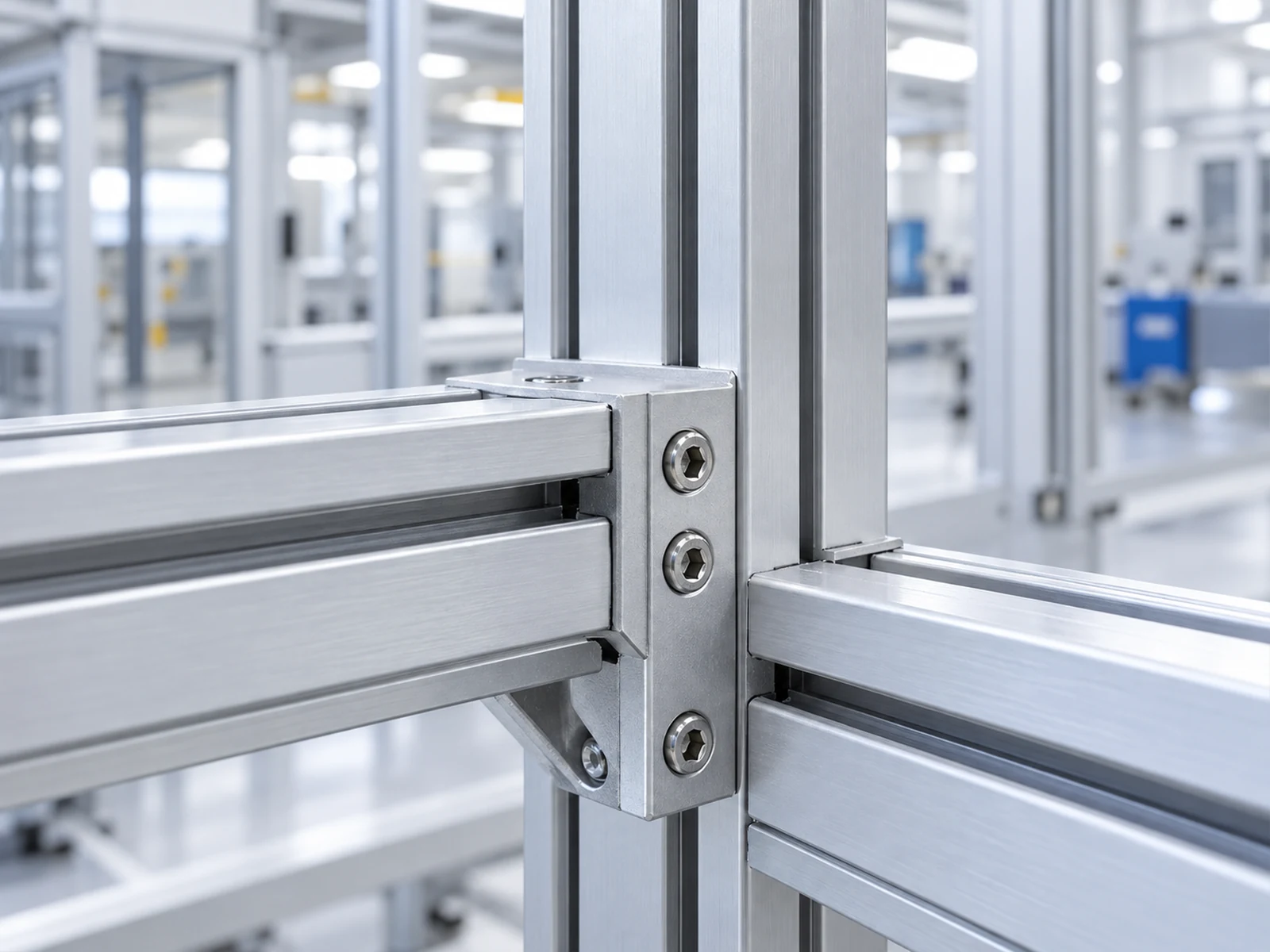
Where the responsible enclosure designer approves a changed member arrangement, buy a revision-matched kit rather than a bag of lengths. Its schedule should identify every affected member by profile identity, cut length reference, end condition, orientation, finish, quantity and assembly position. State which holes, threads or special end features are performed by the cutting supplier and which belong to a later operation. Include the approved connector, panel and seal list even if those items are sourced separately. A dry fit against the released drawing is a useful assembly check, but it is not cleanroom qualification.
Route 3: buy a complete approved access module
When the new opening alters the door geometry, panel retention, supported equipment or enclosure function substantially, a complete engineered module may be easier to control than field-cut members. The module supplier and system owner must agree on interfaces to the existing structure, installation sequence, cleaning and commissioning responsibilities. A complete module can reduce interface ambiguity, but its purchase does not remove site acceptance. Compare total effort: design release, fabrication, packing, installation downtime and validation, not just the unit price of extrusion.
Make the cut-part boundary visible in the RFQ
For a cleanroom frame access opening, give bidders an approved member schedule and ask them to quote against the same boundary. Separate raw stock, saw-cut blanks, machined members, finished members, labeled kits and assembled modules as different deliverables. Ask for the actual profile and finish supplied, stock length constraints, cut-end protection, any later holes or threads, and who checks fit with the chosen connector system. If the supplier proposes a substitute profile or joint, route it back to the designer before any cutting release. A lower saw price is not a valid comparison if one bidder has omitted the features that make the access opening assemble.
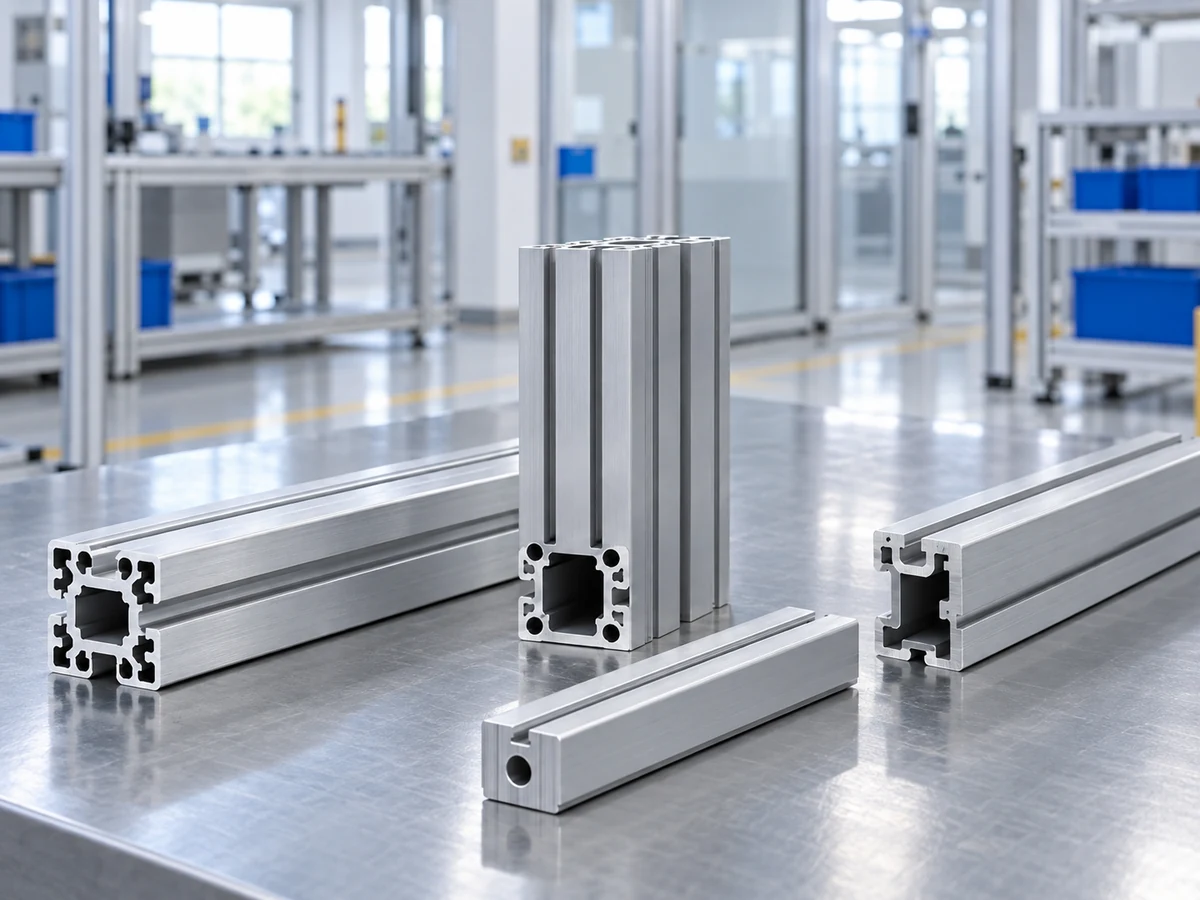
The cutting route should be sampled on the real member family and released drawing. Confirm how the supplier references length on square and mitered ends, controls burrs and chips, protects visible surfaces and segregates left- and right-hand parts. Keep any numeric tolerance on the approved drawing and purchase specification; do not infer finished door fit from a generic machine feed-accuracy number. Our cleanroom frame extrusion saw-trial checklist covers end and corner fit at the fabrication stage.
Assign acceptance to the right owner
A cleanroom frame access opening needs three separate acceptance gates. At the cut-part gate, the fabricator checks identity, count, orientation, cut ends, documented dimensions and any ordered secondary features. At the assembly gate, the enclosure owner checks the revised opening, panel/door travel, joint fit, retained hardware and service clearances against the released design. At the site gate, the facility or process owner decides whether cleaning, particle-control, airflow, safety and other applicable qualification work is needed before use. A pass at one gate is not a pass at the next. See our separate saw-acceptance and controlled-entry handover guide for the material-entry boundary.
Do not let the cutting supplier certify a whole cleanroom from profile photos or a saw trial. Conversely, do not reject an otherwise correct cut kit because site qualification remains outstanding: record it as a separate hold with its own owner. If an installed module is already damaged or obsolete, the choice between an approved spare and in-house replacement cutting is covered in our cleanroom frame replacement-kit guide; the present question is a newly requested access opening.
What to send with the purchase request
- Existing approved assembly drawing and as-built photos, with the exact opening and reason for change marked.
- Responsible designer’s decision: no-cut option, released member retrofit or complete module.
- Revision-controlled member schedule, profile and finish identity, cut-end and secondary-feature requirements.
- Connector, panel, seal, hinge and access-control scope, with supplier boundaries named.
- Fabrication sample or fit-check plan, inspection record format and labeled kit/packing method.
- Installation, cleaning and site-release owners, including any separate qualification hold.
For a saw or cut-kit quotation, send the approved drawing package and representative material to JiurunCut. We can discuss the cutting scope and sample plan; the enclosure designer and facility owner retain responsibility for the access change and its final acceptance.
Video: general JiurunCut aluminum-cutting equipment footage from our YouTube channel. It does not show this access-opening material, an approved cleanroom configuration, a customer job, a retrofit trial or measured performance.