
Cap elevator support frame cutting starts with a boundary decision: which aluminum members belong to a separately purchased support kit, and which functions remain with the cap elevator supplier? A length list alone cannot answer that question. The buyer needs the equipment interface, section, datum, cut-end form, and inspection method on the same revision before requesting a saw quotation.
This guide is for purchasing or engineering teams considering an aluminum support frame beside a cap elevator. It does not specify a cap hopper, cleated belt, sorter, chute, drive, control, or guarding design. Those remain system-level decisions. The cutting supplier should quote only the defined extrusion parts and agreed secondary operations.
Cap elevator support frame cutting: kit boundary
A cap elevator is more than a frame. For example, Liquid Packaging Solution’s sorting elevator description separates the hopper, belt, chute and frame, and lists an anodized aluminum frame as an option. Accutek’s elevator loader description also shows that feet and inclination belong to the overall machine arrangement. These manufacturer descriptions establish possible interface questions; they are not specifications for a JiurunCut customer’s machine.
Draw a boundary around the members being bought. Is the order for the base rectangle, uprights, lateral braces, a hopper-side support, a discharge-side bracket rail, or a combination? Identify who supplies feet, brackets, hinges, guarding, and fasteners. The bill of materials should carry one part number per distinct cut member, with quantity per machine and a separate quantity for spares. Mark anything provisional rather than silently turning it into a finished cut length.

Freeze the interface before assigning lengths
Ask for a layout that locates the elevator relative to the capping line, floor, and service aisle. Record the mounting plane and orientation of each proposed frame member. A support upright measured from a floor datum can differ from a member measured between base rail and discharge bracket. The RFQ should say which faces the assembler uses as datums, whether the cut end seats against a bracket or a mating extrusion, and where adjustment is allowed.
Separate fixed geometry from adjustability. A slotted mounting plate or adjustable foot may absorb an installation range, but that is not permission to omit a member tolerance. Ask the system owner for the permitted range and the nominal build position. If the elevation or discharge alignment is still changing, quote the stable base and brace parts first and hold the dependent members for a later revision.
Do not infer whether a support is load-bearing from a photograph. The equipment designer must provide loads, connection design, bracing, and applicable safety requirements. A saw supplier can review how an agreed extrusion is held and cut; it cannot certify the finished machine structure from a length schedule.
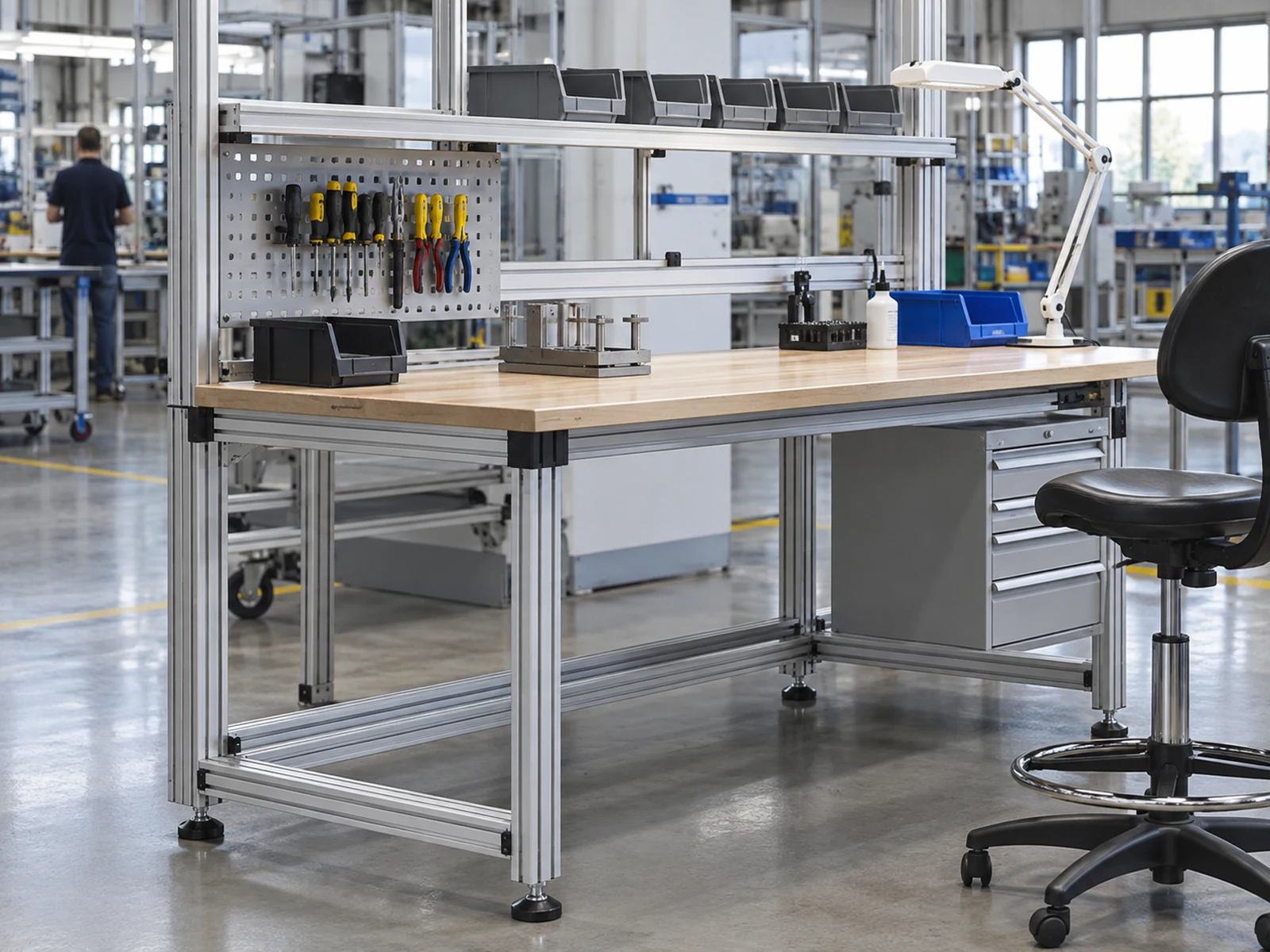
Build a cut schedule that a shop can actually use
For each part, list the profile drawing and revision, alloy and temper if specified by the buyer, nominal finished length, length tolerance, end form, end-face reference, quantity, and marking requirement. Distinguish a square end from an angle or compound end. State whether any machining, drilling, tapping, or deburring is included after sawing. If secondary work belongs to another supplier, keep it out of the cutting quote and identify the handoff condition.
Provide the actual extrusion cross-section or a representative approved sample for clamp planning. A T-slot upright, open channel, and hollow tube may need different support and contact points even when their nominal lengths match. Exposed cosmetic faces, protective film, and burr limits should be called out before a trial. Agree how short offcuts and reusable stock will be handled; material yield should be estimated against real stock lengths and the approved cut list, not a generic percentage.
For the first-article check, designate the measured features and tool: length between named end planes, end-face angle relative to a named datum, and any specified surface or burr condition. State how many samples represent a set-up and what triggers reinspection after a profile, fixture, or blade change. A traceable result is a measurement on the buyer’s approved part, not a score or claim inferred from a demonstration video.
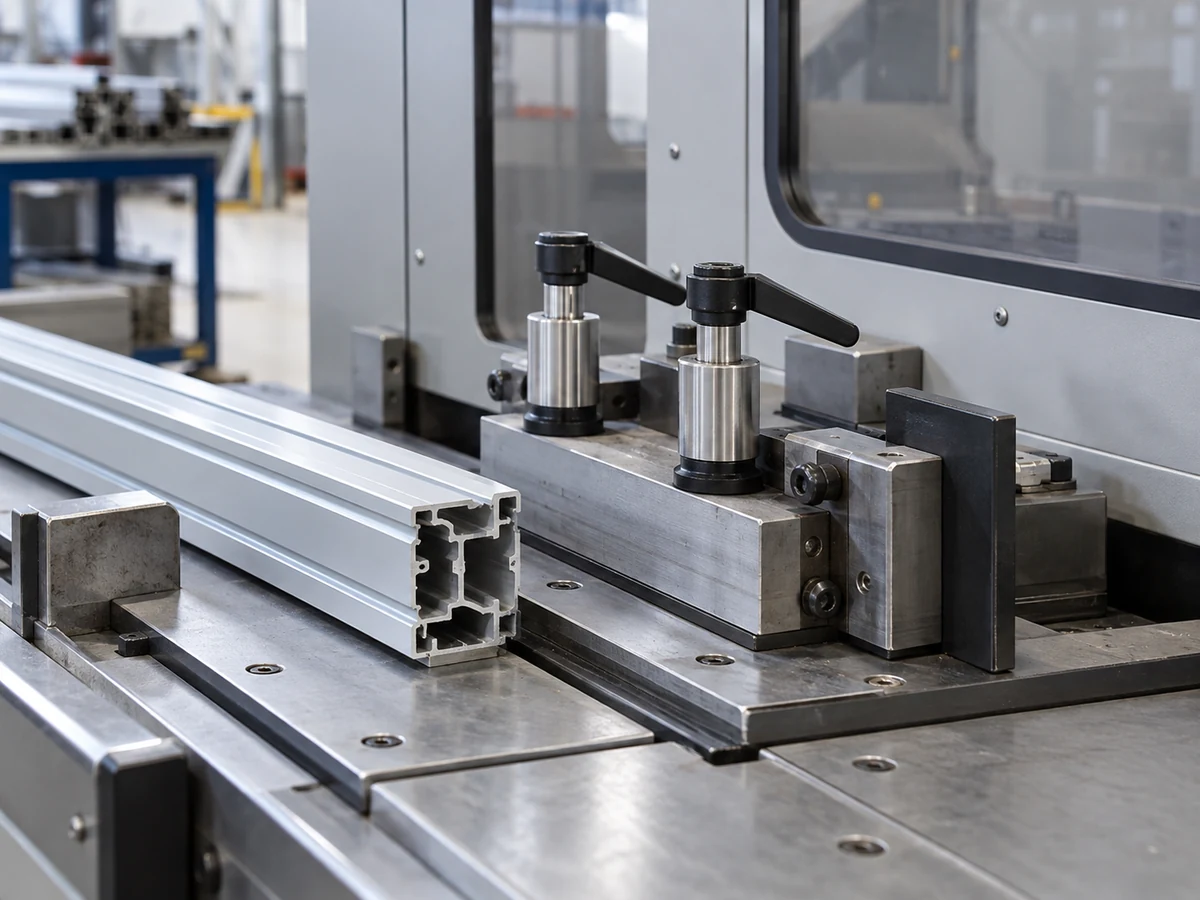
Choose the cutting process after the part is defined
The useful saw discussion begins with the profile envelope, wall thickness, available stock lengths, batch quantities, end forms, and acceptance criteria. A supplier can then assess feeding support, clamping, cut sequence, and whether a trial with buyer stock is necessary. Model names or claimed precision should not substitute for this review. If a trial is requested, document the proposed configuration, stock revision, sample count, measurement method, and disposition of nonconforming pieces before treating a result as evidence.
The following Jiurun Machinery channel video is a general equipment and cutting-process illustration. It does not demonstrate this cap elevator, a named aluminum section, an offered configuration, customer material, or verified performance.
Send one controlled RFQ package
For cap elevator support frame cutting, a practical RFQ package contains: (1) the equipment layout and support-kit boundary; (2) a revised part drawing for each extrusion; (3) the cut schedule and quantities; (4) stock and finish requirements; (5) datum, tolerance, and inspection instructions; and (6) any proposed trial and acceptance plan. Put the revision and approver on every document. When a length changes, update the schedule and drawing together so the buyer and cutting shop quote the same release.
For a clean handoff, ask the frame designer to approve the interfaces and the buyer to confirm what the cut-parts supplier owns. JiurunCut can then discuss the defined aluminum cutting scope and trial inputs. See the contact page to submit the drawing set, and review our saw output traceability guide for general measurement and handoff context. Treat any machine choice or result as a proposal until checked against your approved parts.