
Bicycle pedal body blanks are an intermediate manufacturing decision, not a finished-pedal specification. Before comparing an aluminum saw, confirm whether the approved pedal body starts as a continuous extrusion, solid stock, or a forged shape. A saw-cut blank may belong in the first two routes; a forged body calls for a different incoming-part handoff. The buyer’s useful question is: what exact piece must reach the machining fixture, and who owns that cut?
Start with the stock route, not the finished pedal
Finished products show why the route cannot be guessed from a pedal photograph. DEITY describes its Black Kat body as extruded and CNC machined, while OneUp describes its Wave body as forged and CNC machined. These are examples of different manufacturers’ products, not JiurunCut projects or evidence that any proposed saw makes those parts. Use your own released drawing and process plan to establish the input form.
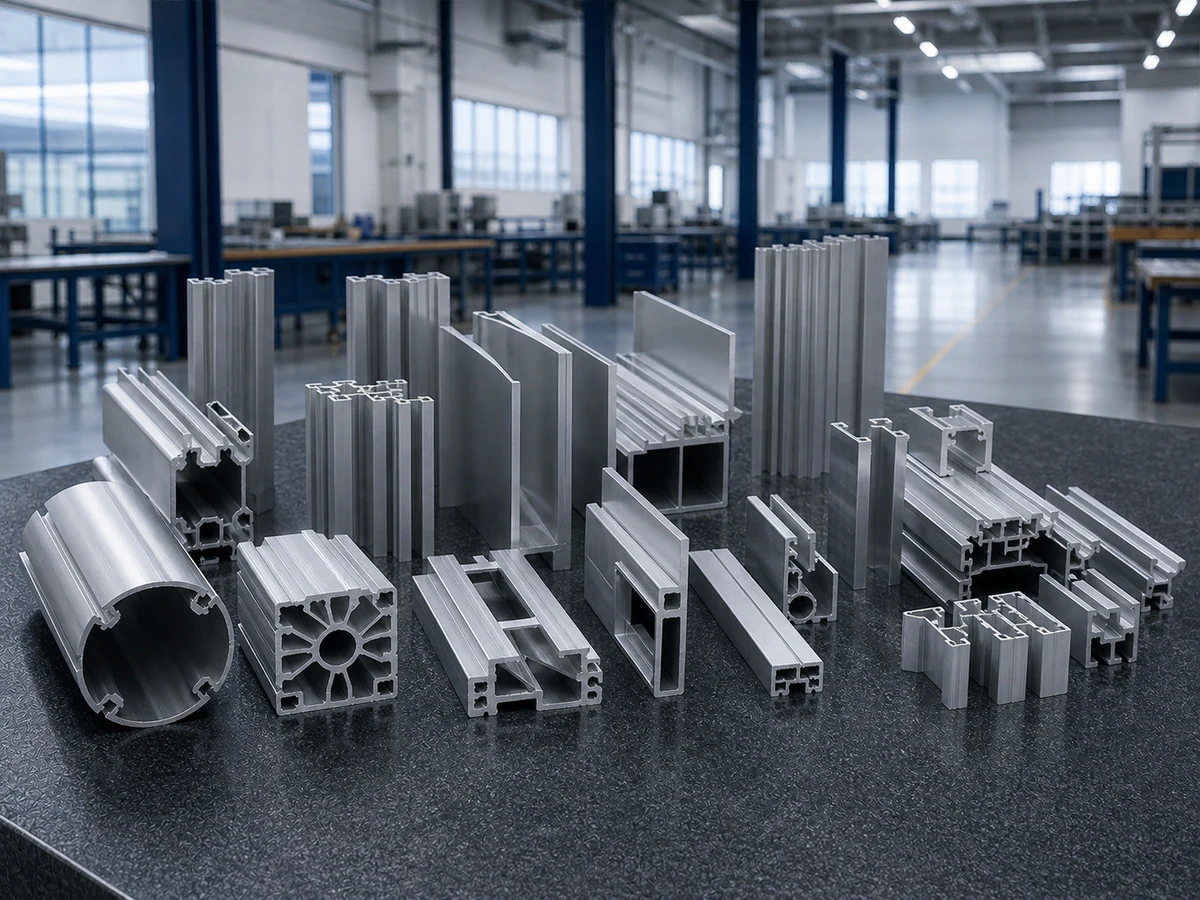
- Extrusion: identify the exact cross-section and continuous stock length. A cutoff operation may create individual machining blanks, subject to a real stock-and-machine trial.
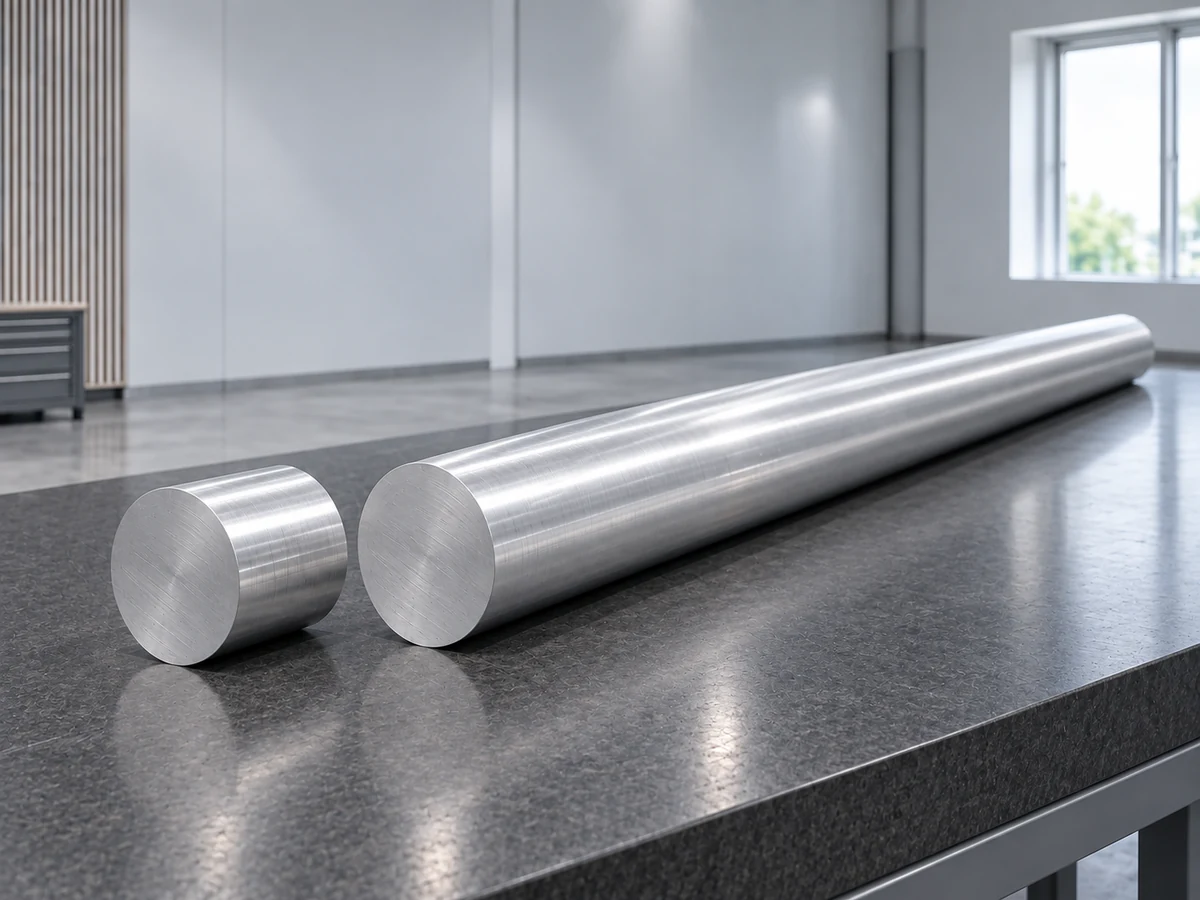
- Solid stock: define the bar section, blank length and subsequent material removal. Do not assume a round bar in a photograph represents your pedal geometry.
- Forging or near-net input: ask the forging and machining suppliers what, if anything, needs sawing. A catalog saw quotation is not a substitute for that route decision.
Bicycle pedal body blanks need a released drawing
Do not order cuts from the finished outer dimensions alone. The machining engineer should issue a blank drawing or a controlled cut instruction that identifies stock orientation, the face used to locate the blank, nominal cutoff length, permitted variation, and machining allowance at each end. If the extrusion has an asymmetric section, mark which face and direction enter the next fixture. If a left/right variant is genuinely part of the product design, give it a separate identifier rather than expecting an operator to infer it.
Specify the end condition the next operation will accept: burr and edge condition, visible deformation, loose chips, surface protection, and how the blank is identified by stock lot and drawing revision. These are buyer-defined acceptance fields, not universal limits or performance claims for a Jiurun machine. Agree the measurement method and part condition with the receiving machinist; our saw acceptance measurement guide explains why a number without a contact method is difficult to compare.
Make the saw trial answer a machining question
For bicycle pedal body blanks, send the proposed saw supplier the actual released extrusion or bar sample, stock length, drawing, expected blank lengths and batch mix. Ask them to confirm the quoted configuration’s section capacity, support, clamping and outfeed route for that input. A general machine video cannot prove that a particular asymmetric profile is held without marking or that a short blank transfers cleanly to your fixture.
During a witnessed trial, retain the blade and setup record, identify the stock lot, measure the cut blank using the agreed method, and pass representative pieces to the downstream machining cell. Have that cell check seating in its fixture and the material left for its first operation. Record unacceptable burr, distortion, handling damage or chip retention separately from length error. A finished pedal made later is not evidence that every incoming blank was acceptable; preserve the handoff record for the tested configuration.
Compare buying blanks with owning the cutoff step
For bicycle pedal body blanks, a saw purchase is justified by the accepted-blank workflow, not by the presence of aluminum in the finished pedal. Compare an outsourced blank quotation with in-house cutting using the same drawing revision, input length, accepted quantity, inspection burden, scrap and remnant rule, tooling, labor and downstream machining schedule. If the forging route removes the cutoff stage, keep it out of the saw business case. If the extrusion route is released but its profile is still changing, obtain a configuration-specific trial before fixing machine scope.
Send one focused RFQ package
- Released pedal-body blank drawing and stock cross-section, with revision and orientation.
- Input form and length, blank length range, batch size, and any changeover mix.
- Machining allowance, datum, end condition, identification and receiving inspection method.
- Representative stock for a witnessed cutoff and a downstream fixture check.
- Requested responsibility for blade, handling, measurements and rejected blanks.
- A request for the supplier to identify the actual offered saw configuration and any limitations before price approval.
Send JiurunCut the released stock and blank information through our contact page. We can discuss whether a saw trial belongs in your manufacturing route and what the proposed equipment can actually demonstrate. We cannot infer the pedal design, alloy, blank tolerance or finished-product performance from an illustrative photograph.
Related machine footage
The Jiurun Machinery video below shows an automatic aluminum cutting machine and its feed path. It is equipment context only: it does not show a bicycle pedal extrusion, a pedal-body blank, the quoted configuration for your project, a downstream CNC fixture, or a verified acceptance result.