
A battery swap cabinet is an electrical product with battery slots, charging hardware, controls, doors, and safety functions. A saw supplier may be asked to cut only a small set of structural parts. The first buying question is therefore simple: does the released cabinet design actually contain aluminum extrusion blanks? If the approved bill of materials specifies steel sheet for the shell and no aluminum rails or subframe, an aluminum saw quotation is the wrong scope.
This guide addresses battery swap cabinet aluminum frame blanks for a cabinet maker that has already defined the product. It does not propose a cabinet design, certify battery safety, or specify electrical clearances. The integrator owns the slot architecture, battery interface, environmental protection, fire strategy, and assembled performance. The cutting supplier can quote a defined extrusion blank and a measurable first-off acceptance plan.
1. Confirm battery swap cabinet aluminum frame blanks are specified
Do not infer the material from a cabinet photograph. Omnivoltaic describes a battery swapping cabinet with a shell, charging compartments, communication, temperature control, and safety protection, and lists steel plate as the structural material for one product. Other designs may use a different material mix. That variation is why the buyer should send a released bill of materials and separate the aluminum line items from steel sheet, electrical components, battery guides, locks, seals, and bought-in modules.
If aluminum is specified, identify whether each piece is an exterior trim, a door-edge member, an internal support, or a replaceable guide. These parts do not share one acceptance condition simply because they fit the same cabinet. A visible trim may have a protected face; a guide may need a controlled mating clearance; a structural member may need a joint detail approved by the cabinet designer. Put the part number and drawing revision beside every proposed cut blank.
2. Release the profile drawing and cut datum
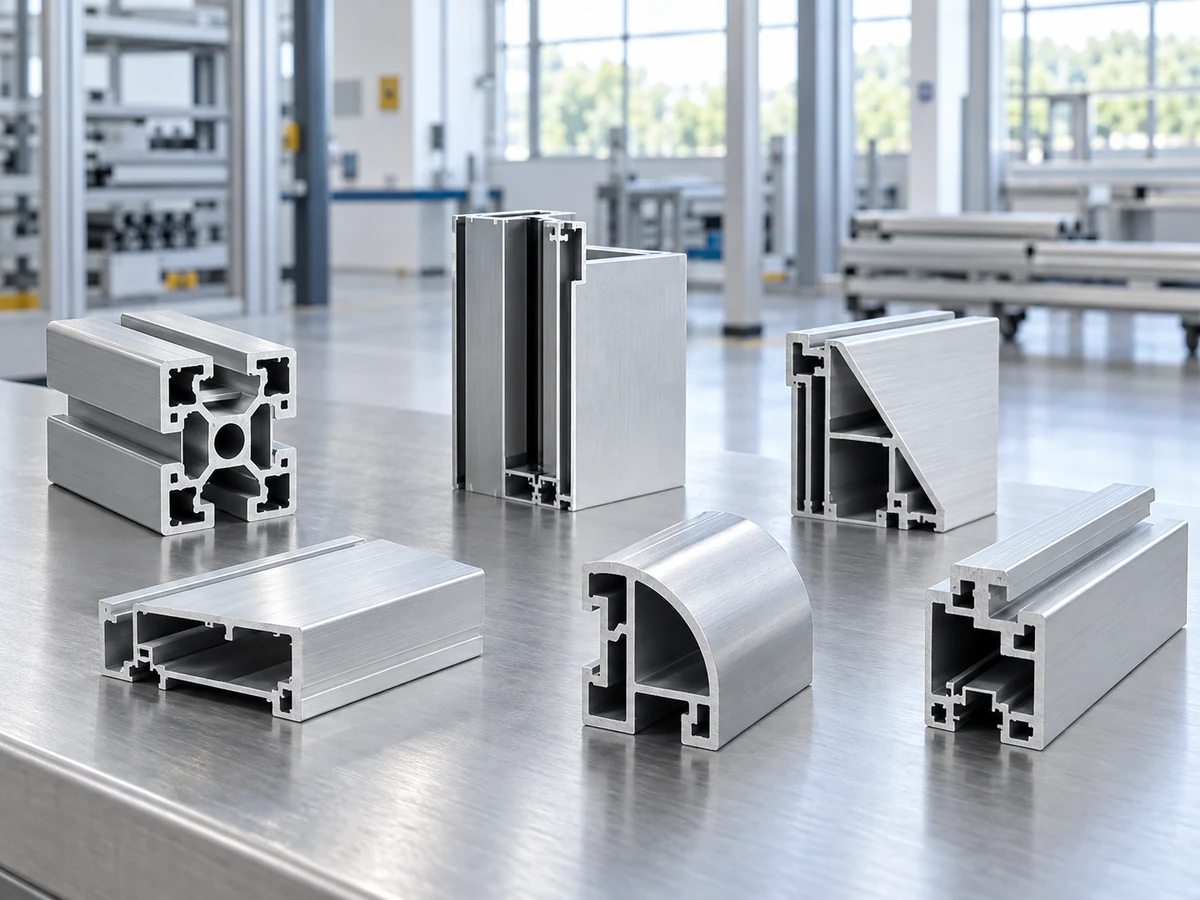
For each aluminum extrusion, supply its approved cross-section, alloy and temper if specified, finish state, stock length, cut length, end form, reference face, orientation, handedness, quantity, and acceptance tolerance. State whether length is measured from a square cut face, a miter point, a connector shoulder, or a later-machined feature. A dimension taken from the wrong face can pass a simple ruler check and still prevent the cabinet maker from installing the intended mating part.
Ask the designer to identify protected surfaces, cavities that need support during clamping, and thin lips that may deform. The Aluminum Association’s extrusion tolerance guidance distinguishes section variation, straightness, twist, and other characteristics; a cut-length target alone does not define an acceptable blank. The agreed drawing and inspection method must govern this order.
3. Keep the slot and door interfaces with the system designer
A swapping slot is more than a rectangular opening. Gogoro’s public GoStation instructions describe inserting a battery until it locks and a confirmation is heard. That example shows why the insertion and locking interface is a system-level feature. A saw-cut blank should reference the cabinet maker’s approved slot, hinge, latch, guide, connector, and service-access drawings. The cutting supplier must not invent a clearance from a photo or claim that a generic rail supports a particular battery.
For every slot-related member, name its position and mating part. Ask whether the cabinet maker measures the opening before or after finish, which faces locate against the adjacent panel, and whether a later operation drills, mills, bonds, or fastens the blank. Keep those downstream operations separate in the RFQ. If the current cabinet is largely steel, an aluminum trim or subframe may still be relevant; quote only the aluminum parts confirmed on the approved list.
4. Trial the hardest extrusion before committing the batch
Choose a representative sample that includes the hardest cut and the most sensitive face. The trial should use the actual approved section when possible. Record the drawing revision, material identity, blade and support setup, reference face, measured length, end squareness or angle, burr, deformation, and surface marking. Fit the first-off blank to its approved mating part if that part is available. If only a representative extrusion is used, label the result as a process demonstration rather than approval of the production part.
Jiurun makes industrial circular-saw equipment for aluminum profiles and other nonferrous stock. A machine demonstration can help discuss support, feed, clamping, and cut inspection; it cannot establish a production tolerance for an unnamed extrusion or verify the cabinet’s electrical or safety performance. The Aluminum Association’s processing overview also distinguishes the initial cut from later punching, machining, bending, or welding. Keep those steps on separate process lines.
5. Stage and release blanks by cabinet revision and slot family
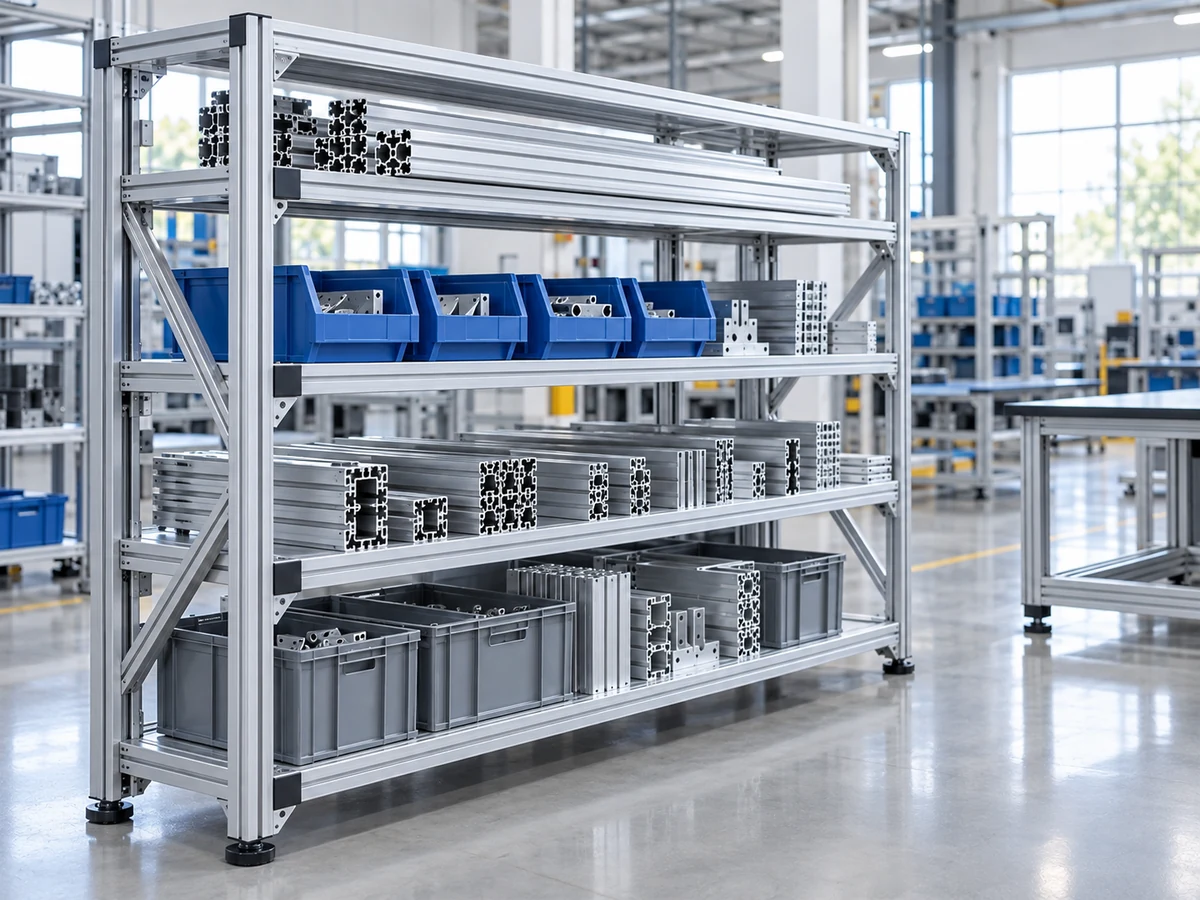
One cabinet design may contain left and right members, visible and hidden faces, and several slot or door variants. Mark the accepted blanks by part number, revision, orientation, slot family, and batch. Separate uncut stock, first-off samples, rejected pieces, and released kits. The cabinet maker should be able to reconcile each delivered package with the current assembly list without guessing from appearance. A change to the slot module or door hardware may alter only one member family; quarantine that family until the revised drawing is released.
What to send for a useful saw-cut quotation
| Buyer input | Decision it supports |
|---|---|
| Released BOM, material and profile drawings | Which items are truly aluminum extrusion blanks |
| Part number, revision, datum, end detail, finish and quantity | Cut program and measurable acceptance |
| Slot, guide, door and connector interface drawings | First-off fit and downstream responsibility |
| Stock length, batch mix and packaging rules | Yield review and traceable kit handoff |
Do not send an electrical cabinet photograph as the only specification. State what the saw supplier delivers: loose cut blanks, labeled groups, or a first-off sample. If the buyer needs a complete cabinet, charging hardware, fire protection, or installation approval, those are separate procurement and engineering scopes. For a different storage-equipment example, see our energy storage cabinet rail supply guide; its cabinet context should not be assumed to match a battery swapping product.
Related aluminum cutting demonstration
This video from the Jiurun Machinery channel shows related aluminum cutting equipment. It is a general process illustration, not a trial on a battery swap cabinet member. It does not prove the material, machine configuration, customer, slot fit, electrical safety, fire behavior, weather protection, or production performance discussed here.
Frequently asked questions
Can a battery swap cabinet be assumed to use an aluminum frame?
No. Check the released material list. At least one publicly described swapping cabinet uses a steel plate structure. An aluminum saw quote is relevant only for the specified aluminum extrusion line items.
Does a good saw cut approve a battery slot?
No. It verifies only the agreed blank geometry and surface condition. Locking, charging, thermal behavior, and safety need separate design and system validation.
What is the smallest useful first-off package?
Send the approved profile sample and drawing, the cut datum, the hardest end condition, the mating part if available, and a written inspection method. Record any limits of the demonstration.
Request a focused cutting review
If your released design includes battery swap cabinet aluminum frame blanks, send Jiurun the profile drawing, BOM line items, cut lengths, material and finish, target acceptance checks, and planned batch quantities. We can discuss a saw-cut and first-off review for that defined scope. The cabinet designer remains responsible for the complete battery swapping system and its safety approvals.