
Somfy’s installer sequence puts an important operation between a straight saw cut and a motorized awning that works: the roller tube is cut, its edge is deburred and cleaned, and a smooth tube may need a notch that locates on the motor crown. A purchasing order that says only “cut aluminum tube to length” leaves that notch without an owner. For awning roller tube cutting, the buyer should decide which shop supplies a plain blank and which shop prepares the end for the approved drive system.
This guide concerns the metal tube handoff. It does not specify an awning motor, electrical installation, wind rating, finished assembly or universal notch size. The awning designer and motor supplier must release the matching tube, crown, drive wheel, brackets and preparation drawing. JiurunCut can discuss a defined aluminum sawing trial; a video or a clean cut end cannot certify the completed awning.
The hidden operation between a straight cut and a fitted motor
In the Somfy LT 50 CSI PA installer manual, the motor preparation, tube preparation and motor-to-tube assembly are separate steps. The manual calls for cutting the roller tube to the product length, removing burrs and swarf, and cutting a notch in a smooth tube so that it can align with the crown. This is a specific drive-family example, not a dimension schedule for every awning. A different drive, tube or adapter may use a different profile or coupling method.
That order matters to a saw buyer. A saw can establish a length between two defined end faces. It does not automatically cut a locating notch, confirm the crown engages it, install the drive wheel or fasten the assembled tube. If the purchaser expects any of those later operations in the same purchase order, show them as separate deliverables. If they will be completed elsewhere, label the saw output as a cut blank and keep the subsequent operation on the router.
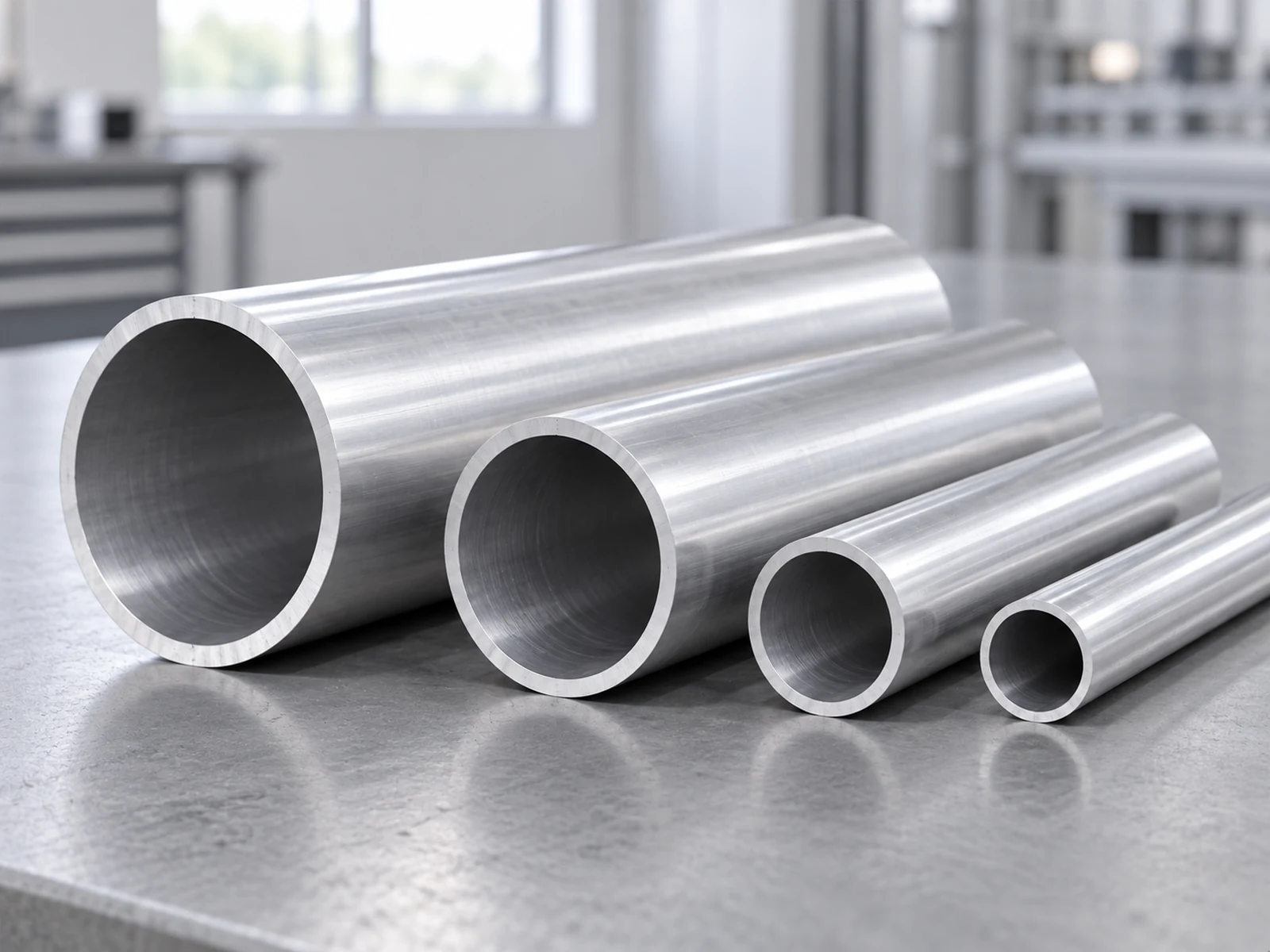
Ask the design owner for a section drawing and part number before calculating stock. The drawing should establish the tube’s outside and inside geometry, the condition of its interior, the finished cut reference, and which end receives the motor. A nominal outside diameter alone cannot establish crown compatibility: the actual inner shape and any ribs, grooves or seams can change the interface. Do not infer a motor fit from the generic round stock shown above.
Which end of the awning roller tube needs the locating feature?
A notch is directional. The drawing should identify the drive end, its angular orientation relative to the tube’s other features, and the datum from which its position is inspected. If the blank is turned around between saw and secondary machining, an otherwise correct notch can land on the wrong end. Marking the tube before it leaves the cutting cell is useful only if the marking method is approved and remains legible through handling and finishing.
Keep the length reference separate from the notch reference. The installer manual measures a drive-head-to-wheel relationship for its own system, while the finished awning also has bracket and product dimensions. A supplier must not convert an awning width into a saw stop position by guessing a generic deduction. The responsible designer should release the tube blank length and the downstream assembly relationship explicitly. For a broader discussion of how an awning maker separates retained metal work from purchased assemblies, see the awning manufacturing supply-route guide.
Likewise, do not assume the motor notch is cut at the saw. A notching tool or another approved secondary process may be required. The cutting machine’s trial should be judged on the specified tube blank and end condition; the notch operation should be judged against its own drawing and gauge. If a supplier quotes both operations, identify the machine or station, sequence, inspection ownership and part marking for each. A quote that simply says “ready for motor” is too vague to release.
Keep the tube end usable for the next operation
A smooth tube can look square from outside while a lip of material remains inside the bore. That lip can affect the entry of an adapter, and loose swarf can be carried toward the motor or later work. The specified deburring and cleaning method should therefore be part of the handoff, with the allowable condition agreed by the designer and drive supplier. A visual photograph can locate a burr; it cannot by itself prove a particular crown will seat.
When evaluating a saw, present the actual tube at the required supported length and ask the supplier to show how it will be held without changing the section. Record the incoming tube identity, support position, cut reference, blade and setup used for the sample, then inspect the released end at the features relevant to the next operation. A large unsupported projection, a rotating tube or contact on a thin wall can make a demonstration unrepresentative of production. The trained operator must follow the machine’s guarding and setup instructions; no one should improvise access to the blade to demonstrate a short part.

The Jiurun Machinery clip below shows a related aluminum profile feeding and cutting operation. Use it to ask how a proposed tube would be supported, fed and discharged on a selected machine. The footage does not show an awning roller tube, the specified motor, a crown notch, or evidence that a particular tube and drive fit together.
Use a witnessed fit check to close the handoff
For an initial trial, provide a representative tube from the released stock, the actual crown or specified gauge, the approved notch drawing if required, and a statement of which shop performs each operation. Have the saw supplier return a labeled sample with the measured cut length and documented end condition. The party responsible for the secondary feature can then make and inspect the notch, if that feature belongs to the design. Finally, the authorized assembler can test insertion and alignment with the intended crown and drive wheel under the supplier’s instructions.
Keep a failed witness intact until the cause is known. A crown that stops at the end might meet an inner burr, the wrong tube, a mismatched adapter or an unmade notch. A notch that is present but misoriented points to datum or handling control. If the assembled tube interferes with a bracket, the issue may be a wrong tube length or a system-dimension interpretation. These are different corrective routes. Do not reset the saw stop simply because an assembly fails somewhere downstream.
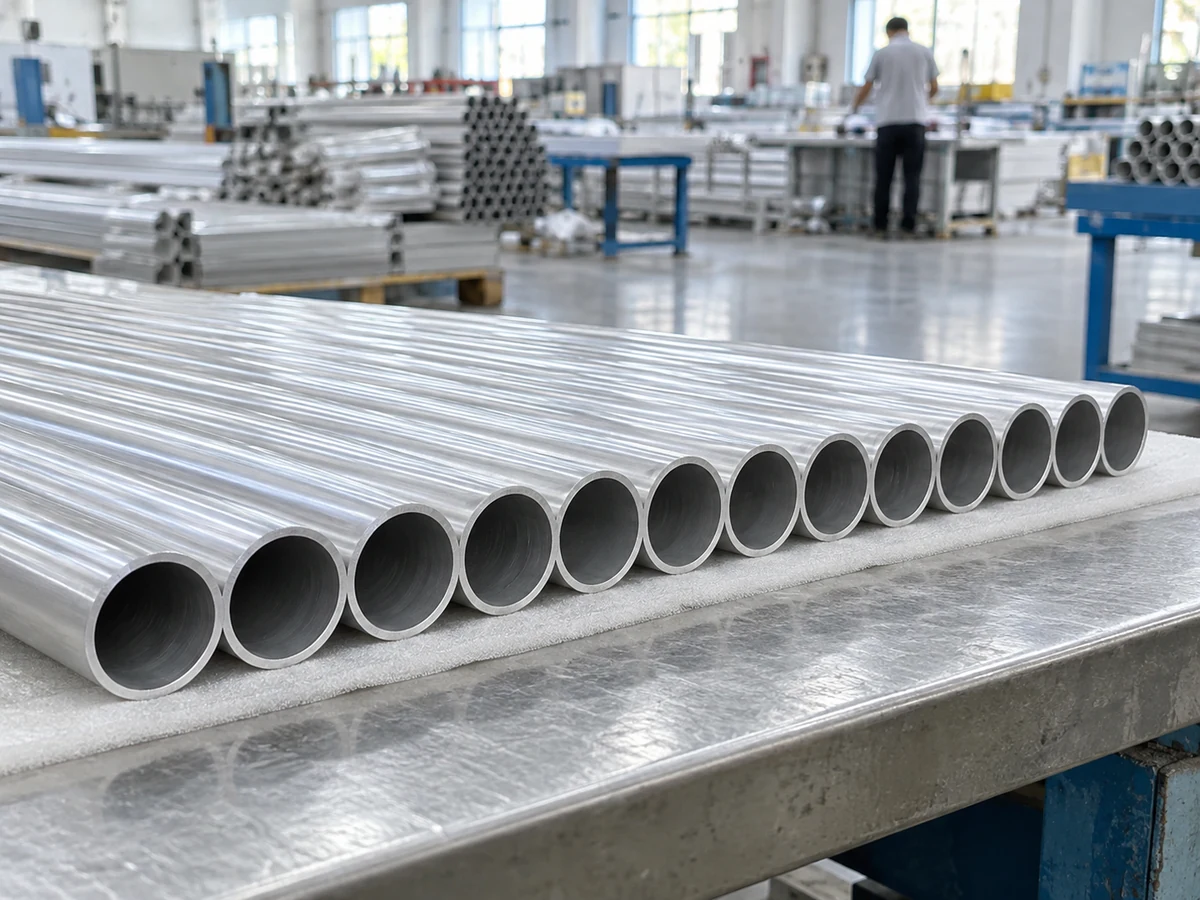
The released record should say who signs off each stage: stock identity, saw blank, edge preparation, notch geometry, motor fit and final awning performance. The saw supplier’s acceptance can be limited to the first three if that is the agreed contract. If a buyer needs a complete motor-ready tube, the quote must expressly include the secondary feature and its inspection evidence. This boundary is the useful outcome of the first-article trial, not a claim that one generic saw setting will serve every awning tube.
To discuss a JiurunCut trial, send the released tube drawing and representative stock, plus the drive and crown references and the shop-by-shop operation split. Ask which evidence a proposed saw configuration can produce for the cut blank. The awning designer and motor installer remain responsible for approving the coupling and completed product.