
Aluminum squeeze casting uses pressure during the casting’s solidification. For a purchase review, identify the exact proposed route and the delivered component. Keep alloy condition, later machining and inspection requirements connected to the same part revision.
The process name helps start a foundry discussion. A useful quotation also identifies what arrives, which features are completed and which records establish conformity to the agreed requirements.
On this page
Check 1: identify the aluminum squeeze casting route
A U.S. Department of Energy project fact sheet from December 2000 discusses squeeze pressure, molten-metal flow and solidification. It connects gate design with whether pressure can act before the gate freezes. This historical research context explains why the process description needs more than a machine label.
As a manufacturer-specific example, Ryobi’s Japanese technology page describes its GD squeeze method as combining gravity die casting and squeeze casting. Its sequence uses tilted filling and pressure applied by squeeze pins during solidification.
Retain the foundry’s actual route description for your component. A proprietary method name should stay attached to its supplier’s explanation rather than being expanded into an assumed generic procedure.
Ask the supplier to identify the process covered by the quotation and the component revision it reviewed. Where the proposal offers alternatives, give each route a recognizable reference.
Keep the proposed tooling and any route-dependent design changes visible for engineering review. A buyer’s short description of the finished shape does not replace the foundry’s identified proposal.
Check 2: retain the alloy and supplied condition
State the required material designation and applicable specification in the controlled purchase documents. Keep the foundry’s proposed alloy identifiable if it differs from the requested material.
Identify the supplied condition and any included heat-treatment stage. A condition stated for an earlier casting stage needs to remain separate from the finished-component delivery requirement.
Request the material and process records required by the contract or inspection plan. Connect them to the actual delivery identity rather than collecting a general brochure beside an unrelated shipment.
Our material-certificate guide explains the separate task of connecting certificate information to the supplied material. Preserve the report scope and delivery references used for this order.
Keep any property requirement with its method, location or other conditions specified by the responsible design and quality teams. A property entry with no identifiable basis can leave a supplier comparison incomplete.
Resolve proposed substitutions through the agreed review. Changing an alloy or supplied condition in a comparison spreadsheet should reflect an actual accepted proposal and its updated requirements.
Check 3: define what is finished at delivery
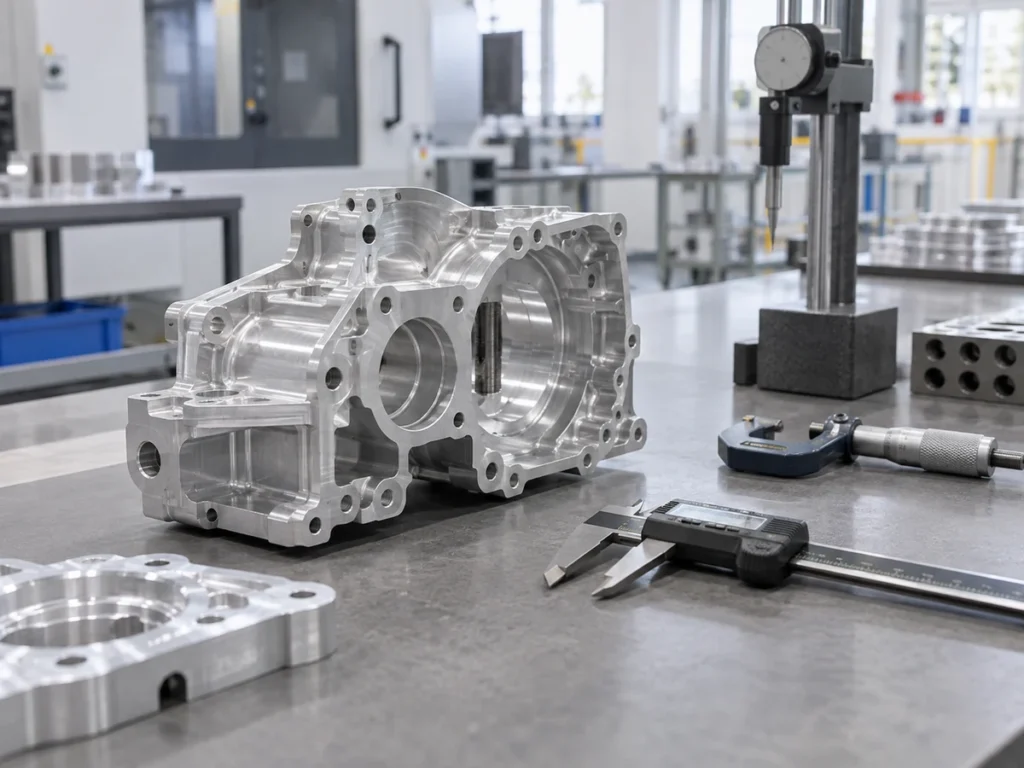
Mark the component drawing with the features completed by the quoted delivery stage. Identify which faces remain as cast and which receive later machining or finishing.
List holes, mating surfaces, passages and end details under the actual agreed scope. Ask the foundry to identify the operations included in the quotation for each relevant feature.
Keep the final acceptance requirement separate from an intermediate-stage dimension. A machined interface needs its own completed-feature definition even when the earlier casting envelope is clearly documented.
For a proposed design change, retain the affected feature and the responsible approval. The finished part number and revision should make the accepted geometry recognizable to every supplier in the sequence.
| Scope field | What to identify |
|---|---|
| Route | The actual foundry process proposed for the component. |
| Material | Alloy, specification and supplied condition. |
| Features | Completed surfaces and remaining operations. |
| Records | Required inspection evidence and delivery identity. |
The sand and permanent-mold purchasing guide addresses mold and core identity. Keep that tooling discussion connected to the actual route; a shared finished outline does not make two foundry proposals equivalent.

Check 4: connect inspection evidence to the delivered part
Identify the inspection scope required for the actual component. Name the relevant features, areas or material properties using the approved plan and drawing references.
If internal quality or leak integrity is part of the requirement, preserve the specified method and acceptance criteria. Have the responsible quality team confirm how the result is recorded and applied.
A supplier’s description of its process should remain separate from an order-specific acceptance record. Ask which documents accompany the actual delivery and what part, lot or sample identity they cover.
Keep any agreed sample review traceable to its configuration and condition. If production changes after that review, retain the change record and the applicable follow-up requirements.
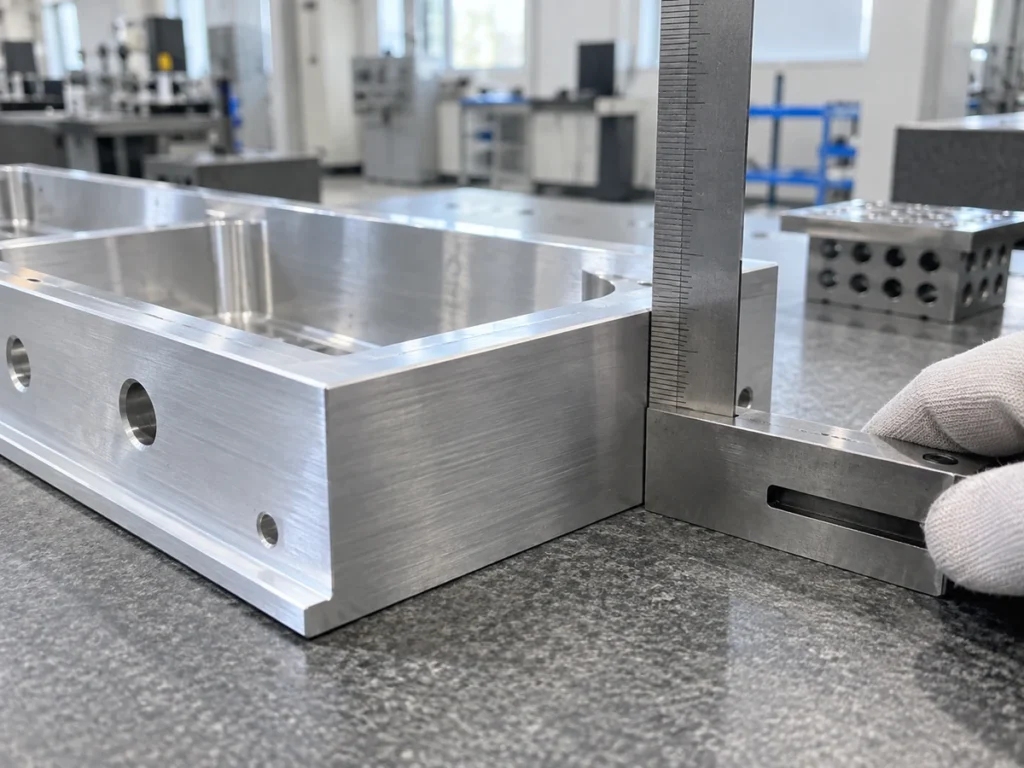
For a dimensional report, mark which surfaces belong to the casting stage and which belong to the completed machining stage. This makes the inspection record readable to the next operation’s supplier.
Request missing information by its field name. For example, ask for the report’s part revision or tested region instead of requesting a broad assurance that all quality is acceptable.
A fictional comparison: same housing, different supplied stages
Imagine housing S62, revision D. Offer A covers the defined casting and its agreed records. Offer B includes the casting plus machining of mating face M and bore B.
Both suppliers name aluminum squeeze casting, but the delivered scopes differ. Put face M and bore B into the comparison so the buyer can see which operations remain after each delivery.
Ask Offer A’s supplier to identify the condition of those features at its handover. Ask Offer B’s supplier to identify the final machining and inspection records included for them.
Please retain housing S62, revision D, as the comparison basis. Identify the proposed casting route, supplied material condition, completed features M and B, and records included at the quoted delivery stage.
This fictional example provides no foundry performance value, defect limit, tooling dimension or recommended casting parameter. It illustrates how delivery scope changes a quotation comparison.
Keep a changed process or drawing traceable
If the supplier proposes another route, retain that proposal alongside the original requirement. Ask the design and quality teams to identify the reviews needed before accepting the change.
Update the quotation, operation list and inspection scope when an approved revision changes them. Keep earlier documents recognizable as earlier versions.
A previous sample may support a discussion, but its applicability to the changed part needs an explicit review. Record what was retained and what needs further confirmation.
Prepare a clear handover for the next operation
Attach the controlled component drawing, supplied-stage definition and relevant inspection records. Identify the part and revision on the delivery and on the next operation’s instruction.
When a project also includes cut aluminum profiles or bars, define that stock requirement separately. Provide the actual section, material condition, lengths and cut references for the cutting review.
Send JiurunCut the defined aluminum stock and cut requirements for that portion of the project. Keep aluminum squeeze casting tooling and process approval with the responsible foundry and engineering team.
Short buyer questions
Does the process name establish finished-part acceptance?
Retain the actual requirement, inspection scope and delivery-specific records.
Are two offers equivalent if both name the same process?
Compare their material condition, completed features and supplied stage.
Should later machining appear in the casting comparison?
Identify it clearly whenever it affects what the buyer receives and what remains afterward.