
Read aluminum shear strength together with its test method and material identity. A value copied from a general table cannot settle whether the supplied stock meets your order. Confirm what was tested, how the result was obtained and which approved requirement the reviewer will apply.
This guide helps buyers organize a laboratory report before ordering stock for machined brackets, frame members or other cut components. It covers document review, with a clear boundary between a reported material property and approval of a finished assembly.
Start with four fields
- The complete test-method reference.
- The material and sample identity.
- The status of the reported evidence.
- The applicable purchase requirement.
On this page
1. Keep the aluminum shear strength method attached to the result
ASTM B769-25’s public overview describes double-shear testing for wrought and cast aluminum products. It states that results from B769 are not interchangeable with results from B565 or B831. The overview also explains that the loading does not strictly satisfy ideal pure shear.
For purchasing, this means a method name is part of the result’s identity. Keep the designation and edition visible in the report review. If a quotation says only “shear tested,” ask the supplier to identify the actual reference and report.
Do not change a method label to match an order, or transfer a number between methods because the unit looks familiar. Ask the responsible technical reviewer whether the proposed evidence satisfies the requirement. Record the answer with the document revision.
Read any qualification or exception alongside the reported value. A note at the end of the report can affect its scope. If pages or attachments are missing, obtain them before asking the reviewer to complete the decision.
2. Connect the tested sample to the supplied stock
Prepare a simple identity trail: purchase line, supplied product, supplier identifier and test-sample reference. Ask the issuer how these records connect. Keep the supplier’s original terminology for its heat, cast, lot or batch identifier.
Record alloy and temper as separate fields. Include product form and the relevant section or drawing reference. A description such as “aluminum bar” leaves several purchasing details unresolved, even when the drawing shows the intended finished part.
Where the report identifies a specimen location or orientation, retain that information. Ask the laboratory to explain an unclear description rather than replacing it with a guess. The purchaser should know which material the evidence represents.
Check partial deliveries too. A report supplied with one shipment needs a documented connection to that shipment. If the next delivery uses a different stock identifier, obtain the corresponding evidence or the issuer’s explanation of the coverage.
The material-certificate guide covers the wider document trail. Use it alongside the property report so material identity and delivery identity stay connected.

3. Label typical values and supplied test results clearly
Give each document an evidence label in the purchasing file. Useful labels include catalog information, supplier-declared property, laboratory report and approved acceptance review. These labels help colleagues see what is available without opening every attachment.
A catalog page can help frame a question for the supplier. Keep its material description and stated scope visible. Do not relabel its property table as a result measured on the delivered stock.
Likewise, a laboratory result needs its sample reference and stated method. A cropped screenshot containing a number removes context that the reviewer may need. Retain the complete original report and refer to its page or result field.
Keep shear, tensile and yield entries in their own columns. The tensile-versus-yield guide explains how to organize those two fields. A report for one property does not document an unreported test for another.
For an amended report, record which version supersedes the earlier issue. Preserve the issuer’s correction notice and explanation. This keeps a later purchase review from using an obsolete attachment that happens to have a familiar filename.
4. State exactly what the review is approving
Attach the approved purchase requirement to the review. Include the specified method, required evidence and responsible decision maker. If the order does not define the needed evidence clearly, resolve that gap before treating a supplier number as an acceptance decision.
Separate material-property review from the finished-part checks. The latter may cover length, end angle, hole positions or surface condition under the current drawing. Give each decision its own record and scope.
| Document field | Question for the reviewer |
|---|---|
| Test method and edition | Does this reference match the required evidence? |
| Sample and stock identifiers | Is the delivery connection documented? |
| Reported result and notes | Which stated scope and qualifications apply? |
| Approved requirement | Who records the decision for this purchase line? |
A review of material evidence also needs a clearly stated limit on what it covers. It is not, by itself, approval of a bracket’s service load, a fastened joint or a complete structure. Refer design acceptance to the responsible engineering team and its applicable requirements.
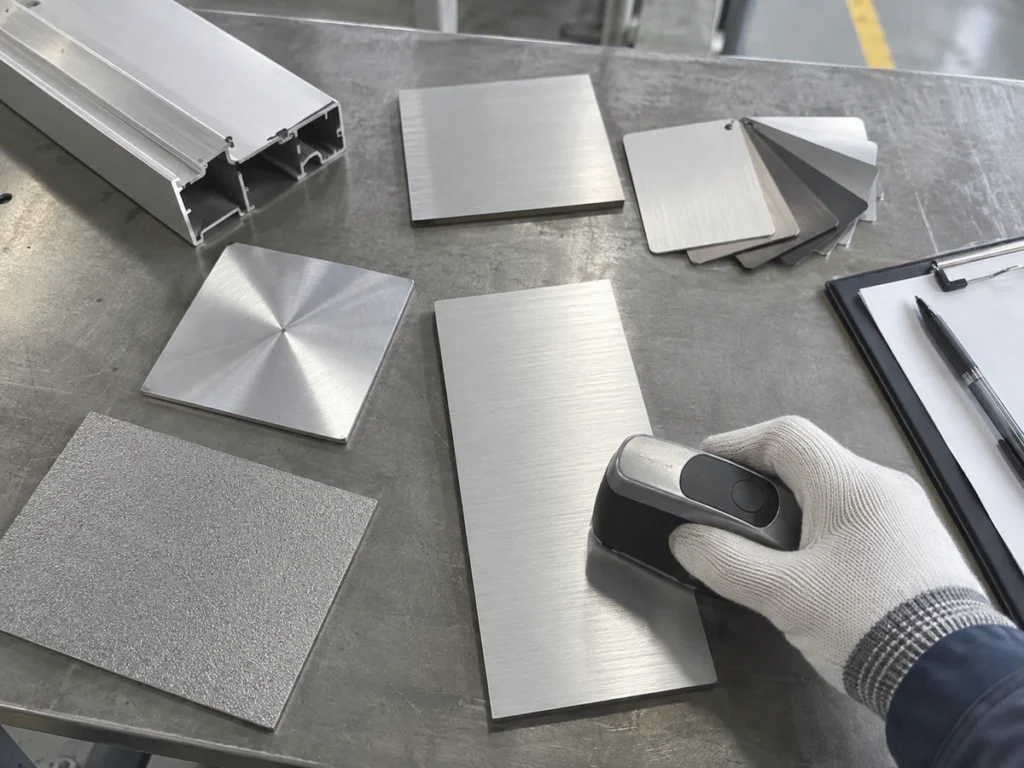
A fictional mismatch: a method disappears from the comparison
Consider a fictional purchasing file called S64. Its requirement names B769. One attachment identifies B769; a second attachment identifies B831. A comparison sheet places both results in the same column and removes the method names.
Restore those names before the technical review. Mark the second attachment as requiring clarification against the stated order. Ask the responsible reviewer which evidence is needed; do not invent a conversion between the two methods.
This example contains no test values and describes no real supplier incident. Its purpose is to show how a shortened spreadsheet heading can hide a material difference in the evidence. The decision belongs in the purchase record, with the complete supporting documents.
Send one request that the supplier can answer
Include the purchase-line reference, alloy and temper, product form, delivery identifier and required test-method reference. Ask for the complete report, its connection to the supplied material and clarification of any missing scope.
If the supplier proposes alternative evidence, request a written description of that proposal. Forward it to the responsible reviewer with the original requirement. Keep the proposal pending until its status is recorded.
For a cutting-machine discussion, also provide the profile or stock drawing, finished-part drawing, stock lengths and planned batch quantities. Explain any material-identification requirement that the cutting workflow must preserve.

Questions about aluminum shear strength reports
Can I compare two results solely because both use MPa?
Keep the method, material identity and report scope attached to each value. A shared unit does not resolve a difference in the reported evidence.
Does a photograph identify the alloy or tested property?
A stock photograph does not establish those fields. Obtain the material identification and corresponding report from the relevant supplier or laboratory.
Does the shear report verify my cutting accuracy?
Use separate finished-part inspection records for the drawing requirements. Keep their acceptance scope distinct from the material-property report.
Prepare the stock information for your cutting proposal
Send JiurunCut the stock and finished-part drawings, specified material condition and production requirements. Include the identity records the workflow needs to preserve, so the cutting proposal can address the actual job.