
An aluminum saw stops mid-shift, shows an alarm, or starts producing parts that fail the agreed cut check. A buyer may call this a warranty claim, but the immediate job is to preserve the machine state, protect people and parts, and give the seller a traceable service case. Coverage is a separate decision under the actual purchase and warranty documents. This guide shows how to build an aluminum saw warranty claim evidence packet without confusing a symptom, a diagnosis, and an approved remedy.
First decide whether the machine can be used safely
If a fault could expose a person to moving parts, an electrical hazard, an insecure workpiece, or an uncontrolled cut, stop the operation and follow the site’s isolation and escalation procedure. Do not open an electrical cabinet, bypass an interlock, clear a jam, or restart for the sake of a better photograph. A qualified person should determine the safe inspection route. Record the visible alarm and operating state before a permitted reset or repair changes them.
Keep three decisions separate: the plant’s safety release, the supplier’s technical diagnosis, and the commercial warranty decision. A successful restart does not establish the cause, and a fault report does not establish coverage. If production must move to another machine, record which orders and material lots moved so the service history and part genealogy remain intact.
Check the agreed warranty boundary before assigning a remedy
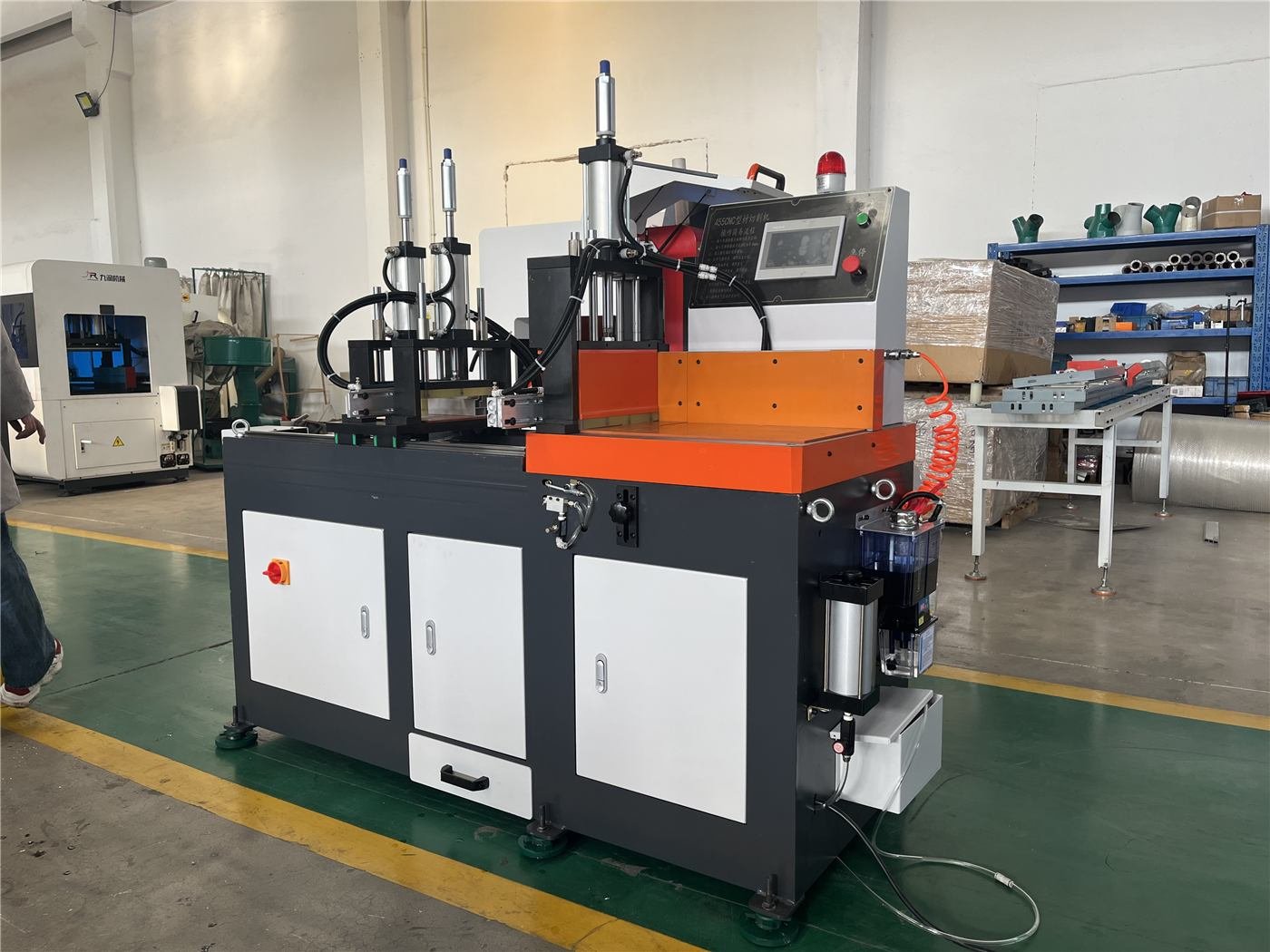
Retrieve the signed order, machine acceptance record, warranty terms, configuration list, and any service amendments. Match the seller, manufacturer, service contact, model, serial number, delivery and acceptance dates, and installed options to the same unit. Ask which document controls if the quotation and later order use different language. Do not assume that an accessory, consumable, third-party component, travel, freight, labor, or lost production is included. Equally, do not assume it is excluded: read the actual terms and get the responsible party’s written determination.
The aluminum saw warranty purchase questions help buyers clarify coverage before ordering. For a live claim, use those agreed answers and document references, not a generic web promise. If the unit changed hands or was modified, record when and by whom; the supplier needs that chronology to evaluate the case, not an unsupported conclusion that the claim is valid or invalid.
Build one event record that a remote technician can reproduce
Open a single case number and name an owner at the plant. Record the local timestamp and time zone, operator or shift, machine model and serial, control software version if visible, installed tooling and workholding, material alloy and stock form, section and length, program or recipe reference, and the production order and lot. Describe what the operator requested, what the machine did, what it displayed, and what happened immediately before and after. Copy the exact alarm text and code; photograph the screen only when safe and permitted. Mark what is observed versus what is suspected.
A useful sequence is: last accepted part, first suspect part, alarm or symptom, safe stop, any authorized reset, subsequent result, and current machine status. Attach dated photos and short clips of the symptom when they can be captured safely. Preserve the original files and give copies descriptive names. Note any adjustments, blade changes, material changes, cleaning, maintenance, or external intervention around the event. An undocumented change can make a later comparison impossible.
As an example of common service intake fields, the Haas HFO service request form asks for machine identification, status, alarm information, and a problem description. Its form is not Jiurun’s claim procedure or warranty policy; it illustrates why a technician needs a precise intake record.
Separate a machine fault from a cut-quality deviation
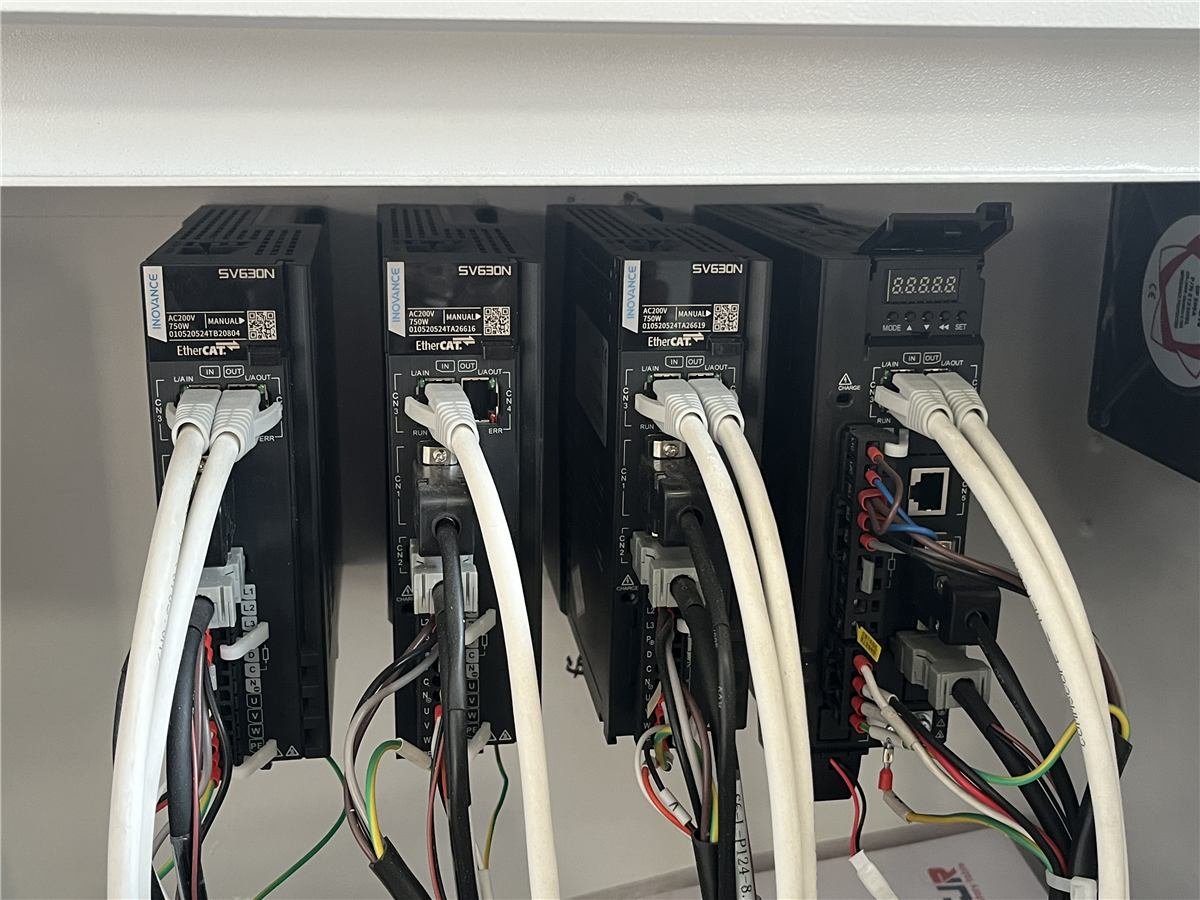
For a hard stop or component alarm, include the alarm screen, machine state, cycle stage, whether the fault repeats, and the conditions under which it does or does not appear. Report a suspected component as a hypothesis until a qualified diagnosis confirms it. A cabinet photograph can help identify the installed drive arrangement, but it cannot prove that a drive failed. Do not remove or swap parts merely to strengthen a claim; coordinate the diagnostic steps with the authorized service route.
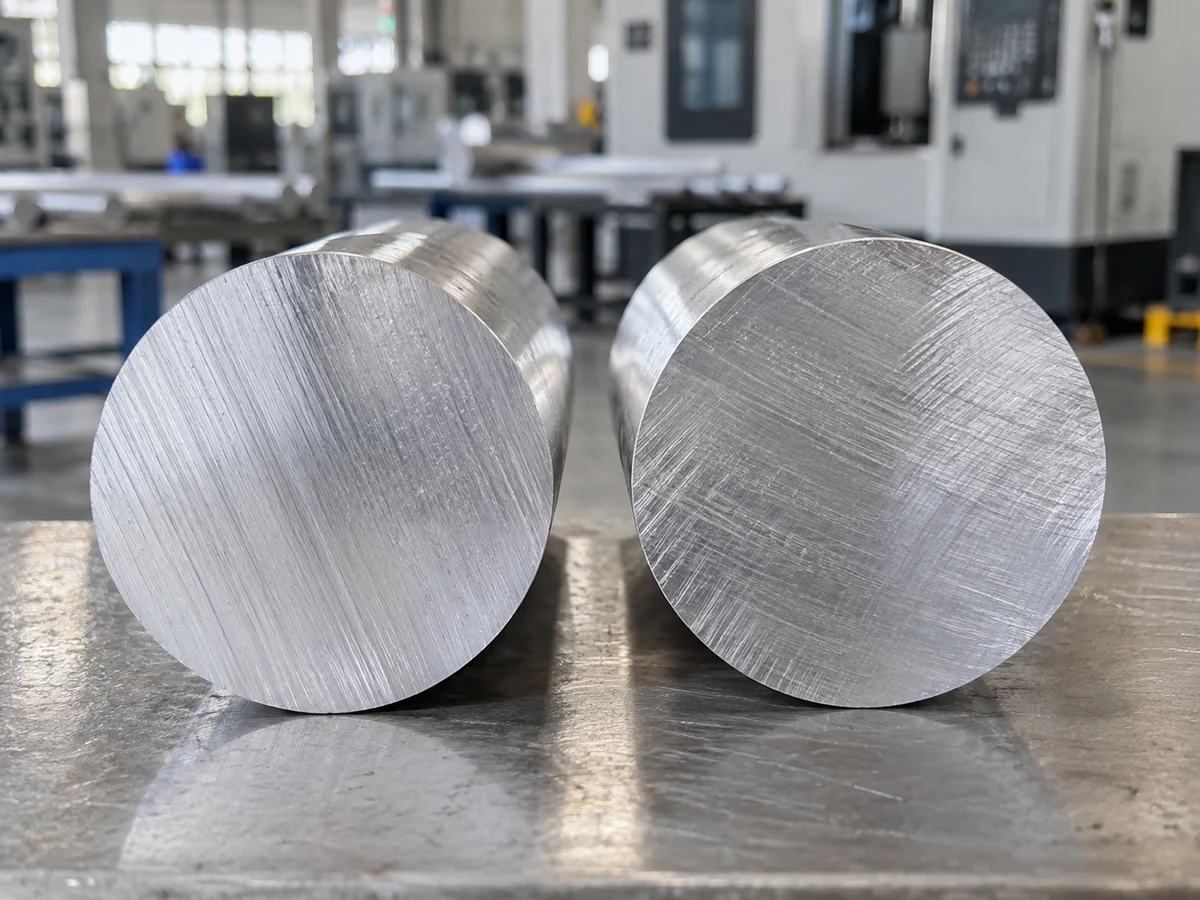
For a cut-quality complaint, use the agreed acceptance drawing and inspection method. Identify the measured feature, datum, instrument, sample size, material lot, blade identification and condition, clamping setup, feed and speed settings if relevant, and when the deviation began. Keep one accepted and one suspect sample with labels and photographs under the same lighting and orientation. A rougher end face in a photo can flag a question, but it is not a measured tolerance result or a root-cause diagnosis. Machine feed-position repeatability must not be reported as finished-part accuracy.
Send a case packet, then keep the diagnosis trail intact
A concise first submission can contain: purchase and acceptance references; exact machine identity and configuration; one-page event timeline; alarm and symptom files; production and material context; labeled samples and inspection results; maintenance and change history; current safe status; and a named plant contact. Ask the service contact to confirm receipt, case ID, missing evidence, the next diagnostic step, who is authorized to perform it, and the expected update route. Avoid sending credentials or private customer data that the technician does not need.
Record each supplier instruction, test, part number, software change, field visit, and result with its date and author. Keep the replaced part identity and disposition agreed in writing if the warranty process requires return or inspection. The Haas service-app help describes work-order notes and attached files as a way to retain a service history. That is a recordkeeping example, not a Jiurun process promise. For replacement planning, the spare-parts interchangeability guide explains why a part label alone may not establish compatibility.
Keep the commercial decision and production release separate
The supplier may first need to determine whether the cause is within the contract’s coverage, outside it, or still unknown. Ask for the cited term, diagnosis, proposed remedy, scope of parts and labor, travel or freight treatment, and who approves any paid work. If urgent production requires a temporary measure, agree in writing how that work will be recorded and whether it affects later claim review. A temporary measure is not acceptance of the supplier’s root cause or a waiver of either party’s position unless the actual agreement says so.
After service, run a defined release check using the applicable safety procedure, machine functions, and a representative cut-part acceptance method. Record who approved the release and which orders or material lots it covers. The after-repair release checklist addresses that operational gate. It is different from deciding whether a repair is payable under warranty.
What a buyer should ask before closing the case
- Which machine, serial, options, order, and acceptance record does this case cover?
- What exact symptom and evidence were reviewed, and which root-cause conclusions remain provisional?
- What contract language supports the coverage and cost decision?
- Which parts or settings changed, and who retains the service and return records?
- What test releases the machine to production, and who signs it?
- Which unresolved repeat-fault threshold reopens the case?
If you are specifying a new aluminum cutting machine, ask Jiurun to identify the proposed model, service contact, diagnostic information, warranty documents, and spare-parts route in your quotation. Send the actual stock section, part drawing, production conditions, and acceptance criteria so the technical discussion is tied to your job. Contact Jiurun for a machine-specific discussion; coverage and performance should be confirmed in the applicable written offer and test plan.
Equipment video: general process view
The video below is from Jiurun Machinery’s own YouTube channel. It shows general aluminum-profile feeding and cutting equipment. It does not show the machine, material, alarm, component condition, customer case, warranty decision, or trial performance described in this article.