
A saw quotation can name a variable-frequency drive without answering the plant engineer’s next question: what electrical behavior should be reviewed before the machine is connected? An aluminum saw VFD harmonics review should begin with the drive actually quoted, the supply point that matters to the factory, and a clear owner for any measurement or mitigation decision. A brochure number alone cannot settle those three questions.
This is a purchasing and commissioning framework for a saw if its confirmed configuration includes a VFD. It does not assert that every Jiurun saw uses one, or that any quoted machine meets a particular harmonic limit. Ask the supplier to identify the drive and input arrangement in the offer before applying the steps below.
Aluminum saw VFD harmonics: establish what is supplied
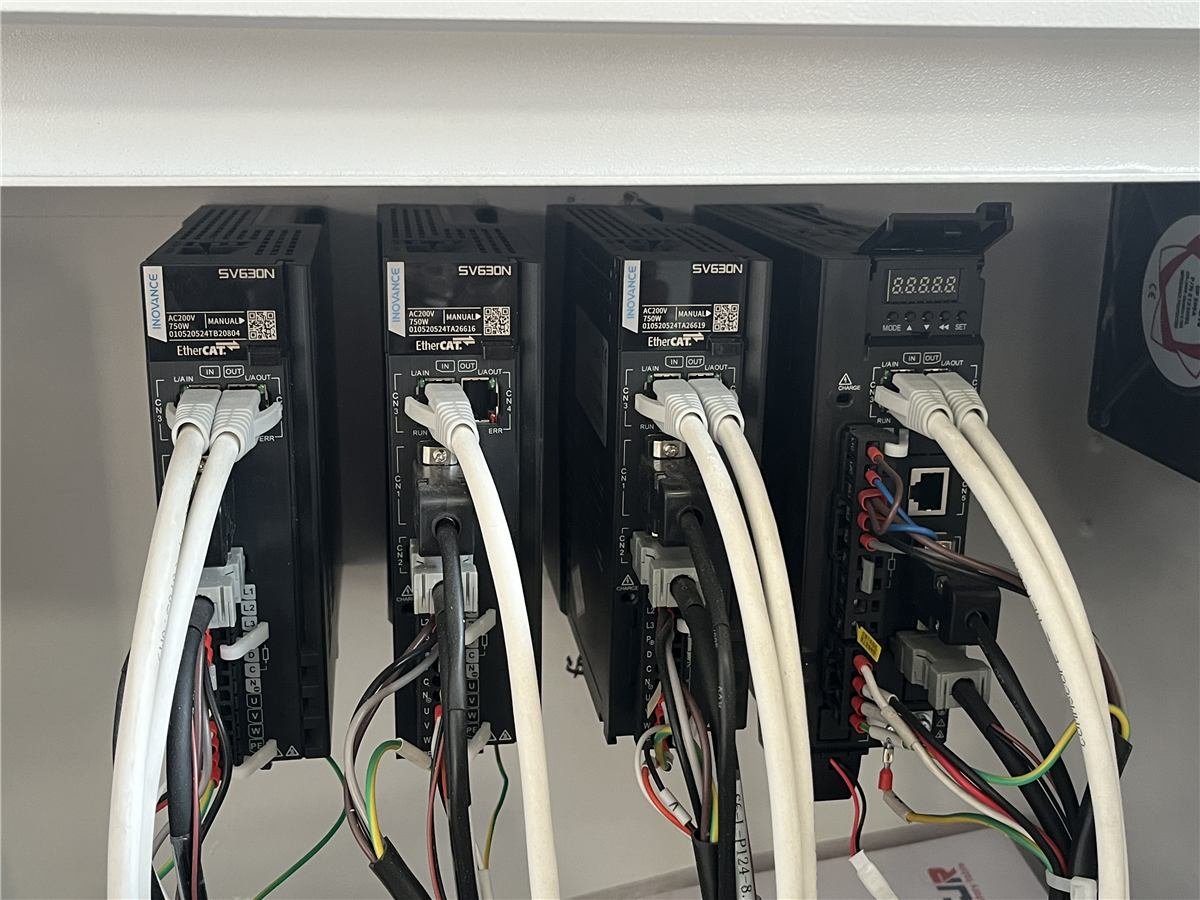
Request the drive manufacturer and model, rated input and output information, rectifier or input-stage description, and the motor or function it controls. Ask whether an input reactor, DC choke, passive filter, active filter, or other power-quality item is included, optional, or outside the saw package. The answer must refer to the actual bill of materials and electrical drawings, not a generic product-family claim. A servo drive visible in a cabinet, for example, is not proof that a separate saw motor has a VFD.
The drive input matters because rectifier-based AC drives can draw nonsinusoidal current. Schneider Electric’s drive application bulletin explains that input topology and components such as line reactors or DC chokes affect harmonic behavior. Their presence on a quote should therefore be documented, while their effectiveness for this facility remains a separate engineering judgment. Our line reactor and EMC filter scope guide helps separate those two quoted items; neither label alone is a site acceptance record.
Locate the question on the plant’s electrical system
A drive maker’s input-current figure and a facility’s power-quality result describe different boundaries. The buyer should identify the supply voltage and frequency, the transformer or feeder serving the saw, other large nonlinear loads on that supply, and the point at which the factory or utility expects compliance to be assessed. ABB’s Technical Guide No. 6 on harmonics with AC drives explains why drive characteristics and the surrounding network both matter. A percentage stated without its measurement location, loading, and operating condition is an incomplete answer. The aluminum saw VFD harmonics review therefore needs both drive data and the plant connection context.
Ask the plant electrical engineer to define the applicable review method and acceptance criterion for that connection. The saw supplier can provide verified equipment data and interface details; the party responsible for the plant system should assess the combined installation. This division should be agreed before order release, especially when the quote crosses a panel-builder, integrator, or utility boundary.
Specify the operating case that will be checked
“Saw running” is not a reproducible test condition. Record whether the review covers idle controls, blade motor acceleration, steady cutting, feeding, and deceleration, and which other factory loads will be on at the same time. For a variable-speed blade, verify the commanded frequency against the actual spindle and blade arrangement; frequency is not automatically blade RPM. The relevant electrical operating states must be defined from the supplied controls and the buyer’s production cycle.
If a supplier offers a harmonic figure, request the source document, test circuit, load level, supply conditions, and whether it describes drive input current or the customer’s connection point. Do not turn a component test into a factory-wide guarantee. When evidence is unavailable, mark the value as unverified and assign a pre-installation review rather than filling the gap with a promised number.
Make mitigation and acceptance an explicit purchase decision
The electrical review may conclude that no added device is needed, that a quoted input component should be specified, or that the plant needs a broader measure. The buyer should not choose a filter by name alone. Instead, ask who selects and sizes it, who supplies it, where it will be installed, how heat and cabinet space are handled, and who verifies the result after commissioning. List these items as inclusions, exclusions, or priced options in the purchase document.
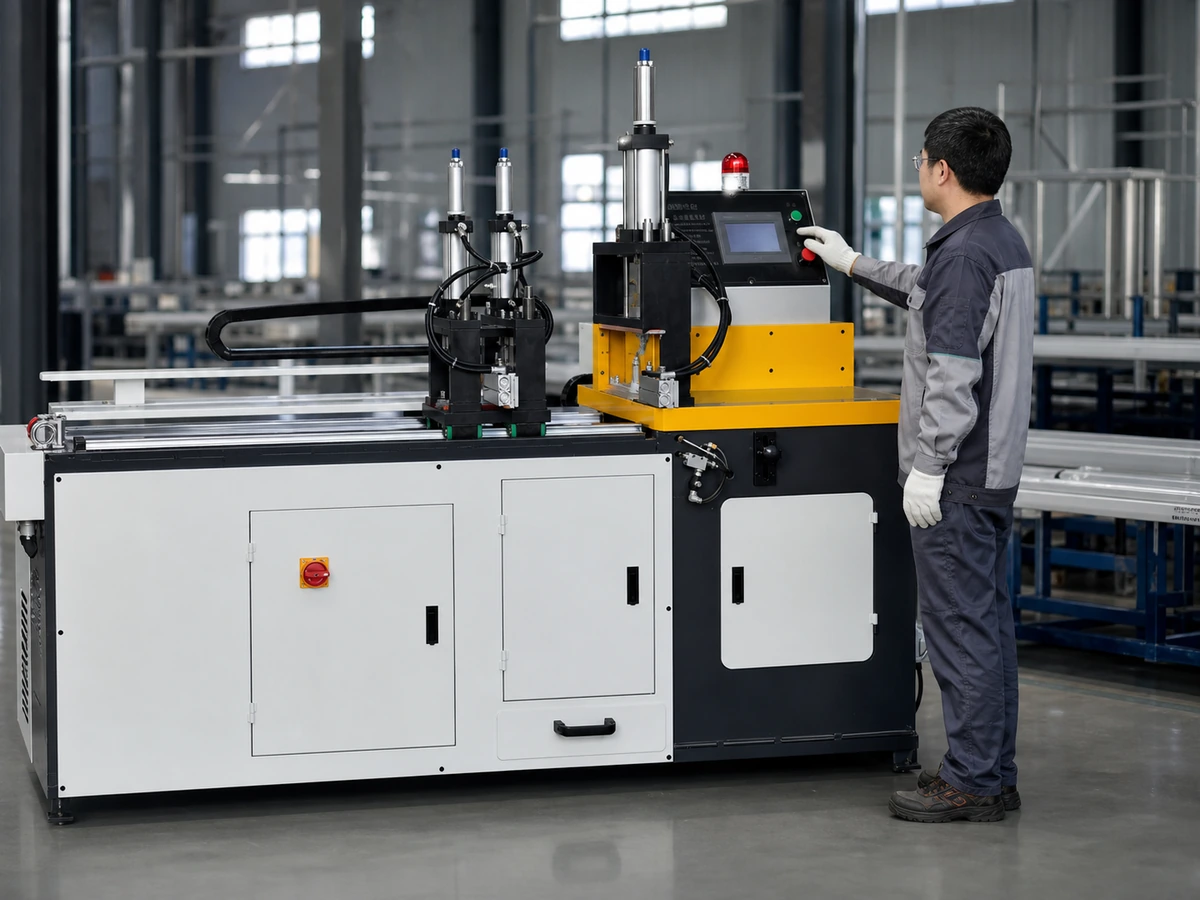
An acceptance record should name the approved configuration, measurement point, instrument or report method, agreed operating states, responsible parties, and action if the result falls outside the buyer’s applicable criterion. Keep the signed electrical drawing, drive data, and any site report together with the machine handover. An aluminum saw VFD harmonics review is complete only when its agreed acceptance record is traceable. This makes the obligation testable without implying that a saw photograph or running video proves power quality.
What the demonstration video can show
Video: a Jiurun channel demonstration of an automatic CNC aluminum cutter and feed sequence. It is a related machine-operation view only. It does not establish that the machine in your quotation has a VFD or verify input harmonics, a customer installation, a specific material, or compliance performance.
Send a better technical request with the RFQ
For an aluminum saw VFD harmonics review, state the factory supply details and ask: Does the proposed machine contain a VFD, and for which function? What exact drive and input components are included? What documented current information can be supplied, under which conditions? Where will the plant engineer evaluate the installation, and who will provide or verify any additional measure? Finally, which drawing and commissioning record will close that decision? These questions allow competing offers to be compared on a defined electrical scope rather than an unsupported “low harmonics” phrase.
Discuss your application: send Jiurun the aluminum profile and cut requirements, expected operating cycle, site supply information, and your plant engineer’s review criterion through the contact page. We can identify the quoted machine configuration and its available electrical documentation so your team can evaluate the plant connection.