
A buyer points to a frequency value on an aluminum saw control screen and asks for the blade RPM. That question cannot be answered from the displayed number alone. The screen may show a commanded frequency, a drive output frequency, or a calculated motor speed. None identifies the blade spindle’s measured speed without the actual drive train and the screen parameter definition. Treat aluminum saw VFD frequency as one piece of a speed record, then trace what it controls before approving a blade or a cutting trial.
Aluminum saw VFD frequency: what does the screen actually report?
Start with the screen label and the machine documentation for that exact installed configuration. A frequency in hertz describes an electrical signal or setting; revolutions per minute describe mechanical rotation. The two units are related in a motor drive, but they are not interchangeable. Even a display labeled “RPM” may be an estimate. Schneider Electric explains that one drive calculates displayed RPM from entered motor data and output frequency, without measuring the true motor shaft speed or including slip. That example establishes the question to ask of your own drive, not a claim that the cited drive is fitted to a Jiurun saw.
Ask the supplier to identify whether the visible value is a speed command, actual output frequency, calculated motor RPM, or a sensor-based measurement. Record the parameter name, its units, and the conditions under which it was read. A photograph of a screen without those definitions is weak evidence for a blade decision.
Trace the path from motor to blade
If a variable frequency drive is present, its output frequency affects the motor’s rotating field. The real motor speed also depends on the motor type and operating conditions. Schneider Electric describes the relationship between AC motor speed and applied frequency. The blade can then be driven through a direct coupling, belts, gears, or another supplier-defined arrangement. A ratio or pulley change can make blade spindle RPM differ from motor RPM. Confirm the actual arrangement on the offered or installed saw; do not infer it from a photograph or from another model’s brochure.
A useful handover record names the machine and revision, motor and drive identification where applicable, the transmission arrangement, the relevant display parameter, and how the blade spindle speed was verified. If the supplier cannot explain the path, the displayed hertz value has not resolved the blade-speed question.
Related equipment view: The following Jiurun video shows an automatic aluminum cutting machine and its feed area. It does not show a VFD parameter, blade marking, measured spindle RPM, or a speed acceptance test for the machine in this article.
Read the installed blade’s own limits
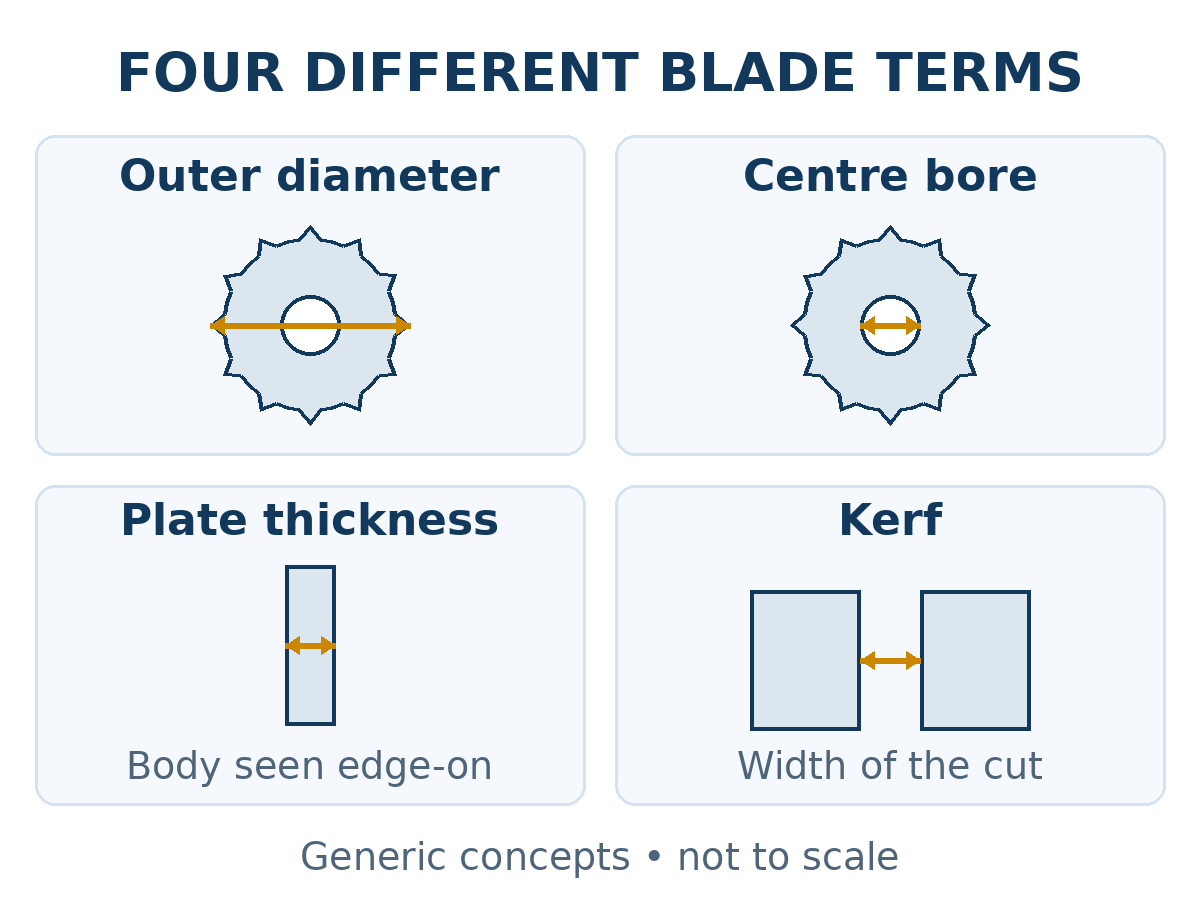
Once the spindle-speed evidence is clear, compare it with the exact blade that will be installed. The blade’s identity, diameter, bore, tooth design, application, and maximum permitted RPM must come from the blade marking and manufacturer documentation. These are separate fields: a matching diameter does not establish a suitable speed rating. The OSHA saw guidance says to use blades of recommended size and RPM rating. Its example concerns chop saws; use the applicable machine and blade manufacturer’s requirements for the industrial saw under review.
If the rating, application, or permitted machine range is unclear, request the correct documentation before a trial. Do not invent a safe setting by converting the displayed hertz value with a generic formula, and do not exceed a manufacturer’s limit to chase cut quality.
What a witnessed speed check should settle
For aluminum saw VFD frequency, define the acceptance question before changing settings: “At the approved operating condition, what is the actual blade spindle speed, and is this exact blade approved for it?” The machine builder or a qualified service person should specify a safe, guarded verification method suitable for that saw. A drive screen, motor nameplate, or handheld instrument reading at the wrong shaft answers a different question. Do not bypass guarding or put a person near a moving blade to obtain a number.
- Record the exact saw configuration, blade identity and readable blade rating.
- Identify the drive display parameter and whether it is commanded, calculated or measured.
- Document the motor-to-spindle transmission and the approved speed range.
- Obtain the supplier’s spindle-speed verification method and result under defined conditions.
- Release a representative first-off cut only after those records agree and normal safety checks pass.
For a new purchase, put these deliverables into the quote and acceptance plan. For an installed saw after a drive, motor, pulley or blade change, compare the new configuration with the released baseline before returning the job to production. The old screen number alone is not a baseline for aluminum saw VFD frequency or spindle speed.
Use the first-off part as a separate acceptance gate
Verified blade speed does not automatically prove acceptable cut length, burr, squareness, or surface condition. Run the supplier-approved representative profile and inspect the features required by the job drawing. Preserve the blade and machine settings with that first-off record so a later change can be traced. If the part fails, investigate the cut as a separate problem instead of assuming the hertz display proves a blade-speed cause.
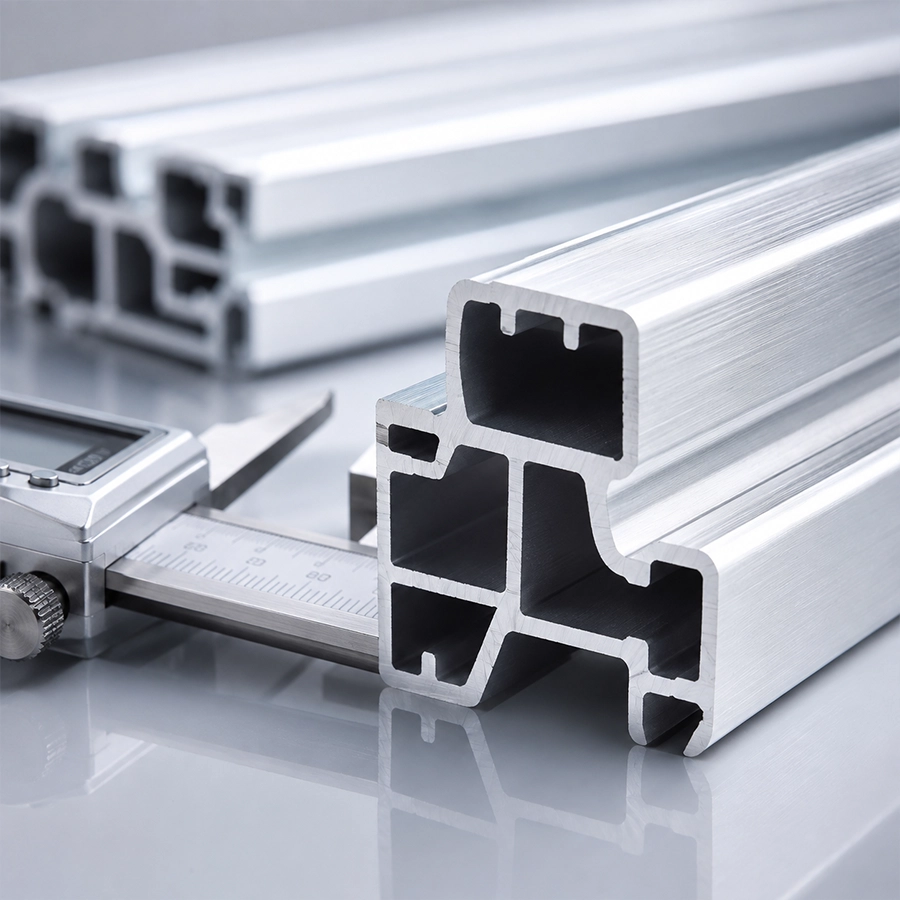
If you are comparing machines, send Jiurun the intended profile, drawing and tolerance, proposed blade details, and the speed information you need documented. Ask which drive and spindle checks apply to the specific quoted configuration. For broader blade purchase questions, see the blade speed quote checks and the blade dimensions guide.