
An aluminum saw trial witness can make a factory demonstration easier to evaluate when the buyer cannot attend, the order is consequential, or the proposed line has several interfaces to prove. The witness does not turn a convenient demonstration into proof of every production condition. Before paying for an independent inspector, decide which claims the person is authorized to observe, which measurements must be recorded, and who makes the commercial acceptance decision. A vague request to “inspect the saw” can produce a polished report that answers none of those buying questions.
Use four decisions in sequence: choose whether independent attendance changes the decision; issue a test mandate tied to the quoted configuration and released job; specify the evidence package; and agree how deviations, retests, and shipment release will be handled. The buyer should keep the trial plan and purchase terms aligned so that a witnessed pass has a defined meaning.
1. Decide whether independent attendance is useful
A witness is most useful when travel is impractical, a custom feed or outfeed interface is being bought, a representative section is difficult to replace, or the buyer and supplier need an impartial record of a disputed step. For a standard machine and a low-risk demonstration, direct buyer attendance or a recorded trial may be enough. The choice is not a status symbol: compare the cost of attendance with the cost of resolving an unclear result after shipment.
Distinguish three roles. The supplier runs the saw and is responsible for safe setup. A buyer representative may observe on behalf of the purchasing team. An independent inspection body can inspect against an agreed scope; the ISO/IEC 17020:2026 overview describes competence, impartiality, and consistent operation of inspection bodies. Citing that standard does not make every visitor an accredited body, nor does it make this particular saw compliant. If accreditation is required, verify the body, its current scope, and the contracted service separately. In every case, the buyer retains the purchase decision unless the signed terms assign a different authority.
2. Write the mandate before the trial begins
The inspector needs a controlled reference pack: quotation and option list, machine identity, released part drawing and revision, stock alloy and temper, section and finish, target cut list, acceptance criteria, and the intended measurement method. Mark substitutions explicitly. If the supplier uses another bar, blade, clamp pad, control program, support arrangement, or sample count, the report should show the difference and limit the claim to what was actually tested. A witness cannot infer that an untested production setup will behave the same way.
Separate the hold points. Before cutting, record the machine identity, relevant installed options, guarding and safe access, stock identity, blade and fixture arrangement, and agreed measurement instruments. During the run, observe loading, clamping, feed, cutting, part removal, and any restart or changeover that the order requires. After cutting, identify samples and record actual measured results against the released drawing. If installation or site utilities are part of acceptance, put those in a separate site test; a factory witness cannot close a site-dependent requirement from a factory floor. Our factory-versus-site acceptance guide explains that boundary.

Give the witness a clear stop-and-record rule
The mandate should say what happens if a guard is open, stock identity is uncertain, a measuring instrument is unavailable, a part fails a criterion, or a setup changes mid-run. The witness records the observation and alerts the named buyer and supplier contacts. The supplier controls the machinery and its safety procedure; the witness should not improvise an unsafe intervention or silently change a test condition to obtain a pass. Record which step was halted, what changed, and whether a new run is needed.
3. Specify evidence that another engineer can audit
A useful report identifies the date, location, people and roles, machine serial or other stable identifier, quoted revision, stock lot or traceable sample source, drawing revision, program or setup identifier where applicable, and the conditions actually observed. Attach a test sequence and raw results, not only photographs of a running saw. Each measurement should be tied to a sample identifier, characteristic, instrument and method. Record the specified tolerance from the buyer drawing; do not invent a universal saw tolerance or confuse feed positioning with finished-part accuracy.
Photographs or video should show enough context to connect the measurement, sample, machine and step, while respecting site rules. Note any inaccessible view, unrecorded step, or missing instrument. A clean cut-face photo can support a visible-condition observation; it cannot establish every dimension, cycle time, surface grade, or long-run reliability. The report should separate direct observations from supplier statements and from the inspector’s own conclusion.
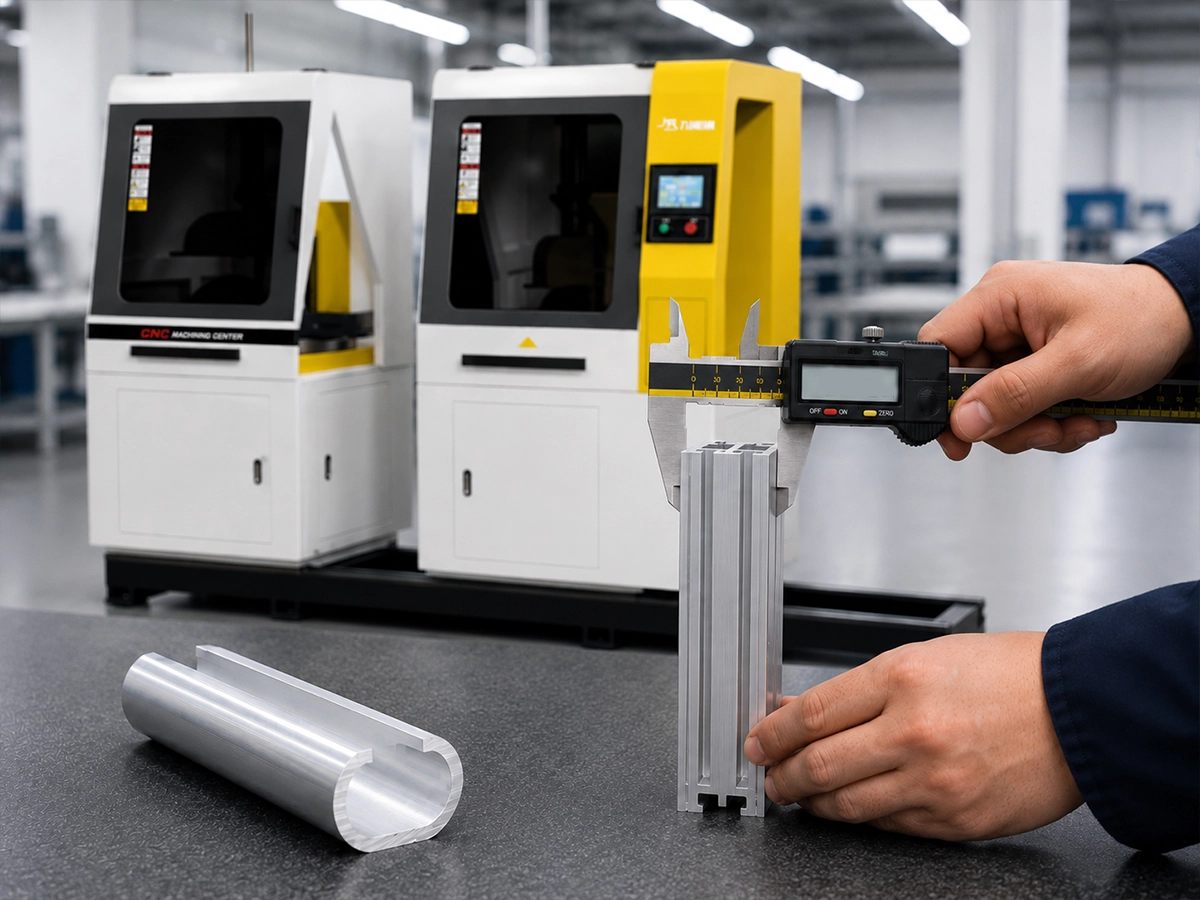
If the inspection body will issue a certificate, define exactly what that document certifies and which requirements it covers. A certificate for visual attendance is different from a measured acceptance report. Ask to see the proposed report template before the visit. This small review often reveals blank fields for stock identity, exclusions, failed samples, or retest conditions that would otherwise be discovered too late.
4. Decide who can release, reject, or retest
Set the disposition rules in the purchase documents. A witness may report “observed,” “not observed,” “meets the stated criterion,” or “does not meet the stated criterion” within scope. The buyer and supplier then apply the contractual release process. If the inspector is expected to authorize shipment, name that delegation, its limits, and the communication route in advance. Silence after a visit should not be treated as approval.
For a failed or incomplete step, keep the original sample, result, cause hypothesis and setup record. Agree whether correction is allowed, which steps must be rerun, whether the witness must return, and how the added time and cost are assigned. A different bar, revised program or replacement fixture can change the evidence boundary. The failed-trial retest guide provides a separate decision process for that situation.
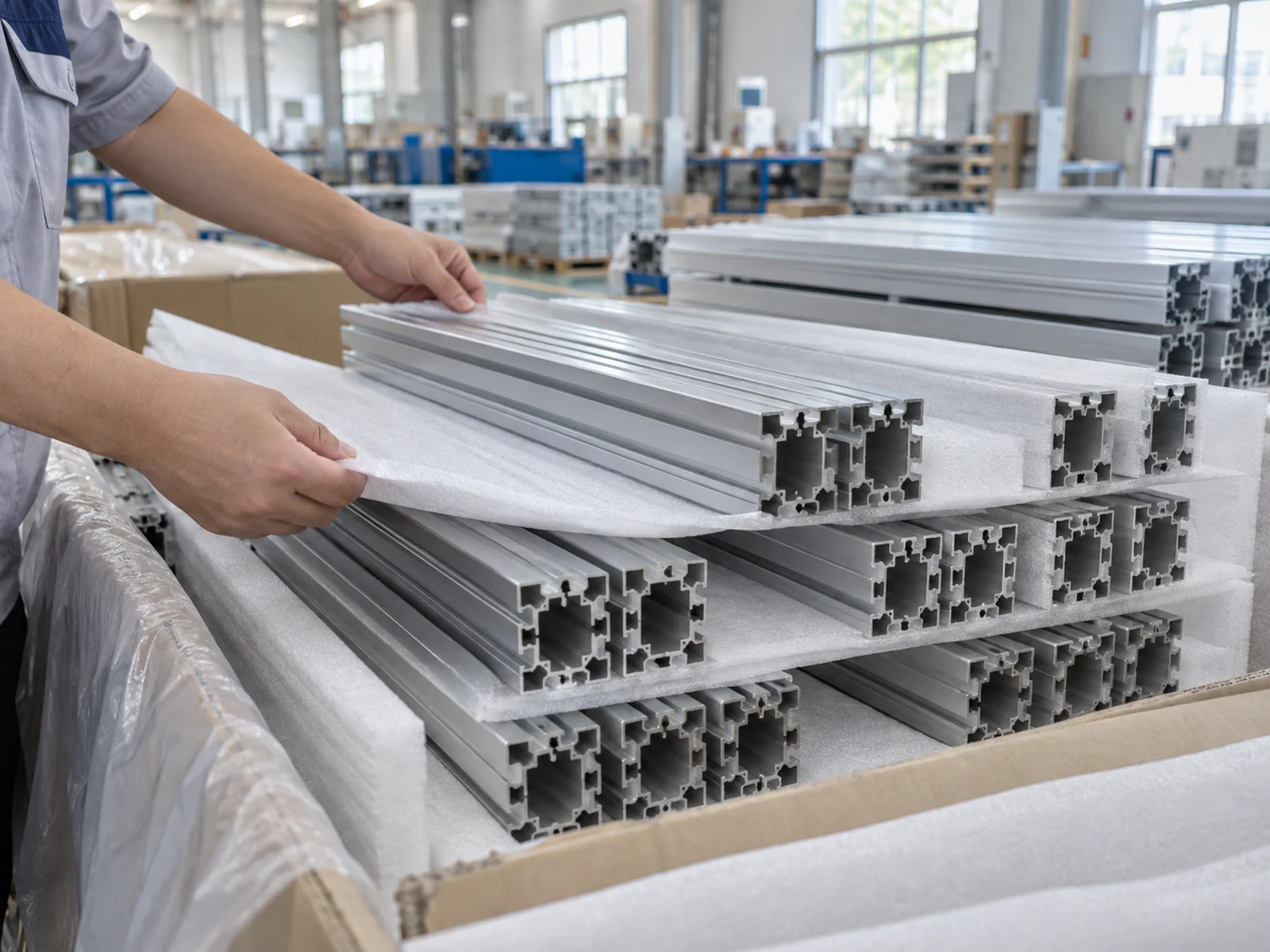
Sample custody matters if the buyer will inspect parts later. Agree which pieces are retained, how they are identified, photographed, packed and handed over, and which remain at the supplier. Keep rejected or setup pieces distinct from accepted pieces. Packaging prevents mix-ups and handling marks from obscuring the result, but packaging itself does not validate the saw.
A one-page witness brief for the RFQ
Send the proposed inspection body a one-page brief before accepting its fee: the reason for witnessing; machine and quoted options; drawing, stock and finish; tests and sample count; hold points and access restrictions; measurement method; photos, raw data and report format; language and delivery deadline; excluded claims; deviation and retest rule; sample custody; and the person who decides release. Request a clear price for travel, the visit, reporting, and a possible return. Compare that scope with the supplier’s available machine, stock, staff and safe test window before fixing a date.
Do not use the label “third party” as a shortcut for a complete acceptance plan. A well-scoped witness can document what happened during a defined trial; it cannot prove features outside the observed configuration or replace the buyer’s released drawing. Where a production material, section, finish, or support differs from the trial, identify the difference and plan the representative check before treating the result as transferable.
Equipment video: a general process example
The Jiurun Machinery channel video below shows a JR-455CNC automatic saw and a general feed-cut sequence. It is not footage of the independent inspection, the buyer’s material, the quoted machine configuration, a customer project, or a verified performance or acceptance result for this article.
What to send JiurunCut for a representative review
Send the released part drawing, target stock and finish, required output and handling route, inspection characteristics, sample quantity, and any planned witness hold points. Ask us to identify the proposed machine and option configuration, available trial stock, what can be shown at the factory, and what must wait for installation or buyer-supplied material. Then give the inspector the same controlled scope before anyone treats a witnessed demonstration as a purchasing decision.