
Yes. You can begin aluminum saw selection before the design is final. Use the current drawing to discuss candidate machine configurations, and identify which recommendations depend on details still being developed. Final conclusions about profile fit, clamping, cutting angles, supported lengths and finished-part acceptance need a review against the released requirements and the proposed configuration.
The useful question is: Which parts of this recommendation will still apply if our design changes? A preliminary discussion becomes more useful when both sides record the answer.
Table of Contents
Aluminum saw selection before the profile is final
Start by telling the supplier which decision your team needs to make. You may be comparing equipment approaches, planning a production area or preparing a configuration for purchase. Each discussion needs a clear statement of what remains provisional.
You can begin with:
- The intended product and the parts the saw will produce.
- The current section drawing, its revision and the features likely to change.
- The material designation available so far, with unknowns marked.
- Proposed stock lengths, finished lengths and end shapes.
- The expected production mix, identifying estimates.
- The requirements the design team has already released.
Use these inputs for preliminary aluminum saw selection and to identify the information needed to narrow the choice. A preliminary drawing can support a preliminary recommendation; it does not establish results for a later revision.
If your immediate difficulty is preparing an inquiry without a drawing, the guide to starting an aluminum saw inquiry without CAD addresses that earlier step.

Define the scope of early aluminum saw selection
Ask for the recommendation to identify its drawing revision, material assumption, intended cuts and configuration. Keep the machine name together with any proposed fixtures, stock supports and part-handling equipment.
For every unresolved requirement, record:
- Current assumption: what the discussion is using today.
- Open decision: what the design team still needs to decide.
- Review trigger: which change requires the supplier to revisit the recommendation.
For example, “finished length pending” leaves too much open. A more useful note identifies whether the uncertainty concerns the range of part lengths, the measurement endpoints or the acceptable variation.
Give open items an owner and a planned decision date where available. When information changes, request a review against the same inquiry and proposal references.
Aluminum saw selection: 7 design changes to review
The Aluminum Extruders Council explains that extrusion cutting involves different cut types, lengths and cutting tolerances. Its Cutting/Forming guide also connects deburring needs with the part requirements, alloy, profile design and blade selection. These are reasons to keep the cutting requirement connected to the developing part.
The aluminum saw selection table below is a suggested purchasing review tool. It asks what must be checked; it does not predict the outcome for a particular machine.
| Design change | Earlier conclusion to revisit | Question for the supplier |
|---|---|---|
| Section outline, wall, rib or cavity changes | Profile fit, orientation, support and clamping assumptions | Which contact surfaces and clearances were reviewed, and does the revised section change them? |
| Alloy or temper changes | The material basis for the proposed cutting setup and any earlier evidence | Does the proposal cover the material now specified? What needs another review? |
| End angle, end direction or mirrored-part arrangement changes | Coverage of the required cuts | Does the proposed configuration cover each revised end in the intended profile orientation? |
| Incoming stock length or finished-part range changes | Feeding, stock support and finished-piece handling | Which limits and handling assumptions apply to the revised lengths? |
| Length reference, tolerance or inspection method changes | The meaning and evidence behind an acceptance statement | What will be measured, from which references, at which process stage? |
| A surface becomes visible, coated or subject to a new appearance requirement | Permitted contact marks, handling and inspection scope | Which surfaces need protection, and how will the changed requirement be assessed? |
| Another profile or part variant enters the design | The scope of the proposed equipment arrangement | Is this variant included in the review, and what changes between jobs need confirmation? |
If the end geometry changes, keep the section and finished-member views together. The angled aluminum cutting capacity guide explains the information needed for that specific discussion.
Why unchanged outside dimensions do not settle the question
A revised profile may retain its overall width and height while changing the surfaces available for support or clamp contact.
Carr Lane’s locating and clamping principles explain that workpiece features and supports influence clamp placement. The guide also describes deformation and marking risks from unsuitable force or support arrangements. These are general fixture-design principles; they are not a fixture approval for a JiurunCut machine.
Applied to a developing profile, the purchasing implication is straightforward: ask the supplier to review the changed contact conditions, even when the overall dimensions stay the same. Send the revised section and identify what changed near the proposed support or locating surfaces.
Cutting conditions also have a material and section basis. The Australian Aluminium Council’s Aluminium Extrusion Manual, “Sawing,” page 58 identifies saw type, section size, alloy and temper as factors in feed selection.
For this buying decision, use that relationship to flag which assumptions need checking. The supplier must establish the actual setup for the identified machine and workpiece.
Two hypothetical revisions with different consequences
The following examples illustrate how to frame a review. They are not customer projects or reported machine tests.
Example A: a support surface changes
Assume an early drawing shows a flat underside used in a proposed support arrangement. A later revision adds a recess across part of that surface while keeping the same overall section size.
The useful follow-up contains both revisions and asks:
- Which surface did the earlier support concept use?
- Is that contact area still available on the revised profile?
- Can the proposed arrangement be retained, or does it need an identified change?
- What evidence is needed to close the question?
The drawing change alone does not establish the answer. The supplier might retain the arrangement after review, revise the fixture concept or leave the item open until more evidence is available. Record the actual response.
Example B: the drawing stays the same, but acceptance changes
Assume the earlier discussion concerned cut blanks that would undergo another operation. The project then changes to supplying parts that will go directly to assembly, with newly defined cut-face and appearance requirements.
The section drawing may be unchanged, but the earlier discussion did not assess the new acceptance requirements. Ask the supplier to identify which requirements were covered previously and how the new ones will be evaluated.
A record showing that a part was cut establishes only what that record actually measured or assessed. Keep the new criteria visible until suitable evidence addresses them.
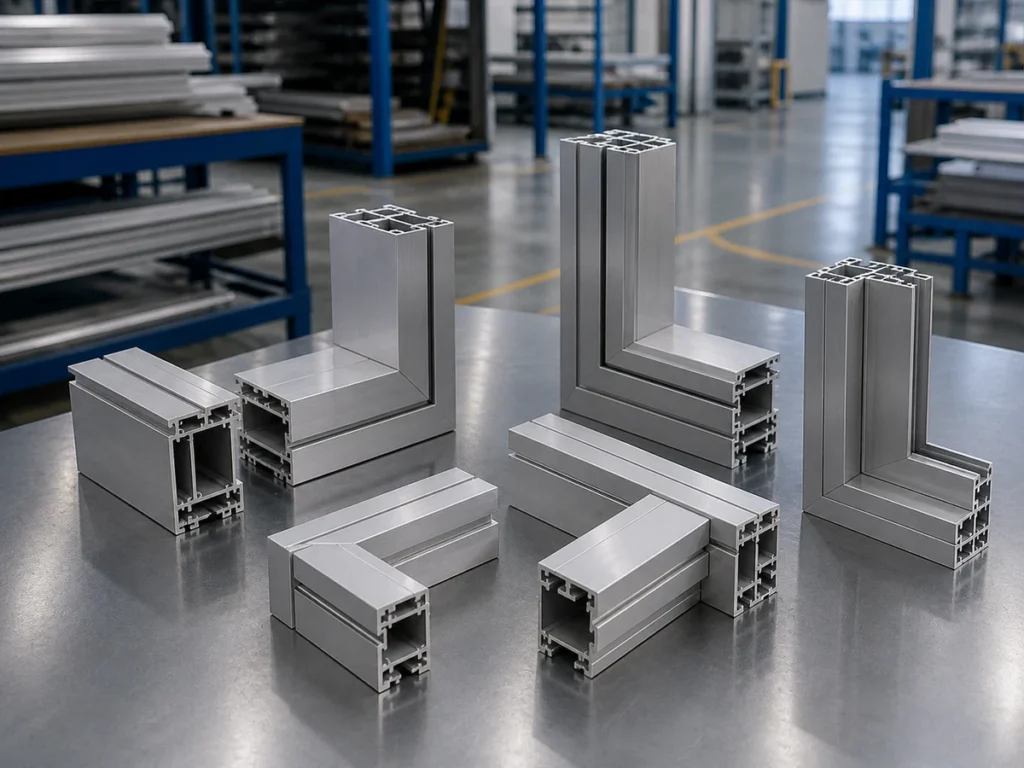
Classify aluminum saw selection conclusions after a revision
After a design change, request an item-by-item aluminum saw selection review. A general statement that “the machine is still suitable” can leave the drawing, configuration and acceptance scope unclear.
Use four statuses in your review record:
| Status | Meaning in the revised discussion |
|---|---|
| Retained for the stated scope | The supplier has reviewed the change and identified why the earlier conclusion remains applicable within its original limits. |
| Revised | An assumption, configuration item, proposed process or acceptance plan has changed and is documented. |
| Pending | Information or evidence is still missing; the conclusion remains provisional. |
| Superseded | The earlier conclusion or document has been replaced and should no longer guide the current decision. |
Preserve the level of evidence behind each conclusion. Retaining a preliminary assessment keeps it preliminary. A drawing review, a physical fit check and a documented cutting result answer different questions.
Also record the configuration reviewed. If the proposed fixture or handling arrangement changes, a familiar machine model name does not identify the complete revised proposal.
For aluminum saw selection for a new profile, this record helps procurement see what remains applicable and what still needs an answer. After the design is released, use the cut-list revision-control guide to manage changes to manufacturing instructions. This review concerns the scope of the equipment recommendation before purchase.
Send an aluminum saw selection change notice
For aluminum saw selection, use a short change notice when a revision affects the earlier discussion. Keep it attached to the existing inquiry and proposal reference.
Example message to adapt
Subject: Review of saw recommendation after profile revision
Profile or part reference: [Name or number]
Earlier drawing and recommendation: [Revision and proposal reference]
Current drawing: [Revision and attached file]
Changes since the earlier review: [List the changed features or requirements]
Material: [Confirmed alloy and temper, or items still pending]
Required cuts and finished lengths: [Current requirements and measurement references]
Acceptance changes: [New or revised dimensional, surface or assembly checks]
Remaining design decisions: [Open items, responsible person and expected decision date]
Earlier sample or trial evidence: [Reference and the revision it represents, if available]Please identify which conclusions remain applicable, which configuration or review items need revision, and what evidence is required for the open points. Please reference the current drawing in your response.
Attach a marked comparison when possible, alongside the complete current drawing. A change list draws attention to the differences; the full drawing provides their context.
Keep earlier evidence associated with the revision it represents. If the supplier proposes using it for the new revision, ask which conclusion it supports and why it remains relevant.
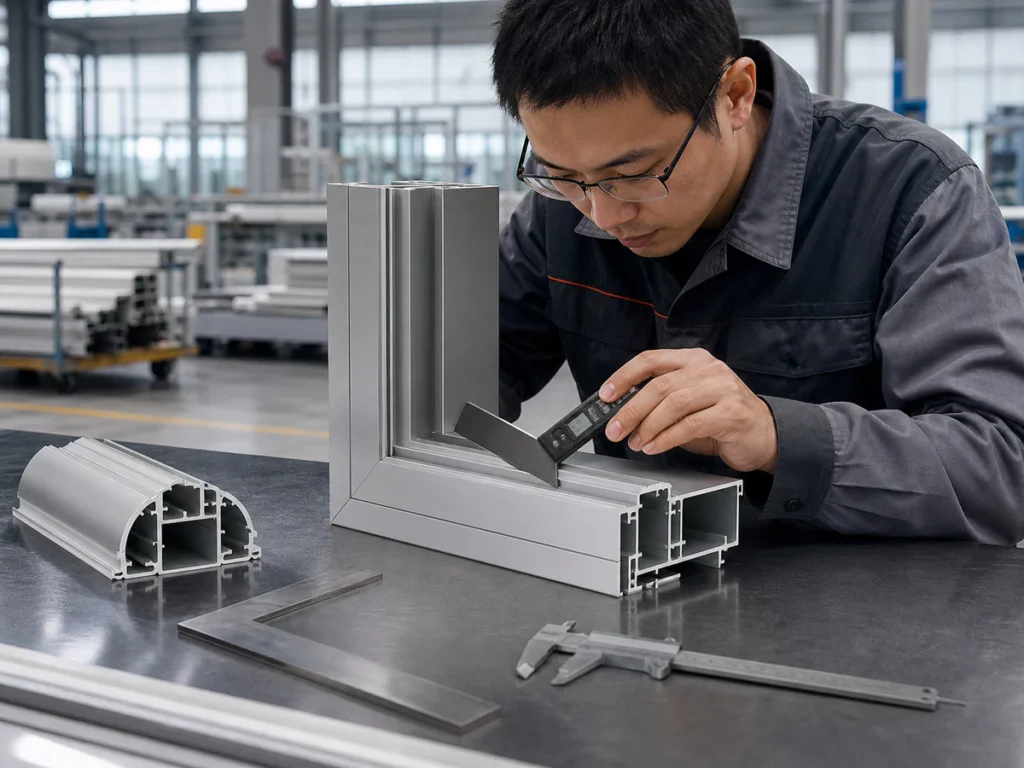
What should be settled before releasing a configuration?
Before completing aluminum saw selection, bring the design owner and equipment supplier back to the same set of requirements:
- The current section and finished-part drawings identify the intended production design.
- The specified material, cuts, stock lengths and finished-part range are stated.
- The proposed machine configuration identifies the relevant fixtures, supports and handling equipment.
- The acceptance requirements and measurement references are agreed.
- Remaining assumptions and their effect on the proposal are explicit.
Where a sample trial is needed, define the unresolved question first. The aluminum sample-cutting trial checklist covers trial planning; this article’s role is to keep the evidence connected to the correct design revision.
Use the aluminum cutting machine RFQ checklist when the updated requirements are ready for a consistent quotation comparison.
Common questions
Does every drawing revision require a different saw?
A revision calls for an assessment of what changed. The documented outcome may retain the current proposal, revise part of it or reopen equipment selection. Identify the affected requirements before drawing a conclusion.
Can a larger catalogue capacity cover future design changes?
Capacity is one part of the review. Ask separately about the future section, contact surfaces, end geometry, material and acceptance requirements. Define the expected variants so the supplier can state which are included in the assessment.
Can an earlier sample result support a revised design?
It can remain relevant to requirements it actually assessed, provided its applicability to the changed design is reviewed. Ask the supplier to identify that scope and the evidence needed for any new requirements.
Watch a machine-layout reference
This video from Jiurun’s channel is a machine-layout and operation reference. It is not a trial record and does not establish cutting results for your current profile revision. Use it to frame configuration questions, then request evidence for the proposed material and design. Watch on YouTube.
Discuss aluminum saw selection with JiurunCut
For an aluminum profile cutting machine discussion, send JiurunCut your current section, available material designation and required finished parts. Mark the dimensions, surfaces, angles, lengths and acceptance conditions that are still open.
Include the previous drawing and proposal reference if the design has changed. Ask which recommendations remain applicable and what must be checked before the configuration can be confirmed.
Send your current profile and planned changes for review
Helpful attachments: current section drawing, finished-part drawing, material information, marked changes and a list of decisions still pending.