
An aluminum saw can leave the supplier running smoothly while the buyer’s next shift still cannot reproduce the accepted cut. That gap is a procurement problem. Aluminum saw operator training should be scoped around a repeatable job, defined roles, and a witnessed handover, not merely the number of hours an engineer spends on site. Before ordering, decide what your team must be able to do after the trainer leaves and which parts of the process remain the factory’s responsibility.
A successful demonstration is only the starting point
A supplier engineer may know the machine, the sample stock, and the adjustments already made during commissioning. The buyer’s operator may see only the final cycle. That can look convincing without revealing whether someone else can identify the correct stock orientation, recall the intended program, check the clamp contact, or recognize that a first-off part needs review. A machine demonstration answers “can this configuration run now?” A training handover asks “can our designated people repeat and evaluate the approved job later?”
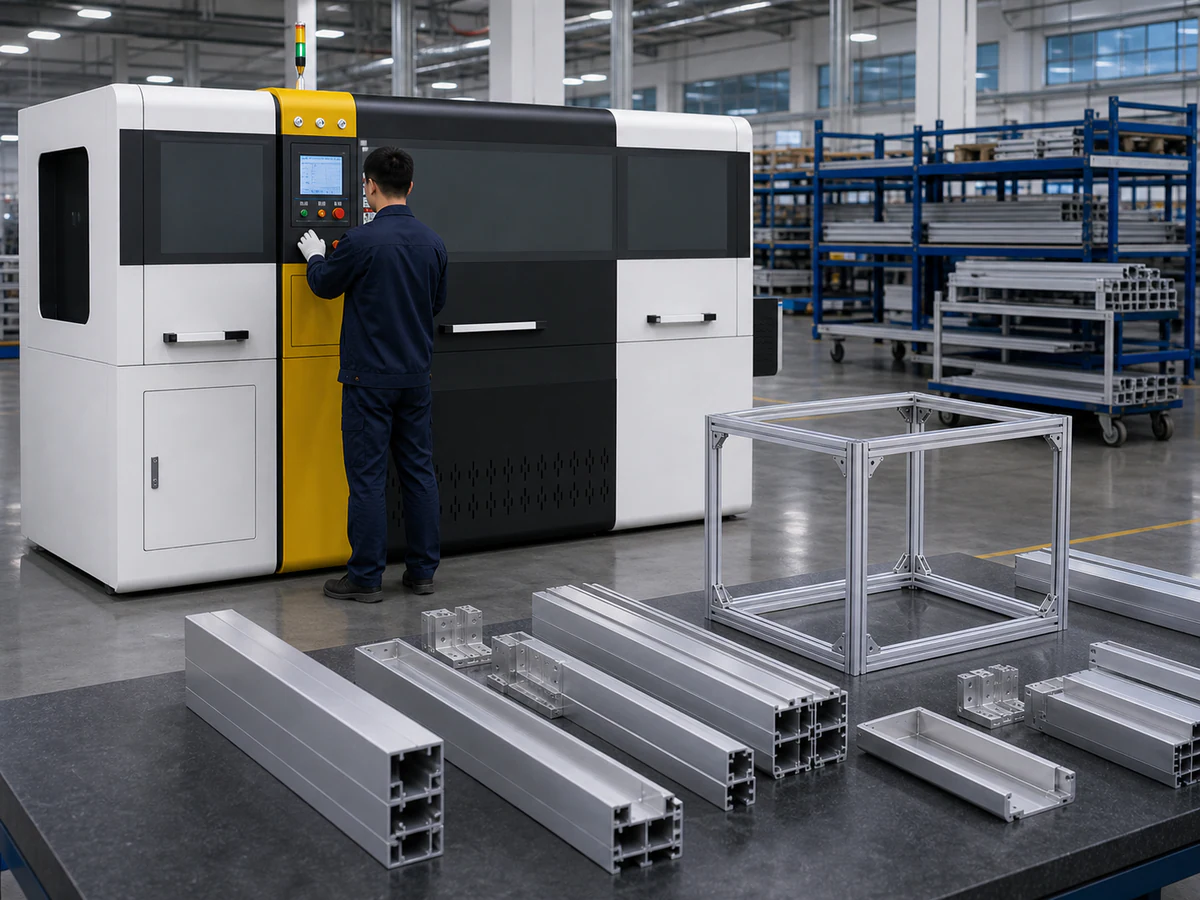
Treat those as two separate acceptance observations. Keep the machine trial’s dimensional and finish criteria in the agreed drawing or sample record. Separately, record whether each trainee can follow the authorized setup and inspection process without the supplier taking over. A short, witnessed repetition reveals missing instructions while the supplier is still available to explain them.
Start aluminum saw operator training with one real job
Choose one representative profile, drawing revision, cut length, and approved inspection method for the lesson. Include a change that your team actually expects: a second profile, a different cut length, or a new batch with a distinct identification. The purpose is not to invent a universal cycle recipe. It is to make the quotation and visit specific enough that the supplier knows what must be shown and the buyer knows what must be retained.
- Identify the stock and drawing revision, the material orientation, the agreed output part, and who approves a first-off cut.
- List the normal actions the operator is expected to perform on this configuration: selecting the approved job, loading within the guarded workflow, observing the cycle, and segregating a questionable part.
- Name the permitted changeover tasks. Distinguish routine operator settings from fixture, blade, electrical, or pneumatic work reserved for trained and authorized personnel.
- Define the evidence: a signed job sheet or setup record, the accepted sample reference, the people trained by role, and any open issue that needs a follow-up visit.
This job sheet connects the teaching session to production without pretending that a single sample proves future output. The buyer still needs its own process control, inspection frequency, material identification, and release decision.
Let the buyer’s operator demonstrate the routine job
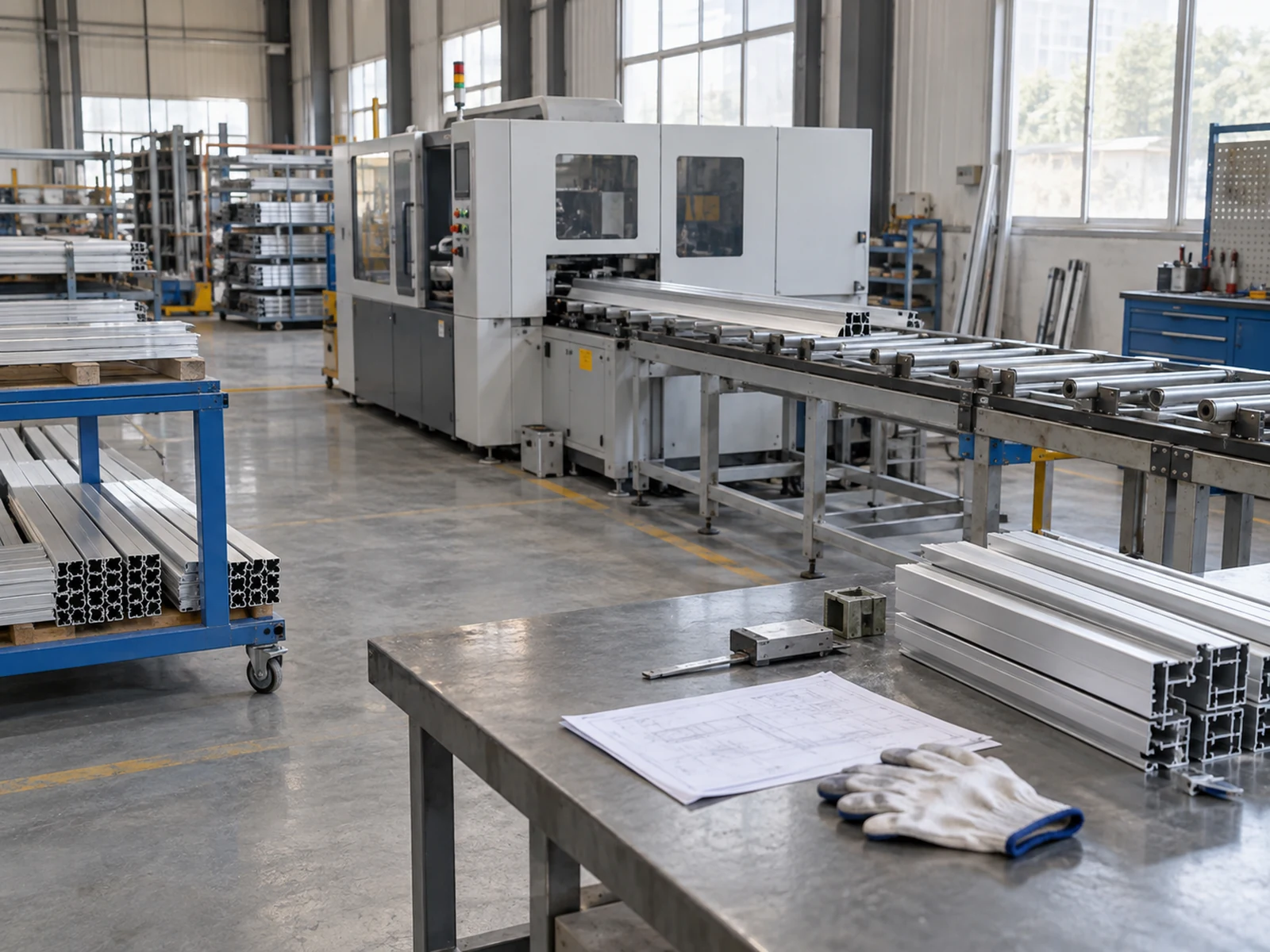
A useful handover reverses the roles for part of the visit. After a guided explanation, the designated operator explains the job back and performs only the tasks the factory has authorized, with the supplier and site supervisor observing. The observer should ask where the operator would find the current drawing, how a changed profile is identified, and what happens when the first-off part is out of specification. If the operator cannot answer, the team has found an instruction or process gap; the answer is further coaching and a revised record, not a ceremonial signature.
The review should include a normal start, an orderly stop, and the site’s escalation route for an alarm, damaged stock, or unexpected cut. Do not turn the session into an invitation to defeat a guard or improvise a recovery. The supplier can explain the machine’s controls and limits; the employer approves who may operate, set up, service, or release production.
Separate operator, setup, and maintenance audiences
One generic “trained” box hides important differences. An operator may need to load material, choose an approved program, inspect the first part, and stop when something is wrong. A setup person may need additional instruction on fixture changes, datum checks, and controlled parameter access. Maintenance personnel need machine-specific information for fault diagnosis and the employer’s authorized energy-control process. Ask the supplier to state which audience each session covers, the language of the instruction, and which tasks it does not authorize.
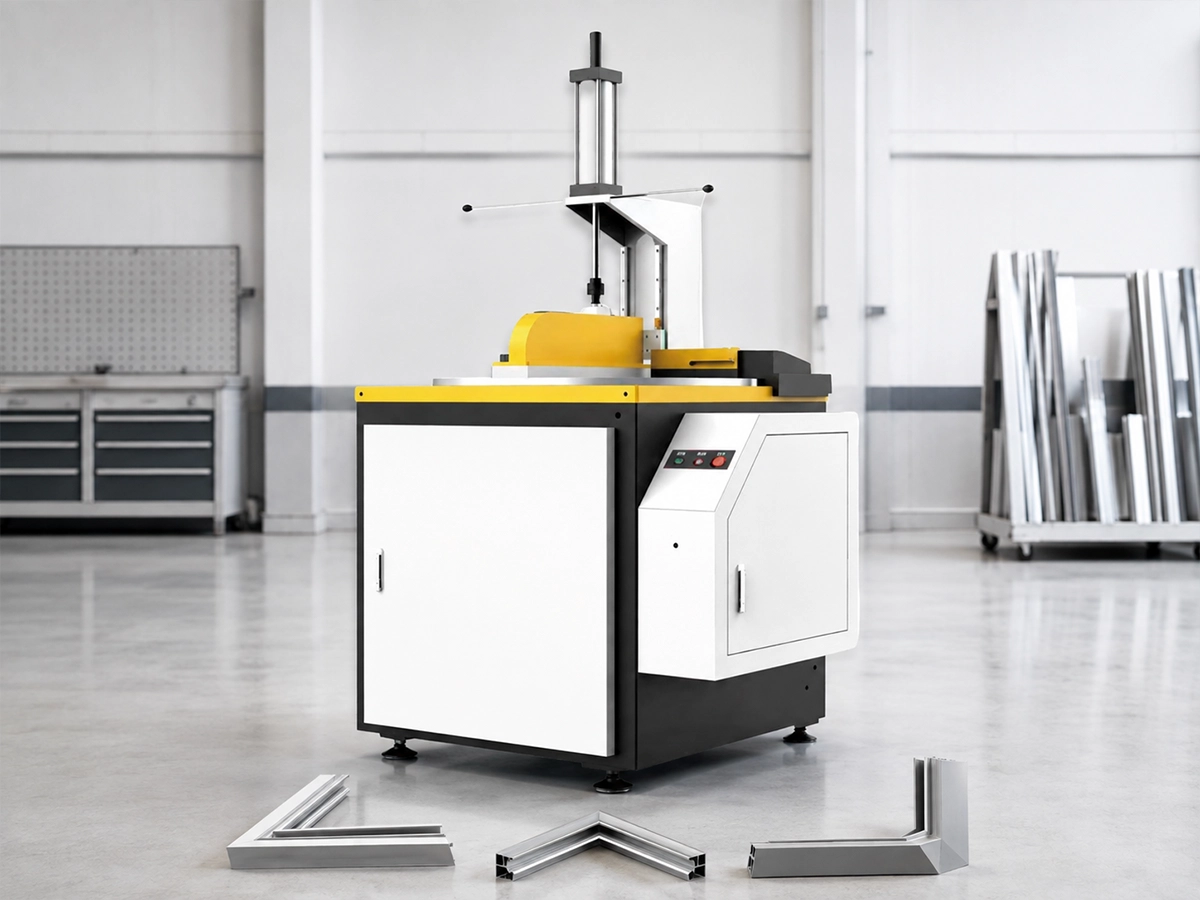
Safety duties should not be blurred by a supplier visit. In the United States, OSHA’s hazardous-energy standard assigns the employer training duties for affected and authorized employees during servicing and maintenance, while OSHA’s machine-guarding rule addresses guarding at the point of operation. Buyers elsewhere should apply their own local requirements and site procedures. Supplier machine instruction supports those duties; it does not transfer them or substitute for employer authorization.
Make the quotation answer a handover question
Training is easier to price and verify when the RFQ requests a defined deliverable rather than “operator training included.” Ask for the number of roles and trainees covered, which machine configuration and software revision the session assumes, the teaching language, whether instruction is at the supplier factory or the buyer site, and whether a later shift needs a separate session. State who supplies representative profiles, approved drawings, inspection tools, and site safety procedures. If remote follow-up is offered, ask what channel, response window, and scope are included. Do not infer these terms from a brochure.
Connect this request to the machine documentation handover and the commissioning punch list. The former should identify where the operator finds the current instructions; the latter should keep unresolved setup or training items visible before production release. For semi-automatic equipment, also agree what a cycle-start command actually initiates; our controls guide shows why a button label alone is insufficient.
Keep a capability record, not just an attendance sheet
An attendance signature says who was present. A capability record says which authorized task was demonstrated, on which job and machine revision, who observed it, what result was accepted, and what remains open. It can be brief. The key is that it separates an operator who watched, one who practised under supervision, and one the employer has released for a particular role. If the equipment, fixture, program, or workforce changes later, the buyer can decide what needs review or additional instruction rather than assuming the original visit covers every future use.
If the supplier cannot complete the agreed teach-back during the visit, keep that item open with an owner and a next test. The buyer can still accept other completed aspects of the machine under its contract, but should not label the training deliverable complete on the basis of a running demonstration alone.
What the machine video can show
The following video is from Jiurun’s own YouTube channel and shows a related JR-455Q saw operating. It is useful as a visual example of equipment and cycle context. It does not show this buyer’s profile, approved settings, training session, operator competence, or acceptance result.
The purchase decision
Before placing the order, send the supplier one representative job, the proposed trainee roles, the site language, and the buyer’s first-off approval route. Request a written training scope and a witnessed repetition on the installed configuration. If you are comparing saw options, send JiurunCut your profile drawing and workflow and ask which training steps can be included in the quoted handover. The useful outcome is a team that knows the agreed job, its limits, and who to call when the result changes.