
Aluminum saw machine nameplate checks are a short, useful step between a factory demonstration and delivery approval. A quotation may describe a model family, while the actual machine carries a specific identity and electrical marking. The buyer needs both views: the accepted purchase configuration and a legible record from the unit being shipped. A polished demonstration video, a catalogue photograph, or a component label cannot establish that they are the same unit.
Ask the seller for a dated photograph of the actual machine’s identification marking before dispatch, then compare it with the order, configuration sheet, electrical documents and packing list. If a field is absent, obscured or different, request an explanation and revised documents before treating the delivery as cleared. The purpose is to resolve identity and scope; a photograph alone does not prove safe installation, electrical compliance or cutting performance.
Start with the actual unit, not the catalogue model
Record the manufacturer or responsible organization shown on the whole-machine marking, the model or machine designation, and the serial or other unique identifier where provided. Ask the seller to show the marking in context on the same unit, then provide a close, readable image. Link that identifier to the order acknowledgment, approved option list, factory acceptance record and dispatch documents. If the factory uses a different identifier on its paperwork, ask for a written cross-reference.
Do not copy a motor, servo-drive or control-panel label into the machine-identity field. Those labels describe components or subassemblies and may have different makers and ratings. They can support spare-part identification, but they do not by themselves identify the complete saw supplied under the order. Likewise, a model-family brochure cannot substitute for the identity of the shipped unit.
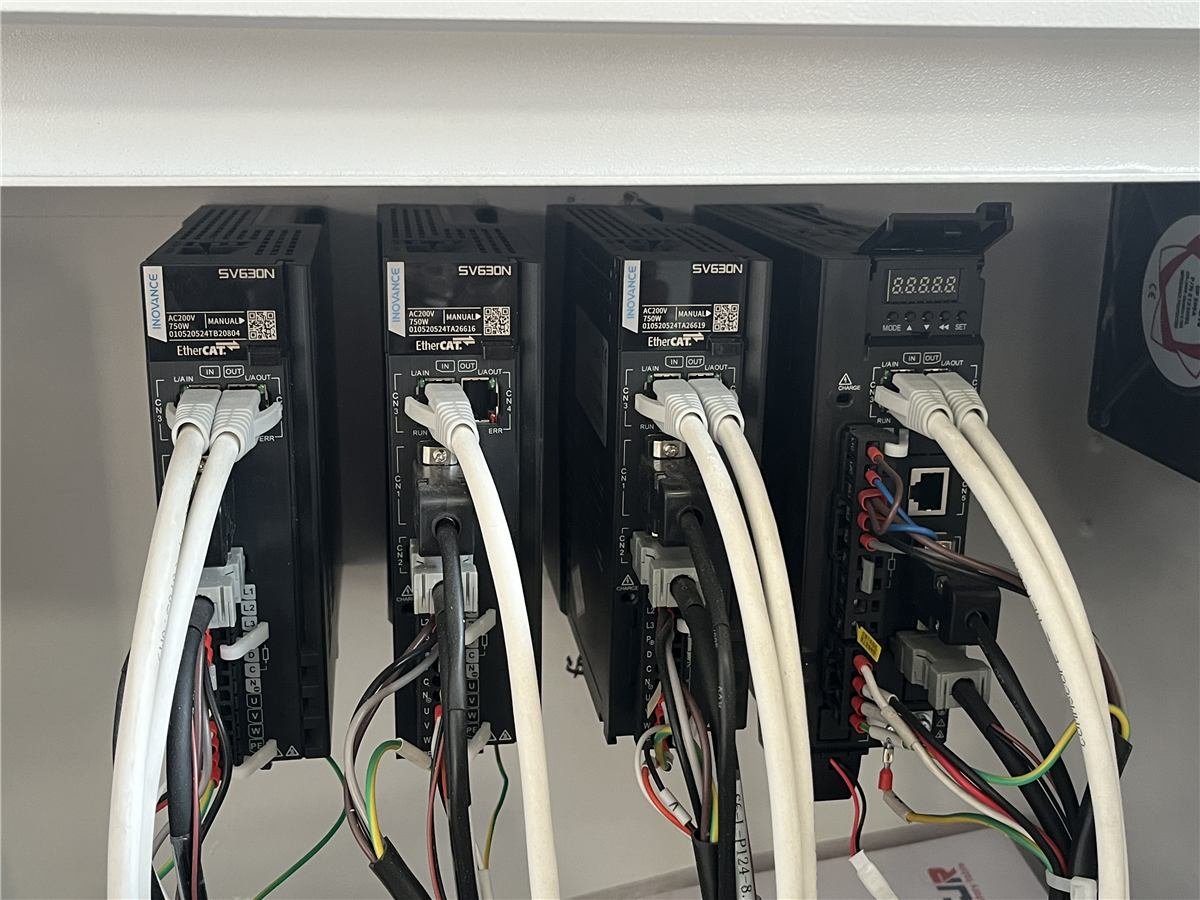
Compare electrical marking with the connection plan
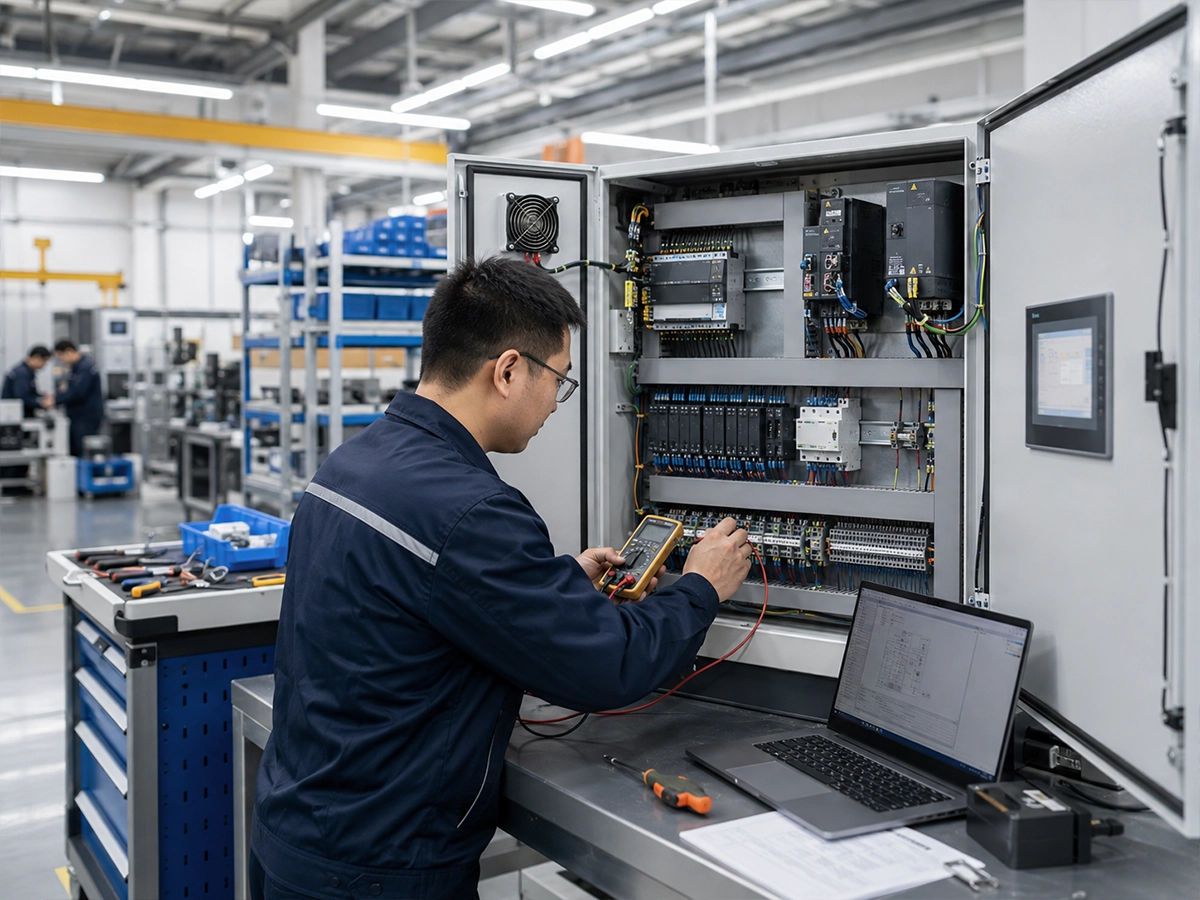
Have the qualified site electrical reviewer compare the actual machine’s marked supply information with the approved site design and the supplier’s current electrical drawings. The exact fields depend on the equipment and applicable jurisdiction; voltage and other necessary ratings must be legible where required. In the United States, OSHA’s 29 CFR 1910.303(e) requires manufacturer identification and necessary electrical ratings on electric equipment, with markings durable enough for the environment. That is a US reference, not a statement that every Jiurun saw has been evaluated to a particular US standard.
Ask whether the marking refers to the complete machine or a particular cabinet. If the order includes additional feeders, conveyors or separate supply points, list each connected unit and have the supplier identify which document and marking belongs to each. For a US installation, UL Solutions’ machinery SCCR guidance explains why the main machine marking and any separately supplied panels matter to the site review. The local electrical designer must determine what applies to the actual installation; the buyer should not infer a protective-device rating from a photograph.
Use one discrepancy log before dispatch
A simple comparison sheet is more useful than a pile of disconnected photos. Put the accepted order reference, machine identifier and revision date at the top. Then record the value shown by the actual marking, the value in the approved documents, the person who checked it, and the resolution for each difference. Include the quoted options that change the physical or electrical delivery. A missing option should be checked against the configuration list, not guessed from the model suffix.
- Unit identity: Compare a readable marking on the actual saw with the order and factory record. Resolve a difference through a written unit-to-order cross-reference.
- Supply information: Compare the actual marking with current electrical documents. Send any difference to the supplier and qualified site reviewer.
- Purchased options: Compare the signed option list with dated whole-machine views. Correct the build, order or acceptance record before dispatch.
- Shipping identity: Compare the packing list and crate identifier with the machine identifier. Resolve a mismatch before release to the carrier.
Keep the decision boundary clear. A matched nameplate can help confirm which unit was supplied. It cannot demonstrate that a guard works, a cut meets tolerance, a site circuit is suitable or a warranty claim is valid. Those require their own inspection and responsible sign-off. For site protection responsibility, use the site circuit-breaker handoff guide; for receipt, use the delivery reconciliation guide.
Close the loop when the machine arrives
At receipt, compare the visible unit identifier with the pre-dispatch record, the packing list and the signed order. Photograph the marking again after the machine is accessible, without dismantling guards or opening energized equipment. If the unit identity or documented supply information has changed, hold the relevant acceptance decision and ask the seller and qualified site personnel to reconcile it. Do not alter a connection, bypass protection or energize an uncertain machine merely to preserve the schedule.
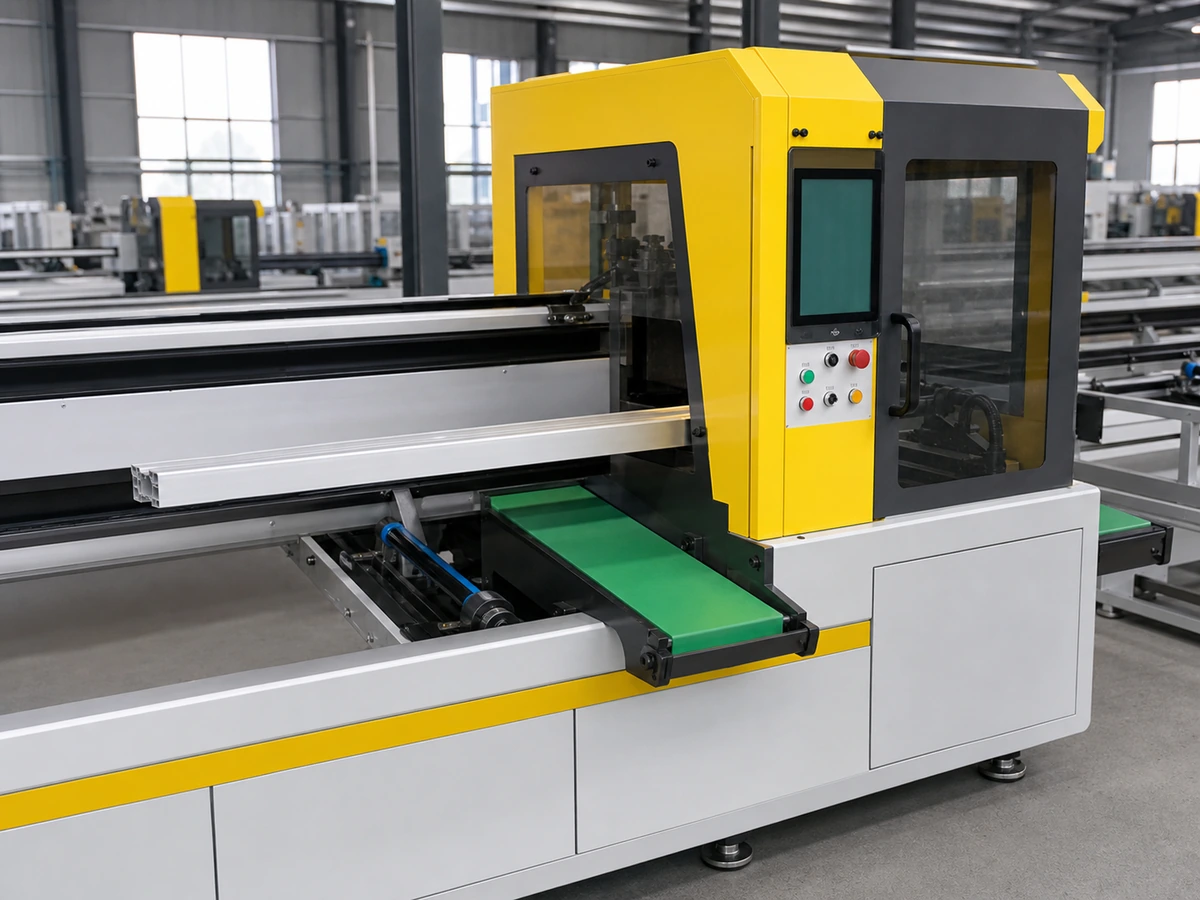
The following image shows a related saw and feed area. It is useful for locating the machine in a handover discussion, but no nameplate is readable here and it is not evidence of the unit, options, customer project or performance described above.
What to send with the RFQ
Ask each supplier to state when the actual-unit marking photograph will be available, how its unique identifier will appear on the order and packing list, which electrical documents will be delivered, and who resolves a mismatch before dispatch. Give the site reviewer the planned supply arrangement early enough to flag a gap while the machine is still at the factory. This makes the aluminum saw machine nameplate a practical procurement check rather than an afterthought at unloading.
Need a saw quotation that can be reconciled at delivery? Send JiurunCut your approved machine requirements, intended supply location and option list. Ask for actual-unit identification and document handover in the offer; final site electrical approval remains with the qualified local team.
Related machine video
The Jiurun Machinery channel video below shows a related aluminum-cutting machine in operation. It is an equipment illustration only. It does not show the nameplate of a proposed shipment, certify electrical ratings, prove a particular option or document a customer acceptance test.