
An aluminum saw handheld pendant can look like a convenient way to stand beside a long feed line during setup. Yet a second control position changes who may command movement, where that person may stand, and what happens when the device is set down or unplugged. Before adding a pendant to a quotation, define the work it must perform and ask the machine builder to show the complete control arrangement on the proposed saw.
This is a procurement framework for a possible option, not a statement that any JiurunCut model includes a handheld pendant. JiurunCut supplies industrial circular-saw cutting equipment for aluminum and other nonferrous materials. The supplier must confirm option availability, the installed control architecture and the safe operating method for the exact configuration.
Start with the job, not the handheld device
Write down the moment when the fixed station is insufficient. Is the operator checking a long profile against a feed stop, observing a clamp during a protected setup mode, or simply wanting a better view of the outfeed? These are different tasks. A fixed display, a revised station location, a camera or a separate setup control may solve different problems. The RFQ should identify the intended operator position and the information or movement needed there.
Ask the supplier to map each requested function to a mode: display-only status, controlled setup movement, normal cycle start, stop, or fault acknowledgment. Avoid a vague request for “full remote control.” It can hide disagreement about which motions a portable station may initiate and whether the fixed panel remains active. The existing operator sightline guide helps identify the view needed; this decision is about the additional control package and its authority.

Quote one control package, not a loose accessory
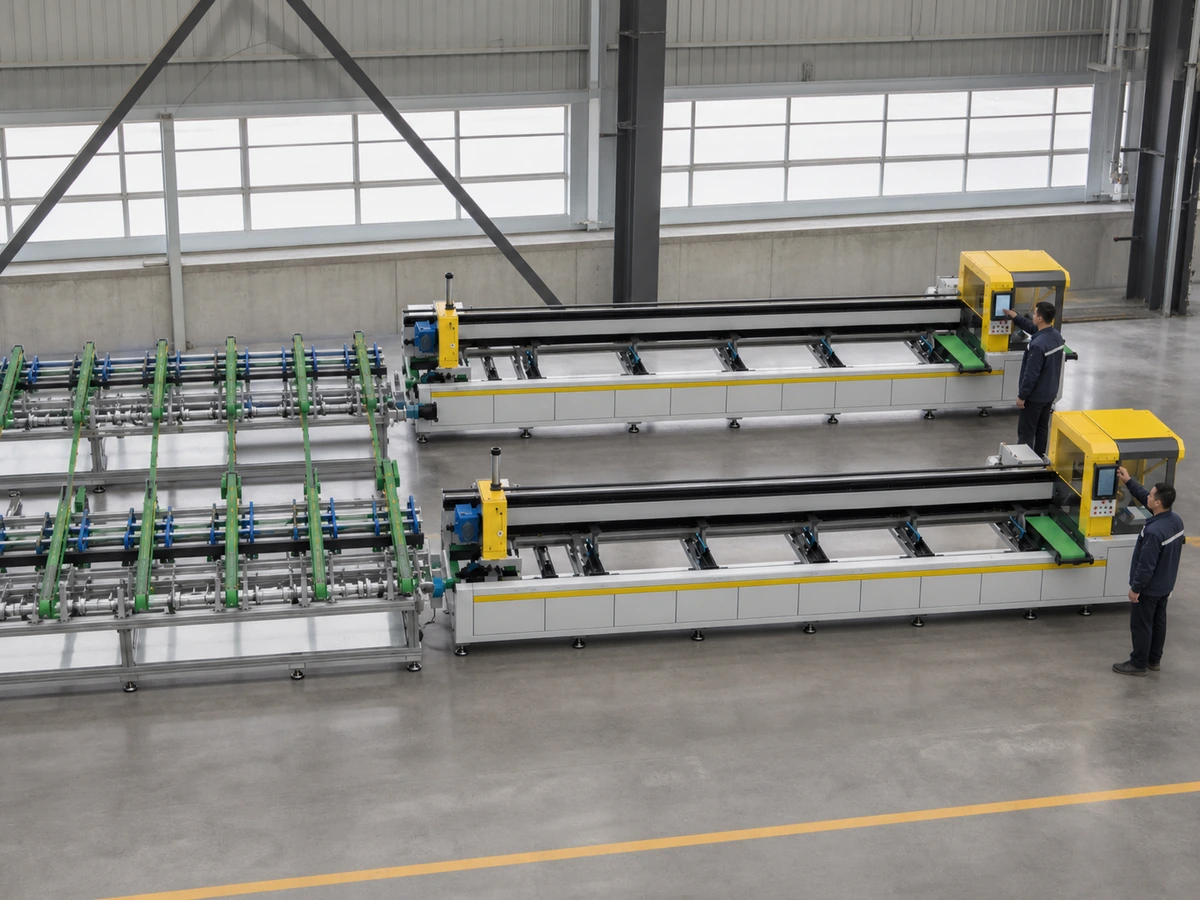
A useful pendant line item identifies the device, its connection to the machine, the functions enabled in each mode, and the documentation handed over. Request a marked layout showing the fixed panel, intended pendant positions, cable or wireless boundary if offered, connector, storage point, and the stock and operator paths. Ask whether the quoted package is fixed, detachable or portable within a defined area. None of those arrangements should be assumed from a catalog photograph.
For each command, have the supplier answer: Which station owns it? Can both stations issue it at the same time? What indication tells an operator which station is active? What happens if a detachable unit is removed, its connection fails, or it is returned to its holder? The quotation should distinguish a routine stop from an emergency stop and describe how any enabling control, mode selection and restart are engineered for the actual machine. A handheld box is not a substitute for guarding, isolation or a machine-specific risk assessment.
For context, Siemens’ handheld-unit equipment manual describes a machine-tool terminal intended for mobile setup work and lists enabling and emergency-stop controls for that product. It illustrates why the function list matters; it does not establish a JiurunCut option or certify a saw installation. OSHA’s general machine-guarding rule is a U.S. reference for guarding the point of operation, not a design approval or a substitute for requirements at the buyer’s site.
Make the operating modes testable
Turn the proposed pendant functions into a short witness script before order release. The supplier and the buyer’s competent safety team should agree the permitted state for normal production, setup, a stopped machine and maintenance. The test should cover the exact stock path and the operator positions in the approved layout. If the pendant is meant only for setup, ask the supplier to demonstrate that its commands cannot accidentally become a second normal-cycle start station.
- Identify the active station and show which commands are accepted there.
- Demonstrate the requested setup movement in the approved mode with the agreed safeguards and operator position.
- Show the response when the operator releases a held command, changes mode, loses the pendant connection or places the device in storage, as applicable to the offered design.
- Demonstrate the intended stop, fault acknowledgment and deliberate restart sequence, without treating an emergency-stop button as the whole safeguarding system.
- Record the delivered device identity, cable or receiver, drawings, software or parameter revision, and user instructions with the machine handover.
The acceptance record should name who witnessed each state and which configuration was tested. A desk demonstration of an unrelated pendant, or a video of a saw cutting normally, does not prove the installed function. If the supplier cannot define the authorized control positions and failure behavior, leave the option open in the RFQ rather than pricing an undefined handheld accessory.
What the Jiurun machinery video can show
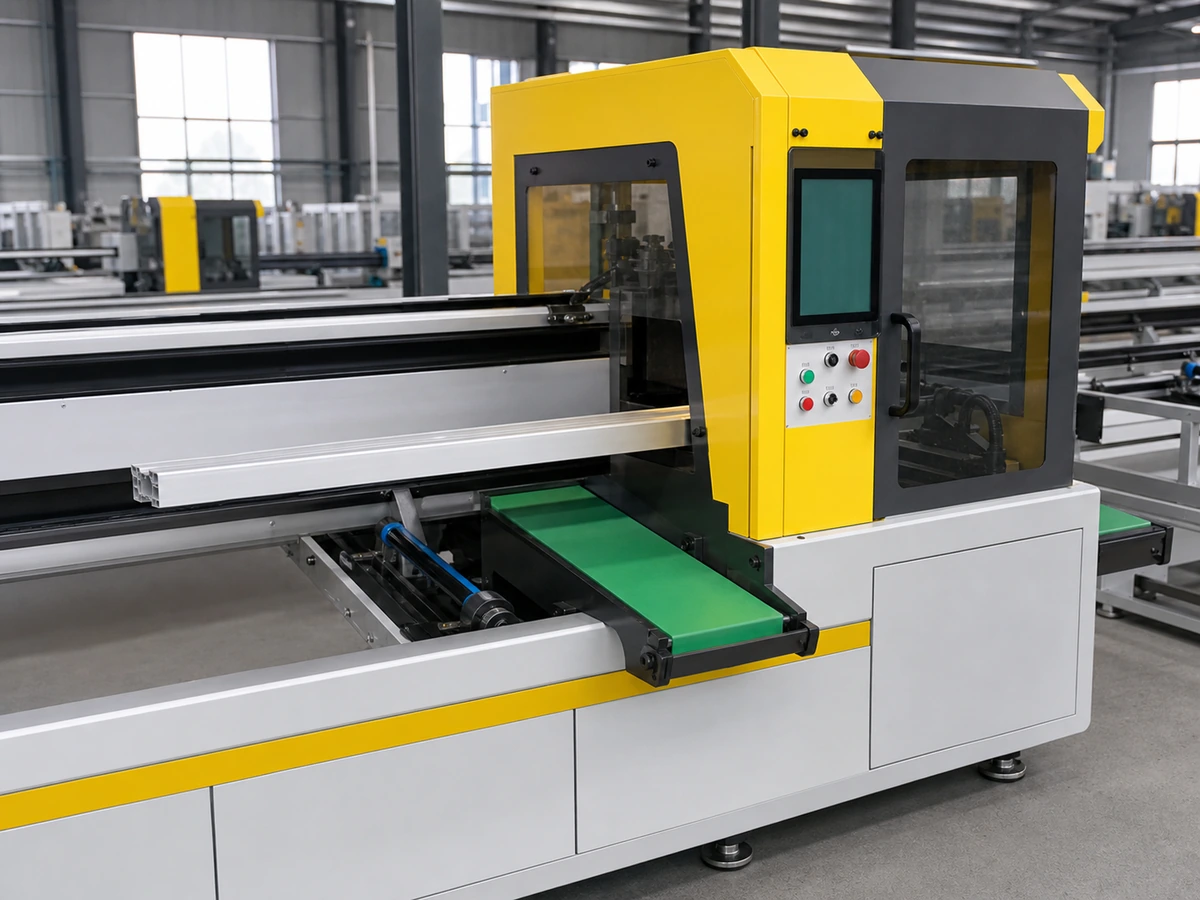
The Jiurun Machinery video below shows a JR-455Q semi-automatic aluminum cutting machine and its general cutting equipment context. It is useful for picturing a local saw work area. It does not show a handheld pendant or prove pendant availability, connection design, safety behavior, the configuration in your quotation or a completed acceptance test.
Send a decision-ready pendant RFQ
Send the profile drawing, stock length and handling route, floor plan, proposed operator positions, and the setup actions you cannot perform well from the fixed station. Ask JiurunCut whether an aluminum saw handheld pendant is offered for the exact machine configuration, what functions and safeguards the quotation includes, who owns integration, and what witnessed test will close the option. The answer may be a pendant, a different fixed-station arrangement, or another approved solution. Contact JiurunCut with the layout and setup task for a configuration-specific response.