
An aluminum saw for linear actuator manufacturing is a purchase for the metal work a factory keeps, not for the advertised travel or speed of a finished motion module. One product family may use an aluminum beam or housing blank that is cut in-house. Another may arrive as a prepared extrusion, a machined component set, or a bought-in actuator. Counting every shipped actuator as saw volume makes a quotation look larger than the real cutting job. Ignoring the retained members makes a generic machine trial too easy to pass.
The buyer’s first task is to separate the cut-part boundary from the motion-system boundary. Rollon shows that linear actuator families can combine different profiles, carriages and guide arrangements. A dated 2022 Bosch Rexroth release describes compact belt and lead-screw modules with an aluminum-frame example. Those supplier examples illustrate possible component categories; they do not define Jiurun machine capability, a current supply promise, or the factory’s released design. Use the six checks below to turn the actual retained beam and housing portfolio into a comparable saw inquiry.
Image note: The featured photograph shows related long hollow aluminum stock. It is an illustrative stock scene, not an identified actuator beam, Jiurun configuration, customer order, or verified cut result.
1. List released actuator families and the aluminum members the plant retains
Ask engineering and purchasing for a family-by-family route sheet. Record whether each order contains a housing extrusion, beam, cover, carriage-related member, end plate, guide, drive element, or complete purchased module. Mark which items are aluminum stock, which arrive already cut or machined, and which never visit the saw. Identify the drawing owner, revision, input state and downstream workstation for each retained metal item. A general assembly drawing is useful context, but it may omit the stock section, cut datum and end condition needed to evaluate a saw.
Separate variants that merely share a sales description. A short compact module and a longer supported assembly may use different section geometry, surface protection and handling even if both are called linear actuators. Make the retained-work list explicit before talking about saw size or automation. For every family, note expected order mix and whether replacement service work uses the same stock route. Do not include bought-in motors, guides or whole modules in the cutting workload simply because they belong to the finished product.
2. Compare long stock, prepared components and complete modules on the same delivered basis
The factory may buy full-length aluminum profiles and cut them, buy prepared housing lengths, or purchase complete motion modules. These are different make-or-buy cases. For each retained family, ask suppliers for comparable landed terms covering material identity, finish, preparation state, transport protection and quality documents. Then estimate the factory work that remains: storage, cut setup, identification, deburring if specified, inspection, subsequent machining and assembly handoff. A low price for raw stock is not automatically the lowest cost for a complete accepted component set.
Document who supplies sample stock for a machine trial, who pays for consumed pieces, and what happens to unused material. A buyer can use our trial-material terms checklist to settle those responsibilities before a demonstration. If only one or two product families retain in-house cutting, quote the saw against those families rather than every product in the catalog. If the route may change, make the volume scenario visible instead of promising that all outsourced profiles will later move in-house.
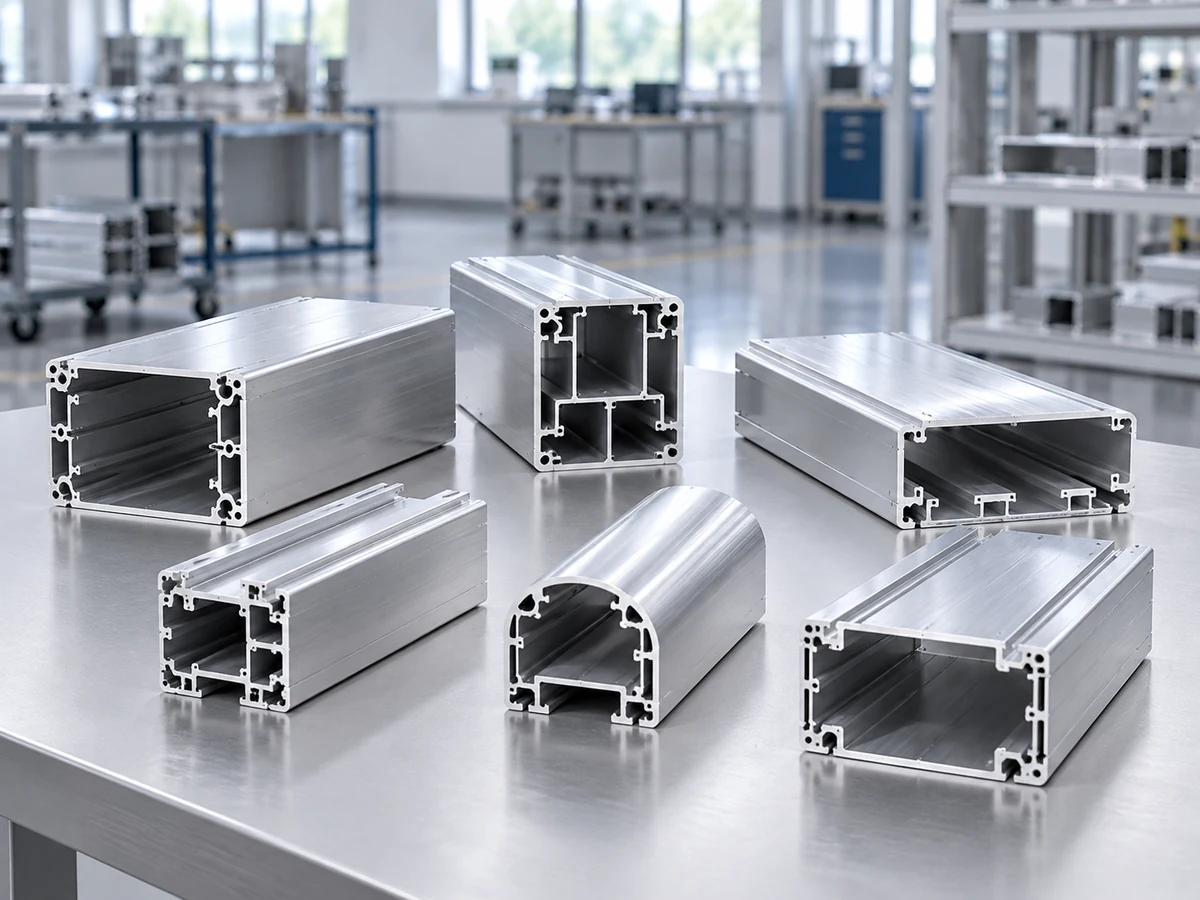
3. Quote from the cut-stage member drawing, not actuator travel
A finished actuator’s travel, module envelope and load rating are system properties. None is a substitute for a cut-stage drawing. Give the saw supplier the actual incoming stock section and length, finished cut length definition, permissible orientation, supported faces, visible surfaces and any protective film. State the smallest and largest representative retained members rather than one convenient average. The drawing owner should define where the length is measured and which end features belong to cutting versus later machining.
Specify cut-part acceptance separately from assembled-module performance. Record the relevant end condition, burr or edge requirement, visible-surface protection, identification method and inspection datum for each sample. Avoid turning a machine feed-repeatability claim into a finished-part dimensional guarantee. If the next operation drills, machines, presses, aligns or assembles the member, say that clearly in the RFQ. The saw trial can show how the quoted configuration handles representative stock; it does not certify guide preload, drive alignment, positioning performance or the integrated module.
4. Compare mixed-order changeovers and complete-set handoff
Machine capacity needs a workload that resembles the plant’s orders. A quick straight cut on one long hollow section says little about a sequence with two housing sizes, a short service part and a different surface finish. Ask vendors to run or describe the changeover for stock supports, clamping contact, blade, length setting, part identification and finished-part staging. Distinguish the operator time for setup and sorting from the cut cycle itself. Note which steps the quotation includes and which require fixtures or handling equipment from the buyer.
Plan around accepted component sets, not isolated pieces. A housing length that is cut correctly but mixed with the wrong drawing revision can delay an entire actuator assembly. Define labels, lot and revision traceability, protective packaging, inspection record and the receiving point for subsequent machining or assembly. If parts travel between sites, specify dispatch and receipt evidence as well; our cut-part transit evidence guide explains the handoff record. Compare vendor proposals on the same complete-set requirement.
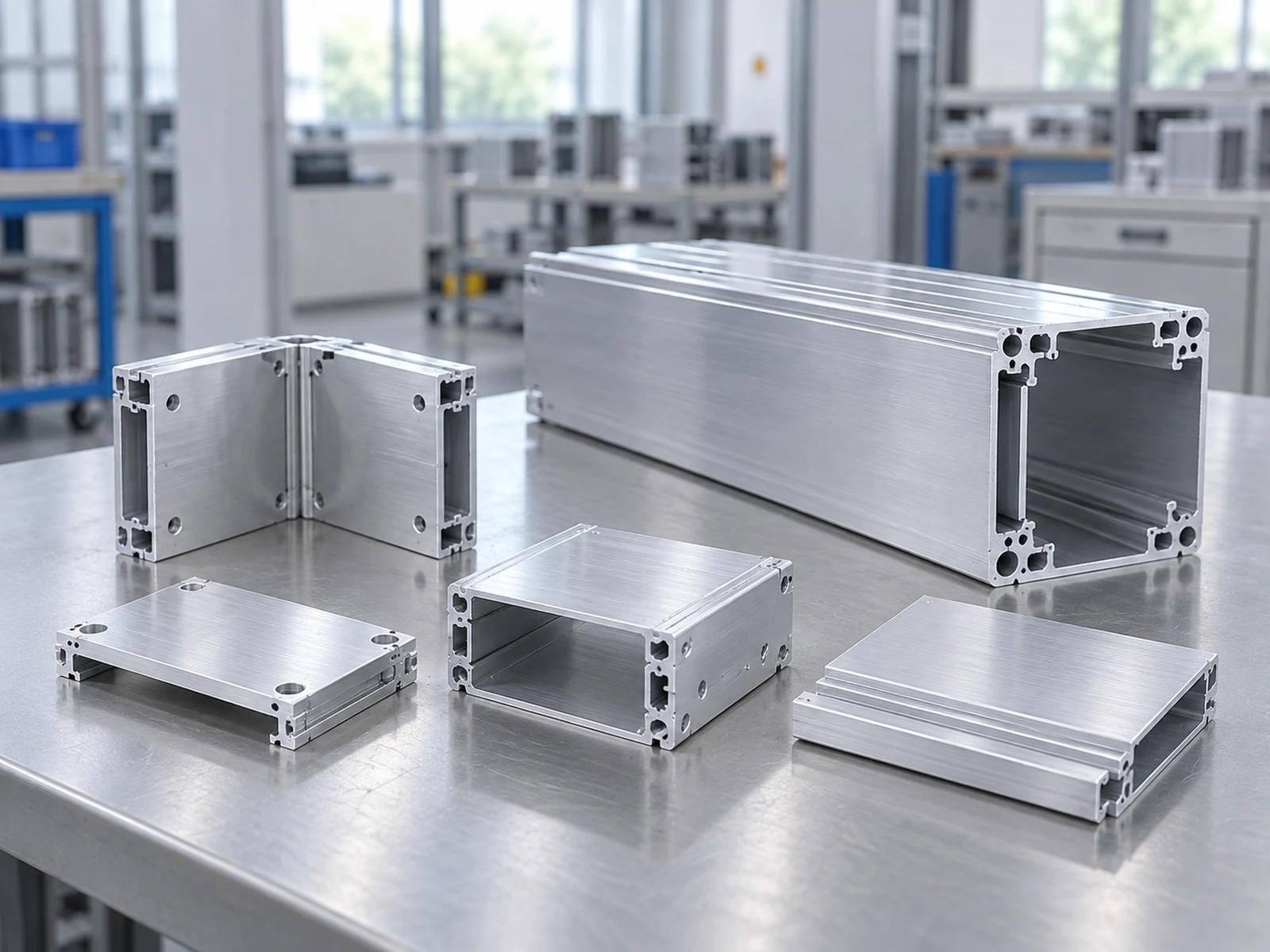
5. Witness the proposed configuration cutting identified sample stock
Select samples from the released portfolio, or mark surrogates plainly if production stock is unavailable. For each sample, record the section, finish, incoming length, lot or sample identifier, drawing revision and visible damage before the cut. Require the supplier to document the exact machine and options quoted, support arrangement, blade, clamp contact, sequence, operator actions and setup changes. The buyer should witness first-article inspection and subsequent pieces from the same setup. Count accepted and rejected parts, rework, surface marks and any condition that affects the next station.
Use a written result sheet tied to the original acceptance criteria. If a sample fails, ask for the proposed corrective setup and repeat the affected route; do not convert a later successful cut into evidence that the first configuration worked. When surrogate stock is used, treat the observation as process information and list the material, finish or geometry still requiring confirmation. Video footage can help a team understand general machine operation, but it cannot replace a witnessed trial on identified stock.
The following video is general Jiurun aluminum-cutting equipment footage from our official channel. It is an illustration of machine operation only. It does not show a linear actuator housing, this RFQ’s proposed model configuration, a customer order, or verified cutting or motion-system performance.
6. Buy an aluminum saw for linear actuator manufacturing at the cut-part boundary
Separate the factory’s acceptance of cut aluminum members from qualification of a completed actuator. The saw supplier can answer questions about stock fit, setup scope, cut-part condition and service for the quoted cutting cell. The actuator manufacturer remains responsible for its own later machining, guide and drive assembly, controls, safety review, endurance, accuracy and system release. Buying a saw does not establish any of those outcomes. Likewise, another manufacturer’s module datasheet is not evidence of what a Jiurun saw will achieve.
Send a release-ready RFQ pack: retained member list with order mix, actual drawings and revisions, stock samples or photographs, input lengths and finish, accepted cut-part sheet, downstream operations, site layout, handling and shift assumptions, and sample-trial plan. Ask each vendor to identify excluded sections, necessary fixtures and support equipment, blades and consumables, training, installation and service as separate quotation lines. Require a clear answer about what leaves the saw cell and who receives it. That makes alternative offers comparable even when the finished actuator families differ.
If you want Jiurun to review an aluminum saw for linear actuator manufacturing, send the released aluminum member drawings, current stock route and representative order mix through our contact page. We can discuss the cutting question and agree what a meaningful trial would need to show. A photograph of a complete actuator alone is not enough to select a cut-part machine or prove finished-module suitability.
Supplier examples for component context: Rollon belt-driven actuator family and Bosch Rexroth’s dated 2022 module release. Their product claims and dimensions are their own and are not Jiurun specifications.