
An aluminum saw for cleanroom system manufacturing should be evaluated against the metal members that your factory will actually cut, not against the size of a planned room. A cleanroom package can contain wall and ceiling panels, doors, windows, framing, coving and equipment that arrive through different supply routes. A machine quotation becomes meaningful only after the buyer separates retained cutting work from purchased components and later assembly work.
This guide is for a factory deciding whether a dedicated aluminum cutting route belongs in its cleanroom-system production plan. It explains how to define the eligible member families, compare supply stages, request a useful demonstration and assign acceptance responsibility. It does not specify a cleanroom design or imply that a cut member establishes room classification.
Start with the released system, not a generic material label
“Cleanroom aluminum” is too broad to purchase a saw. A post, panel edge, ceiling grid member and door-frame piece may have different sections, end details and receiving stages. First identify the approved system family and drawing revision. Then ask which listed parts are delivered as purchased finished units, which arrive as prepared kits and which your factory makes from stock.
Manufacturer catalogs illustrate this separation. PortaFab describes CleanLine as a cleanroom wall system with its own construction approach, while its component catalog lists panels, ceilings, windows, doors and other categories. These examples show why a room package cannot be counted as one homogeneous cutting demand. They do not establish the design, materials or cutting method for your project.
Specify an aluminum saw for cleanroom system manufacturing from retained members
Create one register from the current released drawings and bill of materials. For each candidate part, record its system family, part number, section drawing, incoming supply form, cut reference, end condition, annual or campaign quantity, downstream operation and receiving party. Flag whether the part is truly made at your site. A bought door or panel should remain visible in the package record but should contribute no cuts to the saw workload.
- Retained stock-to-member work: your factory receives long metal stock and owns the cutting stage.
- Prepared member or kit: a supplier delivers a cut or partly prepared component; check whether your factory performs any additional cut at all.
- Complete module or bought component: the item enters later assembly or installation without an eligible saw operation at your site.
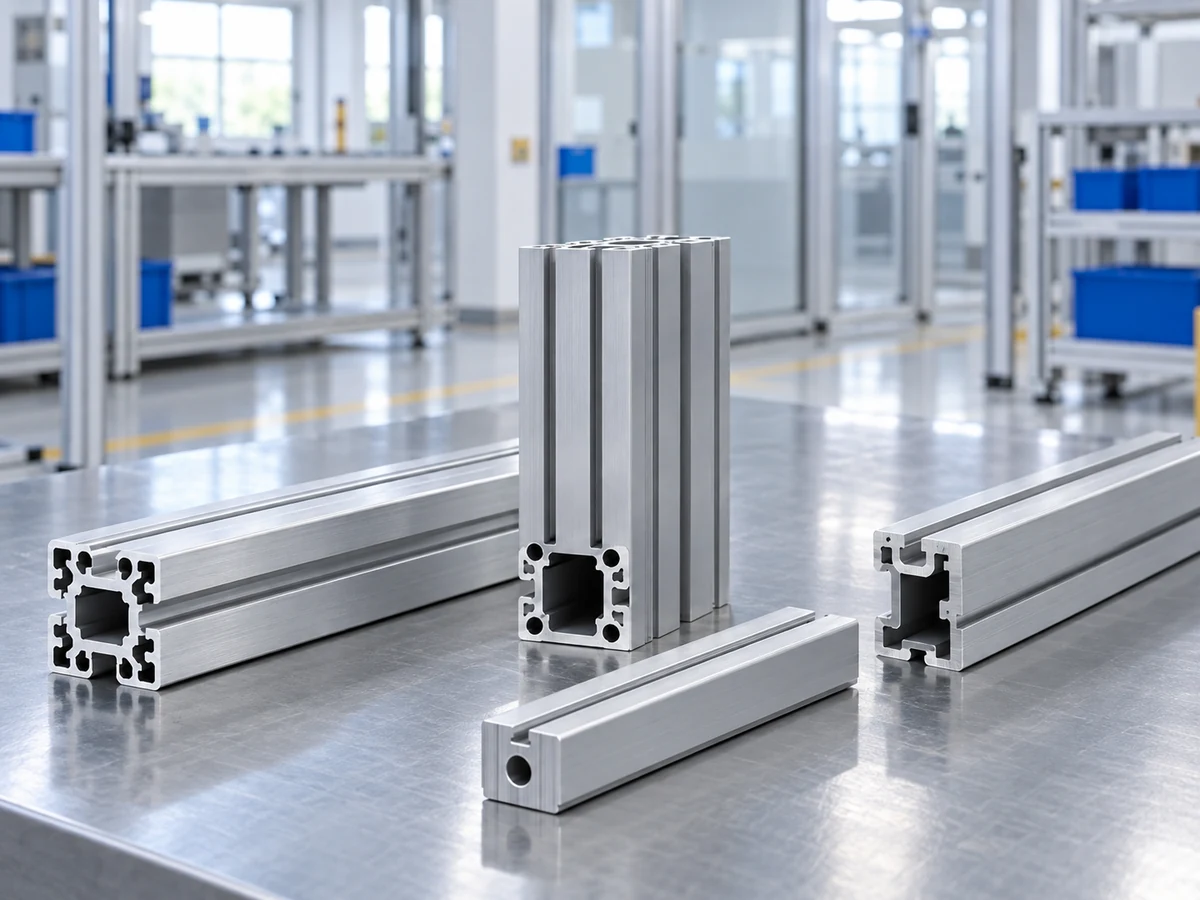
Do not convert floor area, wall length or module count directly into saw cycles. A project can be large while the cutting department receives only a small subset of its members. Conversely, repeat production of a limited frame family may create a meaningful workload. Derive quantity from the released member schedule, yield plan and actual factory-versus-supplier allocation.
Specify the handover point for every cut part
Ask for a drawing of the part at the moment it leaves the cutting operation. The reference used to position stock and the reference checked by the next department must be stated. Mark the retained end, allowance ownership and required orientation where these affect the cut. A completed room opening or assembled frame dimension is not automatically the dimension of one saw-cut member.
After cutting, a part may still need machining, cleaning, finish protection, hardware, inspection or assembly. Record who owns those steps. The saw supplier should be asked to demonstrate its proposed cutting stage against representative material and approved part drawings; the project team remains responsible for verifying the assembled system and room against its separate requirements.
Compare supply routes at the same accepted stage
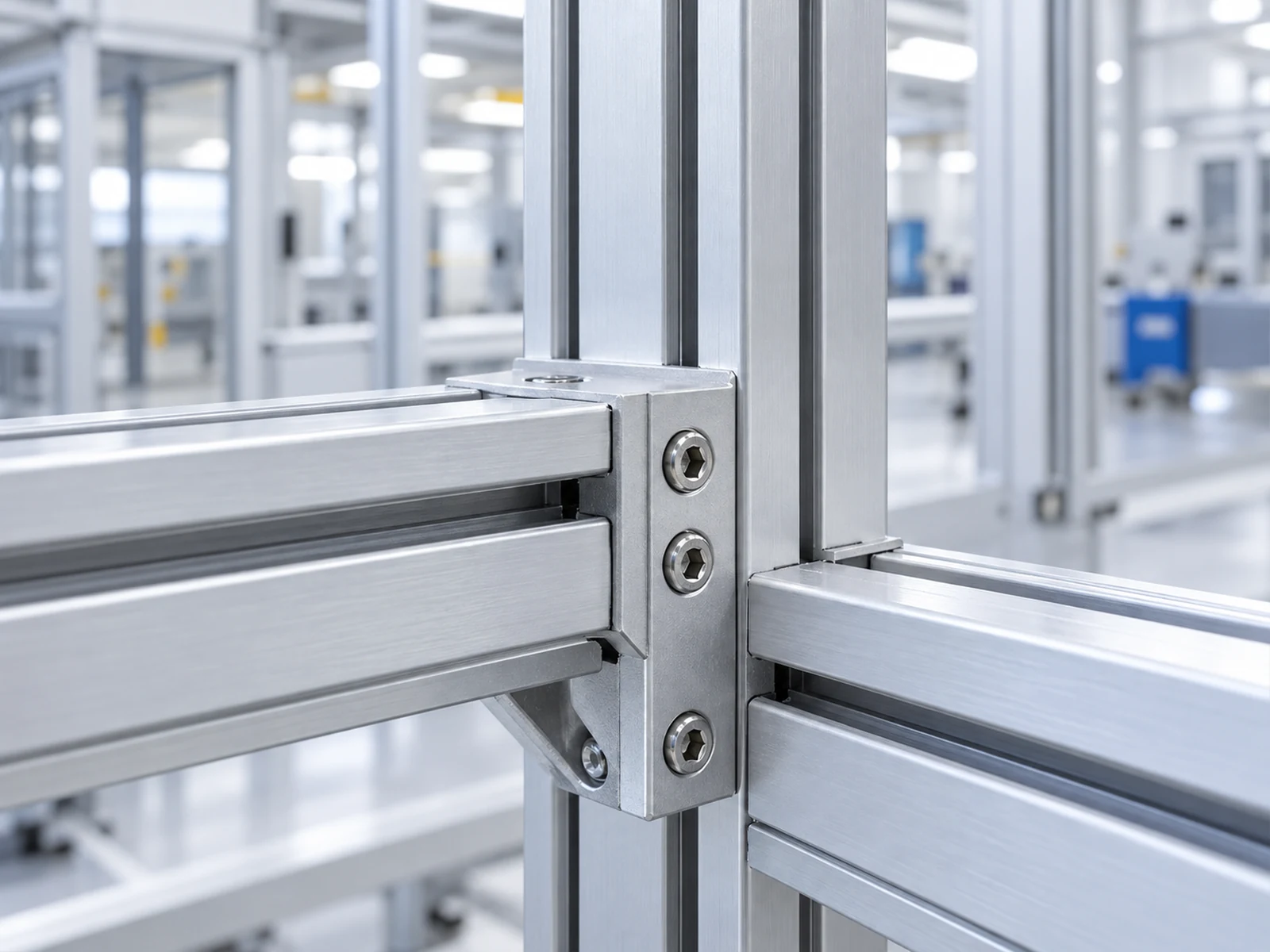
Evaluate an aluminum saw for cleanroom system manufacturing only against the work it replaces or enables. Compare (1) bought complete modules, (2) supplier-prepared members and (3) retained stock cut in-house at the same agreed receiving stage. A low stock price is not an honest comparison with a complete module price until the remaining cutting, preparation, finishing, assembly, inspection, scrap and handling obligations are included.
Use the actual mix of system families and order campaigns. If the factory handles several cleanroom systems, separate their profiles and connectors rather than extrapolating from one sample. A proposal that serves one frame family may require different fixtures, handling or changeovers for another. Treat any untested family as an open question in the quotation, not as implied capacity.
Request a cutting demonstration that can answer the purchase question
A representative trial for an aluminum saw for cleanroom system manufacturing begins with the retained part family rather than a convenient generic bar. Provide the supplier with approved section drawings, incoming stock condition, representative lengths, end requirements and the quantity mix. Ask it to identify the proposed blade, holding approach, feed and discharge arrangement for the particular test, including what is optional or excluded. The recorded outcome should identify the material and machine configuration actually used, the inspected cut features, the measurement method and any remaining downstream work.
One clean-looking cut does not validate a full family or a completed module. Include a short piece, a long piece and a demanding section only if those represent released work. Discuss repeat campaigns, stock protection and changeover where they materially affect production. Record limitations and trial deviations. Do not substitute a catalog tolerance or a feed-positioning figure for measured acceptance of the finished cut part.
The video below shows a JiurunCut aluminum-saw equipment scene as a general visual example only. It is not a demonstration of this cleanroom material, the proposed model or configuration, a customer project, a trial result or performance in your factory. Require a separate trial against your own approved parts before accepting a machine scope.
Make the buying decision from a traceable scope
Before approval, the case for an aluminum saw for cleanroom system manufacturing should rest on a documented, repeatable factory cutting obligation. The buyer should be able to hand another reviewer one package: the released system and revision list; a retained-versus-bought component register; drawings for eligible cut members; the expected campaign mix; a supply-stage comparison; the proposed saw configuration and trial record; and an exception list naming the owner of every unresolved step. The financial comparison should use only retained cuts and include the labor and resources needed to deliver the same accepted stage.
Keep three acceptance levels separate: whether the saw completes its agreed cutting task, whether the factory can receive and assemble the resulting members, and whether the completed cleanroom system meets the project’s own requirements. Success at one level does not certify the next. For a narrower discussion of section-specific RFQ questions, see our cleanroom aluminum profiles guide.
JiurunCut supplies industrial circular saw equipment for aluminum and other nonferrous metal applications. If you are assessing an aluminum saw for cleanroom system manufacturing, send the current retained-member register and released section drawings with your factory delivery stage and representative quantity mix. Those records let us discuss a proposed cutting scope without treating a general equipment image as project evidence.