
An aluminum saw chip conveyor jam can look like a simple housekeeping fault. On an aluminum saw, the more useful first question is: what actually entered the waste path? Fine chips, curled swarf, a short offcut, and a dropped finished part can create different restrictions. A restart without that distinction can erase the evidence and bring the same stoppage back on the next cut mix.
This guide is for a production or purchasing team documenting a jam and discussing the waste route with the machine and conveyor suppliers. It is not a procedure for opening a guard or clearing a live mechanism. Stop the affected equipment, follow the site’s isolation procedure, and have qualified personnel use the instructions for the installed models.
Start with the event, not a guess about the motor
Record the time, active recipe, profile shape, cut length, and the first alarm before resetting anything. Was the saw still cutting when the conveyor stopped? Did the stop follow a change from a long part to many short pieces? Did a collection bin reach its fill point? A timestamped photo from outside the guarded area and the relevant alarm history give a technician a better starting point than “the belt jammed.”
Do not infer the cause from an overload alarm alone. A drive may report the resistance while a downstream obstruction created it. Equally, a pile of chips seen later may be the result of the stopped belt rather than the original trigger. Preserve the sequence of observations and separate what was seen from what is suspected.

Separate chips, long swarf, and solid pieces
Document the material found at the accessible collection point only after the equipment has been made safe under the site procedure. Fine chips can accumulate where flow changes direction or where a full container blocks discharge. Longer curled chips may bridge an opening or wrap around an internal component. A short offcut or finished part is a different kind of object: it may have escaped the intended part or scrap route and entered a conveyor intended for chips.
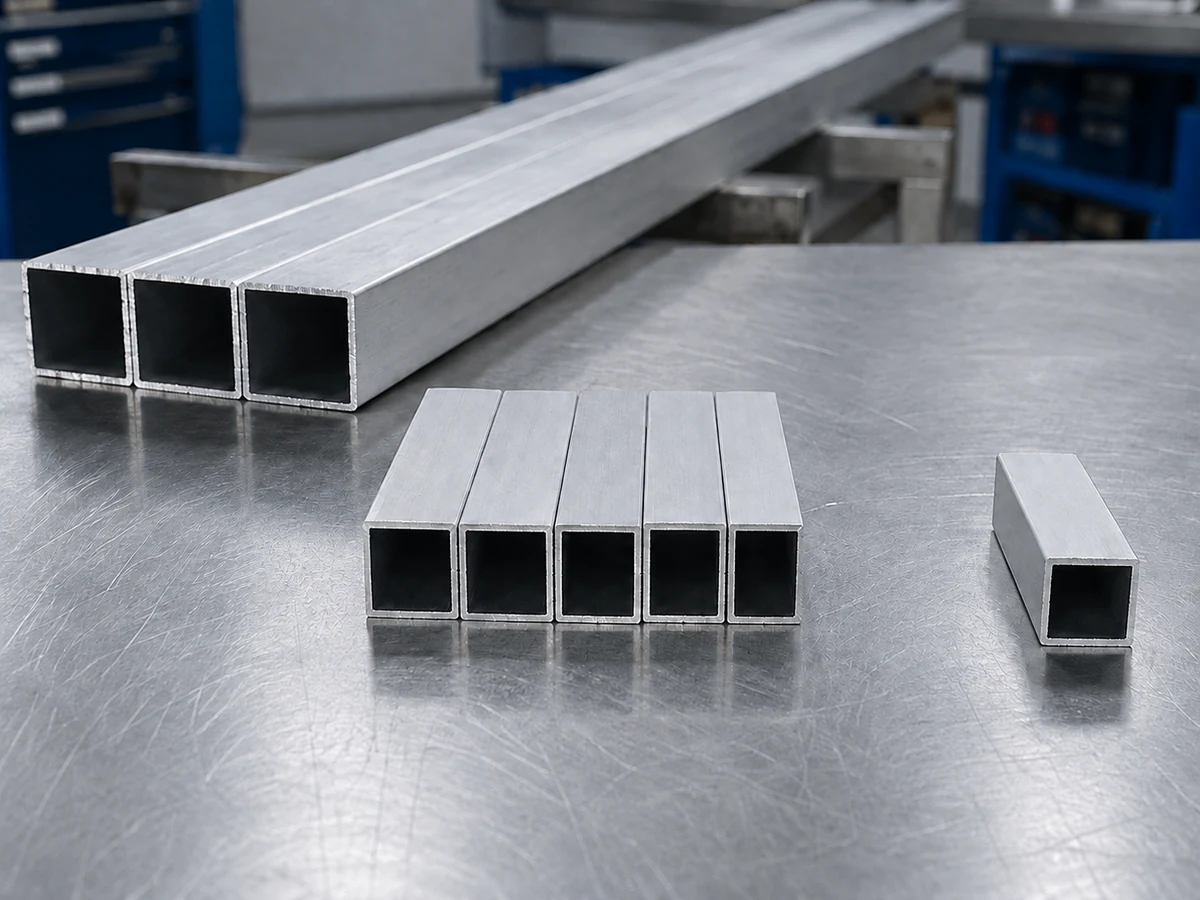
Keep dimensions and counts tied to the observed pieces. “Three 45 mm offcuts were recovered” is actionable; “the machine makes too much scrap” is not. The distinction also matters to a buyer: if short pieces routinely reach the belt, the question may be the separation path, chute geometry, and responsibility at the saw-to-conveyor interface, not merely conveyor capacity.
Conveyor limits are model specific. For example, the Mayfran ConSep 2000 II operation manual names a full chip basket, parts or tools, and long chips among possible jam contributors for that system. That is useful as a diagnostic checklist, not a specification for a Jiurun saw or for another conveyor. Ask for the installed conveyor’s own manual and accepted chip and part envelope.
Trace an aluminum saw chip conveyor jam from blade to discharge
Make a simple route sketch: blade and clamp area, chip opening, any chute or separator, conveyor entry, belt path, discharge, and container. Mark where the first abnormal material was observed. If the same profile cuts well at one length but jams at another, note exactly which branch receives the new offcut. If the conveyor stops only as a bin fills, record the fill level and whether discharge has room. These observations help the supplier test a specific interface rather than replacing parts by trial and error.
The video below shows a Jiurun cutting sequence as related equipment context. It does not show a chip conveyor, a jam, this material mix, or the configuration under review.
Keep clearance work inside the safety procedure
Do not reach into the conveyor, remove a guard, reverse the drive, or bypass an interlock just to see whether the obstruction moves. The OSHA mechanical-hazards guidance treats jam clearing that requires guard removal as work requiring lockout/tagout. Your qualified team should follow local law, the site energy-control procedure, and both equipment manuals before inspection or clearance. For purchase-stage access requirements, see our aluminum saw jam clearance guide. The Mayfran Chip Tote manual also illustrates why a jam investigation should look for foreign objects and damaged drive components on its own model, rather than simply resetting an alarm.
Turn the incident into a supplier acceptance check
Give the saw supplier and conveyor supplier one incident packet: equipment identifiers, layout, profile drawing and alloy, cut lengths, cycle sequence, chip form, recovered object dimensions, alarms, and safely taken photos. Ask each supplier to identify its boundary: who controls the chip opening, offcut routing, conveyor entry, discharge, and container-full signal? Where one party’s scope ends, put the interface condition in writing.
Before accepting a proposed change, request a witnessed run using a representative production mix, including the shortest scheduled piece and the longest continuous batch that has caused trouble. Agree on what will be observed: where each offcut goes, whether chips discharge continuously, whether alarms stop production safely, and whether collection remains accessible without defeating a guard. Record the test setup and result. A clean demonstration on a different profile is useful context, but it is not proof for the failing mix.
For a new purchase, add the expected chip form, minimum cut length, offcut dimensions, and collection method to the request for quotation. Ask for the conveyor model and its own material limits, the part/scrap separation concept, and a test plan with your real cut mix. A recurring aluminum saw chip conveyor jam makes “chip conveyor included” too vague; the waste route needs a reviewable scope.
A concise handoff note
“Conveyor stopped at [time] on [recipe/profile]. First alarm: [code]. Last completed cut: [length]. Material observed at [safe location]: [chip shape or piece dimensions]. Container level: [observed level]. Guarded area left untouched pending isolation. Please review the saw-to-conveyor route and confirm the model-specific inspection and acceptance plan.”
If you are specifying an aluminum cutting line or investigating a recurring stoppage, send JiurunCut the cut list, profile drawing, equipment identifiers, and the incident observations. We can discuss the waste-route questions with you; the installed equipment’s manuals and a qualified on-site assessment determine the safe corrective work.