
Aluminum saw blade storage is more than finding space for a spare tool. A blade that comes off the shelf must still be identifiable, undamaged, compatible with the installed saw and accepted for the next cut. This checklist helps a buyer and production team specify that handoff. It does not replace the instructions for the actual blade, machine, guard or local safe-work procedure.
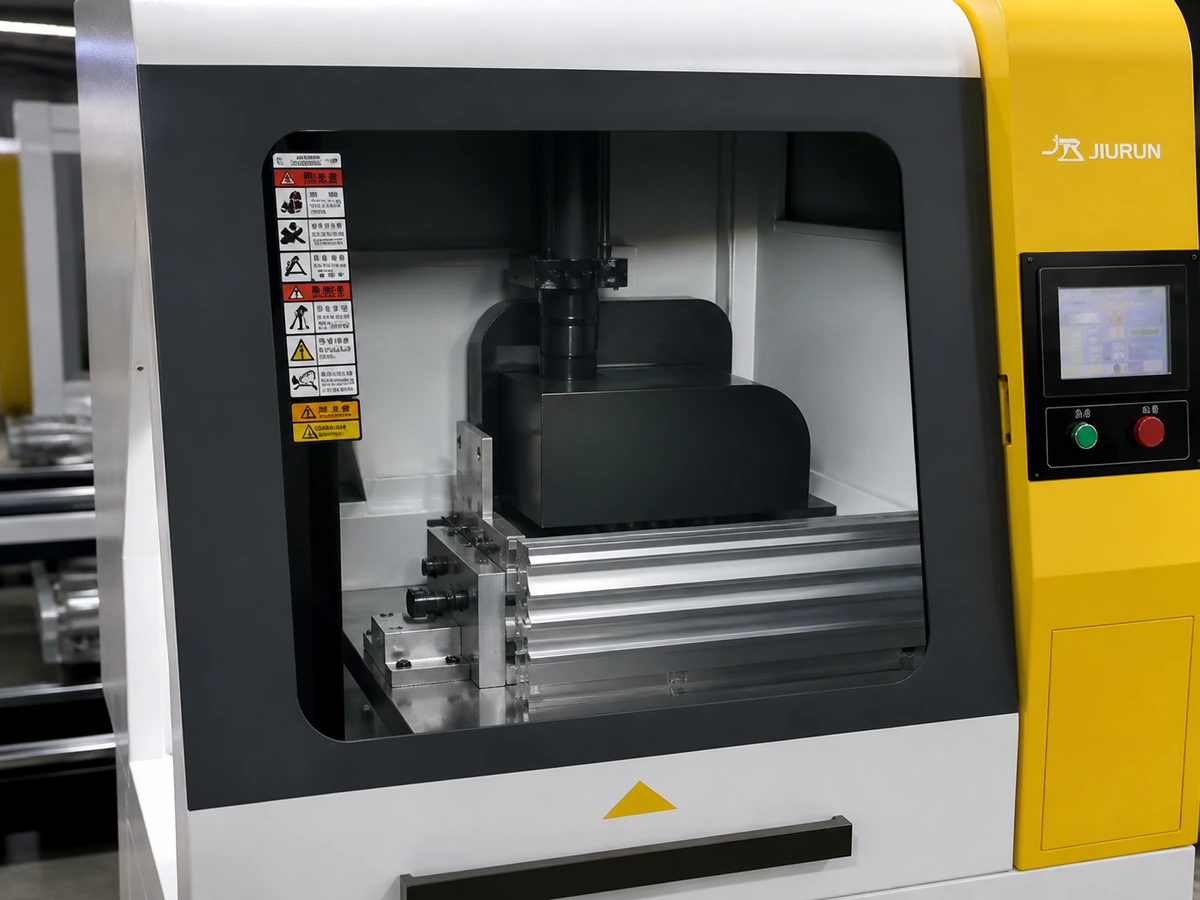
Why aluminum saw blade storage needs a release gate
Three different questions are often collapsed into “we have a spare blade.” Is the tool physically protected? Can the team identify exactly which blade it is? Has somebody approved that tool for this machine and job after storage or service? A clean shelf answers only the first question. A purchasing specification should name the blade identification, packaging, status labels and release owner so an unverified tool cannot drift into the production queue.
Blade manufacturers set the controlling instructions. For example, Freud’s circular-saw-blade instructions call for suitable packaging during storage and transport and for checks of teeth, machine settings and rotation direction before use. Leitz’s operating instructions likewise call for suitable transport packaging and for machine-manufacturer mounting instructions. These are examples of supplier guidance, not a universal storage temperature, shelf life or release tolerance for every aluminum saw blade.
Seven aluminum saw blade storage and reuse checks
1. Preserve the blade’s identity
Keep the maker, part number, diameter, bore, tooth configuration and any required locating interface legible or traceable to a controlled record. Mark whether the tool is new, previously used or returned from service. If the label and record disagree, hold the blade until the responsible person resolves the identity; do not infer its specification from appearance.
2. Protect the cutting edges in suitable packaging
Use packaging or a holder appropriate to the blade supplier’s instructions so the teeth cannot strike another tool, a shelf edge or loose hardware during movement. Record how the blade will travel between storage, service provider and machine. An unprotected loose stack makes damage and mix-ups harder to detect. Specify the handling method in the RFQ rather than assuming a cardboard sleeve fits every blade.
3. Separate available, service-return and hold stock
Give each blade a visible status: available for an identified saw/job, awaiting inspection after sharpening or repair, or quarantined. A service-return label should include the service record and the person who will recheck the tool. “Returned to stores” is not the same as “released to cut.” This simple distinction prevents a logistics transaction from silently becoming a technical approval.
4. Inspect the actual tool before mounting
With the tool safely handled under the maker’s procedure, check the cutting edges, plate and mounting features for visible damage or contamination. A chipped tip, questionable crack, distorted plate or unclear service history is a hold-and-escalate condition, not something to solve by a trial at production speed. Ask the blade maker or qualified service provider for a disposition when the condition is uncertain. Do not use a photograph in this article as evidence that a particular blade passed.
5. Reconfirm the machine and job interface
Match the recorded blade to the approved machine: diameter range, arbor/bore and locating features, clamping arrangement, allowable speed and rotation direction, then the intended aluminum profile and cut requirement. The actual machine and blade manuals govern the details. A previously successful blade can still be the wrong choice after a machine change, revised profile or different workholding setup. For a narrowed discussion of one interface, see our blade pinhole reorder checklist.
6. Restore the approved setup before a first cut
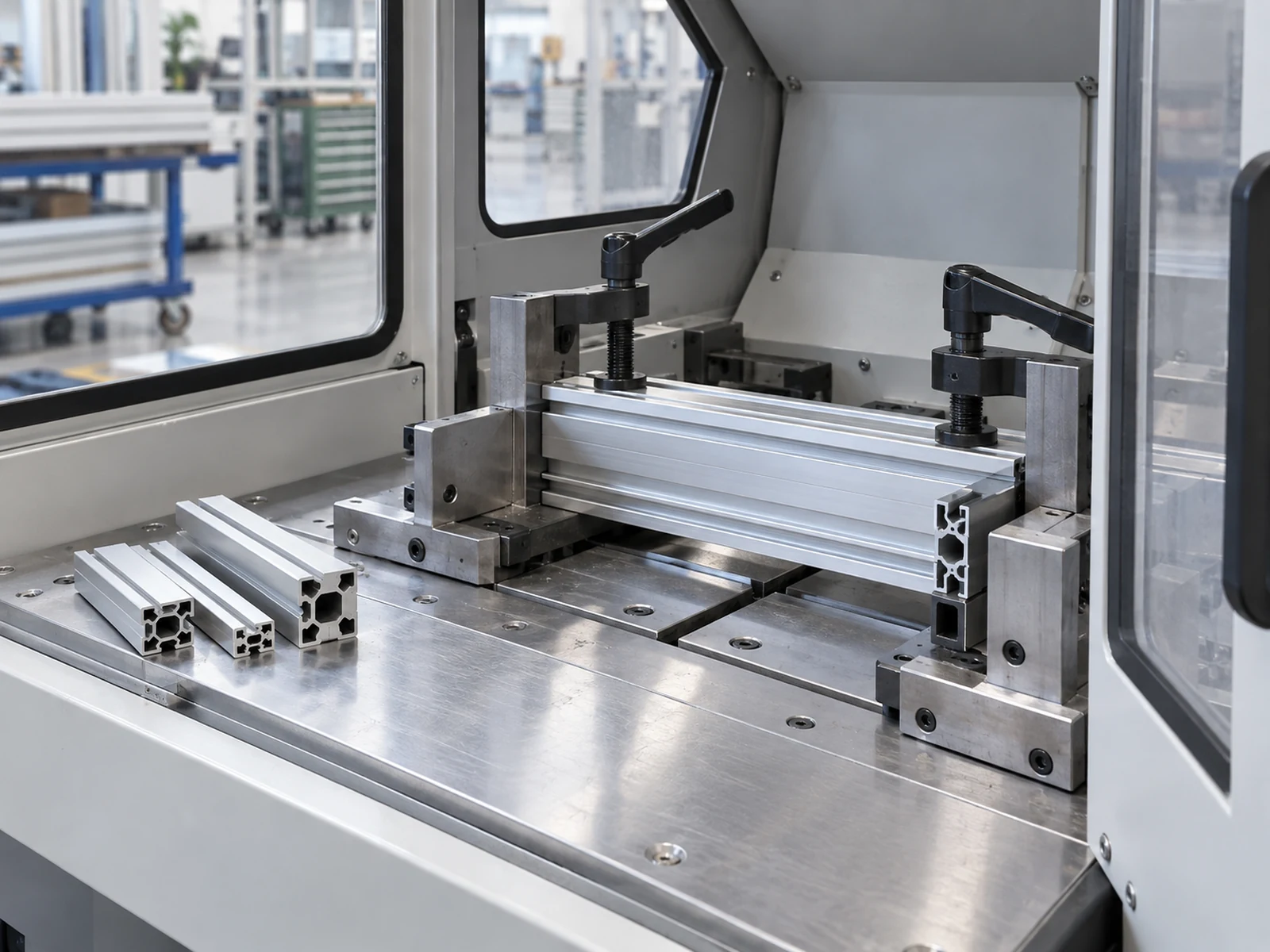
Follow the site’s isolation, guarding, mounting and restart procedure. Confirm that the blade is secured under the machine manufacturer’s instructions and that the workpiece support, clamps, feed and cut program correspond to the approved job. Treat the first cut after a blade swap as a controlled setup check, especially where length, burr or face condition matters. Our blade-change length checklist covers the separate datum and first-off length decision.
7. Record the first accepted result and release owner
Define the acceptance features before the cut: profile and alloy/temper, cut length and datum, relevant face or burr criteria, and any customer drawing requirement. Compare the first-off part with that released criterion and record the blade ID, saw ID, job/revision, inspector and disposition. A visually attractive end face alone cannot establish dimension, repeatability or tool life.

A practical four-status blade register
| Status | Minimum meaning | Next decision |
|---|---|---|
| Protected stock | Identity known; packaged; not yet assigned to a current job | Check condition and machine/job match |
| Service return | Service record received; technical release still open | Inspect actual dimensions and condition against approval |
| Hold | Damage, label conflict or missing approval | Quarantine and obtain a qualified disposition |
| Released | Actual blade and setup checked; first-off result accepted | Log owner, job and revision before production |
The table is a proposed control structure for a buyer’s procedure. It is not a manufacturer’s certification. If your supplier uses another system, ask how its records still separate physical custody from technical approval.
Watch the related equipment context
The following playable video comes from the Jiurun Machinery channel and shows an automatic aluminum saw/feed arrangement. It helps locate the machine-side handoff described above. It does not show blade storage, this tool’s mounting, a specific customer job, a first-off acceptance or performance proof.
What to include in a blade-storage RFQ
Send the supplier the installed saw identification, approved blade drawing or part number, aluminum profile and cut acceptance criteria, expected tool movements, and the proposed record owner. Ask for the packaging/handling instruction, blade identification method, service-return documentation and the exact point at which a blade becomes available for mounting. If the machine or job is still being selected, request a compatible blade recommendation in writing rather than treating an existing shelf label as approval. Share your machine and profile details with JiurunCut to discuss the saw-side fit and acceptance boundary.
Frequently asked questions
Can a resharpened blade go directly from its delivery box to production?
Only after the actual returned tool, service record, machine fit and first-off requirement have been checked and released under the site’s procedure. A delivery receipt is not a cutting approval.
Is there one storage life or humidity number for every aluminum saw blade?
No universal figure follows from this checklist. Follow the specific blade supplier’s storage and corrosion-prevention instructions and the condition found at release. Do not invent a shelf-life limit in a purchase order without an applicable source.