
Aluminum saw after long idle is a different buying question from starting a newly installed machine or recovering from a brief power interruption. A saw reserved for seasonal orders, backup capacity, or an interrupted project may stand unused while its environment, consumables, settings, and responsible personnel change. The supplier’s original factory run proves only what was tested at that time. Before purchasing a station that may spend months on standby, ask how the specific machine will be inspected, recommissioned, tested on your profiles, and released back to production.
This is a purchasing and handover plan, not a universal restart procedure. Follow the delivered machine manual, site risk assessment, local law, and instructions from qualified personnel. The featured maintenance-planning scene is an AI-composited illustration from JiurunCut’s existing media library; it does not document this machine or an actual service event.
Define the condition of an aluminum saw after long idle
“Long idle” is not a fixed number of days that applies to every aluminum saw. Describe the actual scenario in the RFQ: an installed machine with power isolated for a planned shutdown, a standby saw held ready for overflow work, a machine stored before installation, or an existing station that has been moved. These cases have different responsibilities and records. State the expected storage environment, whether the equipment remains connected to utilities, who controls access, and whether any preservation or periodic checks are planned. Ask the supplier which conditions in its own documentation trigger a special inspection or service visit.
Separate a short operational pause from a long storage period and from work performed while the machine was idle. If a blade, clamp, controller, guard, lubricant, filter, pneumatic component, or program was changed, the return-to-service scope must address that change. If conditions are unknown, do not treat an old acceptance result as a current release record. The buyer should identify the last verified machine state, its date, the approved configuration, and any open faults before agreeing on the first production order.
Buy the return-to-service package, not just a startup visit
Request a written, machine-specific package with four deliverables: an idle-period care plan, a qualified inspection and service scope, a controlled functional trial, and a production-release record. Identify who supplies each document and who signs it. The quote should say whether documentation, remote guidance, replacement parts, travel, measurement, and repeat trials are included. A one-line promise of “technical support” leaves the price and release decision uncertain.
The handover should name the saw’s delivered configuration and revisions, applicable manuals and electrical/pneumatic drawings, spare and consumable identifiers, the last accepted cutting program or parameter record, and the agreed representative profile family. Ask how the supplier will revise this package if the machine or its controls change. For a machine sourced from another supplier, do not assume Jiurun can certify its condition; obtain the original manufacturer’s instructions and agree on the responsible service party.
Use an issue log rather than an informal “looks fine” note. Record the observation, affected assembly, owner, required evidence, due date, and decision: closed, accepted with a documented limitation, or blocked. A critical guard or energy-control issue cannot be converted into a production waiver merely because an order is urgent.
Keep hazardous inspection work with qualified people
Ask for the machine-specific sequence and the personnel qualifications before anyone opens an enclosure or services a component. In the United States, OSHA’s energy-control guidance describes documented isolation, verification before service, inspection, restoration of safeguards, and positioning people safely before re-energization. Other jurisdictions have their own requirements. This article does not authorize a buyer or operator to test live circuits, bypass an interlock, defeat a guard, or improvise an isolation method.
The supplier should specify which checks apply to the actual delivered saw: visible damage or corrosion; blade and tool condition; guards and interlocks; feed, clamp, and support areas; lubrication and fluid condition; air supply where fitted; cables and connections; control backups; and any manufacturer-required motor or drive checks. Do not turn that list into a generic pass/fail threshold. For example, ABB’s motor-storage instructions illustrate that some motors have removal-from-storage inspections and recorded electrical checks. Their values and methods belong to the identified motor and qualified technician, not to every aluminum saw.
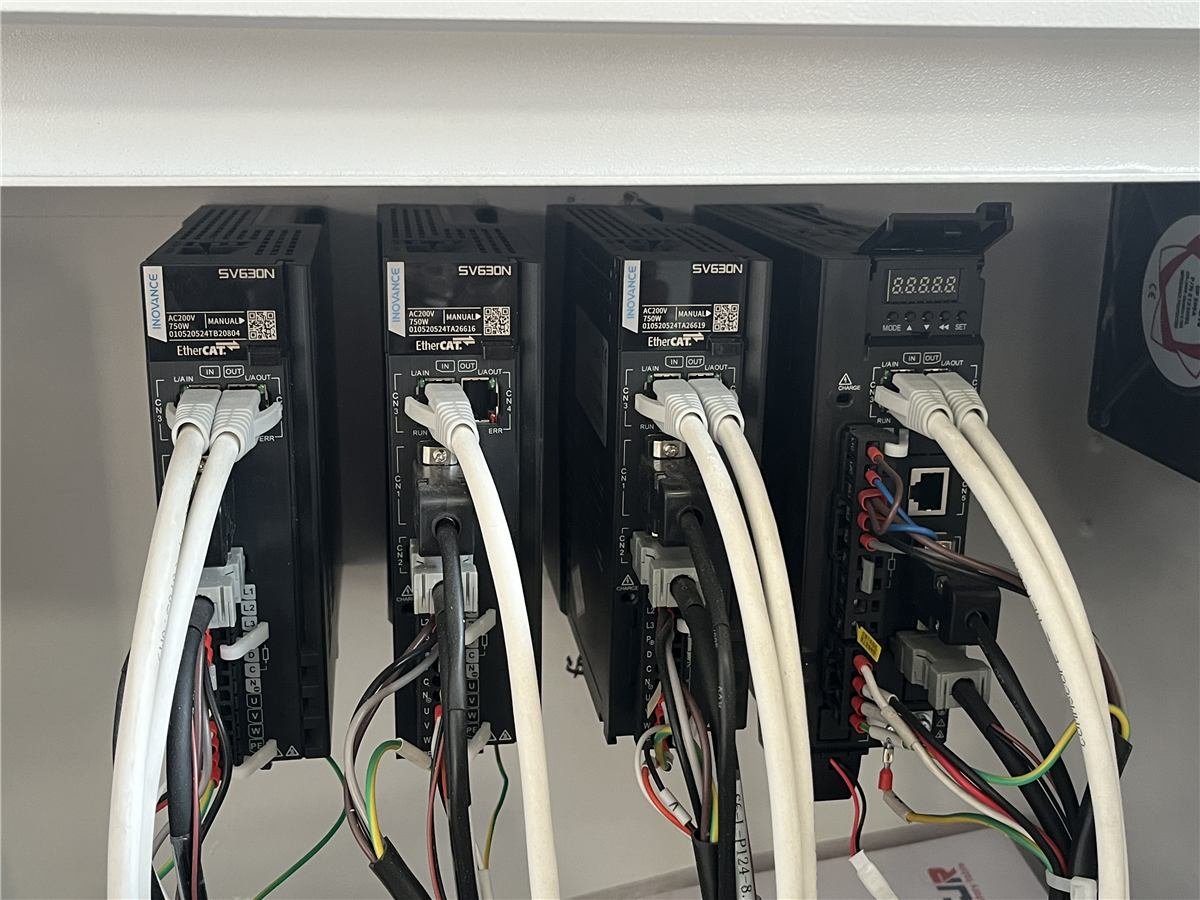
Ask how the supplier protects and reviews components during an idle period. SKF’s bearing maintenance handbook explains that storage conditions and lubricant aging can matter for bearings. The appropriate inspection or replacement decision depends on the installed components, service history, environment, and manufacturer instructions. A photograph cannot establish that a bearing or motor is ready to run.
Set a guarded trial and evidence-based release
Before the trial, agree which safeguards, work areas, and utilities must be restored and documented. The supplier and site team should define who verifies the machine’s permitted operating state and who controls the restart. Ask for a witnessed functional check of the applicable controls and motions under the manufacturer’s procedure. Do not let a successful power-on screen or empty cycle stand in for production acceptance.

Then cut the profiles that represent the intended orders, using the agreed material condition, section, length, orientation, and handling route. Define sample identification, measurement instrument, measurement location, acceptance limits, surface and burr observations, and who decides what to do with failed pieces. Do not substitute a feed-position figure for the accuracy of the finished part. Record the configuration and program used for each accepted sample so a later repeat can be compared on the same basis.
If the saw has changed since its earlier acceptance, include the affected profile variants. A replacement contact face, changed blade, revised support, or updated program may require a different scope from a simple idle inspection. Define whether the supplier, site maintenance team, or production quality team owns each retest and whether a failed result requires another visit. Link the release record to the job traveler or controlled production order, including the authority that permits normal output.
Compare three support offers on the same boundary
Documentation and site-managed restart
This can fit a buyer with qualified technicians, the delivered manuals, relevant test equipment, and experience with the exact saw. Price the missing items explicitly: updated drawings, spares, training, approved inspection forms, and sample-measurement time. The buyer owns execution and release unless the contract says otherwise.
Remote supplier assistance
Remote support can help identify questions and review records, but it cannot physically verify every guard, connection, stored-energy condition, or finished part. Ask what images, logs, video, measurements, and connectivity are required; who remains on site; the response window; and when the issue must escalate to an on-site visit. A remote call is an evidence channel, not a substitute for qualified local control of the machine.
On-site recommissioning
An on-site option can be valuable when the saw was stored in uncertain conditions, modified, relocated, or tied to critical production. Compare travel, work scope, consumables, replacement parts, trial material, measurement, repeat visits, and written sign-off. An attendance day alone is not an accepted return to production. State the output and records expected at the end of the visit.
For the initial purchase, compare the total lifecycle offer. The lowest machine price may be unattractive if a planned seasonal return requires an unpriced service trip or parts with uncertain lead time. Ask the seller to identify which checks the machine owner can perform under its documented procedure and which require supplier support.
The following video is general Jiurun aluminum-saw equipment footage from the Jiurun Machinery channel. It shows equipment context only. It does not document an idle machine, a return-to-service visit, the material or model configuration in this article, a customer, a trial, a safety inspection, or any performance result.
Copy these questions into the RFQ
- Which delivered machine, configuration, control revision, and documents does the return-to-service package cover?
- What idle conditions require preservation, inspection, component service, or a supplier visit under the manufacturer’s instructions?
- Who is qualified and authorized to inspect, isolate, service, restore, and release the machine at this site?
- Which guards, utilities, feed and clamp areas, tools, fluids, electrical components, and records are in scope?
- Which representative profiles and finished-part checks define a successful production trial?
- What happens if an issue or sample fails, and who pays for parts, repeat testing, travel, and lost time?
- Which records will be delivered: issue log, service report, configuration, trial results, and production-release sign-off?
The purchase decision
Choose the offer that makes the next return to service predictable and auditable on your real workload. The first question is not whether the saw can power up after storage; it is whether the buyer can identify the machine state, fund the required qualified work, obtain a representative cut result, and assign a clear release authority. Keep the idle-period plan and accepted sample with the machine handover package. For a separate discussion of initial factory and site acceptance, see the factory-versus-site acceptance guide.
Send Jiurun your profile drawings, expected shutdown or standby pattern, site environment, service responsibilities, and intended acceptance samples through the contact page. Request a configuration-specific scope and quote rather than a general restart assurance.