
Aluminum roller tube cutting starts with the tube drawing, not the conveyor’s nominal width. The cut tube, assembled roller and shaft can have different length references. Bearing interfaces, end preparation and any surface treatment also belong in the review before a cutting proposal is approved.
These five checks help a buyer define tube preparation for a roller project. They cover the cutting handover to the roller manufacturer. The completed roller’s load, speed, operating environment and system suitability require the appropriate design and product review.
Agree the component before the machine
- Separate the tube’s cut length from assembled roller dimensions.
- Review the actual tube and intended end interfaces.
- Define what cutting inspection confirms and what assembly must confirm later.
On this page
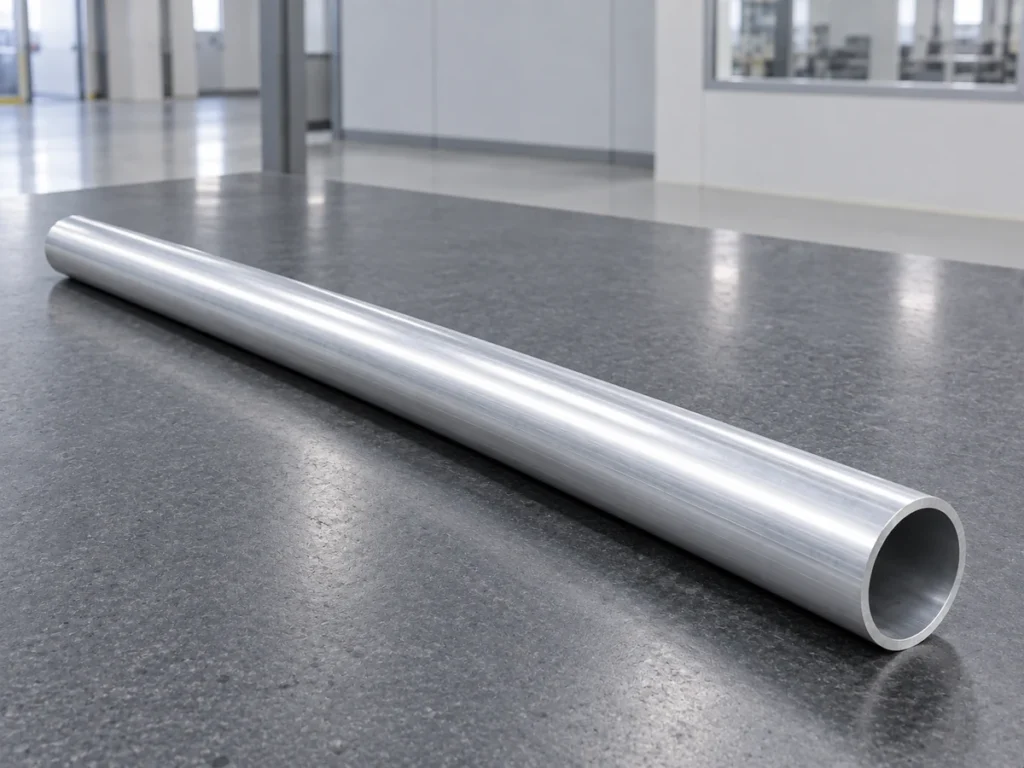
Check 1: identify the aluminum roller tube cutting length
Ask which two surfaces define the tube blank’s finished cut length. Then distinguish that length from the dimensions used to order or install the complete roller. A number on the conveyor assembly drawing should not be copied into the saw list without that interpretation.
For example, Interroll’s roller technical information distinguishes its ordering reference, the space between the frame’s side profiles, the shaft’s overall length and the usable tube portion. Its usable portion excludes bearing housings and, where applicable, flanged lengths. These definitions show why an assembled roller has several relevant length references; use the definitions and drawing for your actual design.
Have the responsible roller designer specify the tube component length and the required end condition. If the ends undergo further forming or machining, the blank requirement needs to account for the approved route. Avoid inventing a generic deduction from the conveyor width.
Keep the component drawing, assembled drawing and cut list connected by identity and revision. The finished-length datum guide helps make the two measurement references explicit.
Check 2: define the tube stock and condition
Identify the approved tube material, condition, outside dimension, wall requirement and any internal features that matter to the design. Similar-looking round tubes can have different requirements. Give the supplier the actual specification instead of selecting stock from a photograph.
Aluminum is one possible roller-tube material, not a universal choice. Interroll’s series 1500/1520 product listing includes aluminum tube variants alongside other materials. That is evidence of supplier-specific product options, not a recommendation for another roller design.
Clarify which dimensions are supplied by the tube producer and which are created in later operations. A cutting machine shortens the tube; it does not by that action establish the internal geometry needed for a bearing housing. Review that interface through its appropriate specification and inspection method.
Record material and batch identity where the order requires it. If more than one tube family enters the cutting area, preserve their separate specifications and piece identities. A shared outside diameter does not make the families interchangeable.
Check 3: review the end interfaces and later operations
Ask how each cut end relates to the intended bearing or end component. The roller manufacturer’s drawing needs to define the relevant fit and geometry. Do not choose an interference or clearance value from the fact that two nominal diameters look close.
Clarify whether the next stage uses the tube end as cut or creates another reference through machining or forming. Identify the cutting-stage length, end and edge requirements needed for that next stage. Keep any later interface requirements assigned to the operation that creates them.
Discuss thin-wall support and handling with the proposed machine supplier using representative stock. The tube-ovality review helps separate observed shape variation from a nominal diameter. The actual acceptance method and limits still come from the roller component requirements.
Review both ends if they differ. A drive-side arrangement and another end arrangement may need different features or references. Label the identities in the drawing and handover record so the later assembly team receives the intended component.
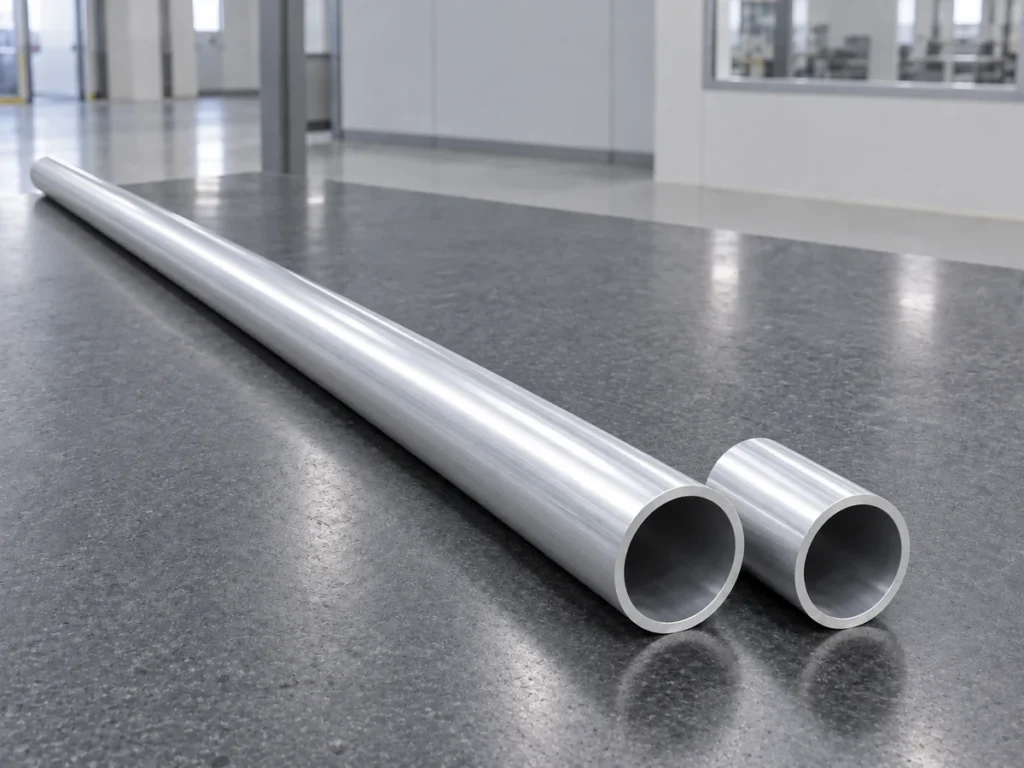
Check 4: protect the surfaces relevant to the design
Identify which surfaces remain exposed and which contact the end components. State the required condition at the cutting handover, including any specified edge preparation, cleanliness and surface protection. Keep those requirements tied to the applicable surfaces.
If the tube has a coating or finish, clarify when it is applied in the route and what the end condition must be after cutting. A finished outside surface does not by itself establish the condition of a newly cut end.
If a sleeve or other covering is part of the assembled roller, review its drawings and manufacturing stage separately. The raw tube’s cut length and surface condition may need to support that stage, but do not assume a universal sleeve allowance or preparation method.
Use the agreed handling and packing method to preserve the accepted tube condition. Protect relevant contact surfaces from damage through the handover. Make the requirement understandable to the team receiving the batch.
A useful scope comparison for the inquiry
This fictional comparison shows three different delivery boundaries. It contains no prices, measured results or claim that JiurunCut manufactures complete rollers. Use the descriptions to identify what remains after the quoted stage.
| Quoted stage | Scope to clarify |
|---|---|
| Tube cut to a blank drawing | Cut length, end condition, identity and cutting inspection. |
| Tube prepared for assembly | Required later features and the checks for the assembly interfaces. |
| Complete conveyor roller | Assembled dimensions, components and the product’s approved application. |
An offer for the first stage does not automatically include the second or third. Identify the organization responsible for each remaining operation and review. This prevents a cut-tube count from being mistaken for a completed roller count.
Check 5: separate tube acceptance from roller acceptance
Define the cutting inspection before reviewing representative pieces. State the length references, applicable end and edge characteristics, suitable methods and records. Inspect according to the plan agreed for the component.
A released tube batch confirms the requirements covered by that release. It does not establish the finished roller’s rotation quality, assembled dimensions or application rating. Those checks belong to the completed product’s approved route.
Keep accepted, held and other identified statuses visible during the handover. Include the drawing revision and the record of any later operation still required. The receiving team should know which pieces are ready for its stage and which require a decision.
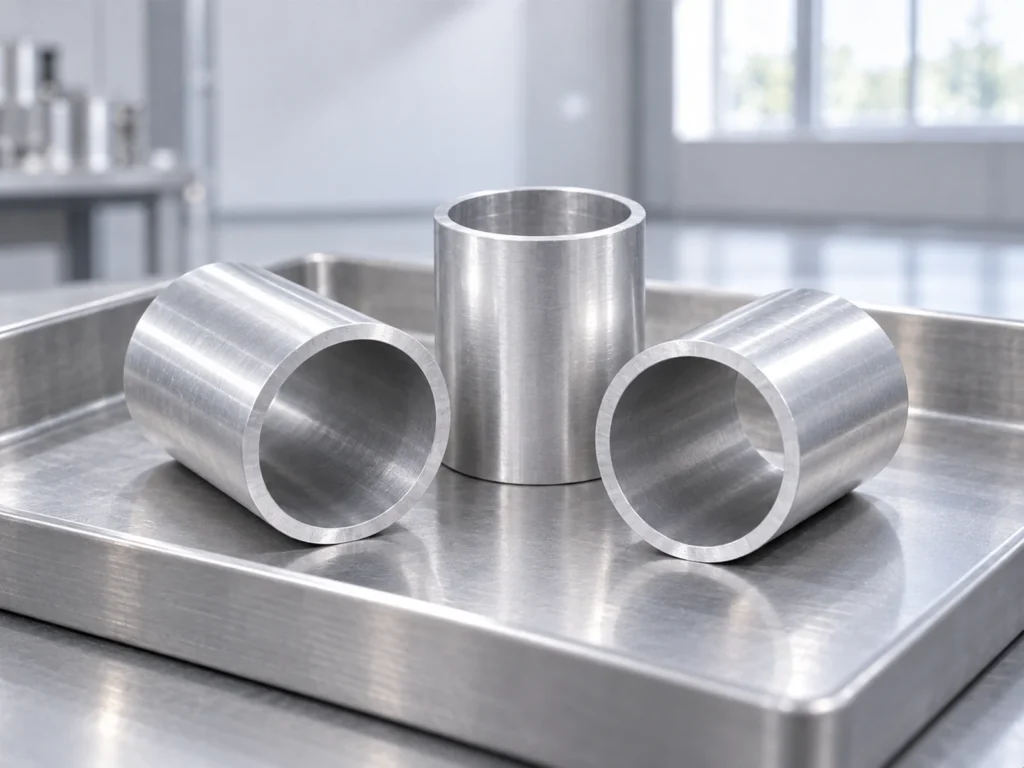
Prepare a cutting-machine inquiry
Send the stock specification, component drawing, length range and representative batch mix. Include the handover requirements and explain what the roller manufacturer does next. This gives the saw supplier a defined preparation task to review.
Ask the supplier to explain the proposed stock support, cutting configuration and scope of any sample evaluation. Confirm the actual configuration against your tubes rather than transferring a result from a different section or material.
Share the aluminum tube drawing and cutting requirements with JiurunCut for a machine-selection discussion. Keep the roller assembly and application requirements available for the team responsible for those later decisions.
Buyer questions about roller tube preparation
Can I use the conveyor’s inside width as the tube cut length?
Use the approved tube component drawing. The installation space, ordering reference and tube length may describe different dimensions. Confirm their relationship for the actual roller design.
Does a tube with the right outside diameter fit the bearing housing?
Review the specified interface geometry, condition and acceptance method. One nominal outside dimension does not establish the internal fit or the end-component relationship.
Does a successful cutting trial establish roller capacity?
No. It addresses the requirements covered by the cutting review. The complete roller and conveying system need their applicable product and design assessment.