
Prepare for aluminum cutting machine installation with five clear records: the working layout, utility requirements, delivery access, supporting systems and commissioning plan. Use the supplier’s documents for the exact configuration you ordered. The machine body’s dimensions alone do not describe the full working cell.
Start this review before dispatch. It lets your production, facilities and supplier teams resolve missing information while there is still time to prepare the site.
Five site checks
1. Review the complete working layout
Request the installation drawing for the offered machine, conveyors, loading equipment and collection arrangement. Confirm which accessories are included and which your site will provide.
On your floor plan, show the incoming stock and the largest finished parts in the order mix. Review how those lengths enter and leave the cell, including any position they occupy during the feeding cycle.
Mark the operator position, approved service access and the routes used by material-handling equipment. Ask the supplier to identify the required access zones from its installation documentation.
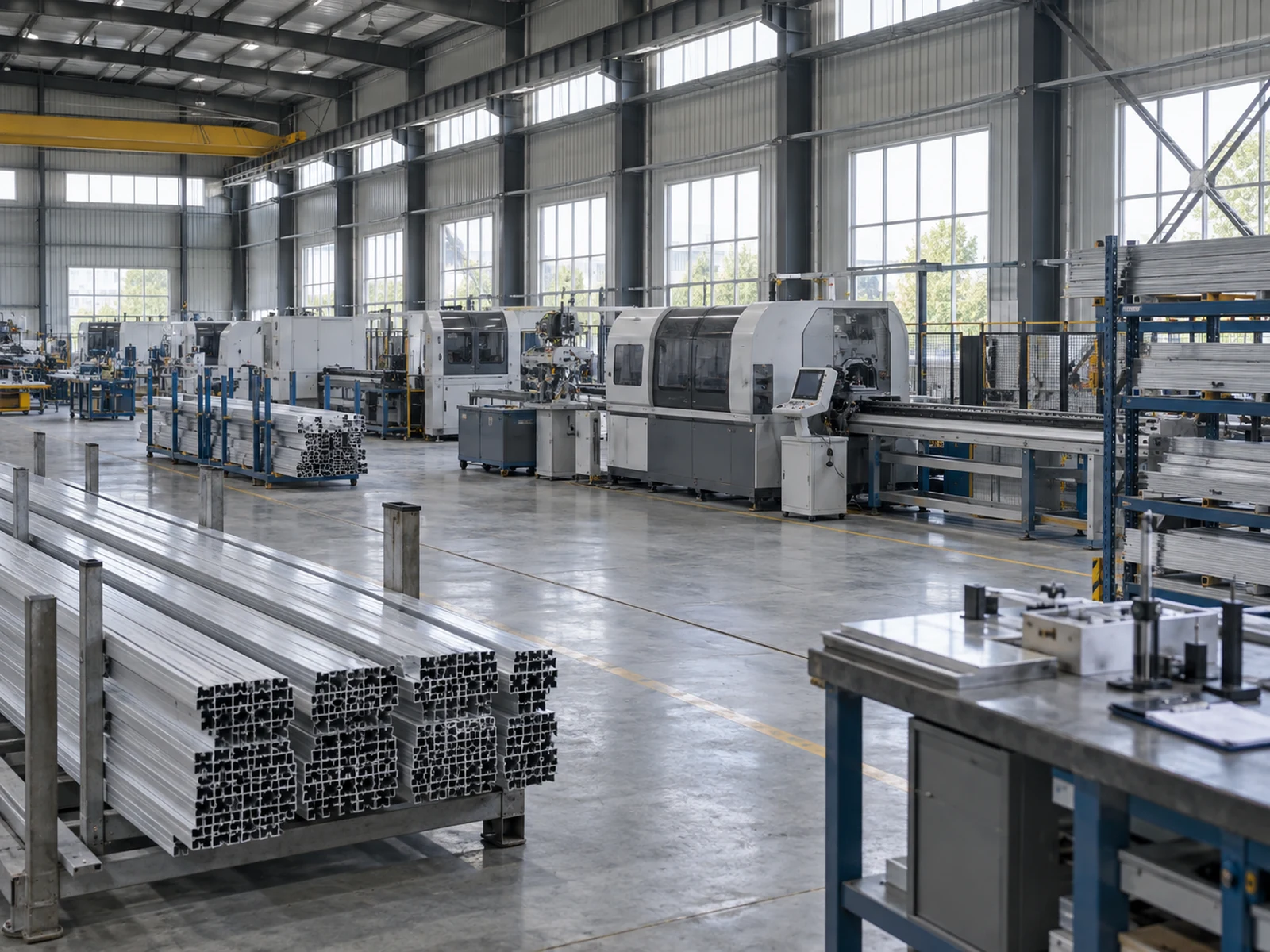
Check the layout with material present
An empty-machine drawing can miss the space occupied by a stock rack, loaded cart or finished-part trolley. Add these items at their intended working locations, then review the material route with your site team.
For example, a proposed collection position may appear available on the machine plan but overlap a shared aisle when a loaded trolley is parked there. Record the conflict and agree the revised location before installation.
The long-extrusion support guide helps define the stock and finished lengths to bring into this discussion. Required clearances still come from the supplier’s approved layout and your site review.
2. Match the ordered configuration to the site’s utilities
For aluminum cutting machine installation, request a written utility schedule. It should identify the electrical supply and any compressed-air or other services required at the machine’s connection points.
Give the supplier your site’s available voltage, phase and frequency. Ask for confirmation that the ordered configuration matches them. Do not treat a motor’s power rating as a complete electrical installation requirement.
The supplier’s electrical documents should be reviewed by the qualified people responsible for the site connection. Keep that review separate from the production team’s choice of profile and part program.
Ask for air demand as well as pressure
If the configuration requires compressed air, obtain the specified supply pressure, consumption or flow requirement, air-quality requirements and connection details. Clarify the operating condition associated with each demand figure.
A pressure value alone does not answer every supply question. Your facilities team needs the relevant demand information when reviewing the proposed machine alongside other equipment using the system.
Published manufacturer data illustrate this distinction. Elumatec’s automatic-saw data identifies electrical supply characteristics, compressed-air pressure and air consumption separately. Those product-specific values are not requirements for a JiurunCut machine.
Put the actual agreed figures and their document reference on your readiness sheet. Leave unconfirmed fields open for resolution rather than filling them with a value remembered from another installation.
3. Review the delivery route and floor requirements
Ask for the shipping package list, packed dimensions, weights and the supplier’s handling instructions. Review each package’s route from the unloading point to its installation position.
The route may involve doors, turns, height restrictions or shared traffic areas. A machine that fits at its final location may still need a reviewed route through the building.
Have the responsible site team plan unloading and movement using suitable equipment and the manufacturer’s instructions. This preparation checklist does not specify lifting points, rigging or load capacities.
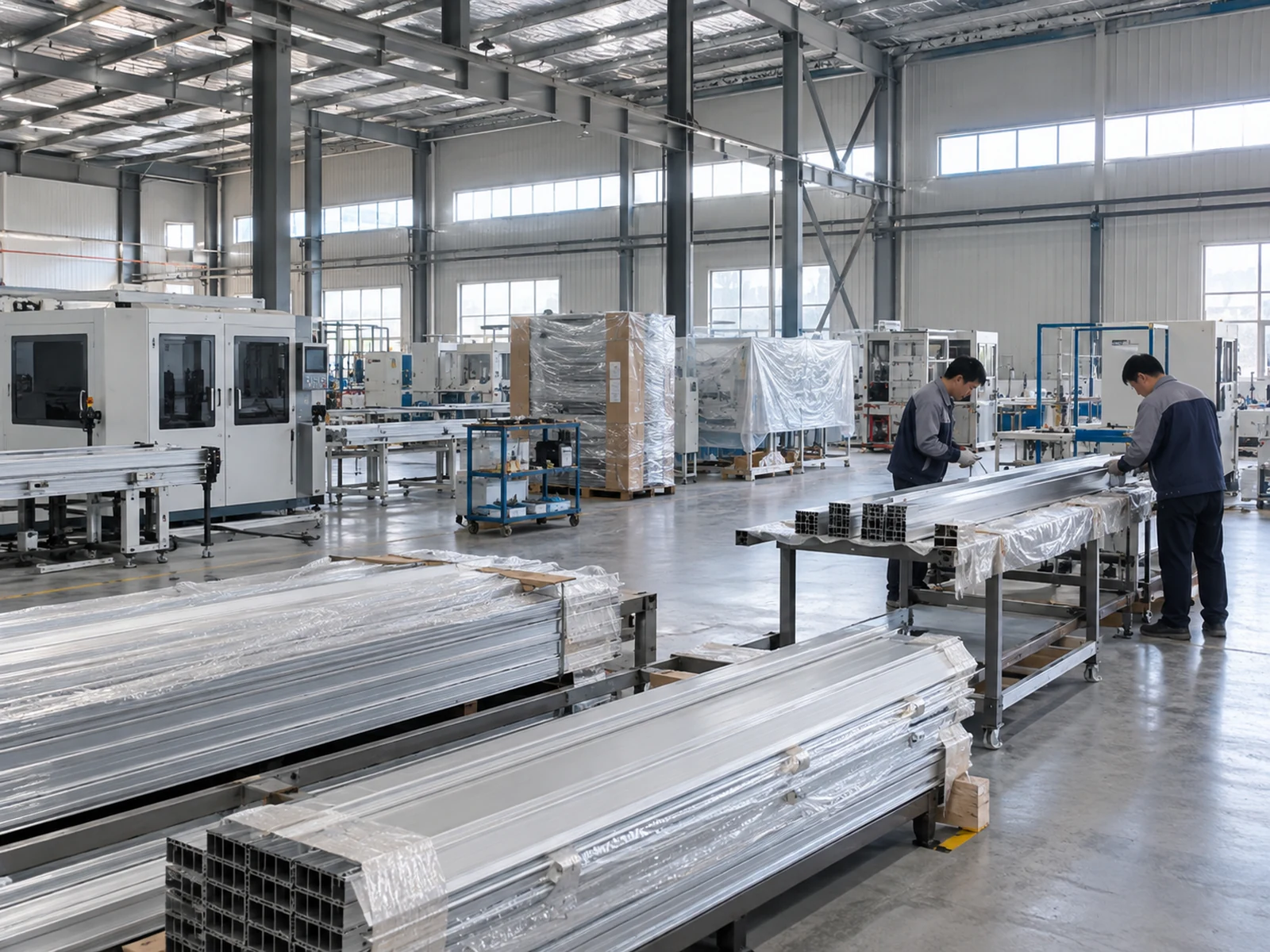
Use the installation plan for the foundation review
Request the specified floor, foundation, leveling and anchoring requirements for the supplied configuration. Give them to the qualified people responsible for the building and installation work.
Keep the machine’s quoted overall weight separate from the information required for that review. If the supplier needs further site details, assign an owner to provide them and retain the resulting written decision.
Agree where unopened accessories, documents and spare items will be kept during assembly. A receiving checklist helps match the shipment to the ordered scope without leaving loose items around the working area.
4. Include supporting systems and the finished-part route
Confirm what the offer includes for chip collection, extraction if specified, cutting-fluid or lubrication supply, and routine servicing. Record any supporting equipment supplied by your site.
Ask the supplier to define the interfaces and approved requirements for those systems. Your site’s responsible team should review the proposed arrangement and local operating conditions before commissioning.
Also plan the finished-part handoff. Identify where accepted pieces, unchecked pieces and remaining stock will be held. Include the normal trolley or rack arrangement in the layout.

Make the next operation visible
Show where inspection, cleaning or packing takes place after cutting, according to the job’s approved production route. If these activities share another work area, confirm the handoff and the people responsible.
This is especially useful when long parts or visible finished surfaces are involved. The collection method belongs in the supplier review, together with the part and finish requirements.
For budget planning, separate the supplied machine scope from site preparation and supporting equipment. Keep each item visible in the quotation review instead of assuming every pictured accessory is included.
5. Prepare commissioning, training and handover
Agree who will attend commissioning and what must be ready before it begins. Include the supplier’s required installation checks, utilities, documentation and representative job materials.
Prepare the actual profile references, part drawings, cutting list and inspection requirements for the agreed demonstration. Keep the intended acceptance scope visible to both teams.
A representative cutting trial should record the setup, part observations and accepted output. A demonstration of one job should remain tied to that job and configuration.
Ask which operator and maintenance training, manuals and service contacts belong in the handover. Identify the language and document versions your team needs to use the supplied equipment.
A short readiness sheet
| Record | Confirmation to keep |
|---|---|
| Layout | Approved drawing with stock, collection and access |
| Utilities | Supplier requirements and site compatibility review |
| Delivery | Package details and reviewed movement route |
| Supporting systems | Included scope, site items and interfaces |
| Handover | Attendees, trial scope, training and documents |
For each record, note the document revision, responsible person and remaining question. Schedule the final readiness review before dispatch or the agreed commissioning visit.
Send your site information with the machine inquiry
For an aluminum cutting machine installation review, send a floor sketch, typical stock and part lengths, available utility details and the planned production route. Include photographs of the proposed location and delivery access.
JiurunCut can discuss the installation information required for the proposed configuration. Review My Cutting-Cell Site →
Reference and scope
Data-field reference: Elumatec, SA 73/36 automatic saw. This guide organizes purchase and site preparation questions; installation requirements come from the supplied equipment’s documents. Images are illustrative.