
An aluminum cut parts pre-dispatch hold is the last practical point to stop an unverified lot from becoming a freight dispute. Cutting may be complete and a truck may be booked, yet the supplier can still have mixed accepted parts, pending inspection, rework and rejected pieces in the same staging area. The buyer needs a unit-by-unit answer: which quantities are authorized to leave, under which drawing revision and release evidence, and which ones must remain physically separate.
This is an operational release gate, not a demand to repeat every inspection at the dock. Agree the decision owner, the cut-off time and the records before collection arrives. Do not treat a packing photo, a carrier booking or a verbal “ready” message as proof that a specific part lot passed acceptance. The images below show illustrative staging scenes, not an audited customer order or an approved dispatch.
Define the aluminum cut parts pre-dispatch hold boundary
Start with the purchase order, release number, part and drawing revision, expected quantity and accepted delivery format. Ask the supplier to identify each lot or sublot and the production or inspection record that supports its status. Define four distinct states: accepted and dispatch-authorized; accepted but waiting for buyer shipping instructions; inspection or concession decision pending; and rejected or rework. The physical location and identifier of each state should be visible to the person who builds the shipment.
A batch can contain good pieces while another characteristic remains unresolved. Hold the affected scope, not an invented all-or-nothing blanket, and record the reason. If the supplier cannot map individual packages back to the accepted quantity, keep the shipment on hold until that map is restored. A date stamped on a job traveler is not a substitute for the actual drawing, material and inspection status used for release.
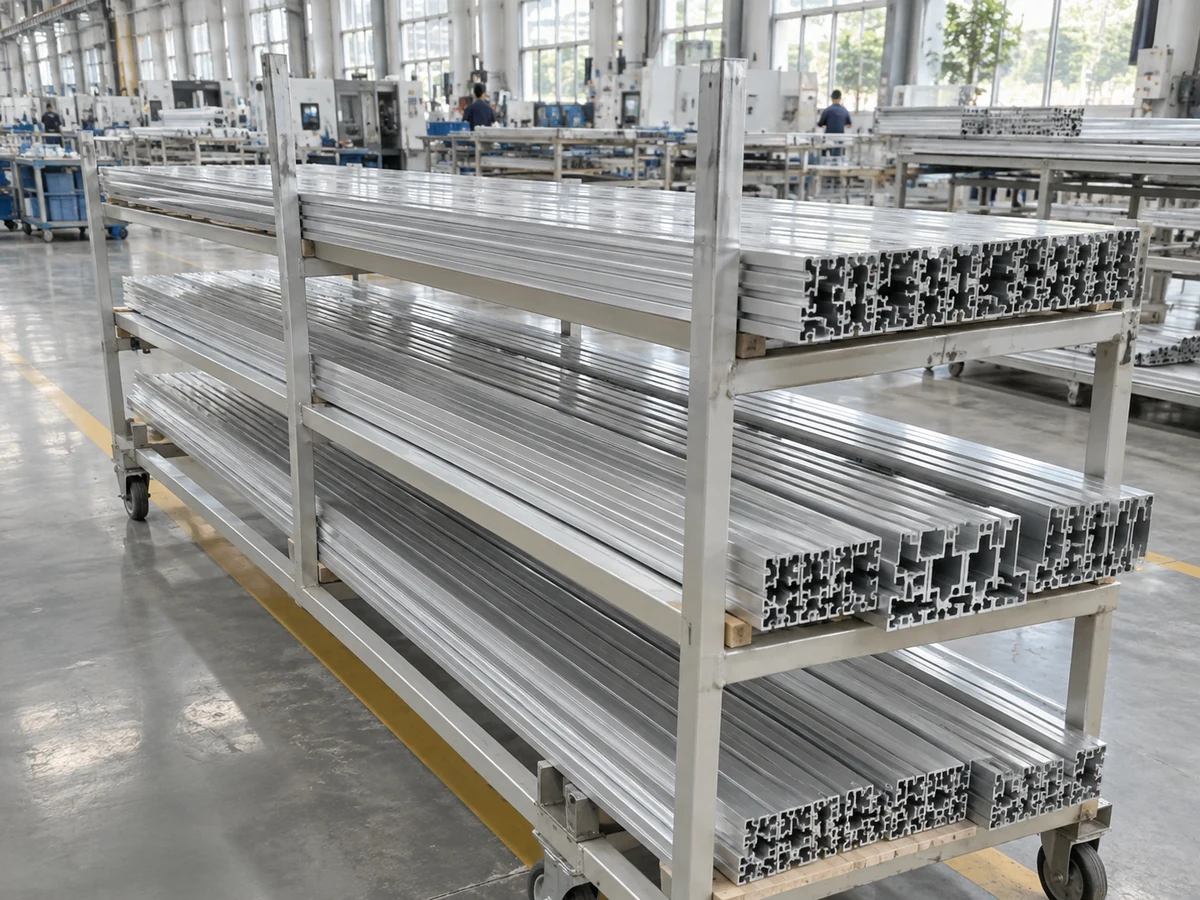
Reconcile the release quantity before a carrier is called
Use one quantity ledger per order line. Begin with the released production quantity and subtract parts scrapped, retained for sample or rework, awaiting disposition, and already dispatched. Then compare the remaining accepted quantity with the quantity planned for this collection. A different count is not automatically an error; it may be an agreed partial shipment. It does require an explicit amendment to the dispatch instruction and buyer expectation.
Record quantity in the unit the buyer actually receives: pieces, matched sets or kits. A container count alone can hide a short kit or a mixed revision. If two purchase orders share a pallet, retain package-level identity so the buyer can count without opening every package. For partial orders, the partial-shipment decision should be made before dispatch rather than after a receiving shortage is reported.
| Release check | Evidence to match | Hold if unresolved |
|---|---|---|
| Identity | Order, part number, revision, lot and material identity | Label points to a different revision or unknown lot |
| Quantity | Accepted piece or kit count versus package and dispatch list | Difference lacks authorized split or correction |
| Quality status | Inspection release and disposition of open nonconformances | Pending, rework or rejected pieces cannot be isolated |
| Package | Approved pack method, package ID, protection and seal state | Pack change or damage leaves acceptance uncertain |
| Collection | Carrier booking, collection time, destination and handoff record | Shipment instruction conflicts with buyer release |
The ledger should identify who made each release decision and when. A generic “quality approved” checkbox without order and lot scope is hard to reconcile at receiving. The quality agreement guide explains why the supplier and buyer should assign record ownership before an exception occurs.
Keep staged parts and documents together
For each shipping unit, link the physical label to a dispatch list and the applicable acceptance record. Human-readable part and lot information may be sufficient for a simple operation; a standardized logistics-unit identifier may suit a more complex receiving system. The GS1 explanation of logistics units describes how an SSCC can identify a logistics unit and link it to transaction information. Use that approach only if the buyer and supplier systems have agreed to it. A barcode alone does not prove that the contained parts were inspected or accepted.
Photograph a representative sealed or ready-to-close unit, its label and the staging location if this is part of the agreed evidence. Take a separate image when a package is reopened or relabeled. Keep the original status and correction trail so a changed label does not erase the earlier discrepancy. The carrier document should match the buyer-approved dispatch quantity and destination, not merely the quantity the supplier had available at pickup.

Handle a late exception without rewriting the record
If an inspection result changes shortly before pickup, stop the affected shipping unit and identify every package that could contain that lot. If a mismatch is found after sealing, reopen under a controlled count and reseal with a new documented package state. If the supplier proposes shipping the unaffected balance, ask for a revised dispatch list and buyer authorization for the split. This prevents a clean lot from being held unnecessarily while avoiding an undocumented substitution.
A concession request is a buyer decision, not a supplier’s shortcut to meet a truck departure. The request should state the exact affected characteristic, quantity, lot, evidence and proposed disposition. Do not describe a part as accepted while the concession is pending. If parts have already crossed the handoff point, preserve the time, package identity, carrier details and receiving contact for containment. The receiving-lot guide describes the matching check on the other side of the journey.
Make the collection handoff an auditable event
At loading, compare package IDs and counts with the final authorized dispatch list. Record any missing or damaged unit before the carrier signs, not in an untraceable note after departure. Capture the collection time, carrier reference and person who handed over the freight. If the carrier cannot take the agreed configuration, leave the affected unit staged and tell the buyer what changed. A new carrier or loading method does not retroactively approve a different pack or delivery split.
For long profiles, check that the unit can be moved without unsupported overhang or exposed ends under the agreed method. This is a request for supplier and carrier evidence, not a universal support-spacing rule. The long extrusion delivery article covers handling and damage handoffs. Do not use a factory staging rack image as evidence that a transport unit will protect parts on the road.

Buyer release message and stop rules
“Release only the listed order lines, revisions, lots and quantities [attach list]. Keep pending inspection, rework and rejected stock physically separate. Return the package-ID map, accepted quantity ledger, final dispatch list and collection details before pickup. Tell us immediately if a package is reopened, the pack method changes or the carrier cannot take the agreed unit. Do not substitute another lot or split the shipment without written approval.”
That message works best when a named buyer can answer exceptions before the truck slot closes. If the buyer is unavailable, keep the questioned units on hold and dispatch only the explicitly authorized balance. On receipt, match package labels, count and condition to the final dispatch version. Close differences against their original record rather than changing the prior release date.
For a machine inquiry involving cut-part output and handling, send JiurunCut the profile drawing, target cut length, batch mix, finish and delivery format. We can discuss the equipment-side cutting and collection interface. The supplier and buyer must still define the actual order’s acceptance and shipping authority.
General equipment video
The video below is from Jiurun Machinery’s YouTube channel and shows general cutting equipment. It is only an equipment illustration. It does not depict this dispatch hold, material, model configuration, customer, inspected lot, trial shipment or production performance.