
An aluminum cut part material mismatch is a release decision, not a request for a quick label correction. A purchase order may call for a specific alloy, temper, product form and revision while the supplier’s certificate, bundle tag, traveler or finished-part label says something else. The paperwork may be wrong, the physical stock may be wrong, or the chain from stock to parts may have broken. Those are different problems with different evidence needs. Do not ship or assemble the questioned pieces simply because their cross-sections and cut lengths look right.
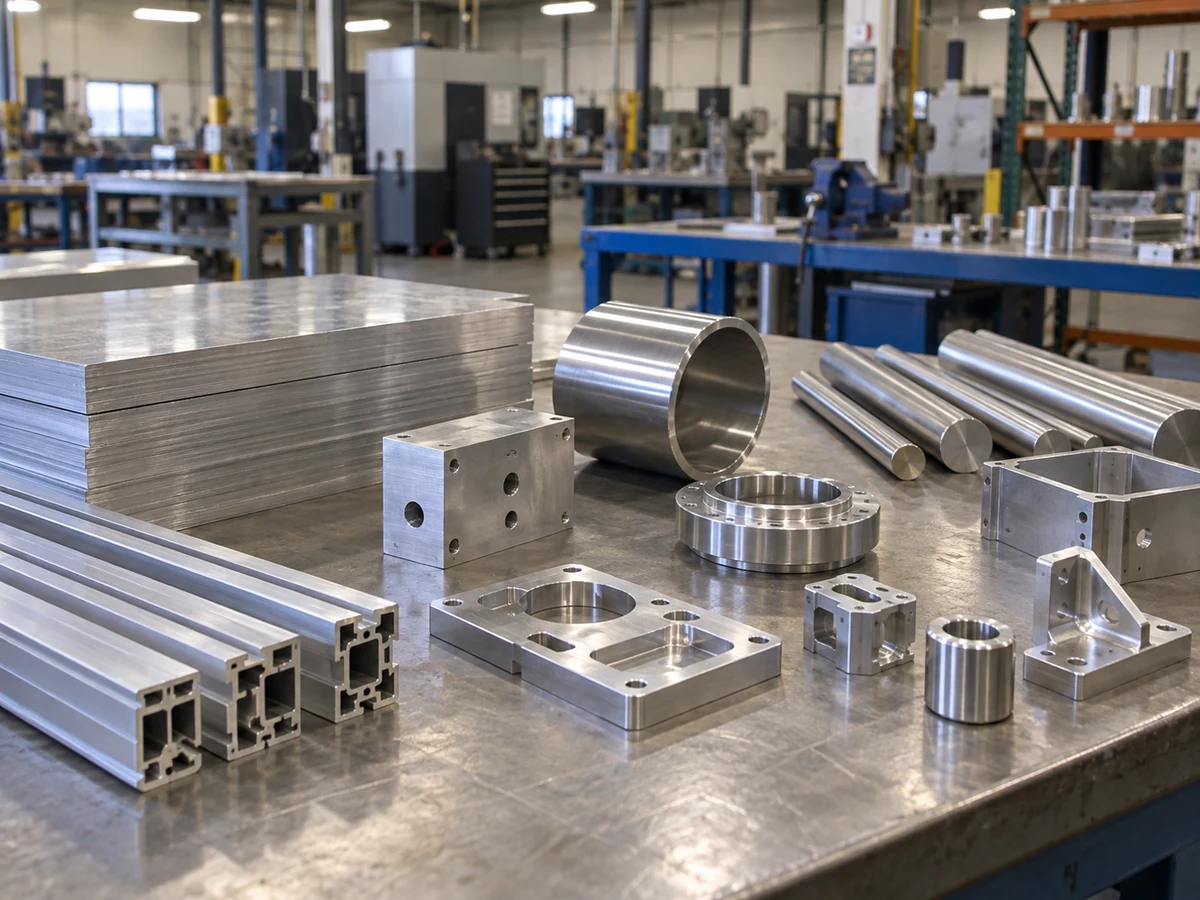
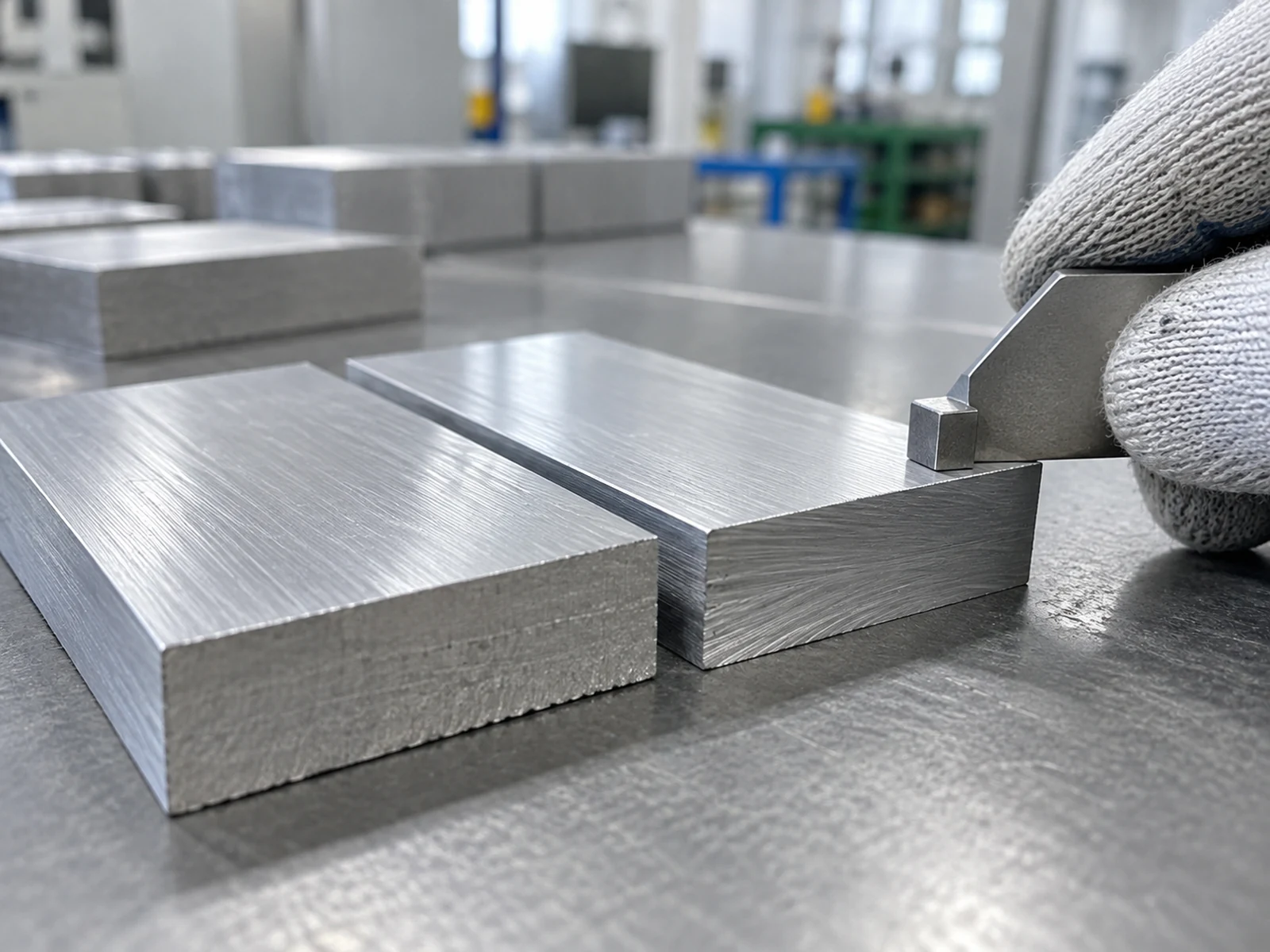
This guide is for a buyer of outsourced saw-cut aluminum components after a suspected material identity discrepancy. It does not prescribe laboratory methods or approve a substitute alloy. The controlled drawing, purchase order, applicable product standard, quality agreement and authorized engineering decision govern the lot. The Jiurun images below illustrate stock and sample handling, not the disputed lot or a verified material result.
Freeze the affected scope without assuming every order is wrong
Record exactly what triggered the concern: an alloy or temper printed differently on a mill certificate, a missing heat or lot link, a tag attached to the wrong rack, or a supplier’s admission that alternate stock was cut. Capture the original purchase-order line, drawing revision, specified stock form, supplier part number, delivery note, certificate number, physical bundle identifiers and the time the discrepancy was discovered. Preserve copies of the records as received. Do not overwrite an old label or edit a certificate to make the file look consistent.
Ask the supplier to hold the identified stock, work in process and finished pieces while mapping every affected cut batch. Separate the known suspect lot from unrelated work only where the supplier can show a credible physical and record boundary. If cut pieces have been mixed after labels were removed, an apparently clean bundle nearby is not enough to narrow the hold. Tell the receiving and production teams which locations, shipments and part revisions are under review. A hold is a temporary control, not a finding that all pieces are scrap.

Rebuild the identity chain from purchased stock to accepted parts
Start with the ordered requirement, not a generic material nickname. Confirm the specified alloy and temper, product form, any referenced material specification and revision, certificate or test-report obligation, and any approved substitution rule. Alloy and temper are separate designations: a document that names one without the other may not satisfy the agreed order. The Aluminum Association describes the designation systems in its standards resources. For extruded bars, rods, profiles and tubes when that standard is part of the purchase requirement, the ASTM B221 scope illustrates that alloy and temper and specified property checks are part of a defined product specification. Neither reference identifies the material in a particular Jiurun photo or supplier batch.
Ask for a trace from incoming bundle or heat to the cutting traveler, cut batch, downstream operations, packing unit and shipment. Record the quantity at each stage and the point where identification was transferred from long stock to short pieces. If one bar produced several part numbers, identify which bars fed which lots. If offcuts were returned to a common rack, do not infer that the current rack label proves the identity of every piece already cut. Compare supplier records with actual tags and physical segregation; a certificate alone does not connect itself to an unmarked finished part.
Keep the evidence types separate in the review table: a purchase order states the requirement; a mill document reports characteristics of identified stock; a traveler links operations to a batch; a part label locates finished pieces; an authorized test or engineering disposition answers a specific unresolved question. A visually similar extrusion is useful for locating and handling material, but appearance and section geometry are not chemical or temper verification.
Classify the aluminum cut part material mismatch before disposition
A missing certificate for a properly identified lot is not the same as a certificate that names the wrong alloy, an untraceable mixed lot, or confirmed use of unauthorized stock. Ask the supplier to state which case it believes applies and what original evidence supports that view. A corrected clerical document should retain a clear correction trail and remain tied to the same physical lot; the buyer should not accept a new PDF number as a substitute for the missing stock-to-part link. If the identity chain cannot be reconstructed, record that limitation explicitly.
Where the agreed requirement calls for independent verification, define the question, sampling scope, test method, laboratory competence, sample chain of custody and who pays before testing. Do not assume one spot reading proves a whole mixed batch or that a chemistry screen establishes a heat-treatment condition. A test may resolve some properties while leaving traceability or temper evidence unresolved. The authorized buyer and engineering or quality owners decide whether the resulting evidence is sufficient for the actual drawing and application. No universal retest plan can be inferred from a photograph.
Choose a recorded route for each lot: release when the original requirement and trace are supported; keep on hold while agreed evidence is obtained; return or replace; rework only if a controlled operation can address the actual issue; or consider a documented, lot-limited concession where the buyer has authority to grant one. Do not silently relabel an alternate alloy as the ordered grade. A concession for one use does not revise future drawings or blanket-approve supplier substitutions. For the broader receiving decision after a rejected lot, see our hold, rework, replace or concession guide.
Protect delivery and payment while the material question is open
Reconcile ordered, shipped, received, accepted and held quantities by lot. If the supplier promises replacement pieces, identify the verified stock source, production route, first accepted output, downstream operations and dispatch date. A replacement schedule is only credible when the new material’s identity and the cut-part acceptance path are visible. Decide whether unaffected accepted pieces can be released separately; keep their labels and inspection records independent of the held batch. Our cut-part receiving guide explains the ordinary physical-unit and document match, which is narrower than resolving a suspected material substitution.
Do not turn a disputed shipment into a paid accepted quantity by matching invoice count alone. Record any freight, sorting, laboratory, replacement or line-stoppage costs under the purchase agreement rather than asserting an automatic penalty. Notify affected internal users if any questioned pieces have already moved into assembly or stock. Document who has authority to release each location and when. The supplier’s corrective action should explain how incoming stock identity is checked, how labels move through cutting and packing, and how mixed or unmarked pieces are contained; a promise to train staff without a verifiable control change is weak closure.
Send the supplier a focused evidence request
- Which purchase-order line, drawing revision, alloy, temper, form and certificate obligation apply?
- What document or physical observation triggered the discrepancy, and when was the last known conforming point?
- Which heat, bundle, cutting traveler, part batch, packing unit and shipment can be linked without assumptions?
- How many pieces are ordered, shipped, received, accepted, held, unmarked, in process or still raw?
- What original records, controlled correction or agreed test could resolve the exact uncertainty?
- Who can authorize release, replacement or a lot-limited concession, and what delivery promise follows that decision?
General equipment video: The following footage is from Jiurun Machinery’s own YouTube channel and shows an aluminum saw in a general equipment example. It does not show this material, alloy or temper, the disputed supplier or customer, any inspection or trial, a specific approved configuration, or a verified performance result.
Discuss the cutting job after material identity is controlled
If your team is comparing an in-house saw with outsourced cut-part supply, send Jiurun the controlled part drawing, actual profile or stock form, alloy and temper requirement, cut features, batch pattern, downstream steps and acceptance method. We can discuss a suitable cutting-machine proposal and what a job-specific trial would need to show. Machine footage or a sample photograph cannot establish the material identity of your purchased parts. Contact JiurunCut with the real RFQ.