
Aluminum brazing vs welding is a joint-design decision before it becomes a price comparison. For this guide, welding means fusion welding, such as MIG or TIG. Start with the finished assembly, then compare how each proposed route will achieve the approved joint and acceptance requirements.
A buyer should be able to connect the joining proposal to the material, prepared parts and final inspection. Four questions make that comparison easier: what joins the surfaces, what geometry is needed, who controls the preparation and what evidence releases the assembly?
On this page
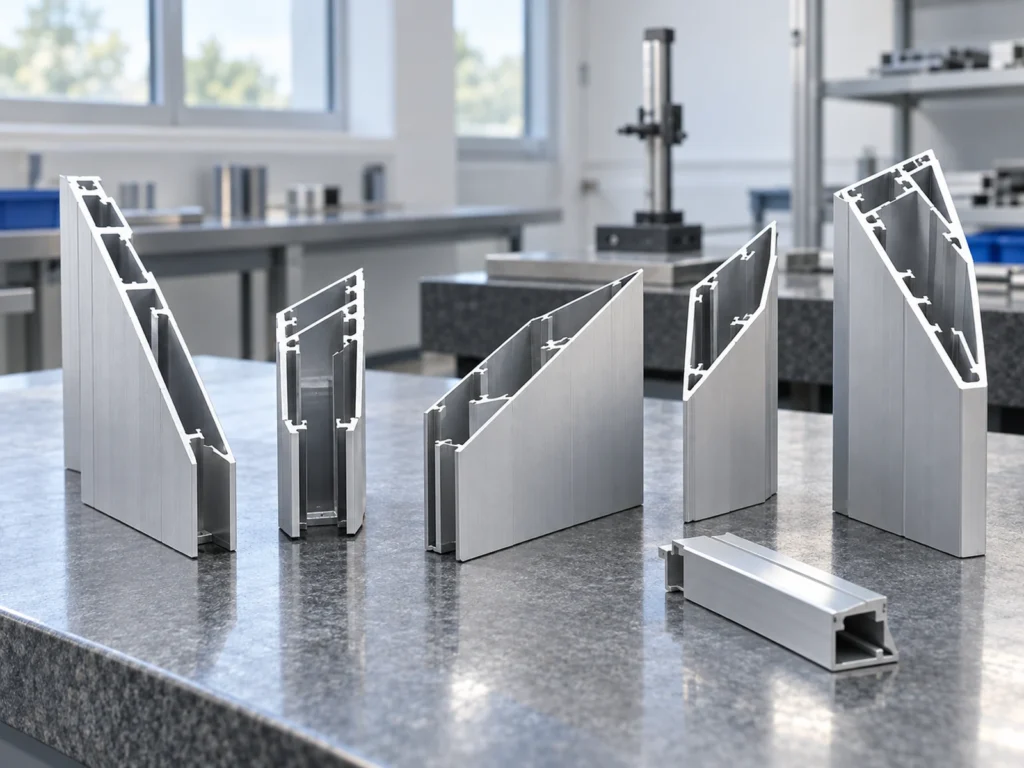
Aluminum brazing vs welding: how the joint forms
TWI’s brazing explanation describes molten filler entering the joint while the parent parts remain below their melting temperature. Compatible materials and an appropriate joint gap support the movement of filler by capillary action.
TWI defines fusion welding as joining through melting the materials at the joint. Filler may or may not be used. MIG and TIG belong to this process family.
These definitions explain the mechanism. They do not establish which route is stronger, cheaper or better for your assembly. This comparison does not cover solid-state welding or provide a joining procedure.
Question 1: what joint geometry is approved?
Ask the supplier to mark the proposed joint on the assembly drawing. Identify the surfaces that will join and the dimensions that locate the components. Keep the process proposal separate from an unapproved sketch.
For brazing, have the specialist define the required mating geometry and gap for the selected process. Do not insert a general-purpose clearance from a different alloy or brazing method into the cutting order.
For fusion welding, ask the welding engineer to define the joint preparation and access needed for the proposed method. Do not assume that a saw-cut butt joint is automatically a complete weld preparation.
Record which dimensions belong to the supplied blank and which belong to the finished assembly. If the drawing changes with the process choice, return it for design approval before comparing prices.
Question 2: which material and filler are compatible?
Give the joining supplier the actual material designation, supplied condition and available certificate. Include every part in the joint, including a cover, fin, tube or connector supplied by another vendor.
Ask the specialist to identify the proposed filler and explain its compatibility with the parent materials and service requirements. Keep the answer attached to the actual assembly revision rather than a generic statement that the process “joins aluminum.”
Boyd’s aluminum vacuum-brazing paper gives cold plates and heat exchangers as examples. It describes material-dependent filler selection, cleaning before assembly and fixtures that hold parts in alignment.
That manufacturer example helps frame questions for a thermal assembly. It does not approve your alloy combination or establish a pressure, temperature or strength rating. Ask your responsible engineer which final material condition must be demonstrated.
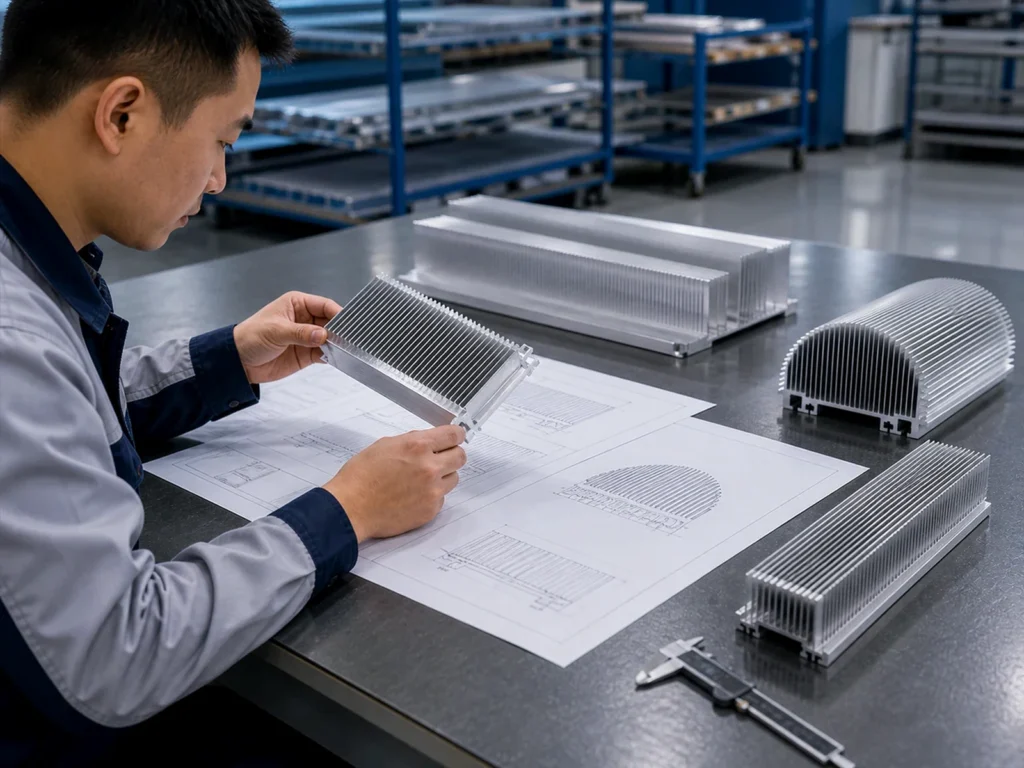
Question 3: who controls preparation and handover?
List the operations between stock cutting and joining. The quote should identify who supplies the prepared parts, who checks them and who approves any surface treatment or cleaning step.
Ask the joining supplier for its incoming-part requirements. Put those requirements into the order: accepted edge condition, preparation status, part identification, packaging and the drawing used for inspection.
If one company cuts and another joins, define the handover point. A delivered blank should carry a clear identity and agreed inspection record. Avoid a situation where both suppliers expect the other to finish the joint preparation.
Have the joining specialist specify its cleaning and handling procedure. This guide provides no solvent, flux, furnace or welding settings. Do not replace the approved procedure with a process selected only because a sample looked clean.
Question 4: what evidence releases the assembly?
Define acceptance from the assembly’s function. The responsible design and quality team should identify the required dimensions, joint evaluation and any applicable functional tests. Keep the criteria in the quote before ordering a production batch.
Ask how sample approval connects to the production process. Request the relevant part identity, joining proposal, inspection plan and reported results. A photograph of an attractive joint does not replace the specified evidence.
| Quote decision | Record to request |
|---|---|
| Joint definition | Approved assembly drawing and process-specific preparation. |
| Material combination | Parent-part identities, proposed filler and engineering review. |
| Final release | Agreed inspection scope, actual results and responsible approval. |
This is an editorial purchasing checklist. It contains no joint-strength values, joining settings or actual acceptance results.
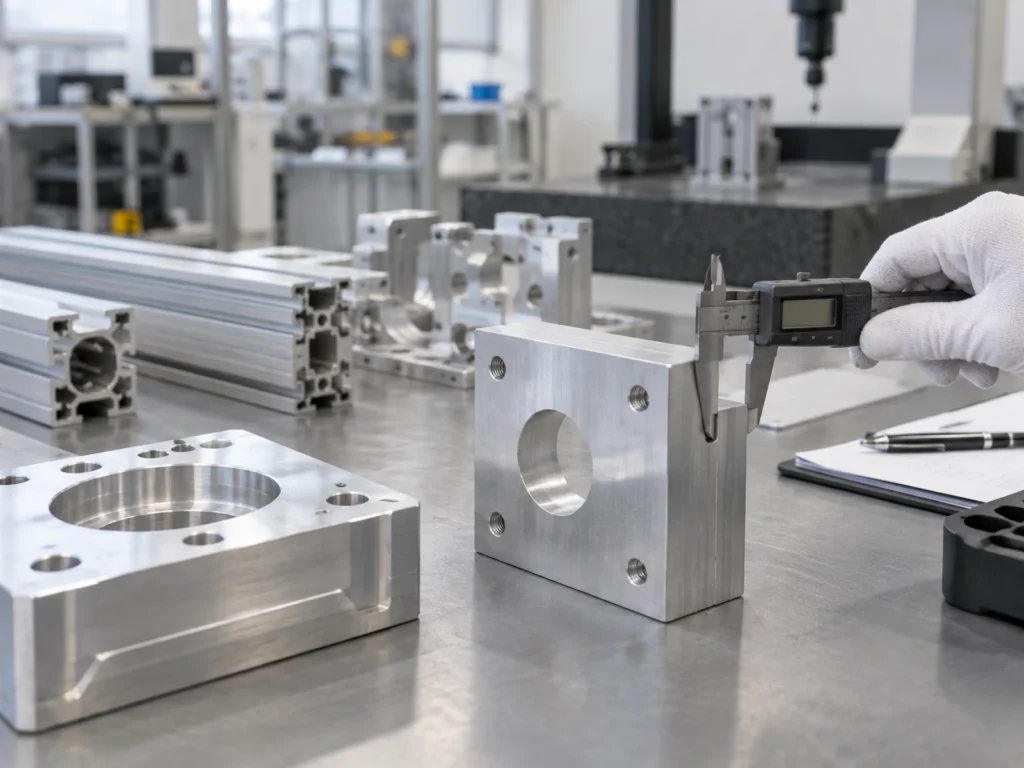
Connect the decision to the cut-blank order
Once the joining route is approved, return to the blank drawing. State finished length, reference faces, angle and any machining allowance explicitly. Keep the blank requirements traceable to the assembly revision.
The cutting-before-welding guide covers the upstream handover. For a thermal assembly, the cold-plate blank guide separates the cutting scope from later manufacturing and testing.
Send JiurunCut the profile drawing and approved blank requirements to discuss the cutting operation. Keep the aluminum brazing vs welding decision and its acceptance with the joining specialist and responsible engineering team.
Questions buyers ask
Does brazing melt the aluminum parent parts?
The brazing process melts a compatible filler below the parent parts’ melting temperature. The specialist must define the actual material and process combination.
Is every welding process a fusion process?
This guide compares brazing with fusion welding. Ask the supplier to name its exact proposed process before applying the comparison.
Can a brazing gap be copied from another assembly?
Have the joining specialist define the gap for the selected materials and method, then obtain design approval.
What makes an aluminum brazing vs welding quote comparable?
The same finished requirements, clear preparation responsibilities and an agreed inspection and acceptance scope.